DbcultAccessing Vault...
6.1/10
Senior Film Conservator
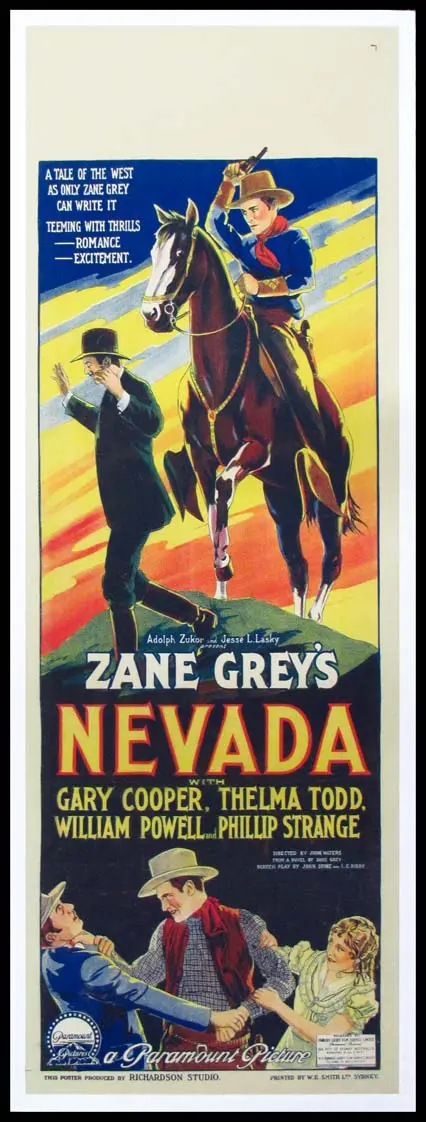
A definitive 6.1/10 rating for a film that redefined the boundaries of cult cinema. Nevada remains a cornerstone of transgressive art.
Is Nevada (1927) worth your time in the modern era? Short answer: yes, but primarily as a historical blueprint for the American Western archetype. This isn't a film for those who demand the frantic editing of a modern blockbuster; it is a film for those who want to see the exact moment Gary Cooper became 'Gary Cooper.'
This film is specifically for enthusiasts of silent-era cinema and scholars of the Western genre who want to trace the evolution of the 'quiet man' trope. It is absolutely not for viewers who have a low tolerance for the deliberate pacing and theatrical pantomime that characterized 1920s filmmaking.
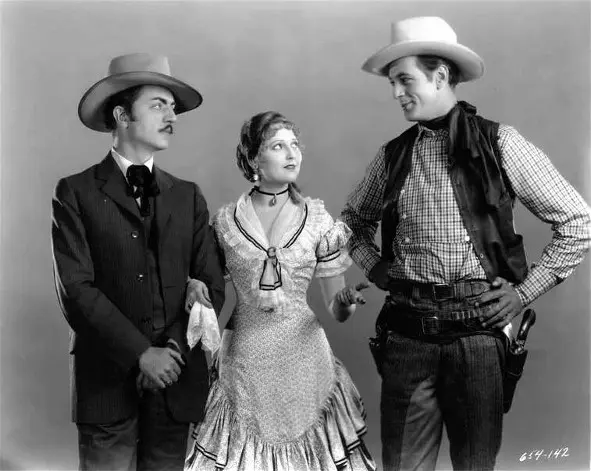
1) This film works because it pits the raw, unpolished charisma of a young Gary Cooper against the sophisticated, oily villainy of William Powell, creating a screen tension that transcends the silent medium.
2) This film fails because the romantic triangle involving Thelma Todd feels like a narrative obligation rather than a genuine emotional core, often slowing down the momentum of the rustling plot.
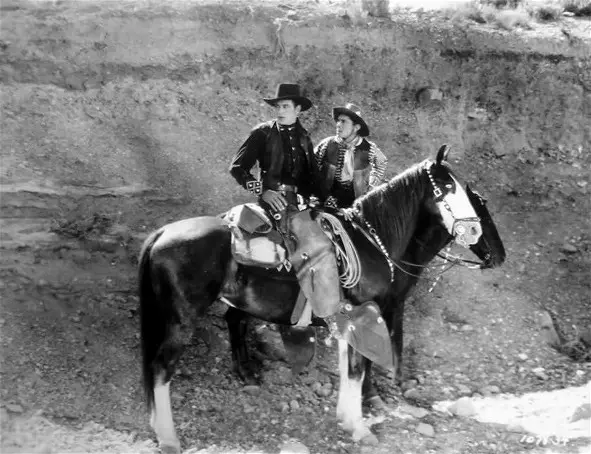
3) You should watch it if you are fascinated by the transition of the Western hero from the flamboyant showmanship of Buffalo Bill types to the stoic, internalised masculinity that dominated the mid-20th century.
In 1927, the Western was at a crossroads. We were moving away from the simplistic morality plays of the early 1920s, such as The Law of the North, and toward something more psychological. Gary Cooper, in one of his first starring roles, brings a stillness to Jim Traft that was revolutionary at the time. While other actors were still flailing their arms to convey distress, Cooper used his eyes and his posture.
Take the scene where Traft first arrives at the ranch. He doesn't announce his presence with a flourish. He sits on his horse, slightly slumped, looking at the horizon with a weariness that suggests years of bloodshed. It is a masterclass in economy. This minimalism is what makes Nevada feel surprisingly modern despite its age. It works. But it’s flawed.
The flaw lies in the script's insistence on a conventional romance. Thelma Todd is a capable actress, but her character is written as a prize to be won rather than a person with agency. Compared to the complex female roles emerging in European cinema of the same year, such as those in Alraune, the gender dynamics here feel dusty and dated.
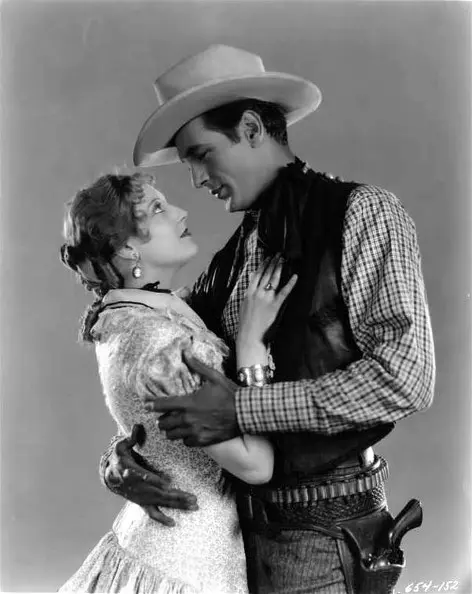
One of the most surprising observations a modern viewer will make is that William Powell is actually the most interesting person on screen. Long before he became the witty detective in The Thin Man, Powell was a formidable heavy. As Clan Dillon, he brings a level of intellect to the cattle-rustling plot that elevates the film above standard B-movie fare.
There is a specific moment in the second act where Powell’s character realizes Traft is more than just a drifter. The way he adjusts his hat and offers a slight, predatory smile is chilling. He doesn't play a cartoon villain; he plays a businessman whose business happens to be theft. This grounded approach to villainy was rare in 1927 and provides a sharp contrast to the more over-the-top performances found in films like J'accuse!.
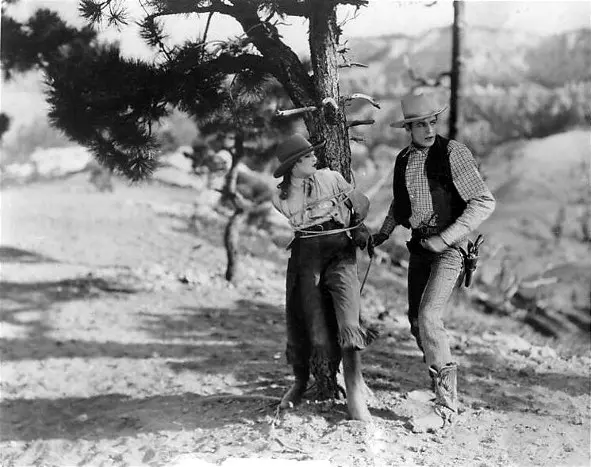
The direction by John Waters (not that one) leans heavily into the naturalistic beauty of the American West. The cinematography captures the dust and the heat in a way that feels tactile. Unlike the polished, studio-bound sets of The Secretary of Frivolous Affairs, Nevada feels lived-in. The wide shots of the cattle drives are genuinely impressive, utilizing the scale of the landscape to dwarf the human drama.
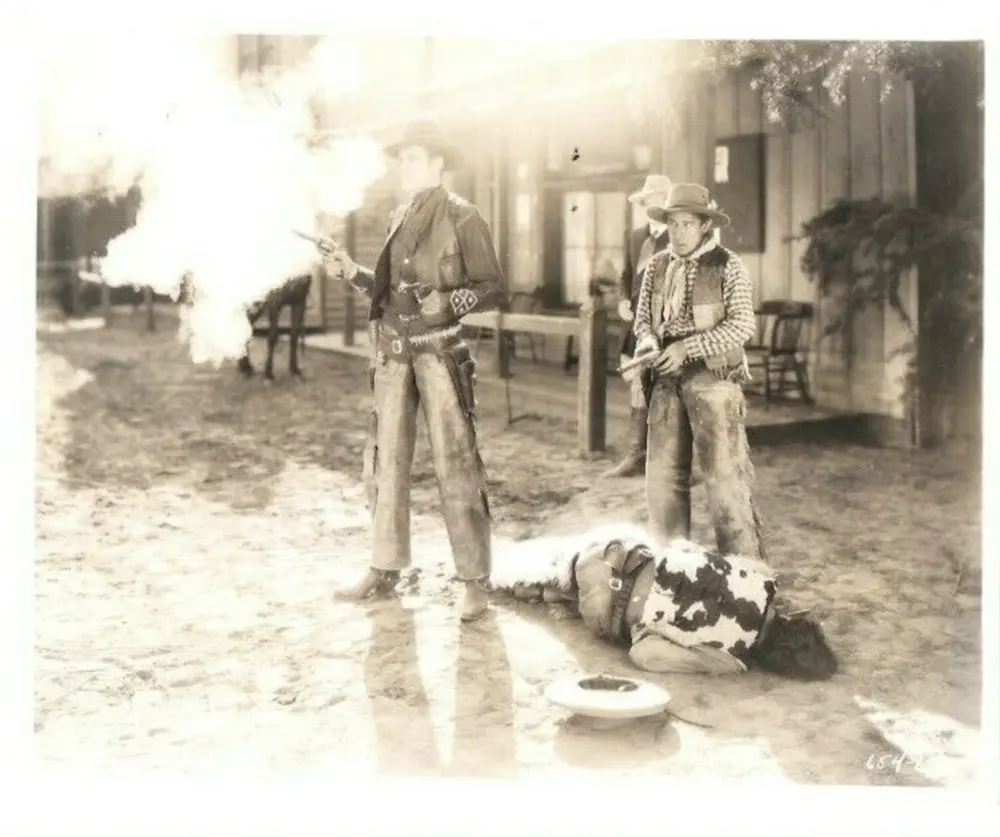
The pacing, however, is uneven. The first half spends an inordinate amount of time establishing Traft’s desire for peace, which is fine, but it repeats the same thematic beats three times too many. We get it: he’s tired of killing. By the time the actual conflict with the rustlers kicks into high gear, the audience might be as weary as the protagonist.
Question: Does Nevada (1927) hold up for a 21st-century audience accustomed to high-definition action?
Answer: Yes, but only as a foundational text. It is worth watching to see the birth of the Gary Cooper persona and the sophisticated villainy of William Powell. It provides essential context for how the Western genre evolved from simple action to character-driven drama.
Nevada is a fascinating artifact. It isn't the greatest Western ever made, but it is one of the most important. It stripped away the theatricality of the early silent era and replaced it with a grounded, grit-under-the-fingernails realism that would define the genre for the next forty years. While it stumbles in its romantic subplots and occasionally loses its way in the sagebrush, the central conflict between Cooper and Powell is electric. It is a bridge between the old world of cinema and the new. If you can forgive the slow-burn pacing, you will find a film that is surprisingly deep in its exploration of a man trying to bury his own ghost.
"I'm not looking for trouble, Dillon. I'm just looking for a place where the wind doesn't smell like gunpowder."
Ultimately, Nevada succeeds because it understands that the most dangerous thing in the desert isn't a gun—it's a man who has nothing left to lose. It’s a solid, if slightly dated, piece of cinematic history that deserves a spot on any Western fan's watchlist.
IMDb 5
1932
Community
Log in to comment.