DbcultAccessing Vault...
Cult Review
Senior Film Conservator
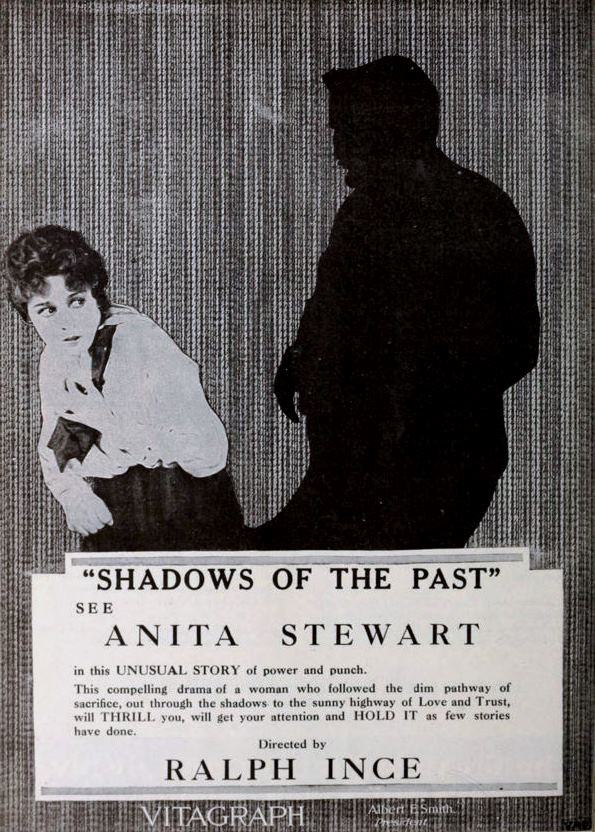
Ah, the early days of cinema! A time when narratives, often melodramatic and morally unambiguous, served as potent mirrors to societal anxieties and aspirations. Among these cinematic relics, Shadows of the Past emerges as a particularly compelling artifact, a narrative tapestry woven with threads of betrayal, redemption, and the enduring human struggle against malevolent forces. Directed with a keen eye for suspense and character development, this film, penned by the insightful Marguerite Bertsch, plunges its audience into a world where past transgressions relentlessly hound the present, threatening to unravel painstakingly rebuilt lives. It’s a compelling watch, reminding us that even in an era of nascent filmmaking, the power of a well-told story, rich with moral quandaries and dramatic tension, was undeniably paramount.
At its core, Shadows of the Past is a stark examination of how one's history, particularly one stained by injustice, can become a weapon in the hands of the unscrupulous. The film introduces us to a triumvirate of individuals – Brandon, his devoted wife, and their loyal friend Antoinette – whose lives are irrevocably altered by the machinations of Mark Stetson, a politician whose moral compass is conspicuously absent. Stetson, a master manipulator, ensnares them in a smuggling racket, not out of malice towards them specifically, but as a calculated maneuver to shield his own culpability. This initial act of betrayal sets in motion a chain of events that highlights the fragility of reputation and the devastating ripple effect of a single, self-serving decision. The injustice of their arrest, a consequence of Stetson's cynical self-preservation, immediately garners our sympathy for the protagonists, positioning them as victims of a larger, systemic corruption.
The film's strength lies in its ability to paint a vivid picture of the protagonists' struggle for rehabilitation. After their unjust incarceration and subsequent release, the trio's vow to 'make good' isn't merely a plot device; it's a testament to the human spirit's resilience. Brandon's journey to a trusted post at an insurance company, and Antoinette's dual role as secretary and sweetheart to the popular gubernatorial candidate Haddon, illustrate the painstaking effort required to reclaim respectability in a society quick to judge. This period of rebuilding, however, is merely the calm before the storm, a poignant interlude before the titular 'shadows' inevitably creep back into their lives. The narrative thus skillfully builds a sense of impending doom, making the audience acutely aware that their hard-won peace is perilously fragile.
Harry T. Morey, likely portraying the villainous Mark Stetson, embodies a chillingly familiar archetype: the corrupt politician who views human lives as mere pawns in his relentless pursuit of power and wealth. His character's re-emergence in Antoinette's life, precipitated by a chance encounter in Haddon's office, serves as the catalyst for the film's escalating tension. Stetson's recognition of Antoinette is less about personal vendetta and more about opportunistic exploitation. Offered a substantial sum by Haddon's political rivals to sabotage his campaign, Stetson seizes upon the past like a predator on a scent. This particular plot point, the weaponization of a past scandal for political gain, resonates with timeless political dramas, highlighting the enduring nature of such underhanded tactics. One might draw thematic parallels to films like The Inner Ring, where clandestine societies and hidden agendas often dictate the fates of individuals and political landscapes.
Stetson's repeated threats to expose Brandon's past are depicted with a psychological acuity that, for its era, is quite sophisticated. The pressure applied to Brandon is immense, forcing him into an agonizing moral dilemma: protect his family's fragile new life by sacrificing the reputation of an innocent man, or stand firm and risk utter ruin. This moral tightrope walk is where the film truly shines, exploring the boundaries of human endurance and the difficult choices forced upon individuals by circumstance. Brandon's eventual capitulation, agreeing to help Stetson 'find' Haddon with Mrs. Brandon at a café and publicly denounce him, is a moment of profound despair, illustrating the corrosive power of blackmail. The film doesn't shy away from depicting the moral compromises forced upon good people, a theme that echoes in the more complex character studies of later cinema.
Amidst the swirling currents of deceit and coercion, Anita Stewart's Antoinette emerges as a figure of remarkable resilience and agency. Her character is not merely a damsel in distress; she is an active participant in her own salvation. The scene where Stetson traps her in his accomplice's house is a classic melodramatic setup, yet Antoinette's escape, achieved through a 'clever ruse,' elevates her beyond a passive victim. This moment underscores the film's progressive leanings, presenting a female character who is resourceful and quick-witted, capable of taking her fate into her own hands. This portrayal of a strong, independent woman navigating treacherous circumstances is particularly noteworthy for the period, perhaps resonating with the spirit of characters found in films like Stella Maris, where female protagonists often demonstrate extraordinary inner strength against formidable odds.
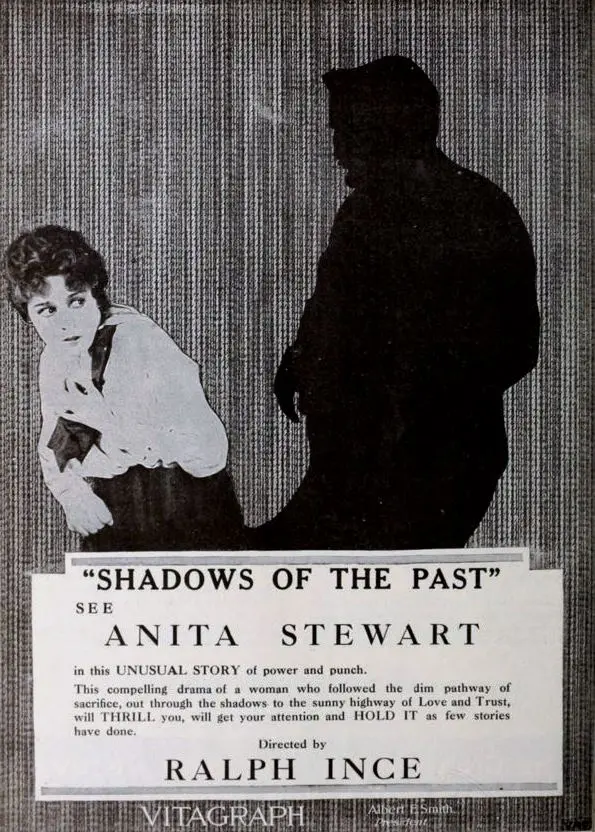
The ensuing car chase, with Stetson and his accomplice in hot pursuit, injects a thrilling dose of action into the narrative, building to a dramatic crescendo. The sudden, violent end of the villains at a railroad crossing, struck by a train, is a classic cinematic device for delivering swift, karmic justice. It's a stark, almost poetic resolution to their malevolence, ensuring that their reign of terror is unequivocally concluded. This deus ex machina moment, while perhaps a touch convenient, serves the narrative's moral imperative: good triumphs over evil, and the wicked receive their just deserts. The film, in this regard, satisfies the audience's inherent desire for justice to prevail, a common thread in popular entertainment of the era.
Antoinette's arrival at the café, just moments before Brandon can enact Stetson's vile plan, is a masterclass in suspenseful timing. Her ability to foil the plot at the eleventh hour not only saves Haddon's reputation but also liberates Brandon from his agonizing moral predicament. The subsequent scene, where Antoinette confesses her shadowed past to Haddon, is the emotional heart of the film. It's a moment of profound vulnerability and courage, where the weight of past injustice is laid bare before the man she loves. E.K. Lincoln, as Haddon, portrays a character of admirable integrity and compassion. His happy forgiveness of Antoinette, rather than a condemnation, speaks volumes about his character and the film's ultimate message of understanding and redemption. This act of grace elevates the narrative beyond simple melodrama, imbuing it with a sense of genuine human connection and empathy.
The film, through this resolution, champions the idea that love and understanding can transcend societal judgments and past mistakes. It suggests that true character is revealed not by one's pristine history, but by the ability to overcome adversity and the willingness of others to offer compassion. This theme of overcoming past injustices and finding redemption is a powerful and enduring one, resonating with other narratives of moral struggle and ultimate triumph. One might find a similar exploration of personal integrity tested by external pressures in a film like The Gun Fighter, where protagonists often grapple with the inescapable consequences of their past actions or reputations.
The ensemble cast, featuring talents like Rose Tapley, Anita Stewart, Julia Swayne Gordon, E.K. Lincoln, and L. Rogers Lytton, delivers performances that, while constrained by the acting conventions of the era, effectively convey the emotional thrust of the narrative. In silent cinema, much relied on exaggerated gestures, facial expressions, and the power of the intertitle to communicate inner turmoil and dramatic intent. Anita Stewart, as Antoinette, particularly shines, her expressive portrayal capturing the character's journey from victimized innocence to determined resilience. Harry T. Morey, as Stetson, masterfully embodies the villain, his presence exuding menace and calculating ruthlessness. These performances, viewed through the lens of historical context, are vital in understanding the evolution of cinematic acting and its capacity to engage audiences without spoken dialogue.
Marguerite Bertsch's writing is the bedrock upon which Shadows of the Past is built. Her narrative structure is tight, with each plot point serving to escalate the stakes and propel the characters towards their inevitable confrontation. The pacing is effective, balancing moments of quiet introspection with bursts of intense action. For a film of its time, the complexity of the plot, involving multiple characters and intertwining destinies, speaks to Bertsch's skill as a storyteller. Her ability to weave a tale of political corruption, personal redemption, and romantic fidelity within the confines of early cinematic language is commendable. The film’s narrative arc, from initial injustice to desperate struggle and eventual triumph, is a classic framework, yet Bertsch infuses it with enough character detail and dramatic turns to keep it fresh and engaging. This narrative craftsmanship might be compared to the structured yet emotionally resonant storytelling found in films like The Firefly, where character-driven plots unfold with a similar sense of purpose and emotional impact.
Shadows of the Past, while a product of its specific historical moment, offers themes that remain remarkably pertinent. The corrupting influence of power, the struggle for personal integrity against overwhelming odds, and the redemptive power of truth and forgiveness are not confined to any single era. The film serves as a poignant reminder that while the aesthetic and technical aspects of cinema have evolved dramatically, the fundamental human stories it tells have an enduring quality. It’s a testament to the power of early filmmakers to craft narratives that, despite their simplicity by modern standards, could stir emotions and provoke thought.
In conclusion, Shadows of the Past is more than just a historical curiosity; it is a robust piece of cinematic storytelling that holds its own. It's a gripping melodrama that navigates the treacherous terrain of political intrigue and personal anguish with skill and emotional depth. For aficionados of early cinema, or anyone interested in the foundational narratives that shaped the medium, this film offers a fascinating window into a bygone era, proving that a compelling story, well-told, transcends the limitations of its technology. The performances are earnest, the plot is intricate, and the ultimate message of hope and forgiveness resonates long after the final frame. It’s a film that reminds us that even when confronted by the deepest 'shadows of the past,' the light of truth and human connection can ultimately prevail, paving the way for a brighter future. It demonstrates the timeless appeal of narratives where characters, like those in Paying the Price, confront the consequences of previous actions and strive for a better tomorrow, often finding solace and strength in unexpected places.
IMDb —
1923
Community
Log in to comment.