DbcultAccessing Vault...
Cult Review
Senior Film Conservator
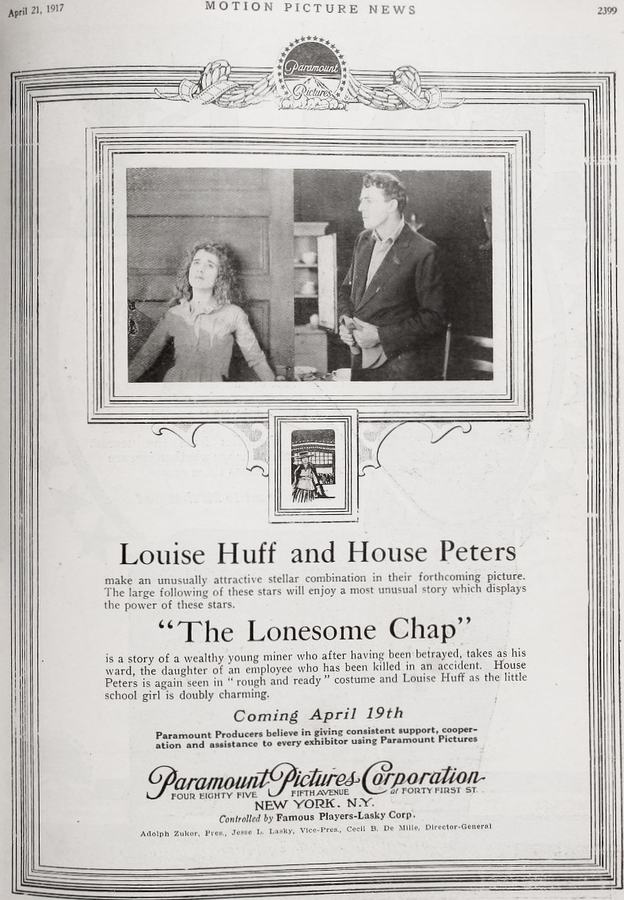
The camera opens on a yawning gorge—an inverted cathedral of rock—where two riders chase not each other but the mirage of escape. The Lonesome Chap, released in the waning bloom of 1923, is a film that knows every cliff is metaphysical long before it is literal. Director John Burton—doubling here as the tormented Stuart Kirkward—ushers us into a mansion whose corridors feel excavated rather than built, as though wealth itself had hollowed out a place to brood.
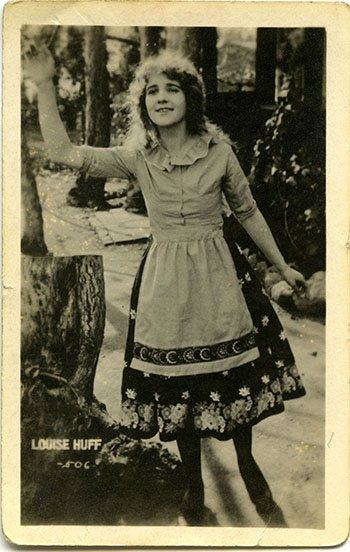
Plot architecture: Harvey Gates and Emma Rochelle Williams adapt a yarn that braids the Western’s open-range mythos with the drawing-room ache of Victorian melodrama. The first reel is a study in betrothal pageantry: bouquets the size of parasols, a wedding cake that looks embalmed in sugar. Peggy Carter—played by Louise Huff with the restless pupils of a girl who has already read the ending—never speaks the word “no,” yet her body thrums with it. Enter Rothwell (Eugene Pallette, slimmed down and snake-oil sleek), a promoter whose smile is a railroad share prospectus: glossy, promising, ultimately hollow.
The elopement sequence, staged at a whistle-stop drenched in locomotive steam, is silent cinema at its most operatic. Rothwell’s lawful wife (Betty Johnson) emerges from the carbon fog like a Fury in gabardine. The intertitle—“You build your joy on another woman’s grave”—flashes only long enough to scald. Peggy’s bolt on horseback is shot in silhouette against a sodium moon; Burton superimposes a close-up of her eyes over the galloping hooves, creating a visual stutter of panic. The cliffside plunge that follows is not shown in full; instead we get the horse’s empty stirrup, a drifting plume of dust, then a black iris-out. The ellipsis is more savage than any plunge.
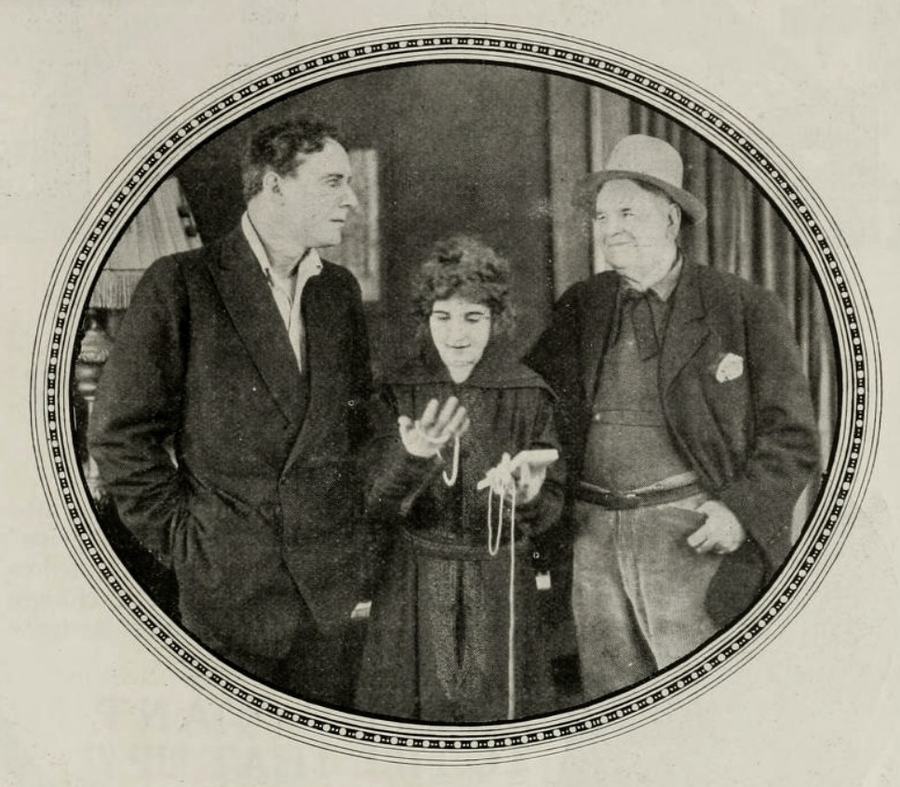
Stuart, now saddled with Renee (initially played by a wistful moppet, later by Louise Huff again in a dual-role coup), ships the child eastward to be educated among marble cherubs. The boarding-school montage—snow on dormers, inkwells freezing, girls skating on a pond shaped like a broken heart—could stand alone as a tone poem. Years compress into a single fade, and Renee returns, her suitcase smaller than the space she now occupies in Stuart’s gaze. The mansion’s hearth, once cavernous, suddenly feels claustrophobic.
What follows is the film’s most dangerous tightrope: the slow swivel from paternal warmth to erotic recognition. Burton lets the camera linger on Stuart’s hand as it hesitates over Renee’s shoulder—an inch of air vibrating with taboo. Viewers weaned on post-Code morality might squirm; 1923 audiences reportedly gasped, then leaned closer. The film is savvy enough to stage its most incendiary emotion in chiaroscuro: half-lit faces, fingers brushing a decanter rather than skin. The censorship board, distracted by the earlier adultery and cliffside doom, seems to have missed the real transgression simmering in the parlour.
John Burton carries the weight of unspoken desire in the slump of his collar and the way his voice (via intertitles) contracts to monosyllables when Renee enters. Louise Huff has the tougher assignment: she must age from coltish ward to self-possessed woman in a single reel, and she accomplishes it with the subtle shift from skipping steps two at a time to descending a staircase one measured footfall at a time. Eugene Pallette, even slimmed, still carries the basso timbre of future rotund villainy; here he weaponizes charm like a switchblade. J. Parks Jones as young Rothwell is callow on cue, a placeholder for the sins of the father rather than a flesh-and-blood rival.
Visual lexicon: Cinematographer William Marshall favors tungsten interiors that pool amber on Persian rugs, while exteriors are blasted with orthochromatic glare that turns sky and skin alike into mercury. The contrast is ideological: civilization’s honeyed entrapment versus nature’s indifferent blaze. One sublime shot frames Stuart through a bevelled mirror fractured by a previous tantrum; his reflection arrives in shards—an apt optical metaphor for a psyche fissured by guilt and longing.
Though marketed as a silent, the film was distributed with a cue sheet for theatre orchestras—Wagner, folk airs, and a persistent motif based on “Shenandoah” slowed to dirge tempo. Contemporary reports mention a Kansas City accompanist who segued into a jazzy Charleston during the house-party scene, thereby undercutting the repressed ardor; patrons laughed, and the manager pulled the print next day. Such is the volatility of exhibition in the pre-sync era.
Set The Lonesome Chap beside On the Level and you find two mineshafts of masculine anxiety, one urban, one frontier. Pair it with John Ermine of Yellowstone and observe how both films use landscape as confession booth. The Heart of a Child traffics in foundlings too, yet its sentiment is sun-dappled where Chap is umbrous. Meanwhile The Island of Regeneration proposes that time can cauterize trauma; our film wonders if time might instead cauterize conscience.
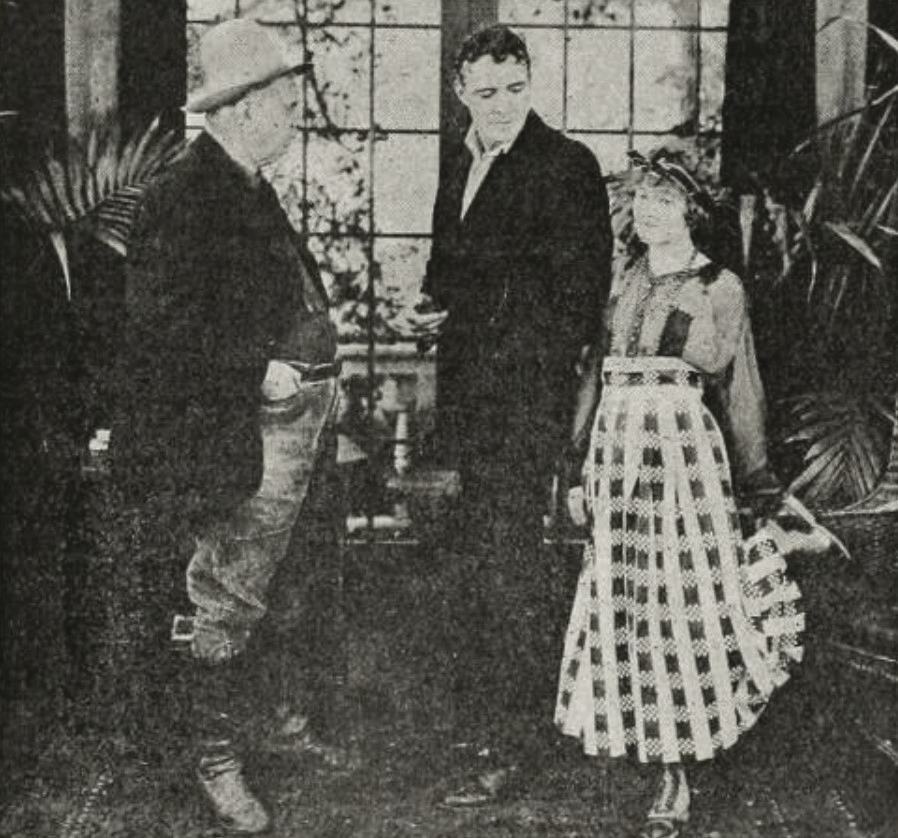
Gender undercurrents: Peggy’s initial flight reads like proto-feminist self-determination until it slams into the brick wall of narrative retribution—death as the price for sexual autonomy. Renee, by contrast, reclaims agency by redirecting the patriarchal gaze back upon itself. The final clinch does not erase the power imbalance (guardian vs. ward), but it complicates it: she chooses, and the camera ratifies her choice with a close-up held longer than any kiss the Production Code will later allow.
Relics & rediscovery: The only known 35 mm nitrate print was rescued from a decommissioned Montana church in 1978, water-damaged and reeking of cedar. A 4K photochemical restoration premiered at Pordenone in 2019, accompanied by a new score that interpolates bowed musical saw—an eerie whine evoking the mine shafts where Stuart first amassed the ore that funds his baronial gloom. The restored tints—amber, viridian, rose—make the night sequences resemble bruised peach flesh, a sight so hypnotic that several festivalgoers reportedly forgot to breathe during the climactic recognition scene.
Flaws: The screenplay hustles through its third act with the impatience of a commuter train, dispensing with Rothwell Jr.’s objections in a single intertitle. A subplot involving a fraudulent mining claim vanishes like a bad poker hand. And Stuart’s moral epiphany—delivered via insert of a locket containing Renee’s childhood photo—feels mechanical, a gear clicked into place by narrative necessity rather than psychological plausibility.
Yet these are peccadillos against the film’s broader achievement: it tunnels into the Freudian bedrock of American melodrama before Freud was household currency. It stages the terror of replacement—lover, father, enemy—inside corridors that seem to elongate as desire swells. It understands that in the vast vacancy of the West, the most vertiginous cliff is the self.
Verdict: The Lonesome Chap is neither quaint curio nor dusty moral artifact; it is a raw nerve wrapped in silk. Watch it late at night when the house is still and you may catch yourself listening for hoofbeats that never arrive, for the creak of a stair where no foot treads. It will leave you, like Stuart, standing at the precipice of an emotion that has no name in 1923 and scarcely more now—only the wind that rushes up from the canyon, smelling of iron, sounding like a woman’s laugh echoing across a century.
IMDb 2.4
1934
Community
Log in to comment.