DbcultAccessing Vault...
6.2/10
Senior Film Conservator
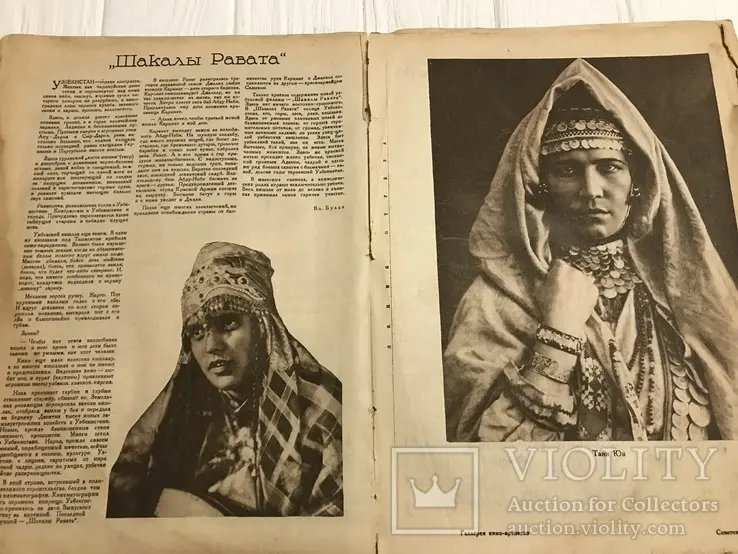
A definitive 6.2/10 rating for a film that redefined the boundaries of cult cinema. Shakaly Ravata remains a cornerstone of transgressive art.
Is Shakaly Ravata a lost classic of regional cinema or merely a historical curiosity? Short answer: It is a demanding, visually arresting piece of social realism that rewards patient viewers but will alienate those seeking easy emotional payoffs. This film is for the cinephile who craves ethnographic authenticity and high-stakes character studies; it is emphatically not for anyone looking for a lighthearted evening or a polished, fast-paced narrative.
The film exists in a space of profound isolation, much like the characters in The Wild Olive. It captures a specific moment in time where the old world is clashing violently with the new, and the casualties are always the ones with the least power. It is raw. It is uncomfortable. It works.
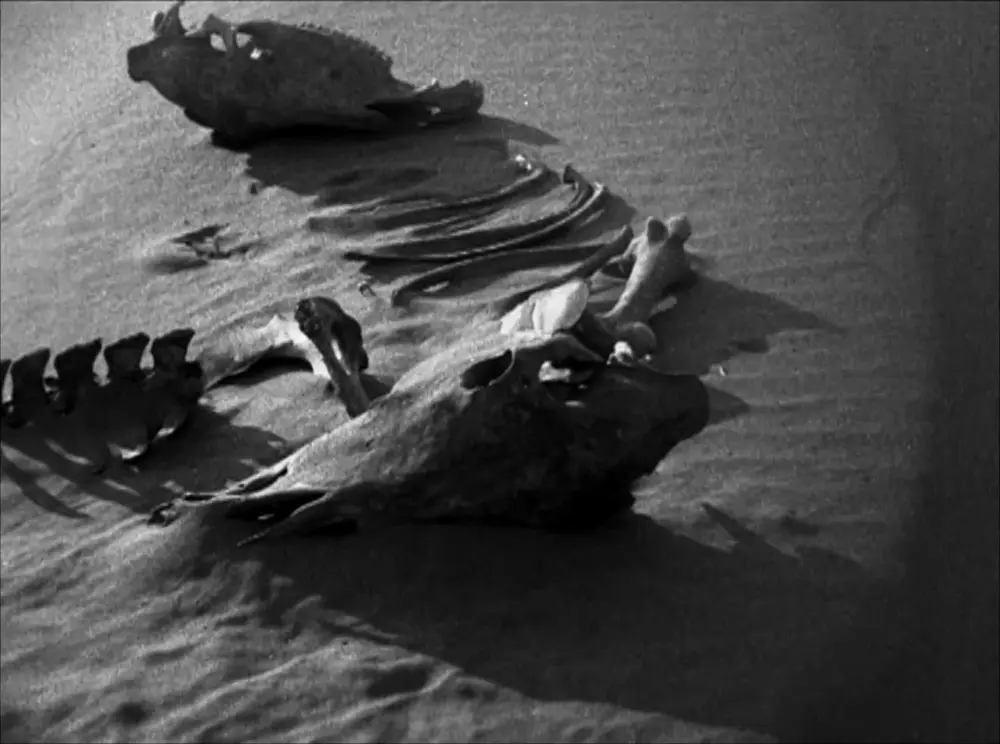
1) This film works because it refuses to sugarcoat the brutality of its setting, using the harsh landscape of Rawat as a character that actively conspires against the protagonist's happiness.
2) This film fails because the middle act loses its narrative momentum during Jalil’s wanderings, occasionally feeling more like a series of disconnected vignettes than a cohesive journey.
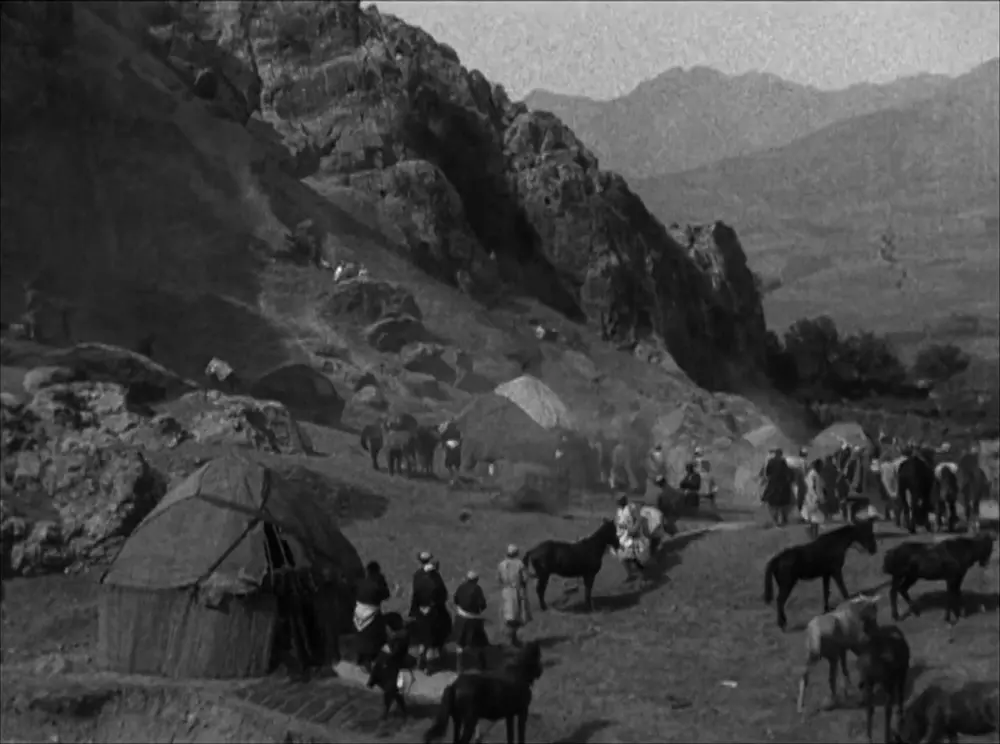
3) You should watch it if you are interested in the evolution of Central Asian cinema and want to see a performance by R. Akhmedov that is a clinic in understated, physical acting.
From the opening frames, director and writer Valentina Sobborey establishes a visual language of scarcity. The village of Rawat isn't just a location; it's a prison of tradition. We see Jalil (played with a weary intensity by Khalil Jalilov) working the land, and the cinematography captures the grit under his fingernails and the sweat on his brow with a clarity that feels almost intrusive. Unlike the more stylized melodrama found in The Beautiful Lie, there is no soft lighting here to hide the wrinkles or the poverty.
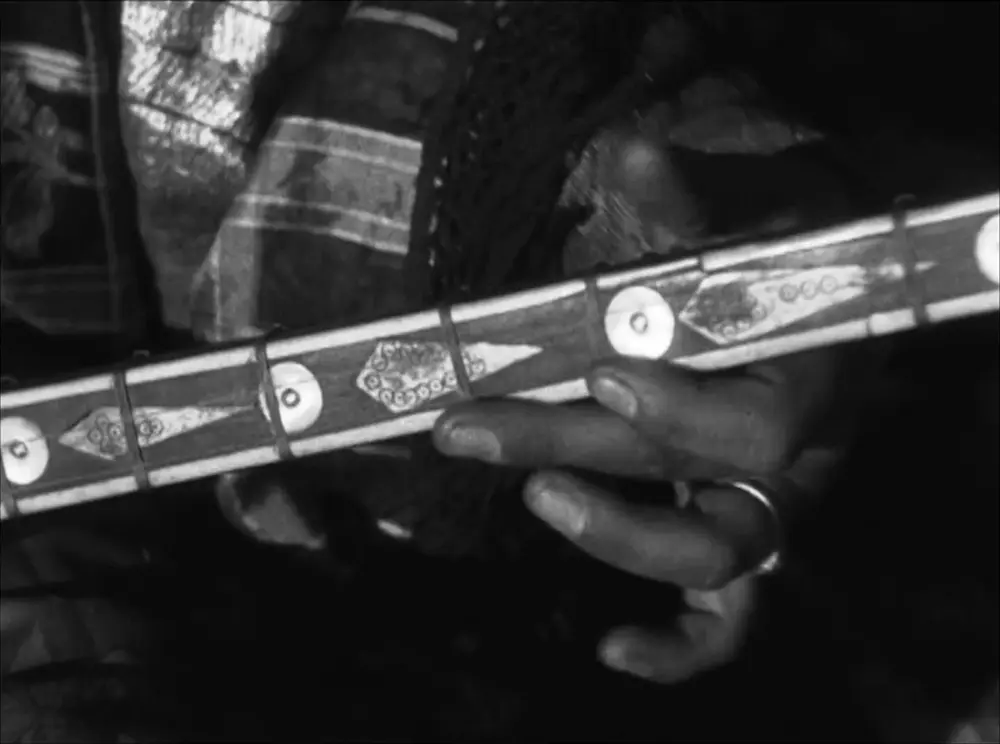
The film’s power lies in its silence. There is a specific scene early on where Jalil and Karaman (K. Pimenova) share a moment by a drying well. There is no sweeping orchestral score, only the sound of the wind. This lack of sonic cushioning forces the audience to sit with the characters' anxiety. Pimenova’s performance is particularly noteworthy; she avoids the 'damsel' tropes often seen in films like The Way of a Girl, instead portraying Karaman as a woman who understands the transactional nature of her existence and hates it with every fiber of her being.
Jalil is not a traditional hero. He is a man driven by a singular, desperate need to protect the one thing he loves in a world that takes everything else. When he begins his 'wanderings' after the central conflict erupts, the film transforms into a proto-road movie, though the 'road' is often just a series of dusty tracks and hostile encounters. His interactions with characters played by Alim Khojaev and Suleyman Khojaev provide a window into the broader social rot. These men represent the 'jackals'—opportunists who thrive on the misfortune of others.
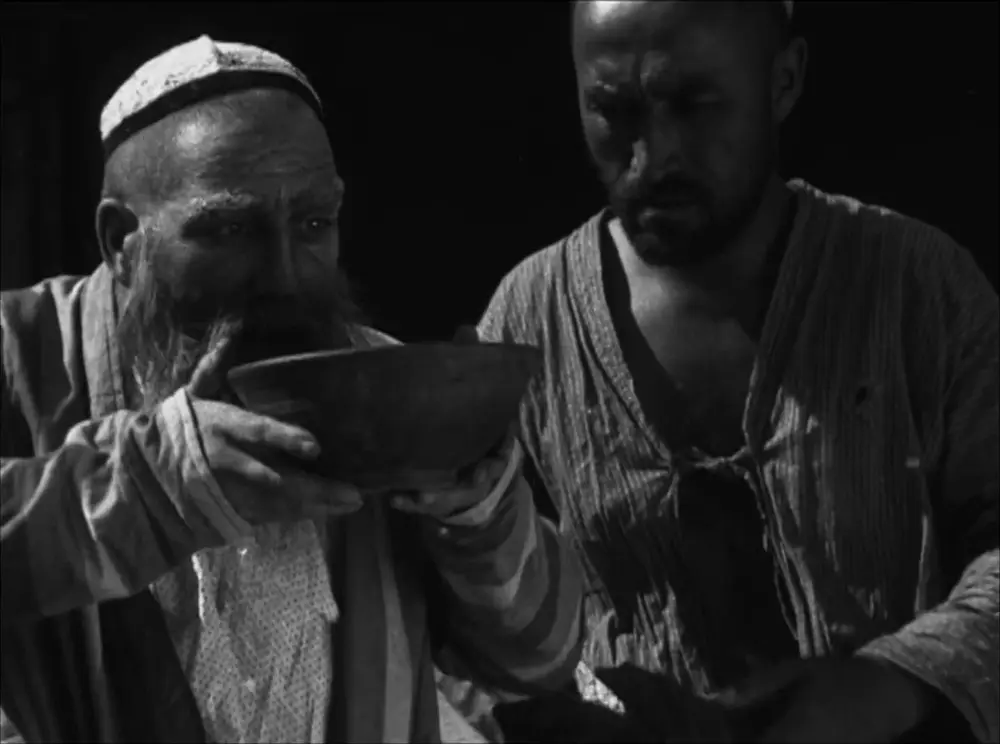
One of the most striking sequences involves Jalil attempting to trade his remaining livestock for information. The negotiation is filmed in tight close-ups, emphasizing the claustrophobia of his situation. You can feel the heat and the desperation. It’s a moment that highlights the film's central theme: in a world of scarcity, even human connection becomes a commodity. This cynical outlook is a sharp contrast to the more moralistic tones of The Silent Lie.
Sobborey’s direction is remarkably modern for its era. She uses deep focus to show the vastness of the landscape behind the characters, making them look small and insignificant. This isn't just a stylistic choice; it's a philosophical one. The characters are dwarfed by their environment and their history. There is a brutal simplicity to the framing. One shot of Jalil standing alone on a ridge, silhouetted against a grey sky, stays with you long after the credits roll. It is a image of total, crushing solitude.
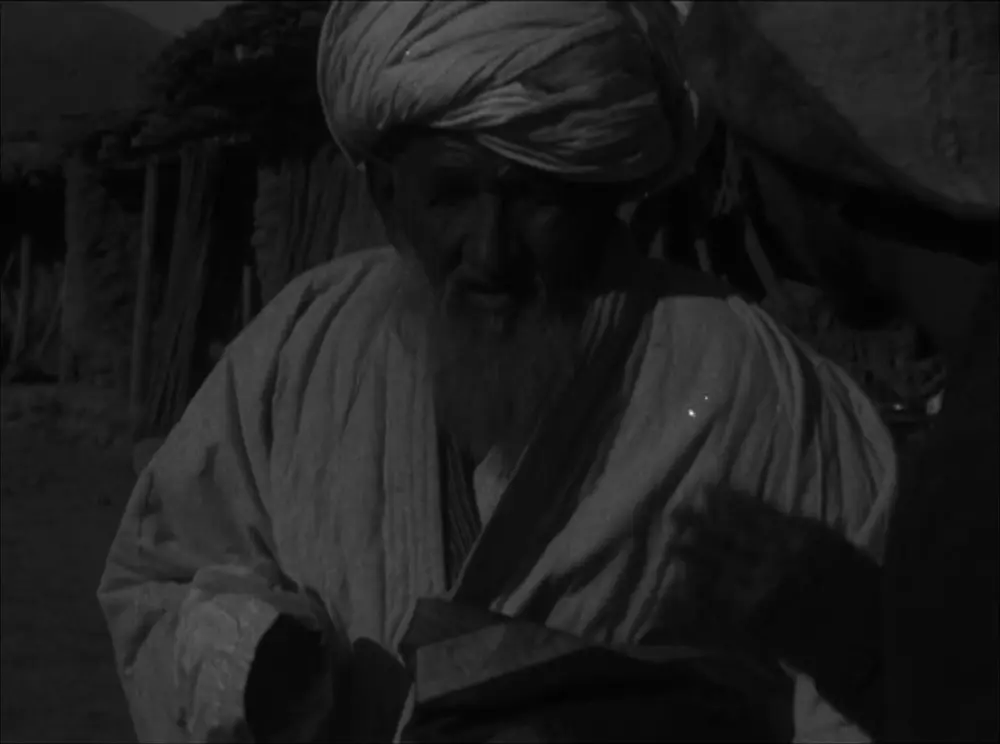
The pacing, however, will be the biggest hurdle for contemporary audiences. The film doesn't move; it crawls. This is intentional—it mimics the slow, agonizing passage of time for a man who has lost his purpose—but it requires a level of focus that many will find taxing. If you go in expecting the narrative drive of something like The Brand of Satan, you will be disappointed. Shakaly Ravata is interested in the texture of life, not the beats of a plot.
What makes Shakaly Ravata unique in the landscape of early 20th-century drama? It is the film's refusal to offer a traditional catharsis. Most family dramas of this period lean toward a moral resolution where the virtuous are rewarded. Shakaly Ravata suggests that virtue is a luxury that people like Jalil simply cannot afford. It is a film that asks difficult questions about survival and the cost of love in a broken system.
If you are a student of cinema history or someone who appreciates films that prioritize atmosphere over action, then yes, it is essential viewing. It provides a rare glimpse into a culture and a setting that are seldom explored with this level of unflinching honesty. However, if you prefer your dramas with a side of hope and a clear sense of justice, you might find this experience more draining than rewarding. It is a heavy lift, but for the right viewer, the weight is worth it.
The performances, particularly from Khalil Jalilov and K. Pimenova, are grounded and devoid of the theatrical overacting common in the era. The film’s commitment to its setting is absolute; you can almost feel the dust on the screen. It also tackles complex themes of social hierarchy and debt with a nuance that rivals The Merchant of Venice, but without the benefit of Shakespearean artifice. The score, when it does appear, is used with surgical precision to heighten the tension rather than dictate the emotion.
The narrative structure is undeniably loose. There are moments where the film feels like it is stalling for time, and several supporting characters are introduced only to vanish without a trace. This can make the viewing experience feel disjointed. Additionally, the sheer bleakness of the story may be overwhelming for some; there is very little light to be found in Rawat, and Sobborey doesn't seem interested in providing any. It is a grueling watch.
Shakaly Ravata is a difficult, uncompromising film that demands your full attention. It is a work of significant artistic merit that manages to be both a specific cultural artifact and a universal story of human struggle. It isn't 'fun' in any traditional sense of the word. It is a cinematic endurance test that leaves you feeling parched and contemplative. The dirt is real. The sweat is real. The failure is real. It works because it doesn't care if you like it; it only cares that you see it. It is flawed, occasionally frustrating, but ultimately unforgettable. If you have the patience, the journey to Rawat is one you should take at least once.
IMDb 5
1924
Community
Log in to comment.