DbcultAccessing Vault...
4.7/10
Senior Film Conservator
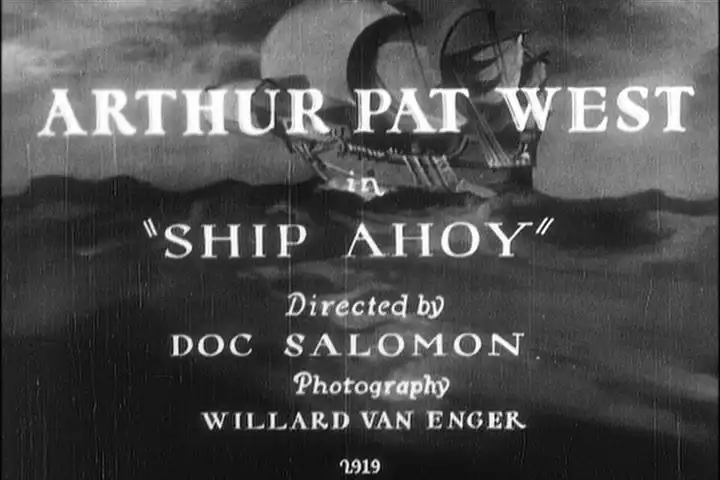
A definitive 4.7/10 rating for a film that redefined the boundaries of cult cinema. Ship Ahoy remains a cornerstone of transgressive art.
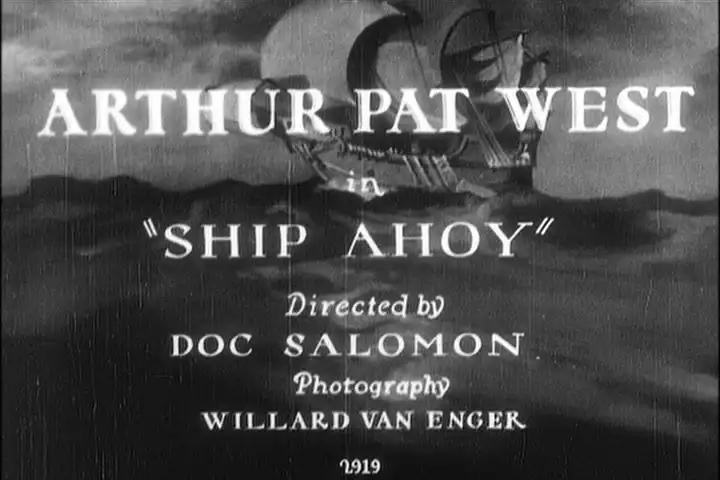
Okay, so 'Ship Ahoy' from way back in 1929? Look, this one isn't for everyone, not by a long shot. If you're into seeing how movies learned to talk, or just curious about the real old stuff, you might find something here. But if you're hoping for a gripping story or smooth visuals, you'll probably bounce right off it. Seriously, don't expect a modern movie here. 🙅♀️
This little picture is a pure product of its time. It’s a snapshot of cinema just as it was figuring out how to use microphones. You can almost feel the filmmakers going, 'Okay, so we can record voices now. What next?'
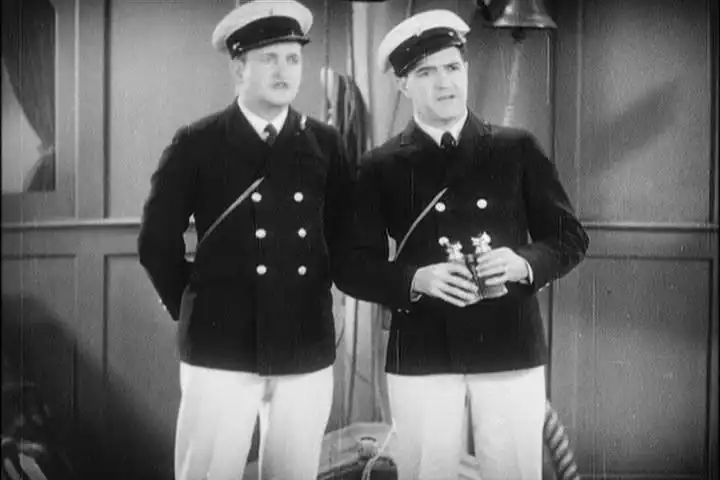
The premise is pretty light: just some folks on a ship, doing ship things, and breaking into song. You have Harris Gordon, Pat West, and Sidney D'Albrook trying their best. And honestly, for 1929, 'best' means something a bit different than today.
Harris Gordon, he's got this sort of dashing-but-slightly-goofy energy. You can tell he’s used to performing for a crowd that can’t hear his voice. His movements are still *big*, you know? Like he’s trying to reach the back row of a theater.
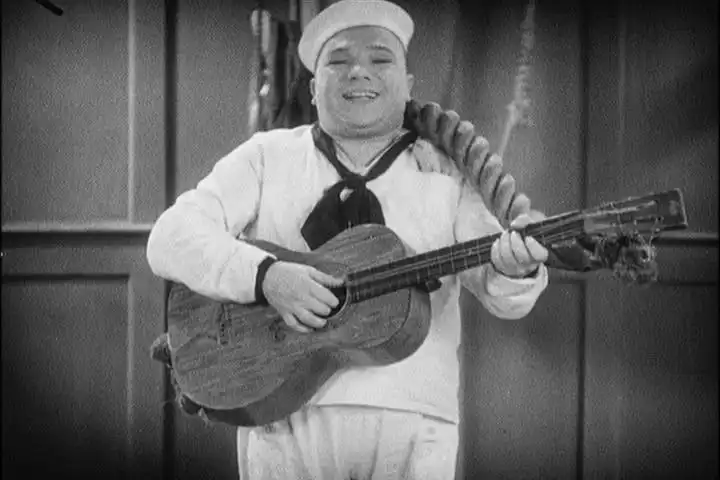
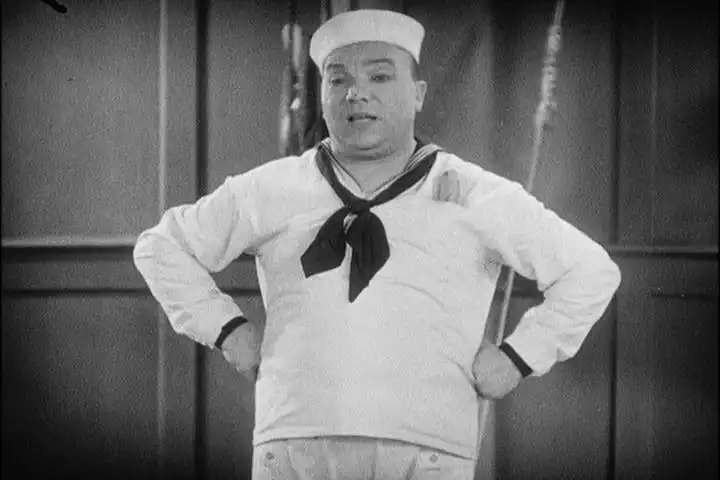
Pat West, on the other hand, is a bit of a hoot. He's the one who mostly sells the comedy bits. There’s a scene where he’s trying to mop the deck, and it goes exactly as wrong as you’d expect. The way he slips and slides, it’s classic physical comedy, even if the sound of the splash feels a bit delayed.
And the sound! Oh, the sound. It's often muddy, sometimes a little tinny. You hear the dialogue, sure, but it feels like it’s coming from another room. Sometimes a character will whisper, and it’s surprisingly clear, then someone else shouts, and it gets all distorted. It's a bit of a trip. 🔊
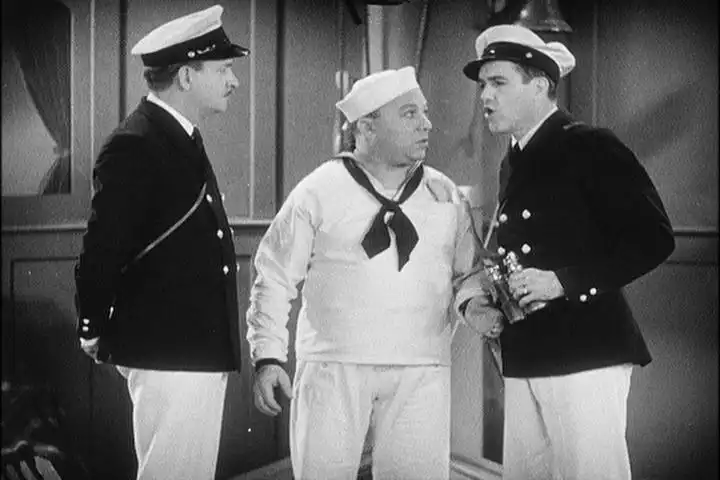
The story? It's there, but it’s mostly an excuse for musical numbers and some lighthearted antics. Think vaudeville act stretched out into a short film. There isn't really a huge conflict, just… things happening on a ship. Someone sings, someone dances, someone makes a silly face. Rinse and repeat.
One specific moment stuck with me: there's this close-up on Sidney D'Albrook, who plays a more serious role. He’s trying to deliver a dramatic line, but the camera is *so close* to his face, and his eyes are darting around. It feels less intense and more like he’s trying to remember his lines while staring directly into the lens. A little awkward, almost endearing. 😂
The pacing is… well, it’s 1929. Things move at their own speed. Even for a short, it feels like it takes its time. There are moments of almost uncomfortable silence when you expect something to happen, and then it just… doesn't. Or a song starts completely out of nowhere.
The sets are what you'd expect: pretty simple, clearly indoors. The 'ocean' outside the portholes looks very much like a painted backdrop. But that’s part of the charm, isn't it? It’s not trying to fool you into thinking it’s real; it’s just presenting a stage.
This film is a neat little time capsule. It shows you the beginnings of a huge shift in cinema. You’re watching the infancy of sound film, with all its clumsy charm and technical hurdles. It’s not a masterpiece, no, but it’s a fascinating glimpse. It’s like finding an old, slightly scratched record that still plays a pretty tune. 🎶
IMDb —
1918
Community
Log in to comment.