DbcultAccessing Vault...
Cult Review
Senior Film Conservator
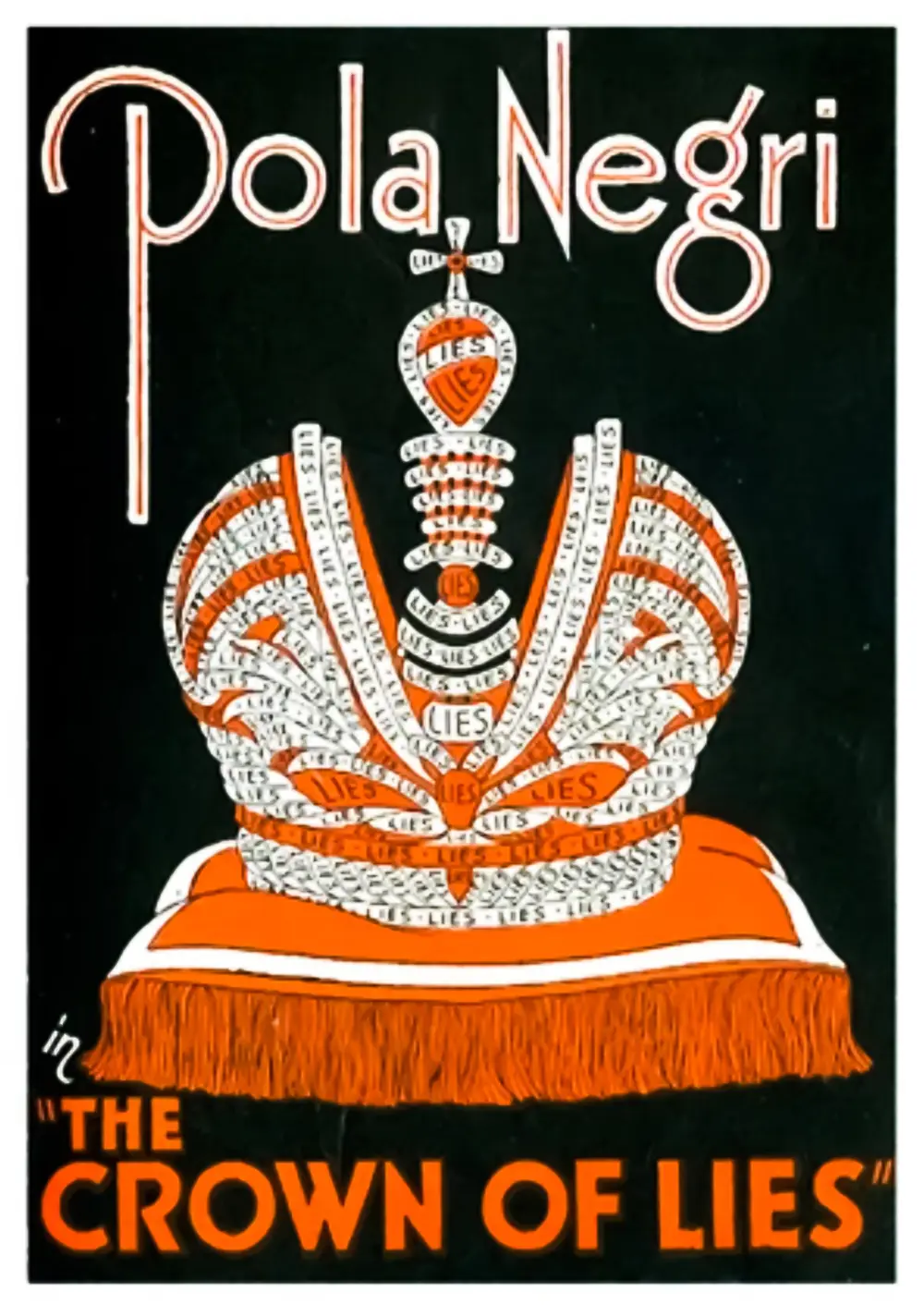
Short answer: Yes, but it's a curious and flawed silent film that might not appeal to all audiences. 'The Crown of Lies' is a 1927 silent film that, despite its age and peculiar storyline, offers a glimpse into the early days of cinema and the often whimsical nature of its narratives. This film is particularly intriguing for those with a keen interest in early Hollywood and its forays into fantasy and melodrama, but it might not be to everyone's taste.
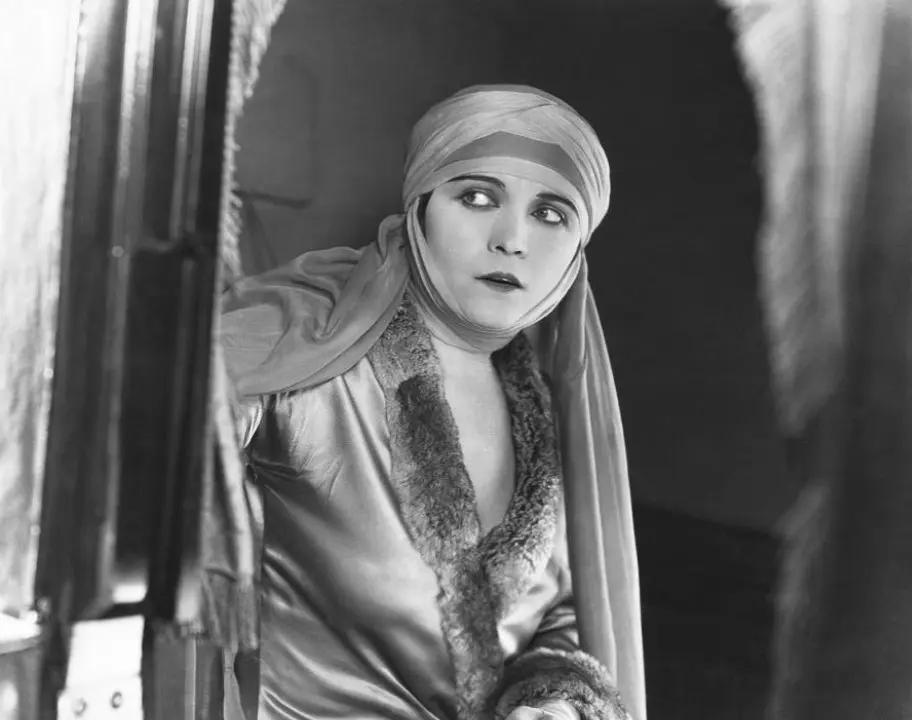
This film works because of its imaginative storyline and the performances of its cast. The plot, though convoluted, is full of surprises and offers a delightful mix of fantasy and melodrama. The performances, especially from May Foster as Olga Kriga, are engaging and help carry the story through its many twists and turns. However, the pacing and editing can feel uneven, and the film occasionally struggles with its lack of a cohesive tone.
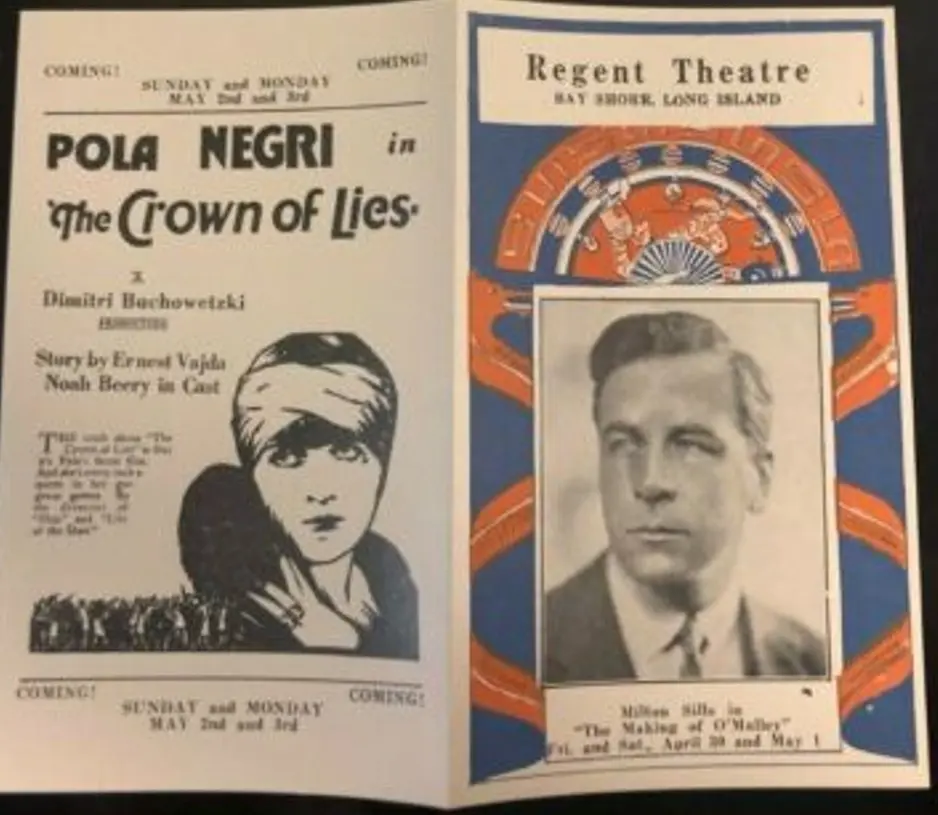
This film fails because of its uneven pacing and a lack of a cohesive tone. The film moves from one bizarre situation to another, often with little connection between them, which can make the narrative feel disjointed. The silent film format, while fascinating, can be a challenge for modern audiences who are not used to watching movies without sound. The film's direction and cinematography, while competent, do not elevate the story to a level that makes up for its flaws.
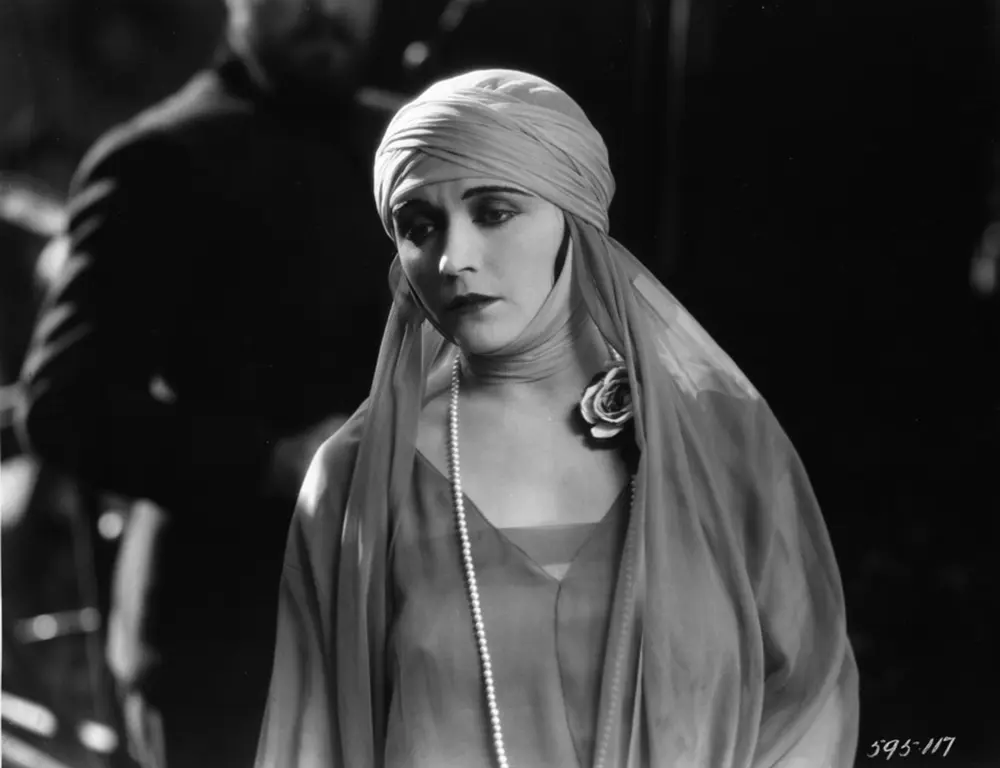
You should watch it if you are a fan of early Hollywood, silent films, or enjoy quirky and imaginative narratives. This film is a rare gem that offers a fascinating look into the early days of cinema. It might not be to everyone's taste, but for those interested in the history of film, 'The Crown of Lies' is a worthwhile watch. However, if you prefer more grounded or contemporary storytelling, you might find this film to be too whimsical and unconventional.
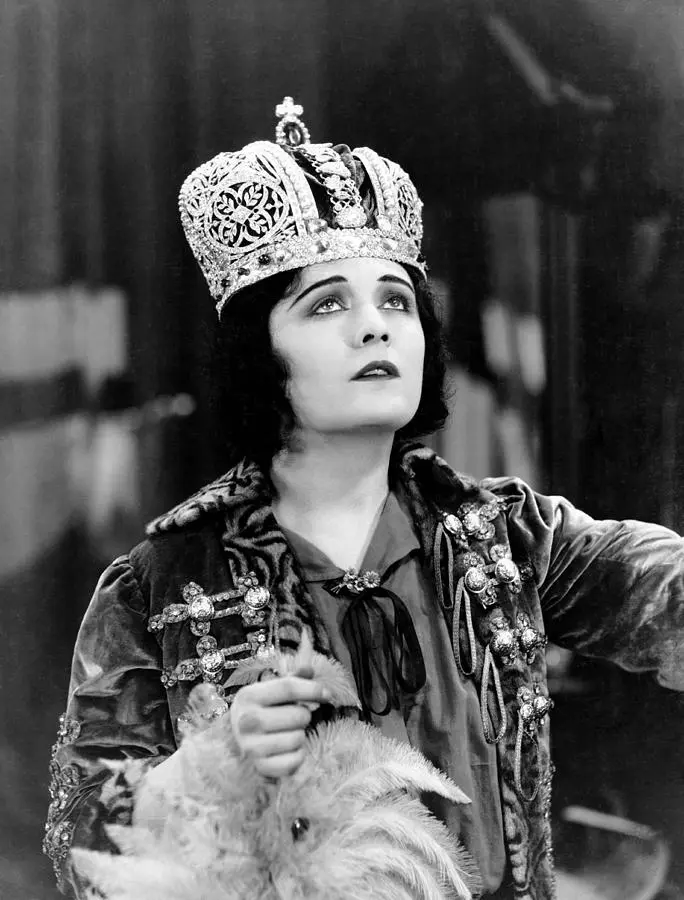
May Foster delivers a standout performance as Olga Kriga, bringing a sense of vulnerability and determination to her role. Her interactions with the other characters, especially her admirer, John Knight, are compelling. The supporting cast, including Pola Negri and Cissy Fitzgerald, also contribute to the film's energy, although some of their scenes feel less developed.
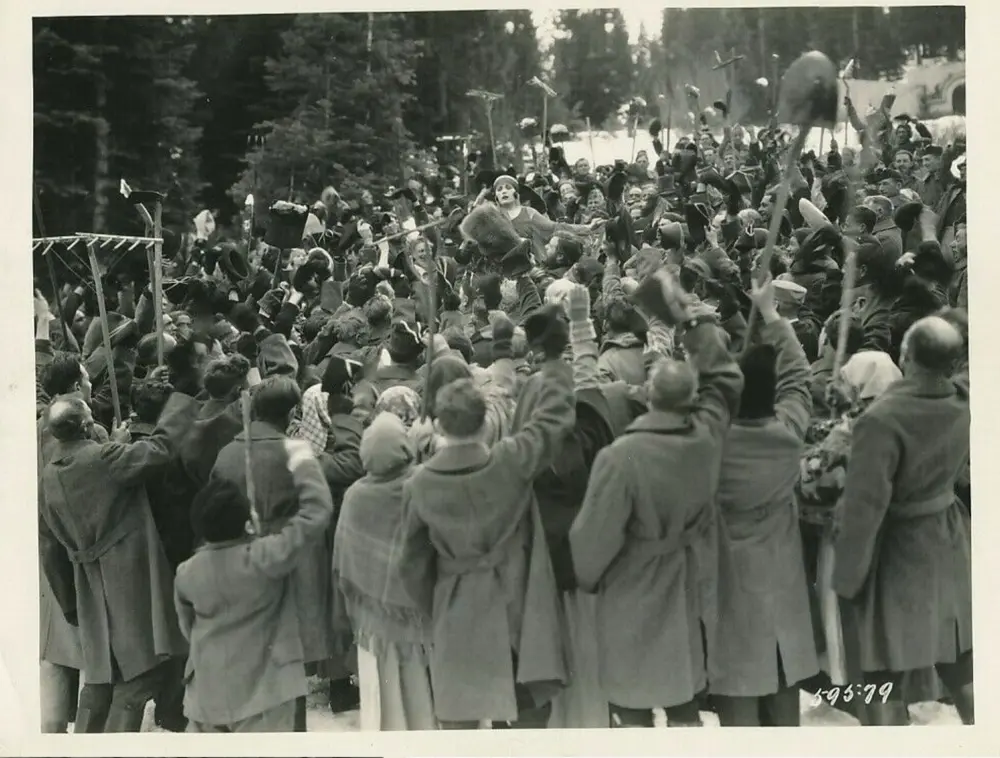
Ernest Vajda's direction is competent but lacks the flair that might have elevated the film's more ambitious moments. The cinematography, by Arthur Hoyt, captures the exotic settings and the grandiose nature of the story. However, the film's lack of a cohesive visual style can make it feel less polished than more modern films.
The film's pacing is uneven, with some scenes feeling rushed while others drag. The tone shifts between melodrama and fantasy, which can be jarring. The film's reliance on visual storytelling and the limited dialogue can make it challenging to follow at times, especially for modern viewers who are used to more dialogue-driven narratives.
'The Crown of Lies' is part of a genre of early Hollywood films that often combined elements of fantasy and melodrama. Films like 'Hearts and Flowers' (1920) and 'The Masqueraders' (1923) share similar themes of mistaken identity and unconventional narratives. However, 'The Crown of Lies' stands out for its more ambitious and fantastical elements, which are both its strength and its weakness.
For those interested in the early days of cinema and the quirkiness of silent films, 'The Crown of Lies' is definitely worth a watch. It offers a fascinating glimpse into the imagination and storytelling techniques of the early 1920s. However, if you prefer more grounded or contemporary storytelling, you might find this film to be too whimsical and unconventional. It's a film that requires an open mind and a willingness to embrace its peculiarities, but it rewards those who do.
It works. But it’s flawed. 'The Crown of Lies' is a curious and imaginative film that offers a fascinating look into the early days of cinema. While it might not be to everyone's taste, it is a worthwhile watch for those interested in the history of film and the whimsical nature of early Hollywood storytelling.
IMDb —
1920
Community
Log in to comment.