A definitive 6.9/10 rating for a film that redefined the boundaries of cult cinema. Should Husbands Be Watched? remains a cornerstone of transgressive art.
Should you watch Should Husbands Be Watched? today? Short answer: yes, but with the understanding that you're engaging with a specific slice of cinematic history. This 1925 silent comedy, starring the inimitable Charley Chase, is a delightful, if slight, peek into the domestic farces that captivated audiences a century ago, but it certainly isn't for everyone.
This film is an absolute must-see for devotees of silent-era slapstick and those keen to understand the foundations of comedic timing and physical performance. However, if you're accustomed to complex narratives, deep character development, or simply prefer dialogue-driven storytelling, this brief, episodic romp might feel more like a historical curiosity than engaging entertainment. It works. But it’s flawed.
This film works because: It masterfully showcases Charley Chase's understated yet brilliant physical comedy and his ability to convey character through subtle expressions amidst chaos, making the familiar premise feel fresh for its time.
This film fails because: Its reliance on a simple, predictable domestic misunderstanding, while charming, offers little in the way of thematic depth or surprising narrative turns that might resonate strongly with a contemporary audience beyond historical appreciation.
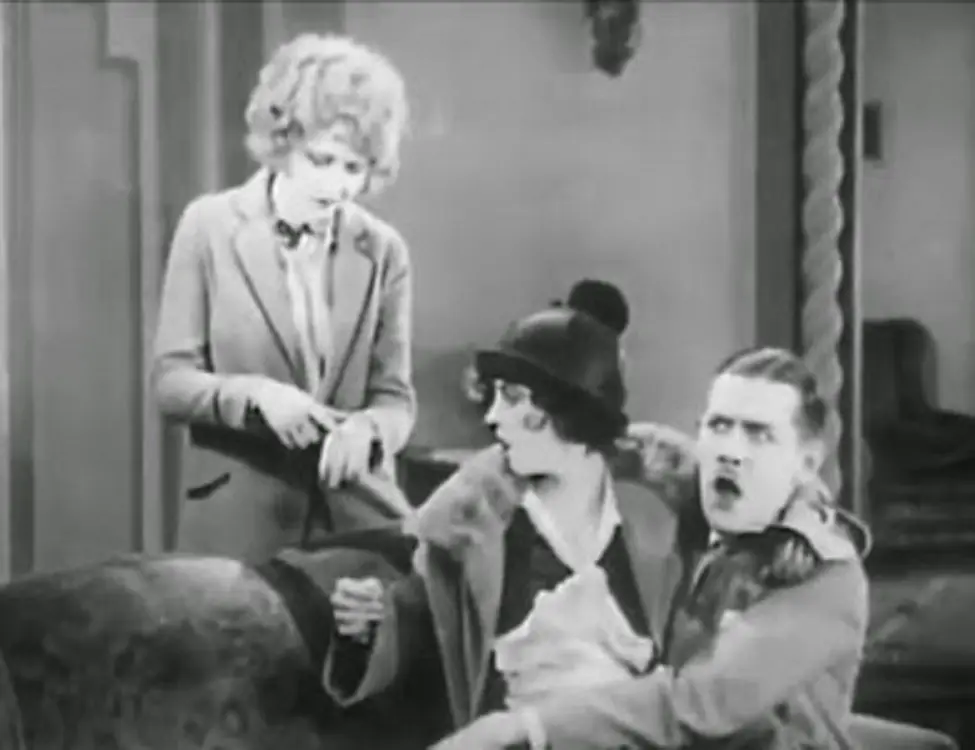
Scene from Should Husbands Be Watched?
Cinematic perspective: Exploring the visual vocabulary of Should Husbands Be Watched? (1925) through its definitive frames.
You should watch it if: You have an appreciation for the mechanics of silent comedy, enjoy character-driven physical humor, or are a student of early cinematic techniques and performances, particularly from a comedic legend like Charley Chase.
Is This Film Worth Watching Today?
For many, diving into a 1925 silent comedy can feel like stepping into an archaeological dig. Yet, Should Husbands Be Watched? offers more than just historical value; it provides genuine moments of comedic brilliance that transcend the decades. It’s a foundational text for anyone interested in the evolution of visual humor.
Charley Chase, a performer often overshadowed by contemporaries like Keaton and Chaplin, demonstrates here why his unique brand of 'everyman' comedy was so potent. His ability to react to absurd situations with a relatable blend of bewilderment and earnestness is the film's undeniable anchor. This isn't grand spectacle; it's intimate, domestic chaos.
However, the film’s brevity and its reliance on a single, albeit effective, comedic premise – marital suspicion – mean that it doesn't offer the layers of emotional resonance or the innovative storytelling found in longer, more ambitious silent features. It’s a quick, punchy laugh, not a profound experience. And there's nothing wrong with that.
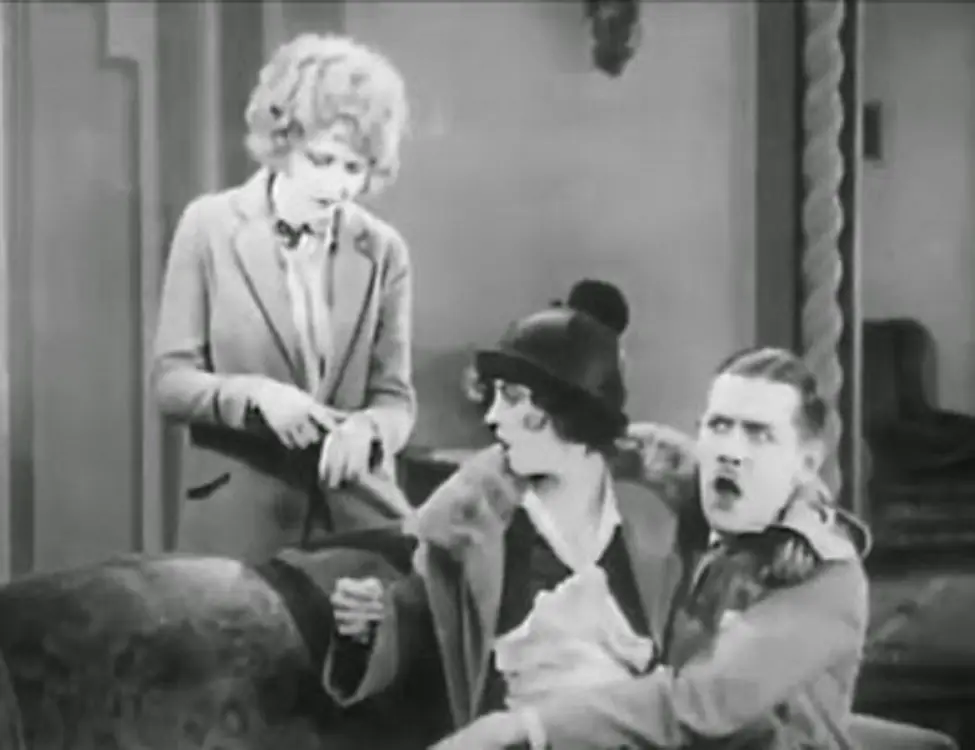
Scene from Should Husbands Be Watched?
Cinematic perspective: Exploring the visual vocabulary of Should Husbands Be Watched? (1925) through its definitive frames.
Plot & Premise: A Domestic Farce in Miniature
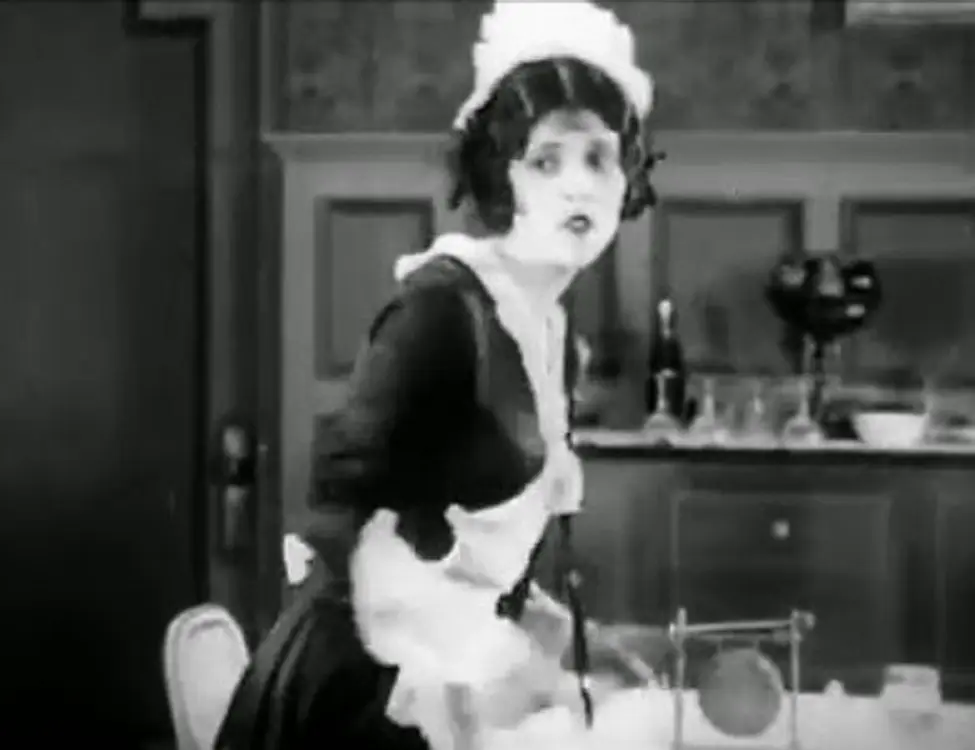
The narrative engine of Should Husbands Be Watched? is delightfully simple, almost archetypal. Mr. Jump, played by Charley Chase, unexpectedly comes into money. His first act of newfound affluence is to hire a maid, a decision meant to elevate his wife, Mrs. Jump (Katherine Grant), from the daily grind of housework. It’s a gesture of modern convenience, a step up in social standing.
But this seemingly innocuous introduction of domestic help, personified by Olive Borden's character, quickly unravels the marital tranquility. Mrs. Jump, observing the interactions between her husband and the new maid, begins to harbour a potent, escalating suspicion that Mr. Jump is engaging in more than just supervisory duties. This suspicion, unfounded yet entirely believable within the comedic framework, propels the entire short film.
The film leans heavily on the visual language of suspicion: furtive glances, exaggerated reactions, and physical comedy born from misunderstanding. It's a classic setup, explored endlessly in comedy, but here stripped down to its most fundamental elements. The beauty lies in its economy of storytelling; every glance, every dropped item, every hurried exit serves to escalate Mrs. Jump's paranoia.
What's perhaps most interesting is how the film plays with audience expectation. We, as viewers, are privy to Mr. Jump's relatively innocent, if sometimes clumsy, actions. Yet, we understand Mrs. Jump's perspective, her rapid descent into a convinced state of infidelity. This dramatic irony is the very core of its comedic success, inviting us to laugh at the predicament while subtly acknowledging the anxieties of domestic life in any era.
Performances: The Silent Stars Shine
The strength of any silent film rests squarely on the shoulders of its performers, and