DbcultAccessing Vault...
6.7/10
Senior Film Conservator
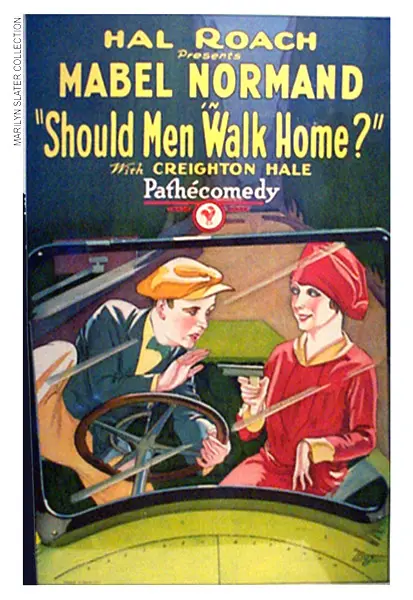
A definitive 6.7/10 rating for a film that redefined the boundaries of cult cinema. Should Men Walk Home? remains a cornerstone of transgressive art.
Is 'Should Men Walk Home?' worth watching today? Short answer: yes, but with significant caveats. This silent comedy romp is a fascinating historical artifact and a showcase for Mabel Normand's undeniable charisma, making it a must-see for silent film enthusiasts and those curious about the roots of physical comedy. However, its episodic structure and dated comedic sensibilities mean it's likely to test the patience of casual viewers accustomed to modern narrative pacing and humor.
This film works because of Mabel Normand’s magnetic screen presence and the sheer, unadulterated energy of its physical comedy. It fails because its narrative cohesion often takes a backseat to a series of gags, and the print quality available for viewing can sometimes detract from the experience. You should watch it if you appreciate the artistry of early cinema, the pioneering work of female stars, and the raw, unpolished charm of pre-Code slapstick.
Mabel Normand, a name that echoes with the early raucous laughter of cinema, is the undeniable epicenter of 'Should Men Walk Home?'. Her performance here is less about nuanced character development and more about pure, unadulterated star power. As the irresistible pickpocket, she embodies a specific kind of early film heroine: mischievous, resilient, and utterly charming. There’s a palpable joy in her movement, a kinetic energy that translates even through the flickering, aged celluloid.
Normand’s physical comedy is precise yet spontaneous. Watch her initial interactions on the roadside, hitchhiking with an almost balletic grace, or the way she effortlessly lifts wallets with a flick of the wrist. It's not just the gags themselves, but the effortless way she executes them, often with a sly smile that hints at a deeper intelligence beneath the surface-level antics. She’s a performer who understands the camera, playing directly to it, inviting the audience into her playful transgressions.
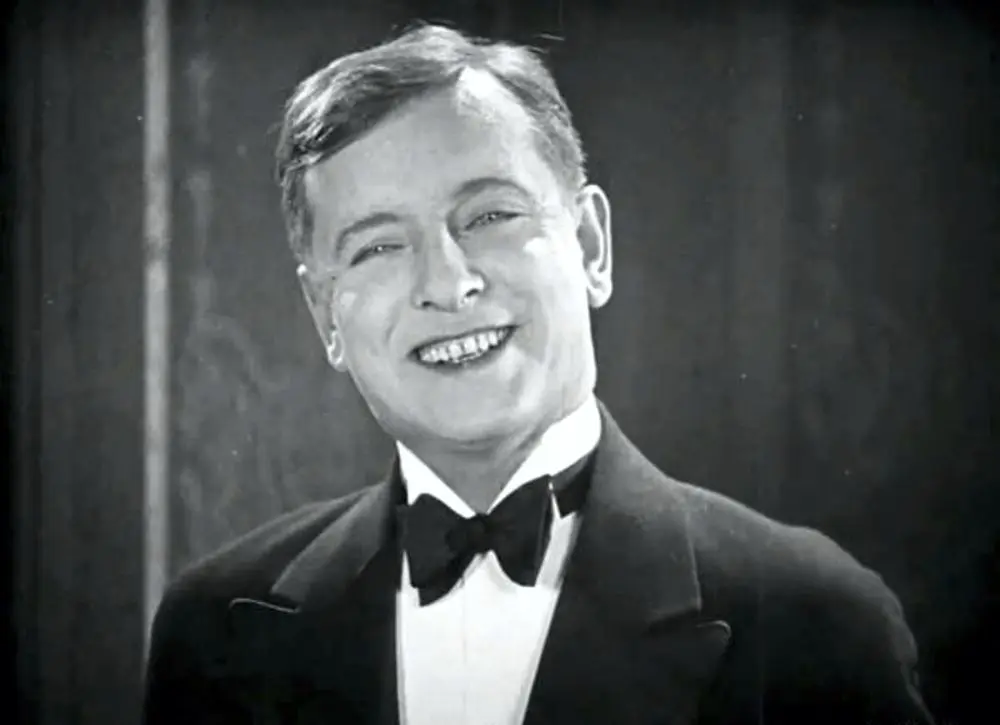
Creighton Hale, as the jewel thief who becomes her accomplice, provides a suitable foil. His character is more reserved, a debonair criminal who finds himself charmed and occasionally flummoxed by Normand's character. Their chemistry isn't romantic in a traditional sense, but rather a delightful clash of personalities – her street smarts against his suave cunning. It's a dynamic that could easily feel forced, but under Normand's influence, it feels organic and genuinely amusing.
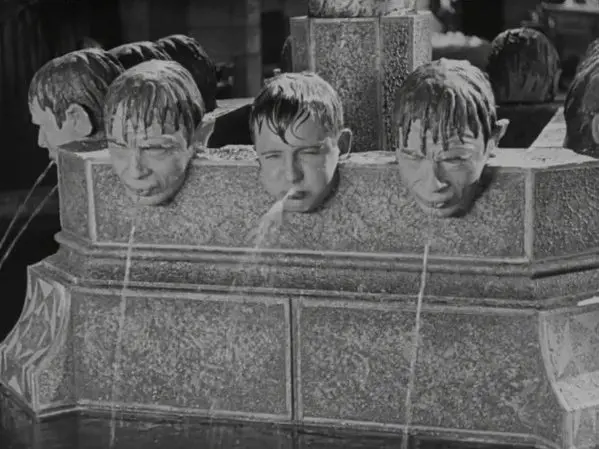
The supporting cast, including a brief appearance by Oliver Hardy, mostly serve as targets for gags or reactionary figures. They are caricatures, designed to facilitate the rapid-fire comedic setups. Hardy, even in his smaller role, shows glimmers of the slow-burn exasperation that would later define his iconic partnership with Stan Laurel. It’s a treat for film historians to spot these nascent talents.
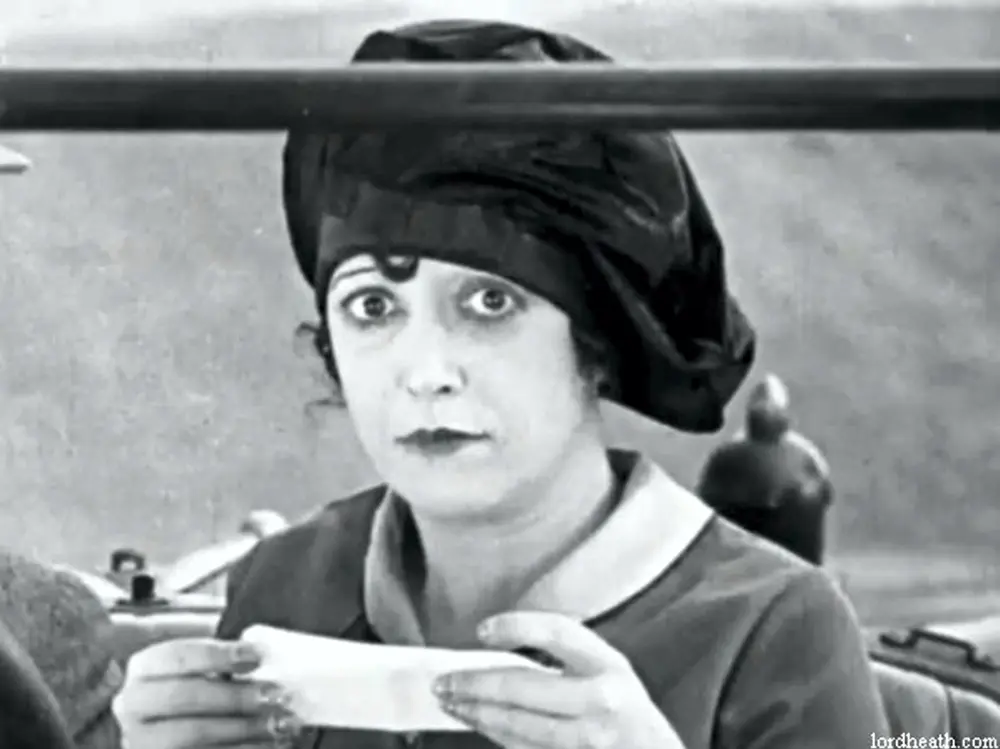
However, the film undeniably rests on Normand's shoulders. Without her, it would likely be a forgettable series of slapstick routines. With her, it transforms into a vibrant, albeit slight, piece of cinema history. Her ability to command the screen, to convey emotion and intention without a single spoken word, is a testament to her unique talent and explains why she was such a colossal star in her era.
Credit for the frenetic energy and episodic structure of 'Should Men Walk Home?' goes to the directorial team of Alfred J. Goulding, H.M. Walker, and Albert Austin. This multi-director approach, common in early studio systems, often led to a patchwork feel, and this film is no exception. While it doesn't boast a singular, cohesive directorial vision, it excels in delivering a relentless stream of comedic set pieces.
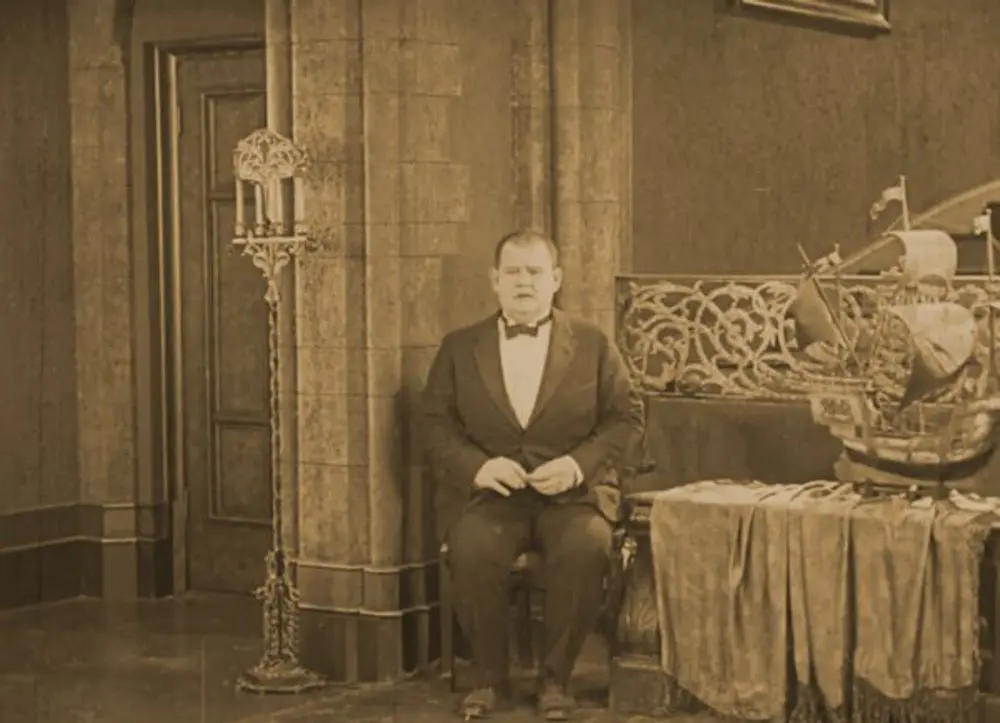
The pacing is brisk, almost breathless. Scenes rarely linger, moving quickly from one gag to the next, which is a double-edged sword. On one hand, it keeps the audience engaged, preventing any single joke from overstaying its welcome. On the other, it sacrifices deeper character interaction or narrative development. The film feels less like a story and more like a carefully curated collection of comedic vignettes.
The tone is lighthearted and anarchic, typical of silent-era comedies. There’s a disregard for realism that allows for outlandish situations and exaggerated reactions. The directors lean heavily into visual humor, understanding that in a silent medium, clarity of action and expression is paramount. A particular highlight is the sequence where Normand’s character navigates a crowded society party, her movements a blend of elegant charm and hidden thievery, demonstrating a clear understanding of comedic timing through blocking and editing.
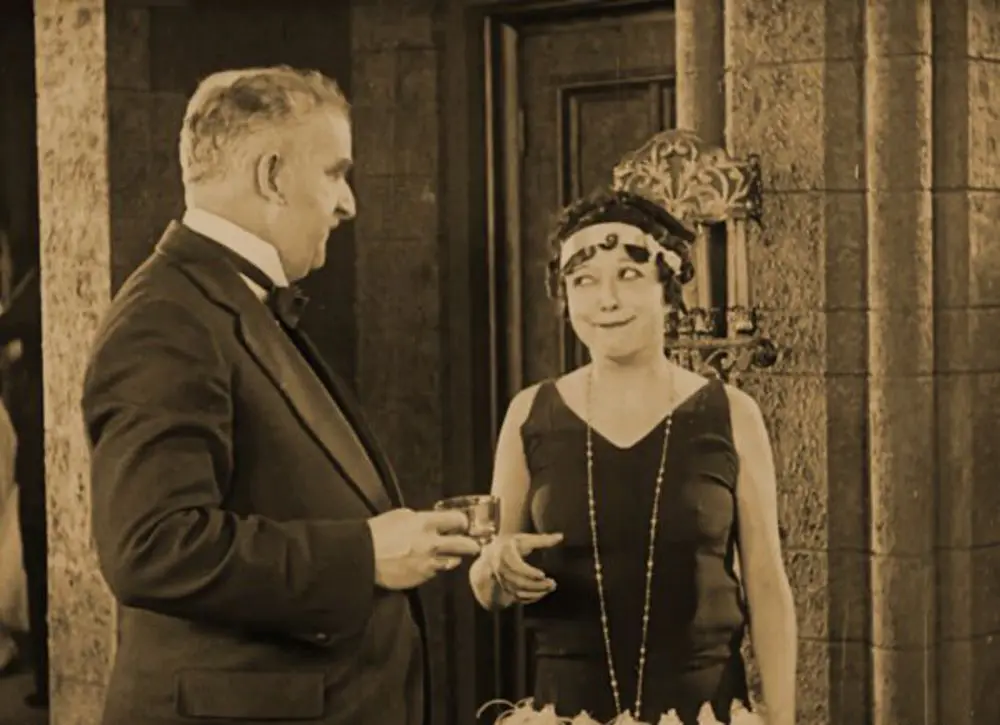
There's an interesting tension between the film's premise – a pickpocket and jewel thief operating in high society – and its execution. One might expect a more intricate plot, perhaps a caper with twists and turns. Instead, the film opts for a simpler approach: establish the characters, put them in a fancy setting, and let the chaos ensue. This isn't necessarily a flaw, but it does highlight the film's priorities, which are squarely on laughs rather than narrative complexity. It's a choice that reflects the era's preference for immediate gratification over sustained suspense.
The direction effectively utilizes the ensemble, even if many are simply props for the main performers. The reaction shots from the unwitting members of high society are often as funny as the actions of the protagonists. This ensemble work, orchestrated by the multiple directors, ensures that the comedic energy remains high throughout its relatively short runtime.
The cinematography in 'Should Men Walk Home?', while not groundbreaking, perfectly serves its comedic purpose. The camera is largely static, offering wide shots that allow the physical comedy to unfold within the frame. This approach, common in early cinema, is essential for slapstick, as it allows the audience to see the full scope of the action, from the setup to the punchline, without disorienting cuts.
There are moments, however, where the camera work feels surprisingly dynamic for its time. Quick pans follow Normand’s nimble movements, particularly during her pickpocketing escapades. These subtle shifts in perspective enhance the sense of urgency and mischief. The lighting is functional, brightly illuminating the sets and characters, ensuring every gag is visible, even in the often-poorly preserved prints available today.
The staging of scenes is where the film truly shines visually. The art direction, though simple, effectively creates the contrast between the rough-and-tumble world of the street and the opulent, if somewhat generic, setting of the society party. The costumes are also key, particularly Normand's elegant attire once she infiltrates high society, which cleverly masks her illicit activities while highlighting her transformation.
Consider the scene where Mabel’s character attempts to steal a necklace during a dance. The camera holds a medium shot, allowing us to appreciate the intricate choreography of her movements – the feigned stumble, the casual brush, the swift snatch. The background extras continue their dance, oblivious, creating a comedic juxtaposition that is both visually clever and expertly executed. This attention to detail in staging is a hallmark of good silent comedy.
The film’s visual humor relies heavily on exaggeration and repetition. Characters often
IMDb —
1922
Community
Log in to comment.