DbcultAccessing Vault...
6.3/10
Senior Film Conservator
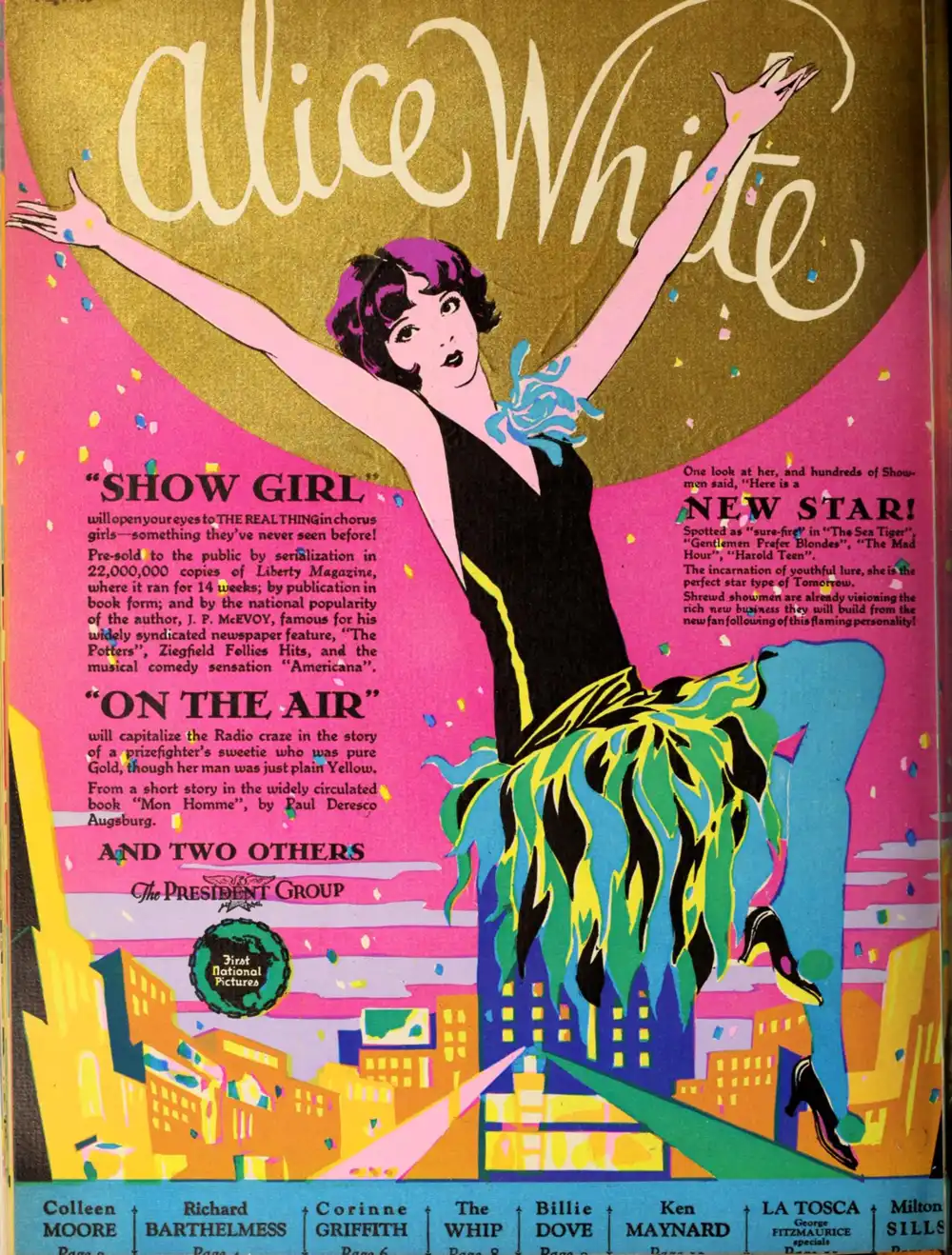
A definitive 6.3/10 rating for a film that redefined the boundaries of cult cinema. Show Girl remains a cornerstone of transgressive art.
"Show Girl" is a film that demands a specific kind of viewer. For those with a genuine interest in the tumultuous transition from silent cinema to talkies, or a fascination with the pre-Code era's burgeoning frankness, it's an absolutely essential watch. It offers a raw, unfiltered look at early Hollywood's attempts to find its voice, both literally and figuratively. However, if you're looking for a polished, fast-paced narrative with modern production values, you'll likely find its charms elusive. Newcomers to classic cinema might struggle with its period-specific pacing and technical limitations, but dedicated cinephiles and fans of early musicals will discover a treasure trove of historical and performative insights.
The film's undeniable focal point is Alice White as Dixie Dugan, an aspiring dancer who fakes her own kidnapping for a publicity boost. White, with her distinctive bob and vivacious screen presence, practically vibrates with ambition. She’s a force, particularly in the musical numbers, where her energy almost bursts through the static camera setups typical of early sound. Her performance is less about subtle emotional arcs and more about raw charisma and physical expression, a holdover from the silent era that she adapts reasonably well to the demands of dialogue. You can see her actively trying to project a modern, flapper sensibility, often punctuating her lines with a quick, almost nervous laugh or a sharp turn of the head that feels very much of its time.
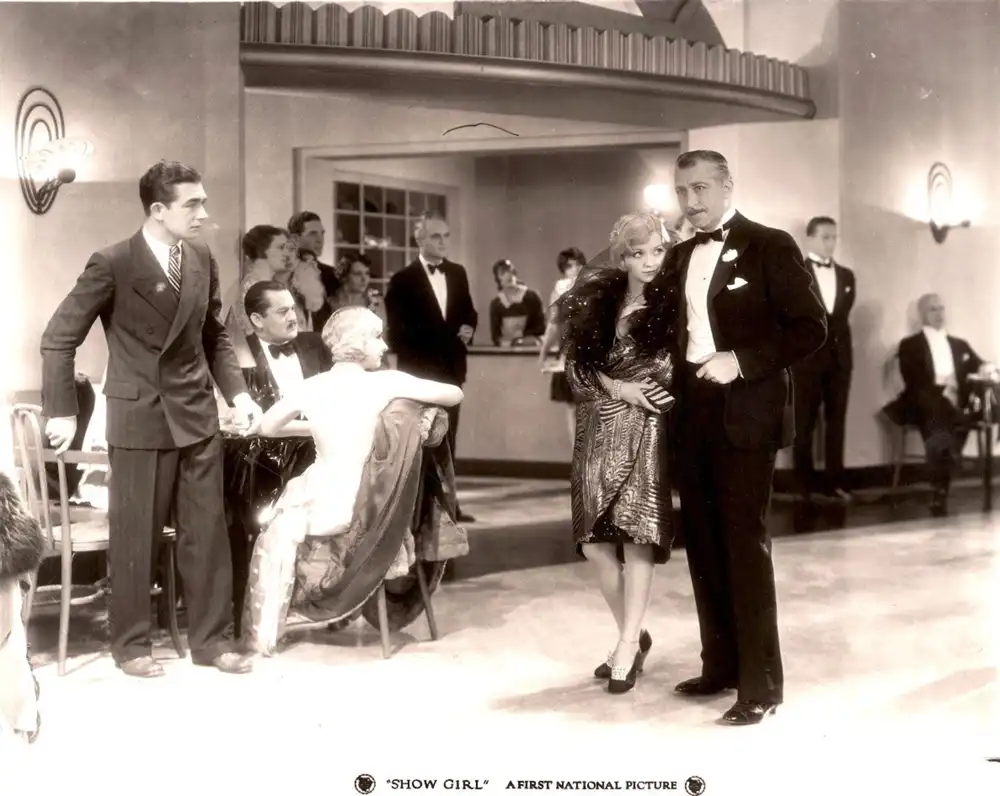
The core conceit – a faked kidnapping – is both the film's most intriguing and most problematic element. When Dixie disappears, the immediate press frenzy feels surprisingly prescient, anticipating the sensationalism that would become a hallmark of celebrity culture. The scene where the newspaper headlines flash across the screen, each more exaggerated than the last, is a clever use of montage that briefly injects a sense of urgency. Yet, the execution of the kidnapping itself often feels more like a stage play than a cinematic event. The interactions between Dixie and her supposed captors, particularly the slightly bemused Spec O'Donnell, lack genuine tension. It’s played for laughs, but the humor sometimes falls flat, making the dramatic stakes feel low.
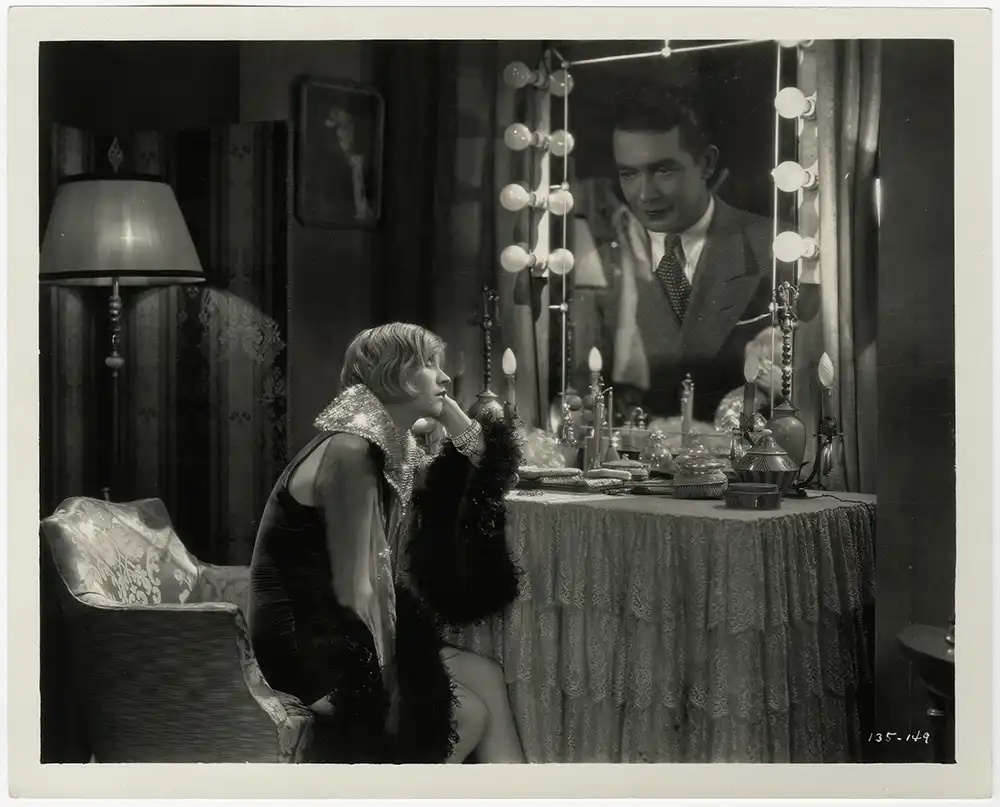
While Alice White carries much of the film's energy, the supporting cast often struggles to keep pace. Charles Delaney, as Dixie's earnest boyfriend Don, feels a generation behind White's modern sensibility. His reactions are often broad and theatrical, reminiscent of silent film acting, which clashes with the nascent naturalism of the talkie era. His initial disbelief and subsequent heartbreak over Dixie's deception are conveyed with a sincerity that borders on woodenness, making it hard to fully invest in their romance. There's a particular scene where he confronts Dixie in her dressing room, his hands clasped awkwardly in front of him, delivering lines with a stilted cadence that highlights the challenges actors faced in adapting to recorded dialogue.
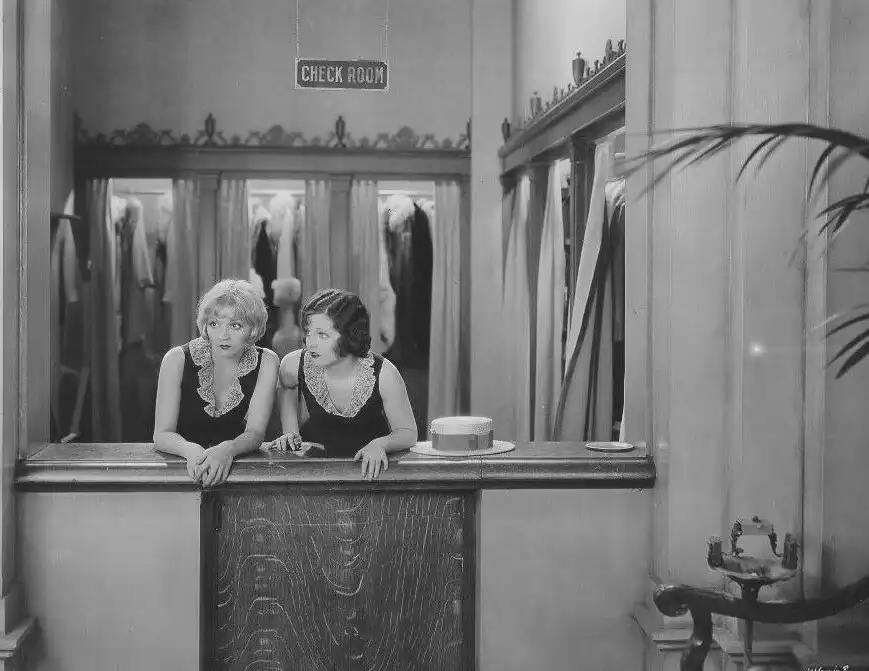
Veteran comedian James Finlayson, known for his work with Laurel and Hardy, makes a brief but memorable appearance. His signature double-take and exasperated mustache twitch are instantly recognizable, providing a few genuine laughs amidst the more labored comedic attempts. It’s a small role, but he brings a much-needed jolt of professional comedic timing that underscores the unevenness of other performances.
Pacing is a significant hurdle for "Show Girl." As an early talkie, the film often succumbs to the limitations of the technology. Scenes frequently linger too long on static shots of characters delivering dialogue, a necessity when microphones were less mobile. This leads to moments where conversations feel more like recited monologues than natural exchanges. The film attempts to break this up with musical numbers, but their integration can feel abrupt. One moment, we're in a dramatic argument, the next, Dixie is belting out a song on a brightly lit stage. These shifts can be jarring, highlighting the industry's experimental approach to blending narrative with musical spectacle.
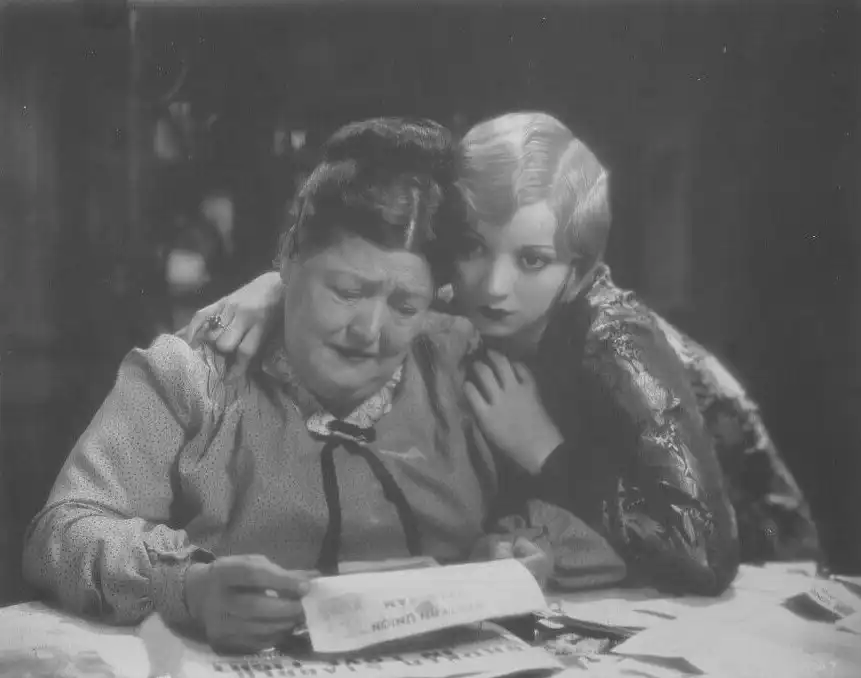
The tone, too, wavers. It starts as a peppy show business comedy, dips into a rather simplistic melodrama during the boyfriend's heartbreak, and then attempts to wrap things up with a feel-good resolution that feels unearned. The film never quite commits to satirizing the cutthroat world of show business, nor does it fully embrace the emotional weight of Dixie's deceit. It hovers awkwardly in between, which makes it feel less impactful than it could have been.
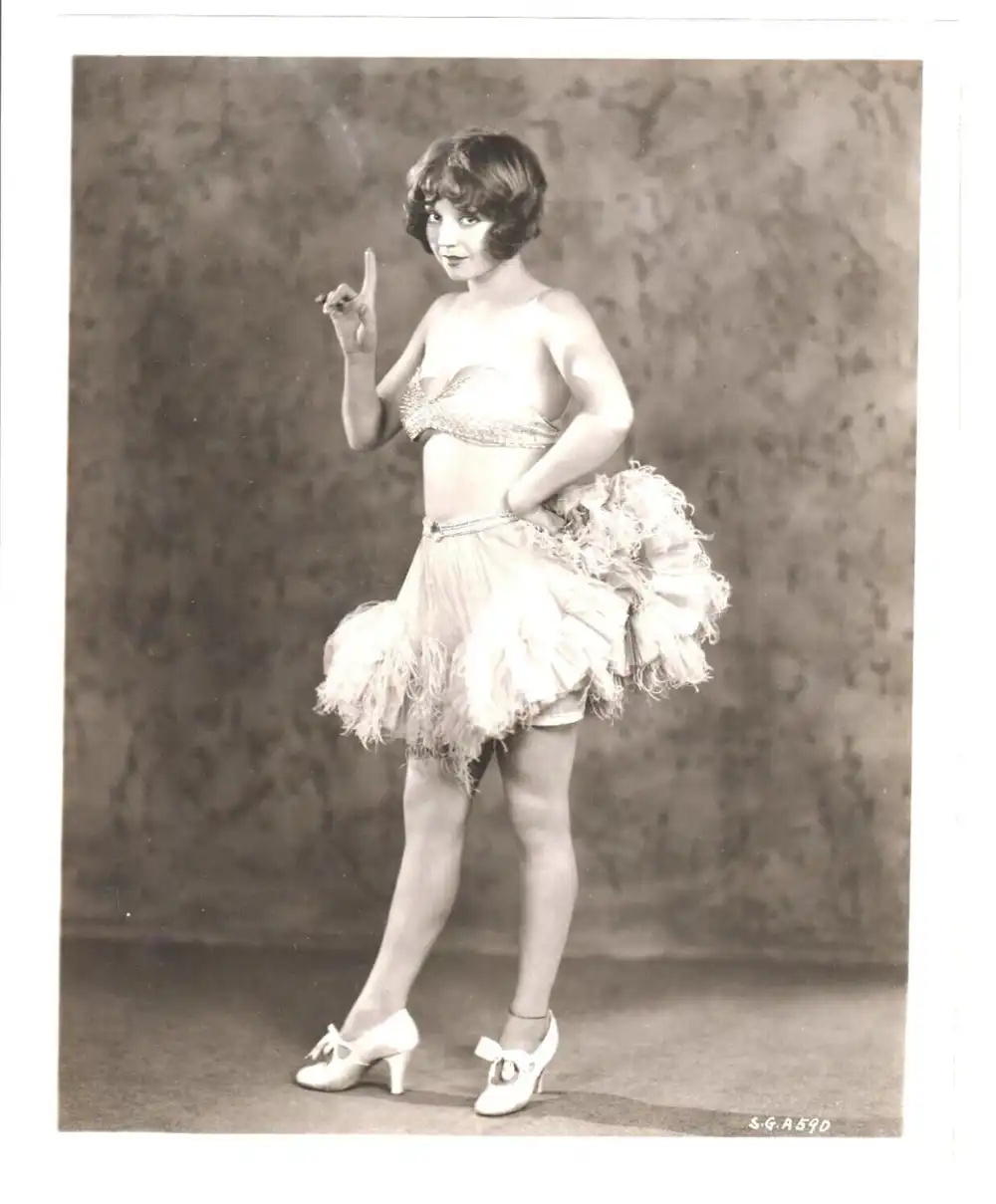
Visually, "Show Girl" is a product of its time. The sets are functional, often feeling like theatrical stages rather than immersive environments. The lighting is generally flat, designed to capture faces clearly for the then-primitive cameras, rather than to create mood or depth. However, there are flashes of visual interest, particularly in the backstage scenes, where the hustle and bustle of chorus girls and stagehands offer a genuine sense of period detail. The costumes, especially Dixie's flapper dresses and the elaborate showgirl outfits, are a visual treat, providing a colorful contrast to some of the more pedestrian dramatic scenes.
The sound quality itself is a fascinating artifact. Dialogue often sounds slightly muffled or tinny, and the occasional synchronization issues are noticeable, especially in wider shots where voices don't quite match lip movements. Yet, this imperfection is part of its charm for a film historian. It's a testament to the sheer audacity of early filmmakers to integrate sound, even with its considerable technical challenges. The musical numbers, while sometimes lacking in audio fidelity, still convey the energy of a live performance, a remarkable feat for the era.
"Show Girl"'s primary strength lies in its historical significance and Alice White's magnetic central performance. It's a valuable document of early Hollywood, capturing the anxieties and excitement of a rapidly changing industry. The film's exploration of celebrity culture, even in its simplistic form, feels remarkably modern. The brief, almost documentary-style shots of Broadway at night, with marquees blazing, offer a genuine sense of place and time.
Its weaknesses are equally apparent: a sometimes plodding pace, uneven performances from the supporting cast, and a narrative that struggles to balance its comedic and dramatic elements. The plot resolution feels a little too neat, sidestepping the deeper implications of Dixie's actions. It's a film that promises a biting satire but delivers a relatively gentle romantic comedy with musical interludes.
Ultimately, "Show Girl" is not a perfect film, but it is an important one. It's a vibrant, if imperfect, snapshot of an industry in flux, showcasing the raw talent of a star like Alice White and the growing pains of a new art form. It's recommended for those who appreciate cinema as a historical artifact, a window into a bygone era, and a testament to the pioneering spirit of early moviemaking. Go in with appropriate expectations, and you'll find plenty to appreciate.
IMDb 5
1931
Community
Log in to comment.