DbcultAccessing Vault...
Cult Review
Senior Film Conservator
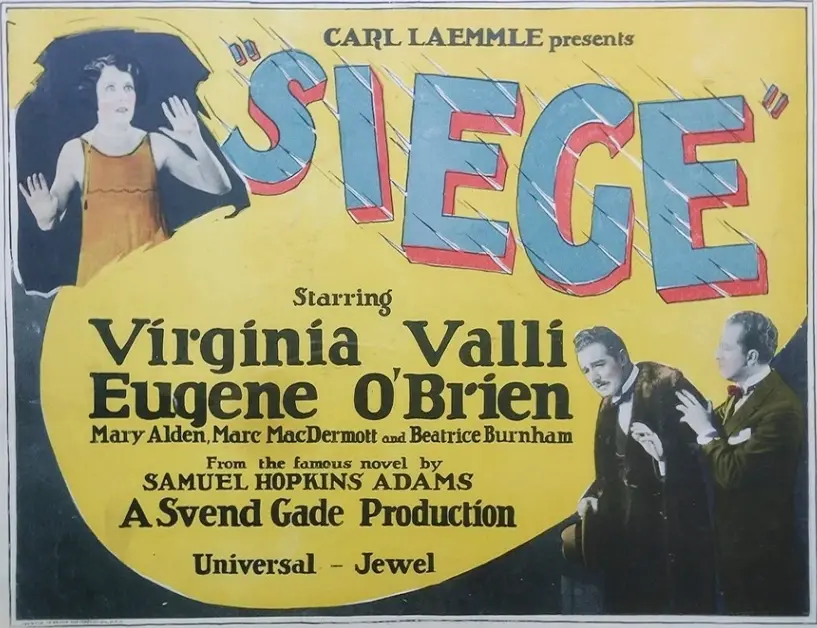
The cinematic landscape of the early 20th century was replete with films that explored the complexities of human relationships, power struggles, and the intricacies of small-town life. Among these, Siege stands out as a masterful narrative that deftly weaves a tale of intrigue, resistance, and the battle for control.
Directed by a visionary filmmaker, Siege centers around a stern and formidable old woman, played by Virginia Valli, who owns the largest factory in a small town and has ruled both the factory and the town with an iron hand. Her character is reminiscent of the powerful women in Phantom Fortunes and Gengældelsens ret, who also wield significant influence in their respective domains.
The old woman's decision to choose her nephew, played by Eugene O'Brien, as her successor sets off a chain of events that exposes deep-seated tensions and conflicting ambitions. Her nephew's wife, portrayed by Beatrice Burnham, emerges as a vibrant and ambitious individual who challenges her aunt's authority, sparking a battle of wills that becomes the central conflict of the film. This power struggle is expertly crafted, drawing the audience into the intricate web of relationships and alliances that define small-town life.
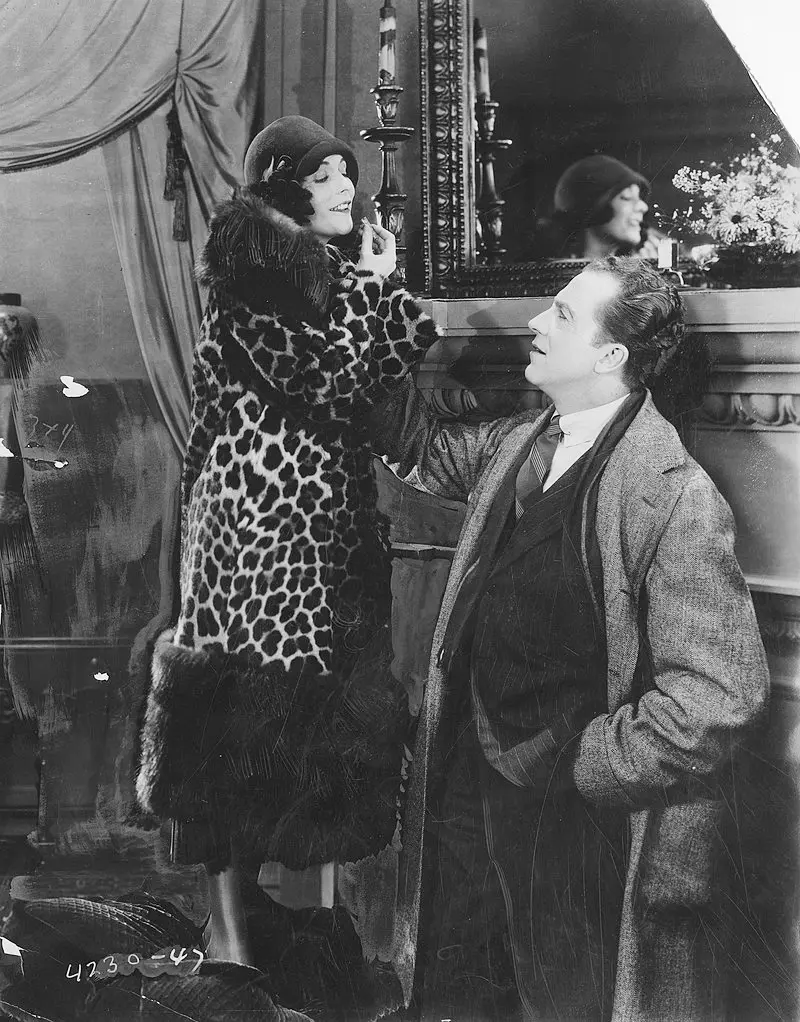
The character dynamics in Siege are multifaceted and richly nuanced, with each actor delivering a performance that brings depth and complexity to their role. The chemistry between Virginia Valli and Beatrice Burnham is particularly noteworthy, as they engage in a compelling portrayal of two strong-willed women locked in a struggle for control. Their performances are complemented by supporting actors Marc McDermott, Gertrude Norman, and Bernard Berger, who add layers to the narrative with their respective characters.
Thematic explorations of power, family dynamics, and female relationships are expertly woven throughout the film, creating a rich tapestry that rewards close attention. Siege can be seen in conversation with other films of its era, such as The Man in the Moonlight and The Wrong Woman, which also delve into the complexities of human relationships and the challenges faced by women in patriarchal societies.
From a technical standpoint, Siege demonstrates a keen understanding of cinematic storytelling, with a narrative that flows seamlessly and is bolstered by strong performances from the cast. The film's use of setting, particularly the small town and the factory, adds to the overall sense of claustrophobia and tension, underscoring the high stakes of the power struggle at the heart of the story.
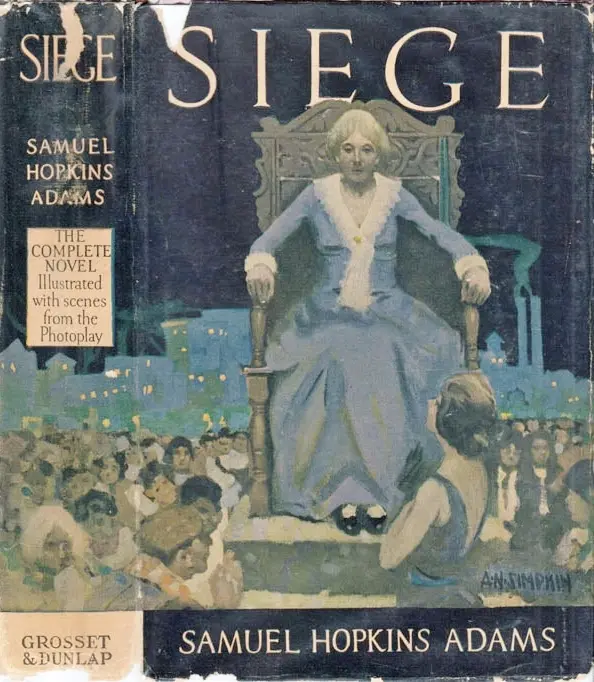
In comparison to other films of its time, such as Chained to the Past and The Desert Sheik, Siege stands out for its nuanced portrayal of female characters and its thoughtful exploration of themes that remain relevant today. The film's attention to detail, from character development to set design, contributes to a viewing experience that is both engaging and thought-provoking.
The influence of Siege can be seen in later films that explore similar themes, such as The Divorcee, which also examines the complexities of relationships and the challenges faced by women in a patriarchal society. This lineage underscores the significance of Siege as a film that not only reflects its time but also contributes to a broader cinematic conversation about power, identity, and resistance.
Ultimately, Siege is a film that rewards close attention and multiple viewings, offering a richly detailed and thought-provoking exploration of human relationships and the complexities of small-town life. Its themes of power, family dynamics, and female resistance continue to resonate today, making it a significant work in the history of cinema.
In conclusion, Siege is a gripping tale of power struggle and female resistance that masterfully weaves a narrative of intrigue and resistance. With its nuanced portrayal of complex characters, thoughtful exploration of themes, and attention to detail, Siege stands as a testament to the enduring power of cinema to challenge, engage, and inspire its audience.
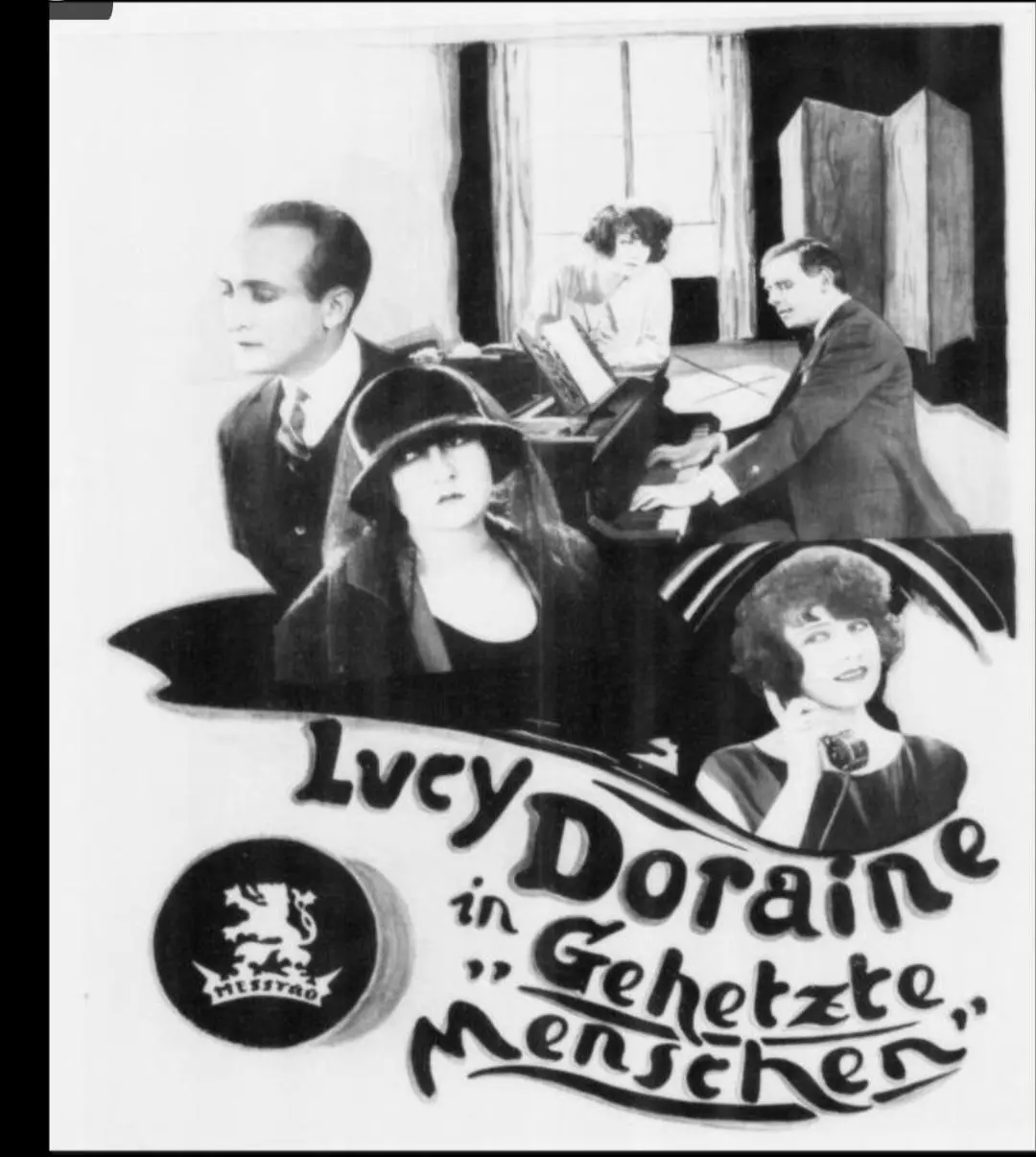
IMDb —
1924
Community
Log in to comment.