DbcultAccessing Vault...
Cult Review
Senior Film Conservator
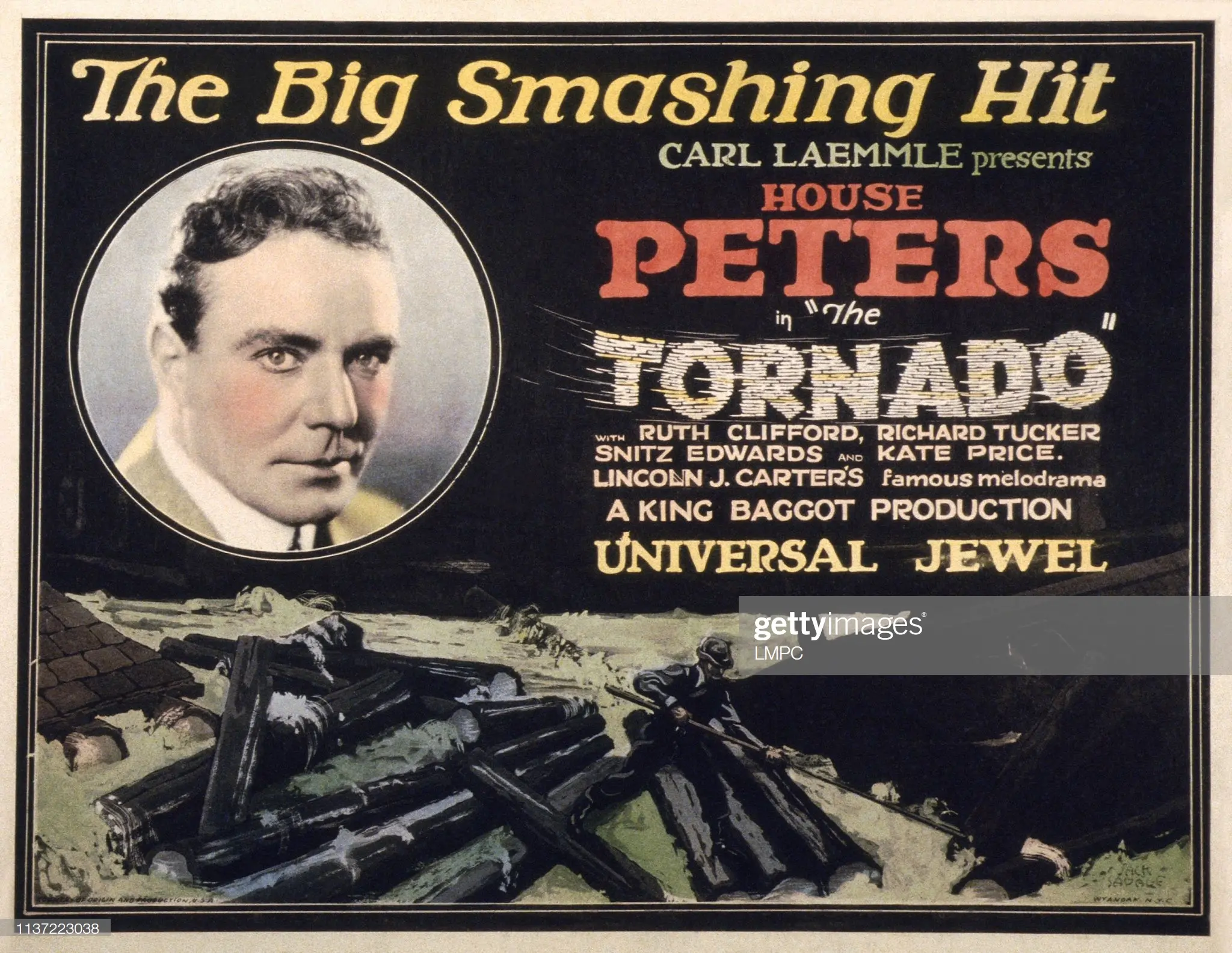
The 1924 silent opus, The Tornado, stands as a fascinating relic of an era where the boundary between gritty realism and theatrical melodrama was perpetually blurred. Directed with a keen eye for the rugged aesthetics of the American wilderness, the film serves as a vehicle for the formidable House Peters, whose screen presence anchored many a production of this vintage. Unlike the more surrealist leanings of European cinema from the same period, such as La luz, tríptico de la vida moderna, this film leans heavily into the visceral, muscular storytelling that defined the early American frontier drama.
At its core, the screenplay by Lincoln J. Carter and Grant Carpenter is a meditation on the fragility of truth. The central conflict—a soldier presumed dead returning to find his life usurped—is a trope as old as Homer, yet it is handled here with a specific post-Great War cynicism. Ross Travers, portrayed with a sniveling, opportunistic edge by Richard Tucker, represents the domestic rot that often contrasted with the perceived purity of the 'noble' lumberjack or laborer. His deception isn't merely a plot point; it is a spiritual violation. In comparing this to the thematic weight of domestic integrity found in The Honor of His House, one notes a sharper, more violent edge in The Tornado. Here, the betrayal is not just of a marriage bed, but of a brotherhood forged in the trenches of war.
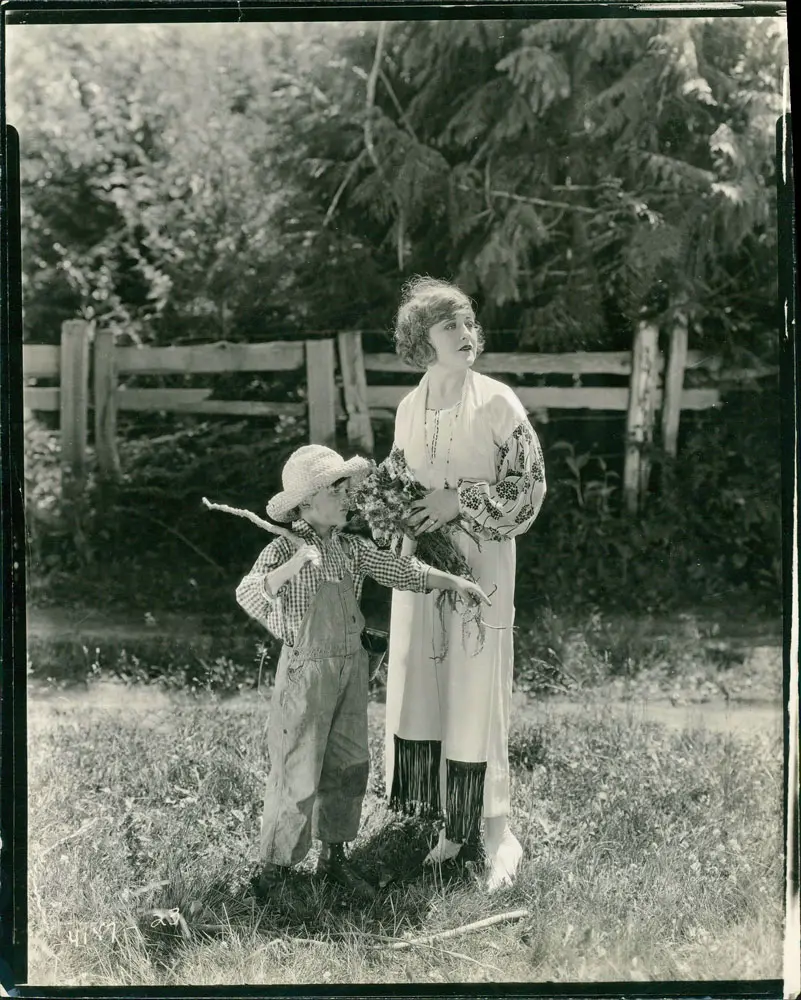
The lumber camp setting provides a stark, monochromatic beauty that underscores the protagonist's isolation. Tornado, as a character, is the embodiment of the silent hero—sturdy, silent, and capable of immense destruction if provoked. This duality mirrors the very weather event he is named after. While other films of the time, like The City of Masks, delved into the artifice of urban social climbing, The Tornado strips away the veneer of civilization to focus on the raw, arboreal struggle of man against both his nature and the elements.
For a film produced in the mid-1920s, the technical execution of the titular storm is nothing short of miraculous. The transition from the simmering interpersonal drama to the large-scale disaster sequence is handled with a pacing that feels surprisingly modern. When the tornado strikes, the film sheds its melodramatic skin and becomes an early progenitor of the disaster epic. The bridge collapse and the subsequent train plunge into the roiling waters below are sequences that must have left contemporary audiences breathless. It lacks the stylized, almost gothic dread of During the Plague, opting instead for a kinetic, physical terror that utilizes practical effects and clever editing to maximize the sense of peril.
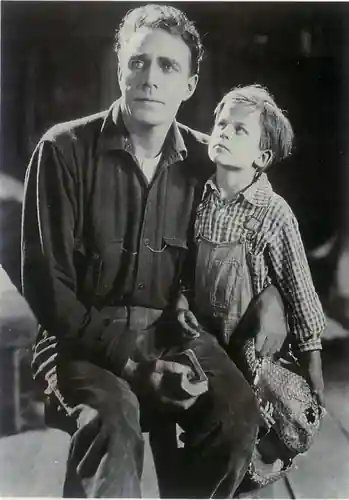
The cinematography captures the swirling debris and the frantic desperation of the rescue with a clarity that belies the limitations of the era's equipment. There is a palpable sense of weight to the water and the timber; you can almost smell the ozone and the wet pine. This tactile quality is something often lost in modern CGI-heavy spectacles. The film shares a certain gritty DNA with Winter Has Came, another work that treats the environment not just as a backdrop, but as an active antagonist in the human drama.
House Peters delivers a performance of remarkable restraint. In an era often mocked for its over-the-top gesticulation, Peters uses his physical stature and subtle facial shifts to convey a man carrying a mountain of grief. His chemistry with Ruth Clifford is tinged with a tragic 'what if' quality that resonates even through the silence. Clifford, for her part, avoids the 'damsel in distress' cliché for much of the film, portraying Ruth as a woman trapped in a psychological prison of Travers' making. Her realization of the truth is a moment of high pathos, played with a jarring vulnerability that contrasts sharply with the broader comedic strokes found in contemporary lighter fare like Be a Little Sport or Queens Are Trumps.
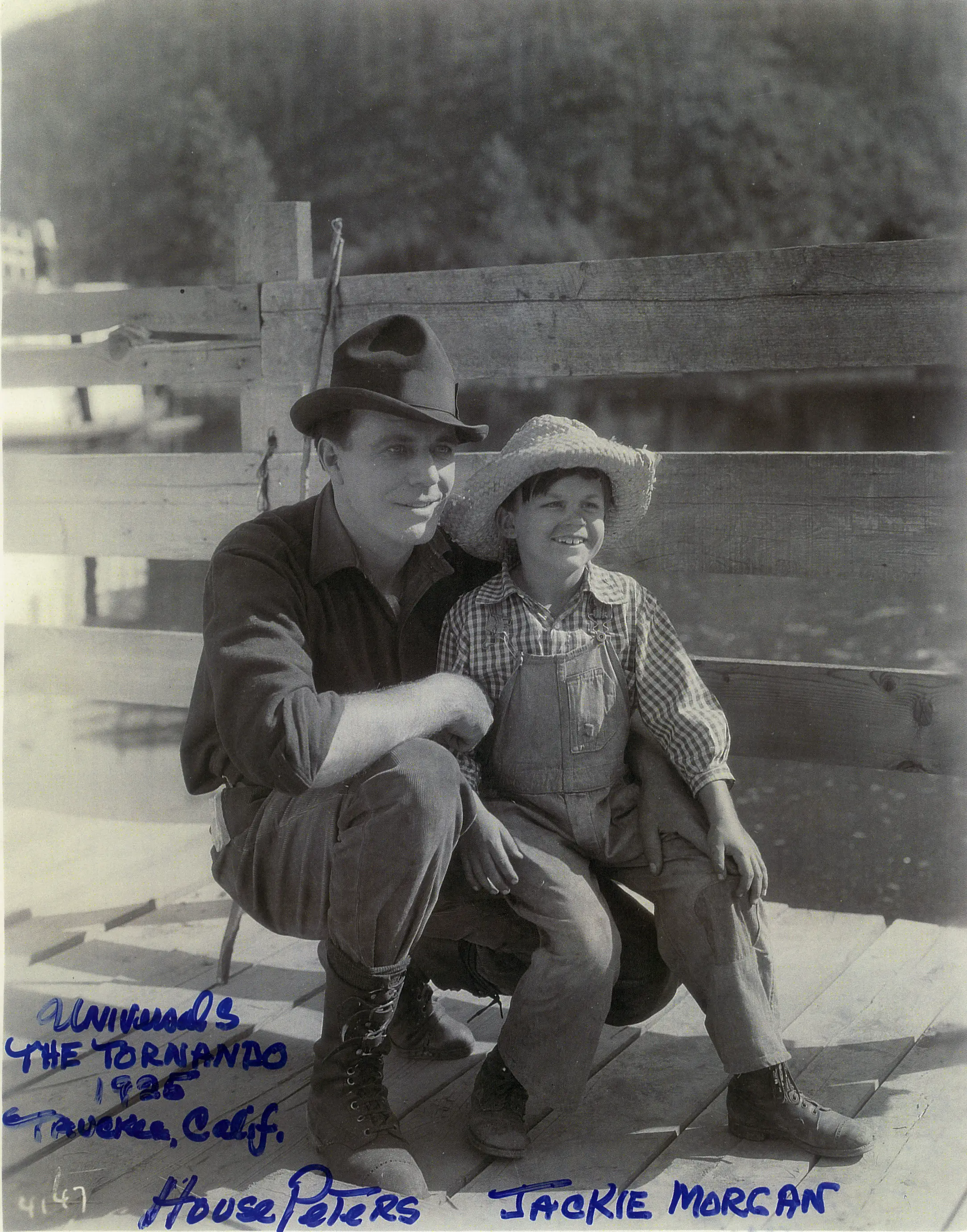
The supporting cast, featuring veterans like Snitz Edwards and Kate Price, adds a layer of texture to the lumber camp community. These characters ground the film, providing a sense of a lived-in world that makes the eventual destruction of the camp and the train all the more impactful. Unlike the more episodic nature of Der Mann ohne Namen - 1. Der Millionendieb, The Tornado maintains a tight, propulsive narrative focus that drives toward its inevitable, watery reckoning.
There is a fascinating moral absolutism at play in the finale. The storm acts as a purging fire, or rather, a purging wind. Travers' death is not merely an accident; it is framed as a cosmic correction. His inability to survive the very chaos his lies helped facilitate provides a sense of closure that is both satisfying and grim. This theme of inescapable destiny is a recurring motif in the era's more serious works, echoing the narrative inevitability seen in The Torch Bearer. However, where that film might focus on the internal light of the soul, The Tornado focuses on the external forces that test the limits of human endurance.
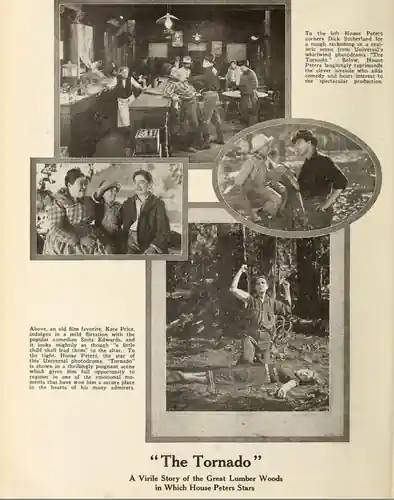
The rescue of Ruth from the swirling currents is a sequence of high-octane heroism that cements Tornado's status as a paragon of masculine virtue. It is a moment of baptismal rebirth for their relationship, washed clean of the deceptions of the past. The failure to save Ross, despite Tornado’s efforts, adds a layer of complexity to the hero’s character. He is not a vengeful god, but a man who recognizes the limits of his power against the fury of nature. This nuanced approach to the 'hero' archetype is more sophisticated than the caricatures found in Somebody Lied or Once a Mason.
Viewing The Tornado today, one is struck by its economic storytelling. Every frame serves the dual purpose of character development and atmospheric immersion. The film avoids the meandering subplots that plagued other 1924 releases like Alias Mary Brown or the somewhat disjointed Boman på utställningen. Instead, it maintains a singular, vertiginous momentum that mirrors the path of a cyclone. It is a work of significant craft that deserves to be discussed alongside the better-known disaster films of the silent period.
The juxtaposition of the lumber camp’s rigid, industrial order with the chaotic whim of the tornado creates a compelling visual metaphor for the human condition. We build our lives, our camps, and our marriages with the belief that they are permanent, yet they can be upended by a single lie or a single gust of wind. The film captures this fragility with a poetic intensity that is often missing from contemporary cinema. It shares a certain melancholic beauty with The Faded Flower, though its resolution is far more explosive.
In the pantheon of silent cinema, The Tornado may not have the avant-garde reputation of some of its peers, but its mastery of the melodrama-disaster hybrid is undeniable. It is a film that understands the primal power of the image—a lone man standing against a darkening sky, a train suspended in the moment before a fall, a hand reaching out from a torrent. These are the building blocks of cinematic language, and in 1924, they were being assembled with a raw, unbridled passion that still resonates. For those seeking a deeper understanding of how early cinema tackled the intersection of personal betrayal and natural catastrophe, this film remains an essential, albeit dusty, waypoint. It is a stark reminder that while the masks we wear may be elaborate, as seen in The White Masks, the storm of truth eventually strips them all away.
IMDb 5.4
1930
Community
Log in to comment.