DbcultAccessing Vault...
6.3/10
Senior Film Conservator
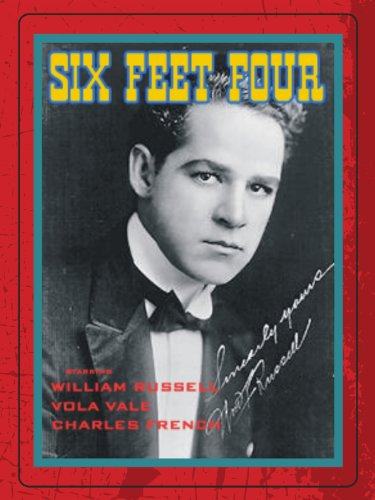
A definitive 6.3/10 rating for a film that redefined the boundaries of cult cinema. Six Feet Four remains a cornerstone of transgressive art.
In the vast, untamed expanse of the cinematic West, where archetypes often cast long, predictable shadows, a film like 'Six Feet Four' emerges, not merely as a relic of a bygone era but as a surprisingly potent exploration of identity, prejudice, and the insidious nature of concealed corruption. Released in 1917, this cinematic endeavor, penned by the talented duo of Jules Furthman and Jackson Gregory, plunges us into a narrative that foregrounds the peculiar predicament of its protagonist: a cowboy whose remarkable height, far from being an advantage, becomes a relentless curse, marking him as the prime suspect in a series of crimes. It's a premise that, even today, resonates with a certain tragic irony, forcing us to confront how superficial attributes can dictate public perception and, indeed, one's very destiny.

Perry Banks, embodying the titular six-foot-four cowboy, delivers a performance that, while constrained by the conventions of silent film acting, manages to convey a profound sense of injustice and stoic resolve. His character is not a verbose hero; rather, his struggle is etched in his posture, his gazes, and the sheer physical presence that paradoxically makes him both conspicuous and vulnerable. When a local hotel is plundered, the only concrete descriptor of the culprit matches our hero's imposing stature. It's a cruel twist of fate, transforming a distinguishing feature into a damning piece of circumstantial evidence. The film masterfully builds this initial tension, not through elaborate dialogue, but through the reactions of the townsfolk, their furtive glances, and the gradual solidification of suspicion around Banks' character. This early establishment of a man unjustly targeted sets a compelling stage, reminiscent of the societal suspicion found in narratives like The Unknown, where the protagonist's unique physical attributes or circumstances invite intense scrutiny, often with dire consequences.
The narrative truly ignites when a second, even more egregious crime—the robbery of a young woman—occurs. This event serves as the catalyst, tightening the noose of public opinion around the cowboy. The community, already predisposed to believe in his guilt, finds its suspicions amplified, solidifying a narrative of a repeat offender. It’s a classic trope, yet handled here with a nuanced understanding of mob mentality and the fragility of reputation in isolated communities. The film subtly critiques the ease with which a populace can be swayed by superficial resemblances, overlooking the deeper truths that lie beneath the surface. This escalating pressure on the protagonist is palpable, forcing him from a state of bewildered defense into one of proactive investigation. He cannot merely stand by and allow his name to be dragged through the mud; the very fabric of his existence, his honor, demands action. This shift from victim to detective is a pivotal moment, transforming the cowboy from a passive recipient of injustice into an active agent of his own redemption.
What elevates 'Six Feet Four' beyond a simple tale of mistaken identity is the audacious reveal of the true culprits. As our cowboy delves deeper, piecing together fragments of evidence and observing the subtle currents of the town, he uncovers a shocking truth: the orchestrators of these brazen acts are not external marauders, but an entrenched local gang. The truly seismic revelation, however, is that this nefarious enterprise is spearheaded by none other than the town's sheriff. This particular narrative twist introduces a profound layer of betrayal and systemic corruption, turning the very symbol of law and order into the architect of chaos. It's a brilliant subversion of the traditional Western trope, where the lawman is typically the bastion of righteousness. Here, the badge is a shield for villainy, echoing the darker themes explored in films like The Reckoning, where justice is elusive and often perverted by those in power. The audience is left to grapple with the moral implications of such a profound breach of public trust, making the cowboy's subsequent quest not just personal, but a fight for the soul of the community.
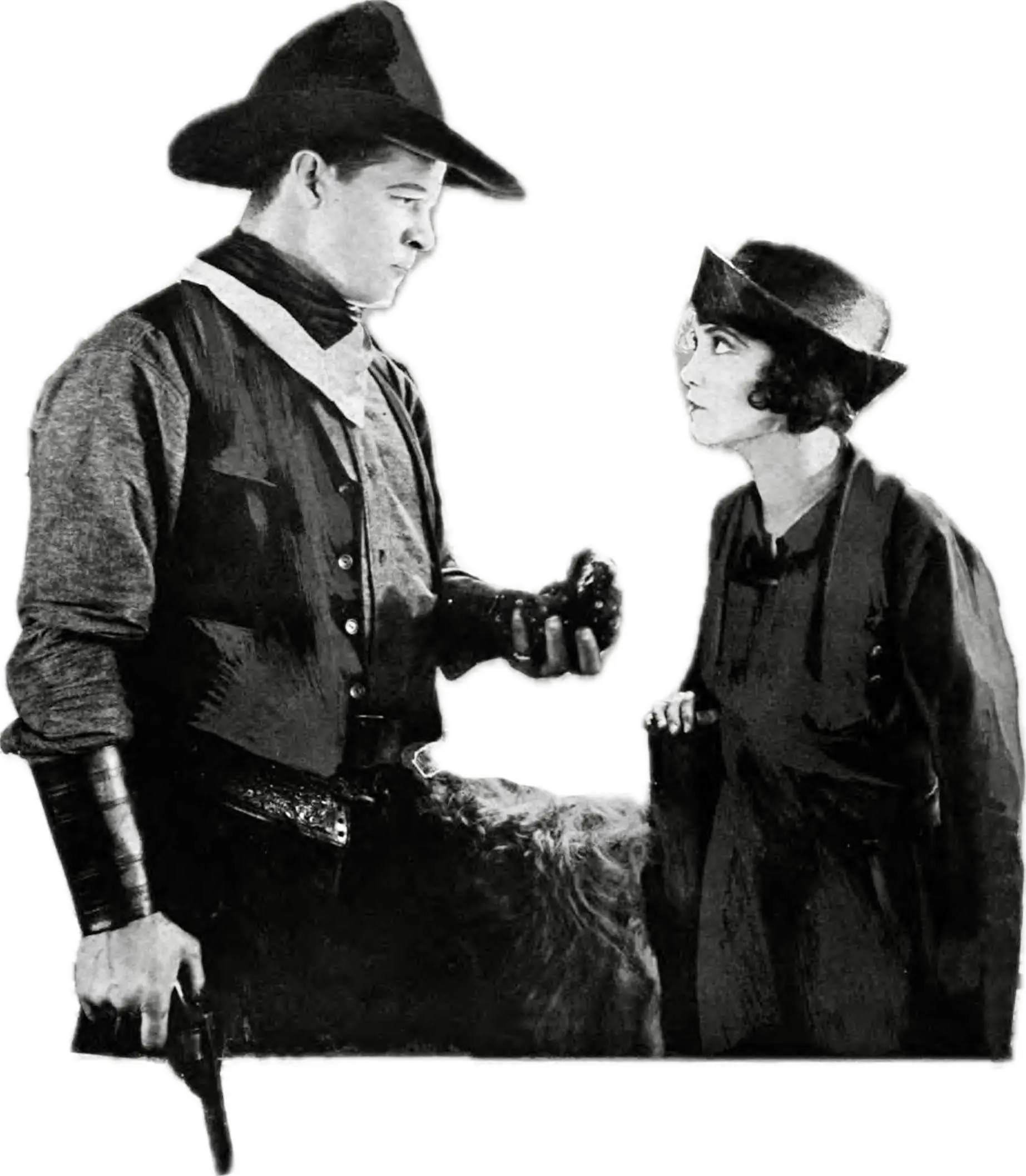
With the truth laid bare, the cowboy's mission gains a new, dangerous urgency. His initial goal of merely clearing his name expands into a full-blown crusade to dismantle the sheriff's corrupt empire. This is no longer a matter of individual reputation but of communal justice. The writers, Jules Furthman and Jackson Gregory, craft a narrative that deftly balances the personal stakes with the broader implications of systemic deceit. The conflict becomes one of a lone individual, armed only with conviction and burgeoning evidence, against an organized, state-sanctioned criminal enterprise. This struggle for justice against overwhelming odds is a timeless motif, one that finds echoes in narratives such as A Law Unto Himself, where protagonists must often defy established authority to uphold a higher moral code. The tension is expertly ratcheted up as the cowboy navigates a landscape where allies are few and enemies are cloaked in officialdom. Each step he takes to gather proof, to corner the gang, is fraught with peril, making his eventual confrontation with the sheriff an anticipated and cathartic moment.
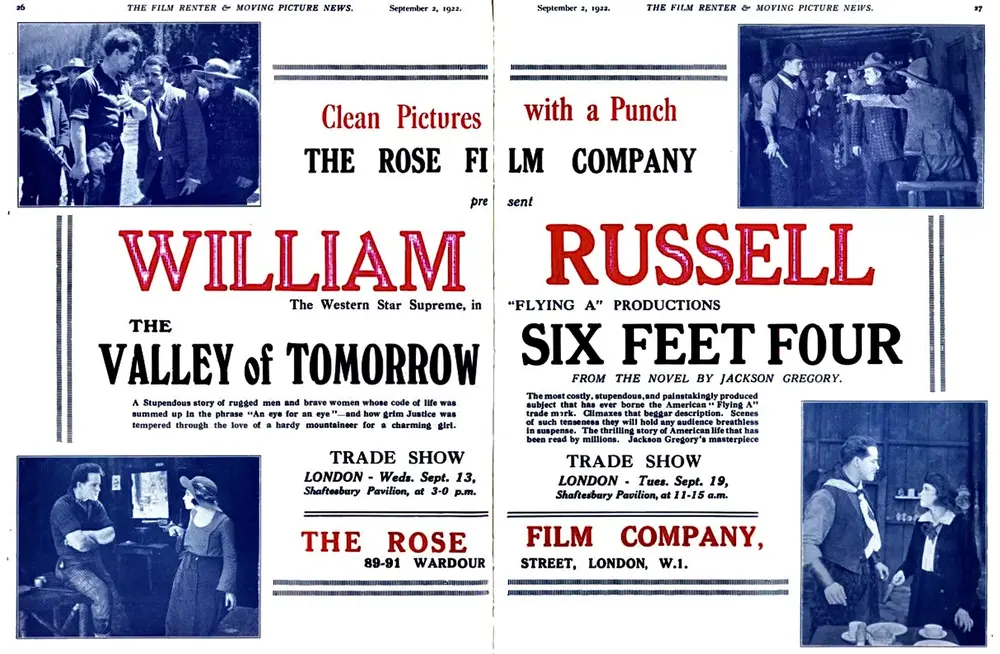
While Perry Banks anchors the film with his formidable presence, the supporting cast plays a crucial role in fleshing out this frontier world. Harvey Clark, Calvert Carter, Vola Vale, William Russell, and Al Ernest Garcia, among others, contribute to the tapestry of characters that populate this troubled town. Vola Vale, likely playing the young woman who is robbed or a romantic interest, would have provided a crucial human element, perhaps serving as a catalyst for the cowboy's deeper resolve or as a symbol of the innocence he seeks to protect. The portrayal of the corrupt sheriff, presumably by one of the more seasoned character actors like Charles K. French or Clarence Burton, would have required a delicate balance – projecting authority while subtly hinting at the underlying malice. The effectiveness of the villain is paramount in a story of this nature, as it directly magnifies the heroism of the protagonist. Even in the silent era, the ability of actors to convey complex emotions through gesture, expression, and physicality was paramount, and the ensemble of 'Six Feet Four' seems to have been carefully chosen to achieve this depth. The film's success hinges not just on the plot's twists but on the believable reactions and motivations of its inhabitants, drawing parallels to the intricate character dynamics observed in films such as Loyalty, where interpersonal relationships and betrayals drive much of the dramatic tension.
The strength of 'Six Feet Four' lies significantly in its screenplay. Jules Furthman, who would go on to become a highly respected and prolific screenwriter, and Jackson Gregory, a noted author of Western fiction, brought a compelling narrative structure to this early silent film. Their collaboration resulted in a plot that is not only rich in suspense and dramatic irony but also thematically resonant. They understood the power of a distinct hook – the protagonist's height – and then cleverly expanded upon it to explore themes of perception, justice, and the corruption of power. The progression from simple accusation to the unveiling of a deep-seated conspiracy is meticulously plotted, ensuring that each development feels earned and impactful. Their script avoids the simplistic hero-villain dichotomy often found in early Westerns, opting instead for a more intricate portrayal of moral ambiguity and societal decay. One can discern the nascent brilliance that would define Furthman's later career, even in this relatively early work, demonstrating a keen eye for character motivation and narrative momentum, much like the focused storytelling seen in The Master Cracksman, where intricate schemes drive the plot.
'Six Feet Four' operates within the familiar framework of the Western genre but deftly introduces elements that challenge its conventions. The lone cowboy, a staple figure, is here not merely a wanderer seeking adventure but a man thrust into a defensive battle for his very identity. The frontier town, often idealized as a place where raw justice prevails, is instead depicted as a hotbed of prejudice and corruption, where the lines between good and evil are blurred by official complicity. This subversion of the traditional moral landscape makes the film particularly intriguing, suggesting a more cynical view of the American West than many of its contemporaries might have offered. It prefigures later, darker Westerns that would delve into the psychological complexities and moral ambiguities of the frontier. While it shares the adventurous spirit of films like The Daredevil, its thematic depth concerning systemic corruption sets it apart, hinting at a more mature genre exploration. The film invites viewers to question the outward appearances of authority and to look for the truth beneath the veneer of respectability, a theme that remains perennially relevant.
As a silent film from 1917, 'Six Feet Four' relies heavily on visual storytelling. The cinematography, while perhaps rudimentary by modern standards, would have been crucial in conveying the vastness of the landscape, the claustrophobia of suspicion, and the intensity of confrontations. The use of intertitles would have been minimalistic, allowing the actors' expressions and actions to carry the bulk of the narrative. The director's choices in framing, editing, and staging would have been paramount in building suspense and conveying character motivation without the aid of spoken dialogue. The film's enduring appeal, beyond its historical significance, lies in its timeless themes: the fight for justice, the struggle against false accusation, and the exposure of hypocrisy within power structures. These are universal human experiences that transcend the specific setting of the American West and the limitations of silent cinema. Much like the dramatic visual narratives found in works such as Famous Battles of Napoleon, which relied on grand spectacle, 'Six Feet Four' uses its visual medium to construct a compelling and emotionally resonant tale. Its legacy lies in its contribution to the evolving Western genre, demonstrating that even in its nascent stages, the genre was capable of exploring complex moral dilemmas and crafting compelling, character-driven narratives that go beyond mere spectacle to probe deeper into the human condition.
In conclusion, 'Six Feet Four' stands as a testament to the enduring power of classic storytelling. It presents a gripping tale of a man caught in a maelstrom of mistaken identity and systemic corruption, who must bravely confront the very forces designed to uphold order. It is a film that, through its compelling plot and its exploration of justice and betrayal, continues to resonate, offering a fascinating glimpse into the early days of cinematic narrative and the timeless struggle for truth in a world prone to easy judgment. Its impact, while perhaps not as widely celebrated as some of its contemporaries, is undeniable for those who appreciate the foundational works that shaped the Western genre and explored profound moral questions with innovative storytelling techniques.
IMDb 7.3
1935
Community
Log in to comment.