DbcultAccessing Vault...
Cult Review
Senior Film Conservator
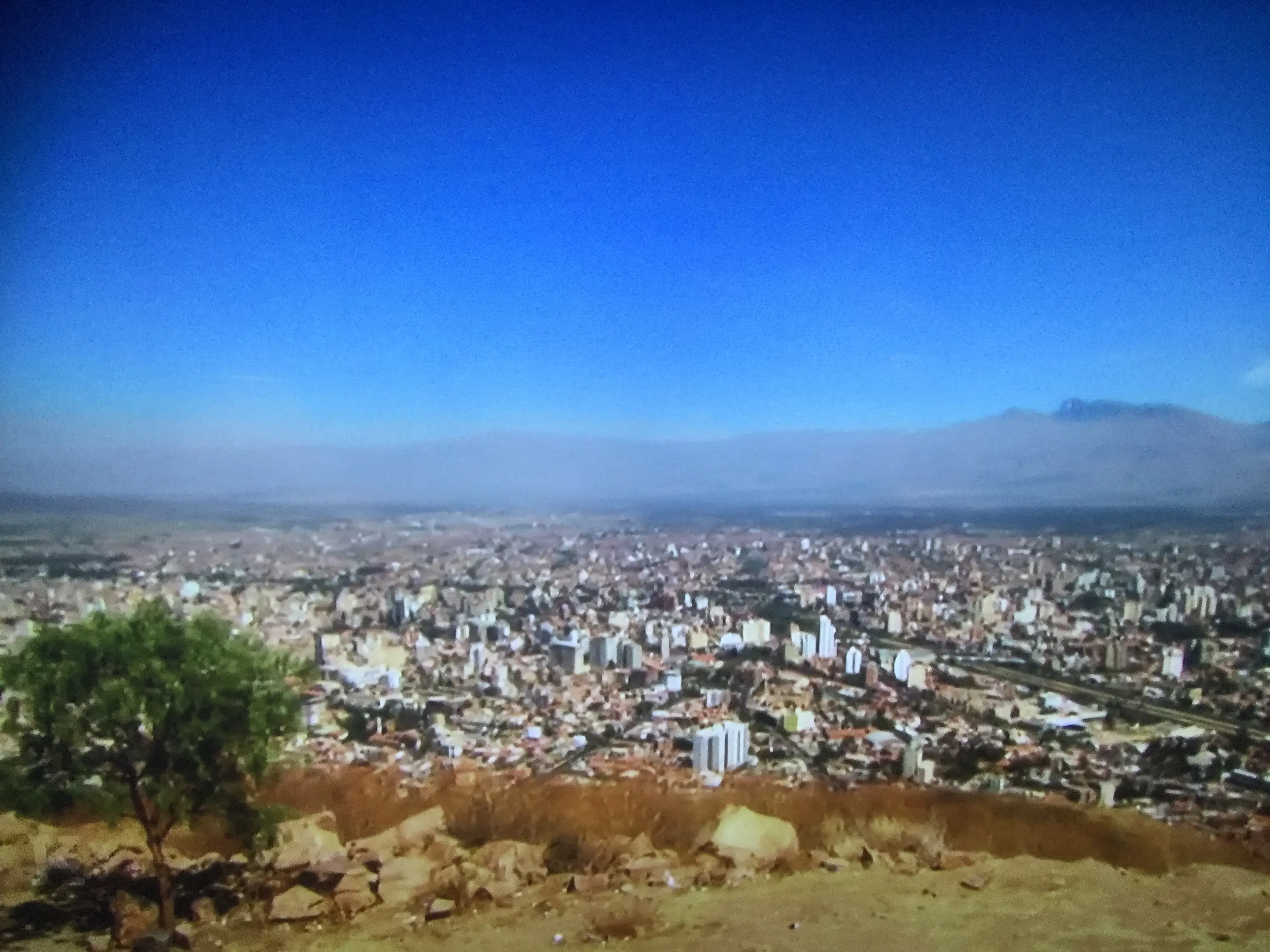
To approach Cochabamba is to step into a time machine constructed of silver halide and Andean sunlight. Directed by the visionary Pedro Sambarino, this silent relic is far more than a historical curiosity; it is a vital organ in the body of early South American cinema. While European audiences in the 1920s were marveling at the expressionist shadows of films like Die Legende von der heiligen Simplicia, Sambarino was busy inventing a visual language that felt uniquely terrestrial, grounded in the red earth and high-altitude clarity of Bolivia.
Sambarino’s camera does not merely record; it interrogates. There is a specific kind of stillness in Cochabamba that reflects a filmmaker who understood that his subject matter was already cinematic. Unlike the slapstick energy found in contemporary comedies like Luffar-Petter, Sambarino opts for a contemplative pacing. He allows the viewer to inhabit the frame, to feel the grit of the marketplace and the cool shade of the Spanish colonial arches. The lexical diversity of his shots—ranging from sweeping wide-angle vistas to intimate, almost intrusive close-ups of weathered hands—creates a sensory experience that defies the limitations of its silent medium.
One cannot help but compare the raw, unvarnished realism here to the more theatrical artifice of The Crow's Nest. While the latter relies on the tropes of the era to convey its message, Sambarino relies on the inherent drama of existence. The way light hits the cathedral spires in Cochabamba suggests a spiritual reverence that no studio lighting could ever replicate. It is a masterclass in naturalistic cinematography, predating the neorealist movements by decades.
In many ways, the city itself is the only character that matters. We see the ebb and flow of humanity as a singular organism. In comparison to the character-driven melodrama of Három hét, Cochabamba eschews individual arcs for a collective portrait. There is a sequence involving the local tramways that feels remarkably modern, capturing the friction between traditional modes of transport and the encroaching industrial age. It’s a theme we see echoed in the urban anxieties of The On-the-Square Girl, yet Sambarino imbues it with a distinctively local flavor.
The film’s structure is episodic yet cohesive. We move from the sacred to the profane with a grace that suggests Sambarino was well-versed in the editing rhythms of the global vanguard. While films like The Champeen might offer a more conventional entertainment value through their structured gags, Cochabamba offers something far more enduring: a sense of presence. You aren't just watching a film; you are breathing the thin air of the valley.
The social stratification of the era is visible in every frame, though Sambarino presents it without heavy-handed didacticism. We see the elite in their finery, reminiscent of the upper-crust settings in The Runaway, contrasted sharply with the laborers whose sweat fuels the city’s expansion. This juxtaposition creates a tension that is palpable, even without intertitles to explain the politics. It is a visual sociology that rivals the depth of Strife, yet it feels more organic because it is caught 'in the wild,' so to speak.
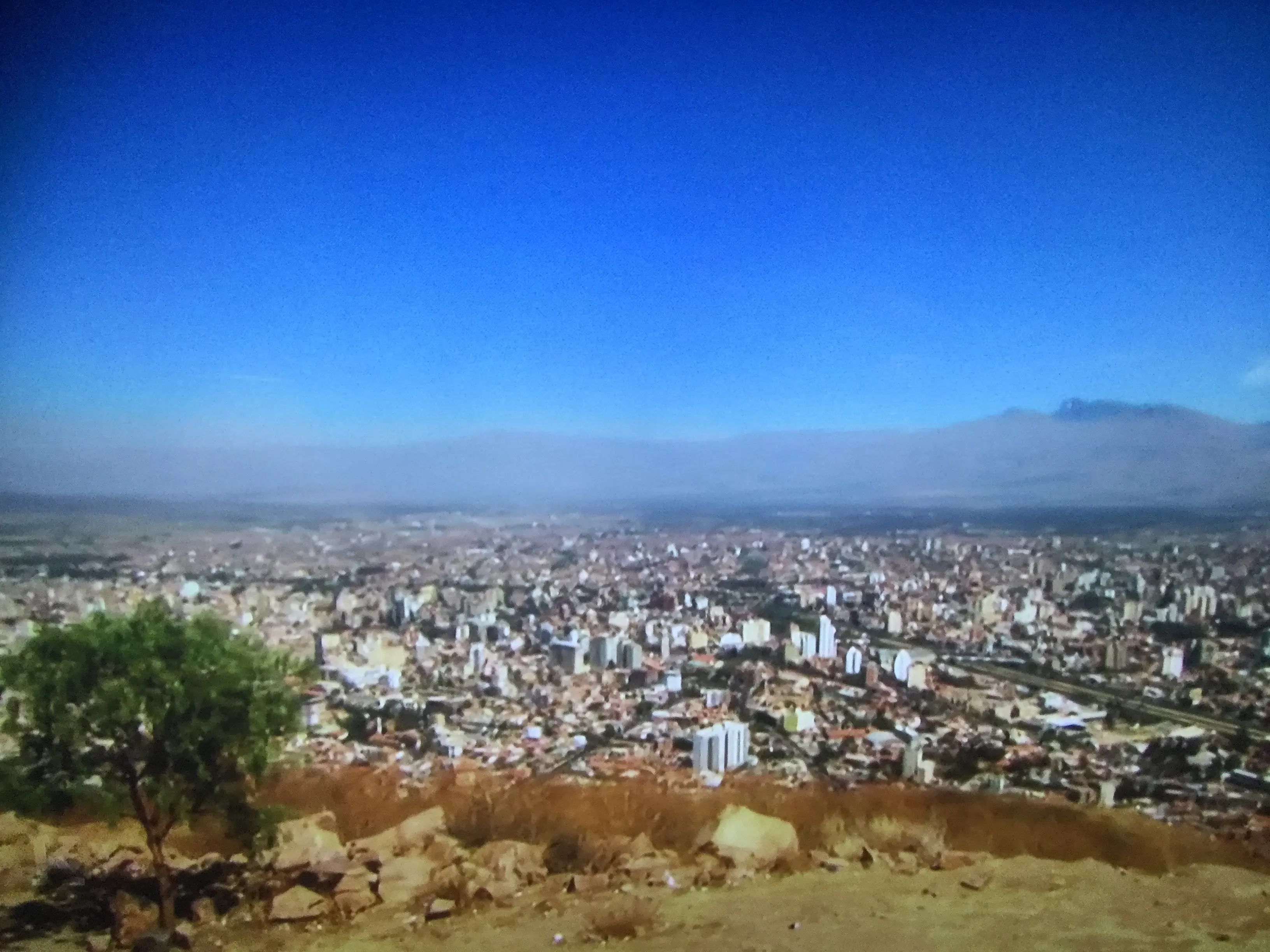
The ethnographic value of the footage cannot be overstated. Sambarino captures indigenous ceremonies and market interactions with a level of detail that serves as a vital record of a culture often marginalized by the state. When compared to the stylized romance of Romeo and Juliet, the 'truth' of Cochabamba feels almost revolutionary. It’s not interested in the universal archetypes of Western literature; it’s interested in the specific, the local, and the now.
One must consider the technical hurdles Sambarino faced. Operating far from the polished laboratories of Hollywood or Berlin, he achieved a clarity of image that is staggering. The film’s preservation—or what remains of it—reveals a sophisticated understanding of exposure and depth of field. Even in the more 'primitive' sequences, there is a compositional intelligence that puts many of his contemporaries to shame. For instance, the way he handles crowd scenes has more in common with the epic scale of L'assassino del corriere di Lione than the static, stagey setups found in The College Orphan.
His use of moving shots—likely achieved with makeshift dollies or simply by mounting the camera on a moving vehicle—gives the film a kineticism that was rare for its time and place. This isn't the clumsy movement seen in The Stork's Mistake; it is purposeful and fluid, guiding the viewer’s eye through the labyrinthine streets with the confidence of a seasoned navigator.
Reflecting on Cochabamba today, one is struck by its haunting beauty. It captures a world on the precipice of irrevocable change. The faces looking into Sambarino’s lens are gone, but their gaze remains, challenging us to acknowledge their existence. In this way, the film shares a certain melancholic DNA with Idle Tongues, though it lacks that film's narrative cynicism. Instead, Sambarino offers a hopeful, if rigorous, look at his homeland.
The rhythmic quality of the film—the way it cuts between the labor of the fields and the leisure of the plazas—suggests a filmmaker who understood the musicality of cinema. It’s a different kind of rhythm than the frantic pacing of Three Strikes or the sentimental beats of Solskinsbørnene. It is a pulse that is steady, deep, and profoundly South American.
Ultimately, Cochabamba is a testament to the power of the camera as a tool for liberation and self-definition. Sambarino didn't wait for the world to come to Bolivia; he used his craft to project Bolivia to the world. It remains a cornerstone of silent cinema, a luminous fragment of history that continues to shine with an undiminished, if flickering, brilliance. For any serious student of film history, this is not just a viewing requirement; it is a spiritual pilgrimage into the origins of a continent's cinematic voice. The interplay of light on the white-washed walls of the city serves as a reminder that cinema, at its most basic level, is the art of capturing the ephemeral. Sambarino captured the ephemeral soul of a city, and in doing so, he gave it a form of immortality.

IMDb —
1926
Community
Log in to comment.