DbcultAccessing Vault...
Cult Review
Senior Film Conservator
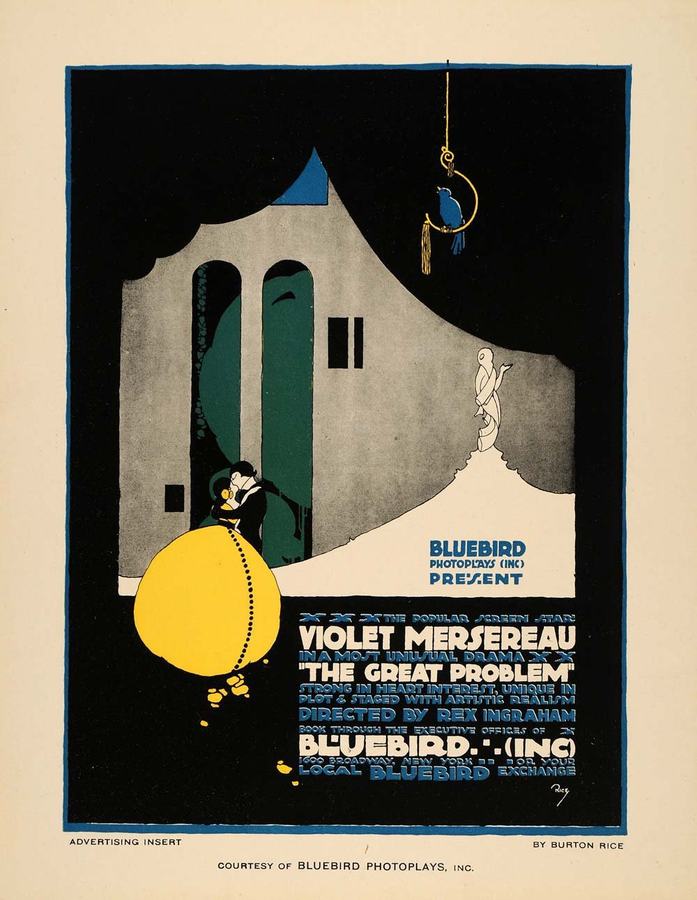
In the nascent era of cinematic storytelling, when narratives often bore the weight of profound moral dilemmas and the stark realities of societal struggles, a film like "The Great Problem" (1916) emerges not merely as a relic of its time, but as a compelling artifact reflecting the human condition's timeless complexities. Penned by Rex Ingram, this early silent drama delves deep into the intricate tapestry of vengeance, the arduous path of reform, and the unexpected, often agonizing, blossoming of love. It’s a narrative that, despite its century-old vintage, retains a potent emotional resonance, inviting audiences to ponder the very essence of justice, forgiveness, and the transformative power of empathy. Far from a simplistic morality play, "The Great Problem" meticulously constructs a world where intentions, however noble or malicious, ripple through generations, shaping destinies with an almost predestined force. The film’s strength lies in its unflinching portrayal of characters caught in the vortex of circumstances, striving to reconcile their pasts with a yearning for a better future.
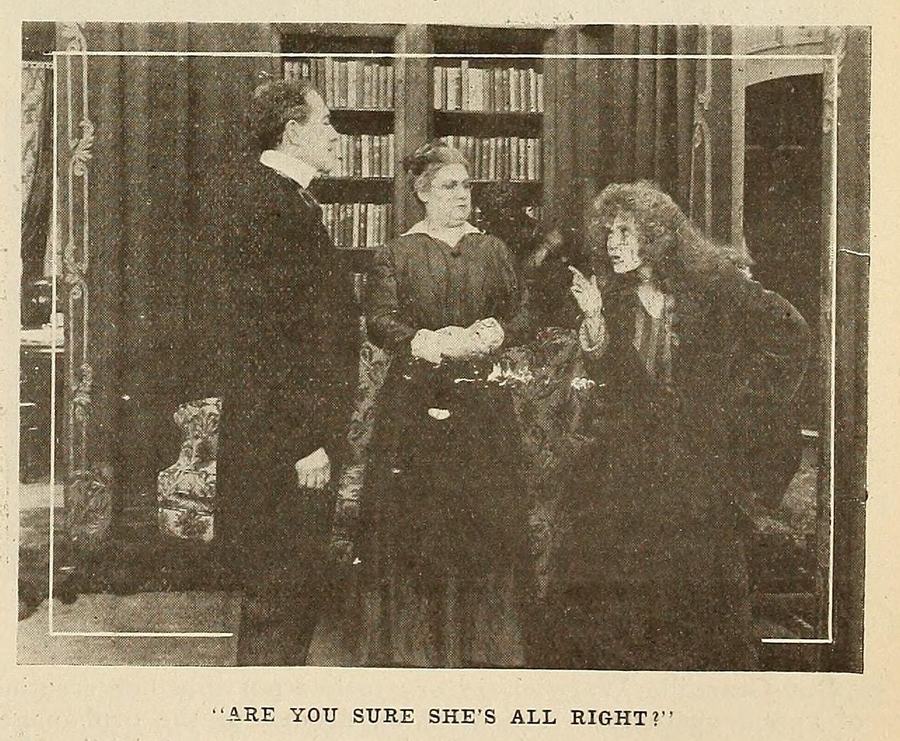
At the heart of "The Great Problem" lies the tragic figure of Bill Carson, a man whose life takes a drastic turn following a conviction for housebreaking. Twelve years is the sentence, a significant chunk of a man's existence, and it's within the cold, unforgiving confines of the prison walls that Carson's initial despair ferments into a potent, singular obsession: vengeance. His target? George Devereaux, the prosecuting attorney whose articulate, persuasive speech irrevocably swayed the jury towards a guilty verdict. This isn't just about a man seeking retribution for perceived injustice; it's about a festering wound of betrayal and the profound sense of loss that accompanies it. Carson's vow is not a fleeting burst of anger but a deeply ingrained promise, a psychological anchor that sustains him through his long incarceration. This primal urge for revenge, a common trope in cinema from the earliest days, elevates Carson beyond a mere criminal. He becomes a symbol of the human capacity for long-held grudges, a character whose internal landscape is as formidable as any external obstacle. One might draw parallels to the stark realities depicted in films like Going Straight, which similarly grapples with the challenges faced by individuals attempting to re-enter society after serving time, though Carson's path is initially less about rehabilitation and more about a singular, destructive aim. The film masterfully sets up this foundational conflict, ensuring that Devereaux, despite his role as an officer of the law, is immediately marked as the unwitting antagonist in Carson's personal tragedy.
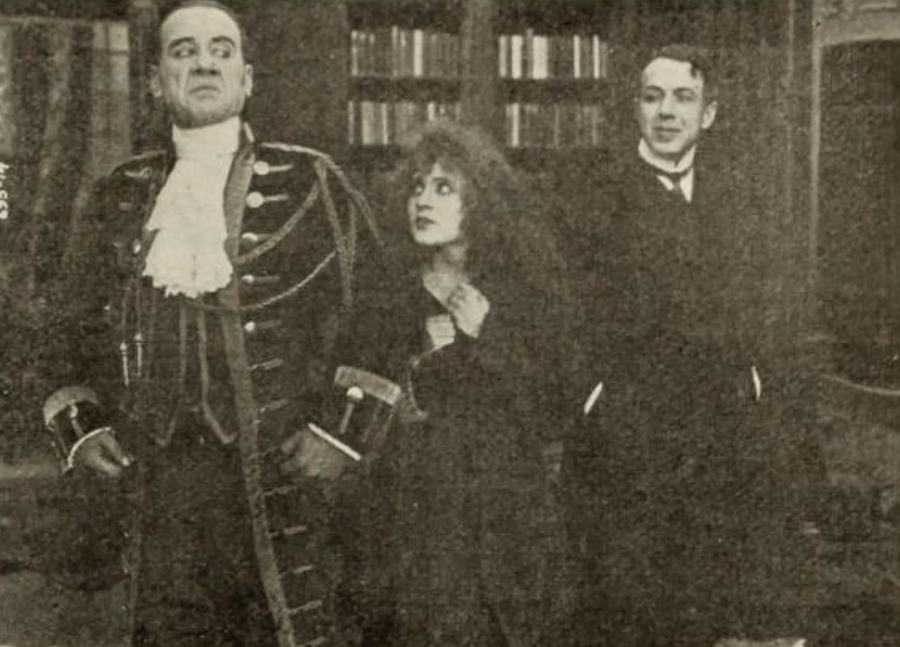
While Bill Carson languishes in prison, his young daughter, Peggy, endures a parallel, equally harrowing ordeal. Her mother, unable to withstand the shock and ignominy of her husband's conviction, succumbs to despair, leaving Peggy an orphan in all but name. Her upbringing falls to Skinny McGee, a loyal pal of Carson's, who, in a tragically misguided attempt to equip her for survival in a brutal world, schools her in the "art" of picking pockets. This isn't presented as malicious grooming but as a desperate measure born of destitution, a reflection of the era's harsh socio-economic realities where legitimate opportunities were scarce for the marginalized. Peggy’s initiation into this illicit trade paints a poignant picture of childhood innocence corrupted by necessity, not by inherent malice. Her dexterity with light fingers becomes her only education, her only means of subsistence. This narrative thread resonates with the gritty realism found in other early films exploring urban squalor and the struggles of the working class, though few imbue their young protagonists with such a stark, yet ultimately redeemable, skill set. Characters like those found in Prudence, the Pirate, while perhaps operating in different spheres of criminality, share a common thread of resourcefulness born from challenging circumstances. Peggy, however, is not a hardened criminal; she is a product of her environment, a child forced to adapt to survive, her innate goodness merely obscured by the grime of her circumstances. This background makes her a perfect, albeit unwitting, candidate for the social experiment that is about to dramatically alter her trajectory.
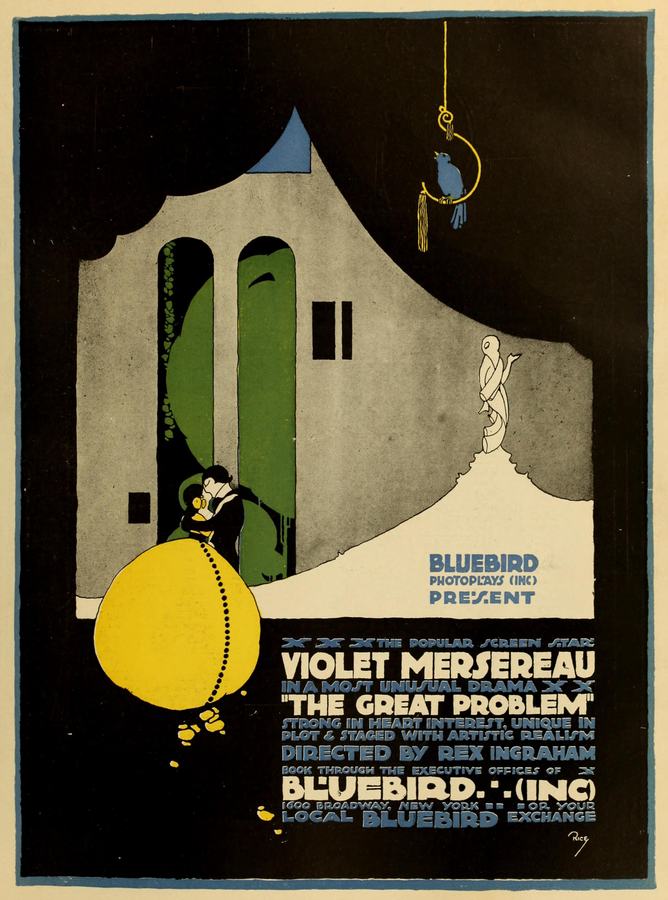
The narrative takes a pivotal turn in the hallowed boardrooms of a reform organization, a setting that instantly contrasts with Peggy's grim existence. Here, the lofty ideals of social uplift and rehabilitation are debated, leading to a challenging proposition for George Devereaux. He accepts a wager, a test of his conviction: to take a criminal, specifically one from the streets, and transform them through improved, beneficial surroundings. This plot device, while seemingly a convenient contrivance, speaks volumes about the early 20th century's burgeoning interest in social work and the belief in environmental influences over inherent criminality. It positions Devereaux not merely as a prosecutor but as a progressive idealist, willing to put his theories into practice. When Peggy is apprehended for picking pockets, she becomes the chosen subject for this grand experiment. The irony is palpable: the man who condemned her father now becomes her unlikely savior, though neither is aware of this profound connection initially. Devereaux's palatial home becomes her new gilded cage, a stark antithesis to the squalid streets she knows. This attempt at social engineering, while well-intentioned, raises questions about agency, authenticity, and whether true reform can be imposed or must be cultivated from within. It’s a fascinating exploration of the era’s fascination with sociological theories, echoing the spirit of inquiry found in other contemporary dramas that explored societal ills and potential remedies. The sheer audacity of Devereaux's undertaking sets the stage for a compelling exploration of human potential and the surprising ways in which lives can intersect and transform.
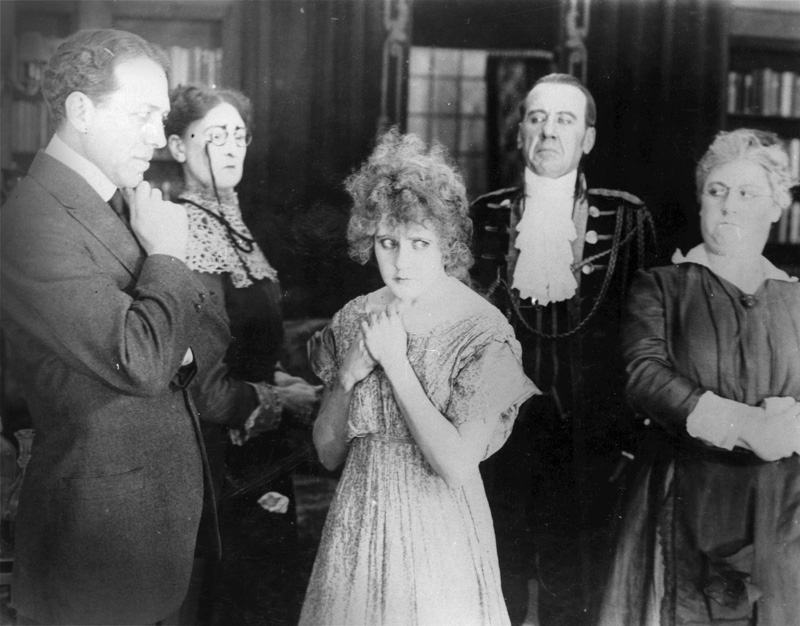
For two years, Peggy resides in Devereaux's opulent home, undergoing a profound metamorphosis. She is tutored, refined, and exposed to a world of civility and privilege previously unimaginable. Devereaux's efforts are not without their challenges, but they are "variously successful," implying a nuanced journey of growth and occasional backsliding, a realistic portrayal of human development. Peggy blossoms from a street urchin into a poised young woman, her innate intelligence and adaptability shining through the veneer of her past. This period of transformation is crucial, not just for her external appearance and manners, but for her internal landscape. She learns not only proper etiquette but also the values of honesty, integrity, and self-worth. It is a testament to the power of environment and mentorship. As she reaches young womanhood, a suitor emerges, proposing marriage, and Peggy, perhaps out of gratitude, societal expectation, or a genuine affection, accepts. The path seems clear, a happy, conventional future stretching before her. However, in a stroke of narrative genius, the film delivers its most potent emotional twist at the very precipice of this new life. Standing at the altar, moments before pledging her vows, Peggy is struck by a searing, undeniable revelation: she is not in love with her fiancé, but with George Devereaux, her benefactor, her mentor, the man who painstakingly rebuilt her life. This sudden, overwhelming realization is a testament to the complex nature of human emotion, where gratitude can subtly evolve into a deeper, romantic affection. It’s a moment of profound emotional upheaval, reminiscent of the intricate romantic entanglements and sudden epiphanies found in dramas like Arizona or The Commanding Officer, where characters confront unexpected truths about their hearts. In consternation, she flees the wedding, her carefully constructed future crumbling around her. This act of defiance, while seemingly impulsive, signifies a deeper commitment to her authentic self, a refusal to live a lie, even a comfortable one. Her subsequent decision to return to her "old life," or at least to depart Devereaux's home without explanation, is a desperate attempt to reconcile her turbulent emotions, a retreat into the familiar unknown rather than facing the implications of her newfound love.
As Peggy grapples with her emotional turmoil and departs from Devereaux's protective sphere, the narrative threads meticulously woven throughout the film begin to converge with chilling precision. Unbeknownst to her, and indeed to Devereaux, Bill Carson's long term of imprisonment has finally concluded. The years have done little to dull the edge of his vengeful resolve; if anything, they have sharpened it into a singular, unwavering purpose. He seeks to conclude his long-held vendetta, not through dialogue or legal recourse, but through the ultimate act of retribution: shooting George Devereaux. The stage is set for a dramatic, almost inevitable, confrontation. Carson, a shadowy figure consumed by his past, waits in ambush for Devereaux to emerge from his home, hiding behind a tree, a silent harbinger of impending doom. This meticulous planning, this patient biding of time, underscores the depth of his grievance and the unyielding nature of his oath. The tension in these moments, even in a silent film, must have been palpable, conveyed through the actors' expressions and the deliberate pacing of the scene. The audience is held captive, aware of the collision course these characters are on, yet unaware of the precise moment or manner of impact. This kind of escalating tension, where past grievances threaten to erupt into violent present-day consequences, is a hallmark of compelling drama, much like the intricate plotting found in films such as The Black Envelope or Sonka zolotaya ruchka, where characters' past misdeeds or promises inevitably catch up to them. The irony of Peggy's flight from Devereaux's home, unknowingly placing her back into the path of her father's destructive mission, adds another layer of tragic complexity to this unfolding drama.
The climax of "The Great Problem" is a breathtaking tableau of sacrifice and instantaneous transformation, a moment that encapsulates the film's profound moral and emotional core. Just as Carson, hidden in the shadows, levels his revolver at Devereaux, prepared to unleash the culmination of his twelve-year-old vow, Peggy appears. Her sudden recognition of her father, combined with her understanding of his murderous intent, triggers an immediate, visceral response. Without hesitation, without a thought for her own safety, she throws herself before her father, intercepting the bullet meant for Devereaux. It is an act of pure, unadulterated self-sacrifice, a profound testament to the depth of her love for the man who saved her from the streets, and perhaps, a desperate, final plea to the father she barely knew. This singular, heroic act shatters the cycle of vengeance. The bullet, intended to destroy, instead becomes an instrument of revelation and redemption. Carson, witnessing his own daughter fall by his hand, albeit accidentally, is instantaneously stripped of his hatred. The years of bitterness, the consuming desire for revenge, dissipate in a flash of horrified realization. His daughter's blood on his hands, a consequence of his own destructive path, forces a seismic shift in his moral compass. This moment of extreme drama, where a character's entire worldview is irrevocably altered by a single, impactful event, is a powerful narrative tool, often seen in films dealing with high stakes and moral awakening, such as The Mystery of St. Martin's Bridge or Black Fear, where life-or-death situations force characters to confront their deepest truths. Peggy's sacrifice is not just for Devereaux; it is, more profoundly, for her father, offering him a path to expiation and a chance at true reformation, something no prison sentence could ever achieve. The sheer emotional weight of this scene, portrayed through the raw, expressive acting typical of the silent era, would have left audiences spellbound, demonstrating the potent power of love and sacrifice to overcome even the most entrenched hatred.
The aftermath of the shooting brings not despair, but a profound and hopeful resolution. Peggy, against all odds, recovers from her wound, a symbolic resurrection that mirrors the spiritual rebirth of her father. Carson, truly reformed by the traumatic events, sheds his vengeful persona, embracing the opportunity for genuine change. This isn't a superficial conversion but an "avowed reformation," implying a deep, internal commitment to a different path, forged in the crucible of nearly losing his daughter. The film culminates with Peggy once more established happily in Devereaux's home, an image that transcends mere domestic comfort. It signifies her full and complete integration, not just into a luxurious lifestyle, but into a family, a community, and a future built on love and mutual respect. The final picture, depicting her in this cherished setting, strongly suggests that she will, "in legal and ceremonial form," eventually become a permanent resident. This subtly hints at marriage to Devereaux, fulfilling the romantic arc that began with her revelation at the altar. It’s a beautifully understated ending that eschews overt declarations for a powerful implication of enduring happiness and stability. The film thus wraps its complex themes of crime, punishment, reform, and love into a satisfying conclusion, demonstrating that even the gravest problems can find resolution through empathy, sacrifice, and the enduring human capacity for change. It's a testament to the power of forgiveness and the idea that true justice often lies not in retribution, but in redemption. This optimistic vision, while perhaps idealistic, offered a poignant message to early 20th-century audiences grappling with social issues and the role of rehabilitation, much like the hopeful tones in Artie, the Millionaire Kid, which also explores paths to moral rectitude and societal acceptance. "The Great Problem" leaves us with a sense of completion, a belief that love, when truly discovered and acted upon, possesses the ultimate power to heal old wounds and forge new beginnings.
"The Great Problem," while primarily known for its compelling narrative, also offers a fascinating window into the early craft of filmmaking. Rex Ingram, credited as the writer, demonstrates a keen understanding of dramatic structure and character development, weaving together multiple storylines into a cohesive and impactful whole. The silent film era relied heavily on the visual eloquence of its actors and the evocative power of its intertitles to convey emotion and plot. The performances by Lionel Adams, Howard Crampton, and especially Kittens Reichert (presumably as young Peggy, though the prompt doesn't specify ages, her name suggests youth), Mathilde Brundage, William Dyer, Nora Cecil, Dan Hanlon, and Violet Mersereau would have been central to bringing these complex characters to life. Silent film acting, often characterized by its expressive gestures and heightened facial expressions, was a unique art form, capable of communicating profound internal struggles and passionate external reactions without a single spoken word. The pacing, the use of close-ups to emphasize emotional moments, and the overall visual composition would have played a crucial role in maintaining audience engagement and driving the narrative forward. While we lack the opportunity to delve into specific directorial choices here, the strength of the story itself implies a competent and sensitive hand guiding its realization. The film's enduring appeal lies not just in its historical significance but in its timeless exploration of universal human experiences: the corrosive nature of vengeance, the redemptive potential of love, the complexities of social justice, and the transformative power of self-sacrifice. It challenges us to consider the origins of criminality, the efficacy of rehabilitation, and the profound, often unexpected, ways in which human connections can alter the course of fate. Even when compared to more overtly action-packed contemporary films like The Battle of Ballots or the investigative thrills of Midnight at Maxim's, "The Great Problem" carves its own niche through its powerful emotional depth and its unwavering focus on the moral landscape of its characters. It stands as a testament to the fact that early cinema, far from being primitive, was capable of delivering sophisticated, emotionally resonant narratives that continue to speak to audiences a century later, reminding us that some human "problems" are indeed great, but so too is the capacity for love and redemption.

IMDb 7.1
1919
Community
Log in to comment.