Summary
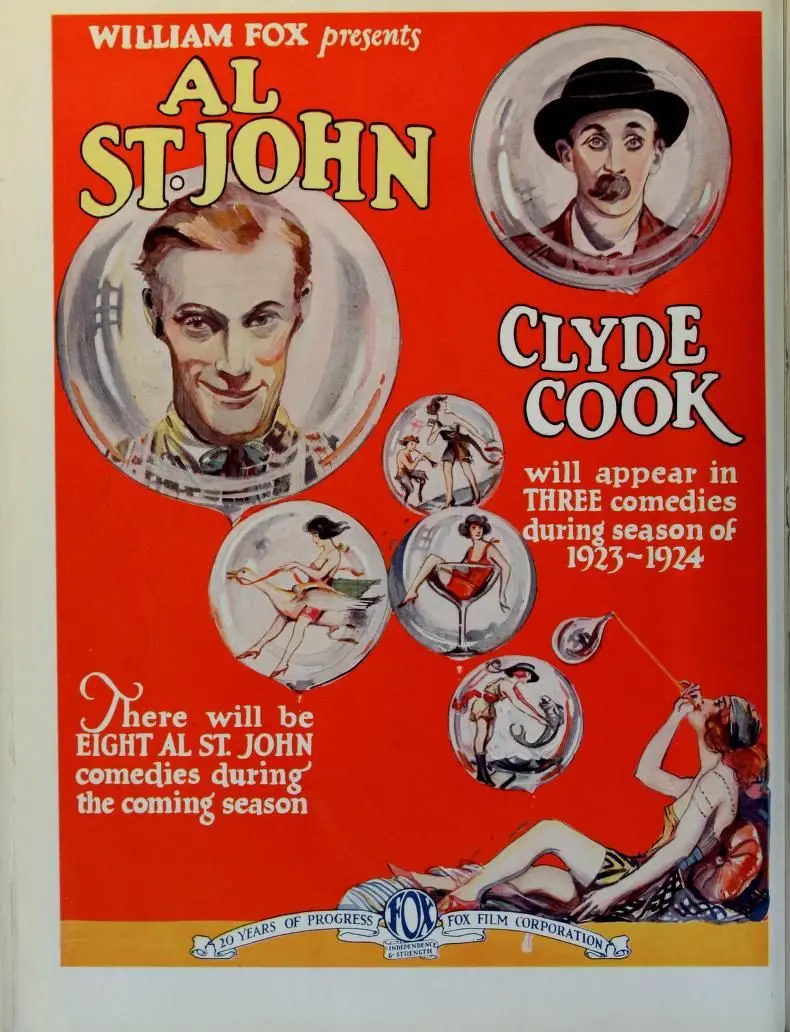
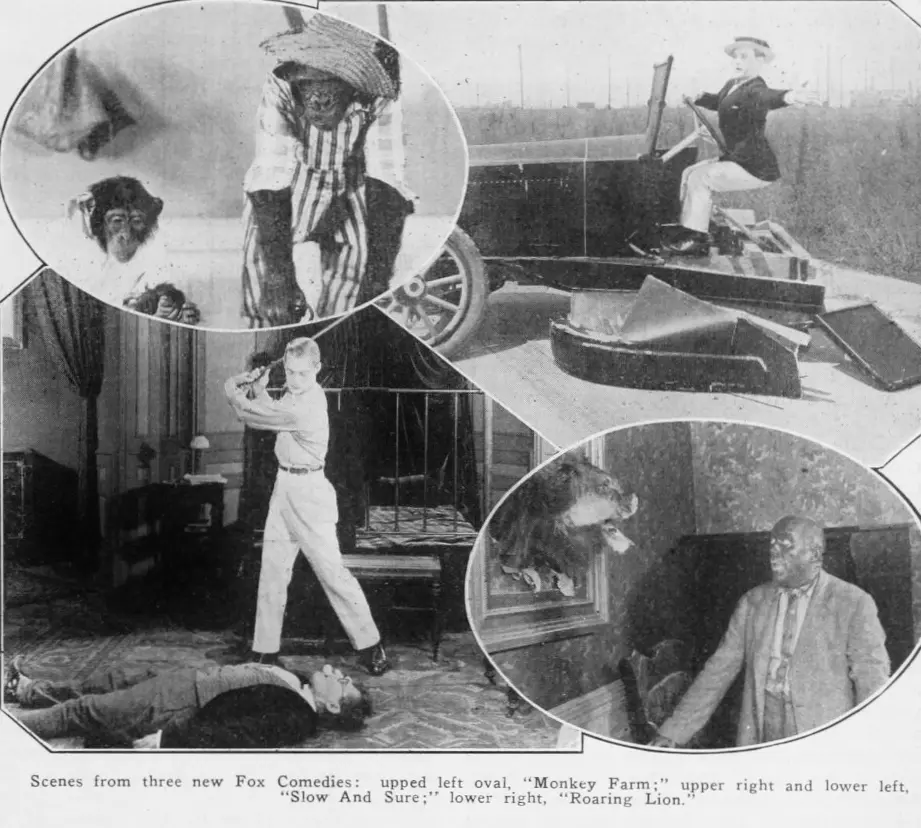
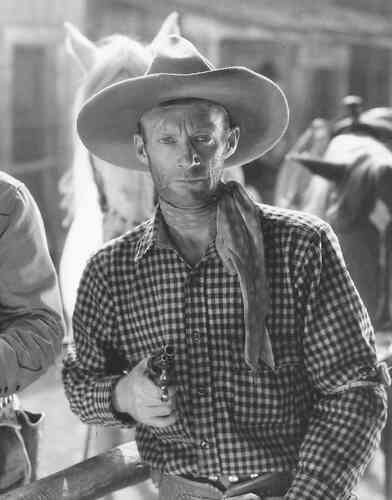
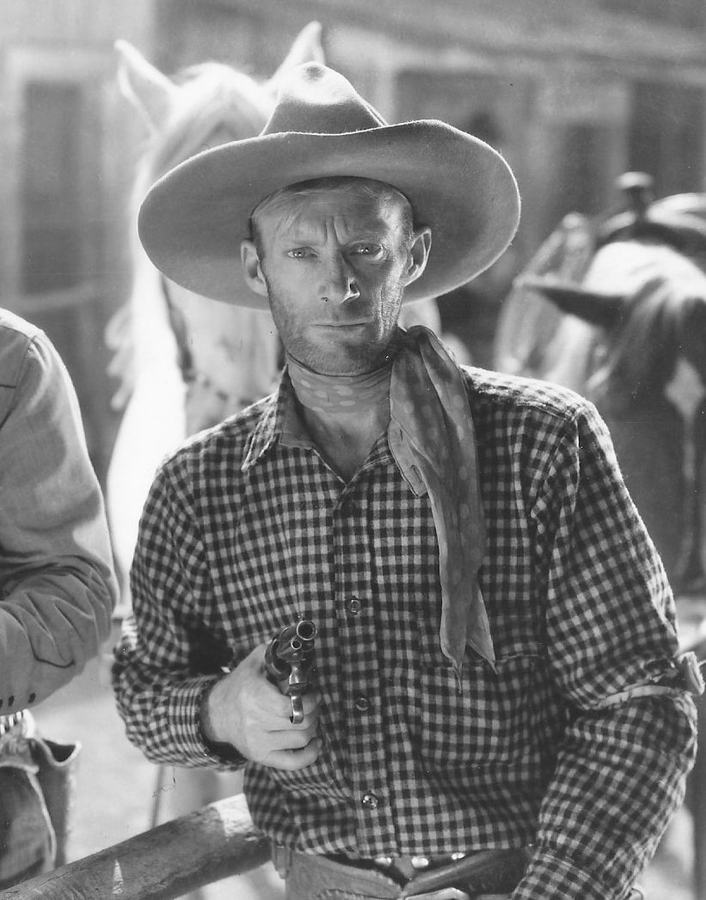
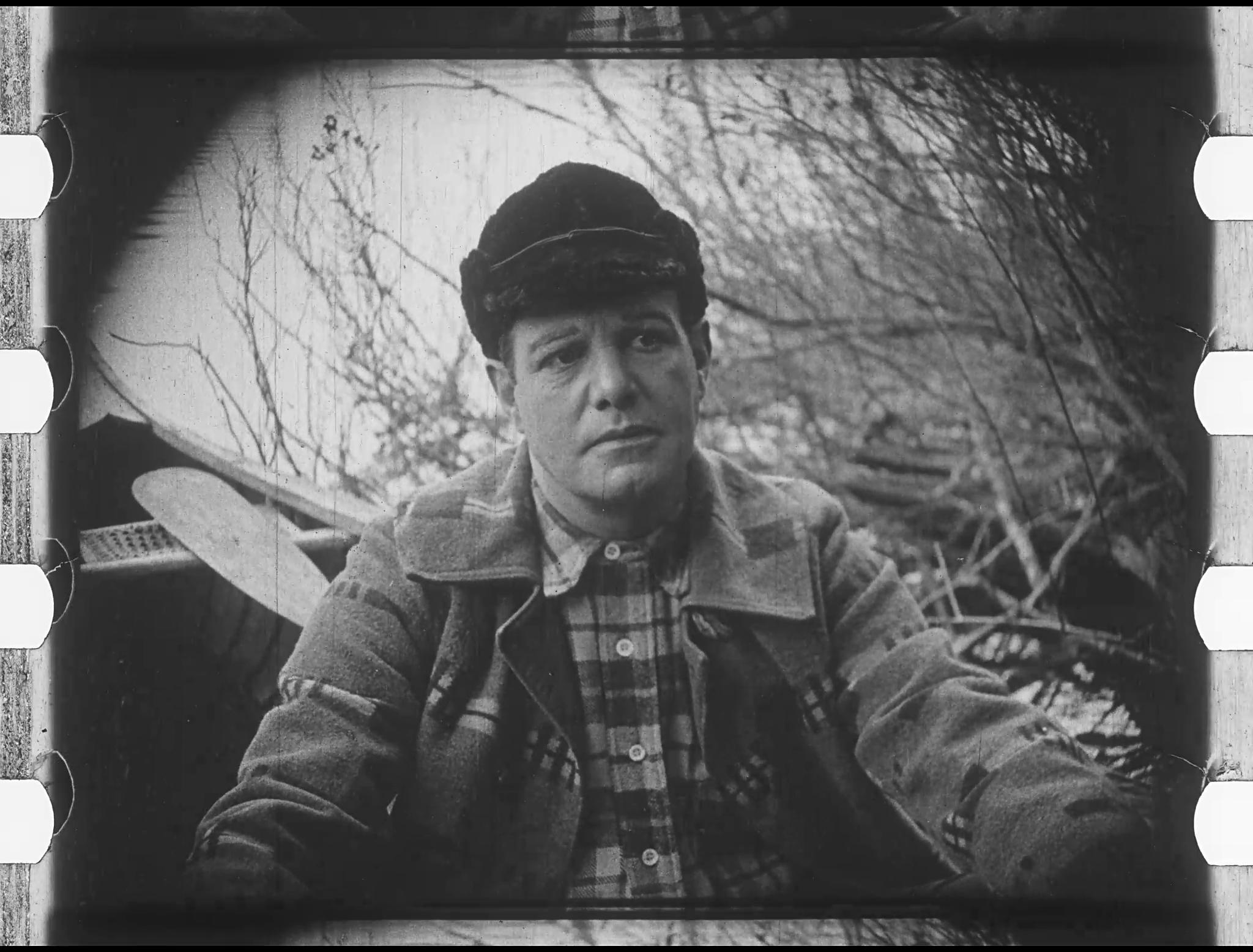
In the waning days of the silent era, "Slow and Sure" unfurls as a measured meditation on ambition and the quiet heroism of the everyman. Al St. John, whose lanky visage once animated the slapstick reels of the 1910s, assumes the role of Jasper Whitaker, a modest clockmaker whose workshop sits on the edge of a bustling Midwestern town. When a wealthy railroad magnate proposes a lucrative contract to supply precision timepieces for his new transcontinental line, Jasper hesitates, fearing the encroachment of industrial speed upon his artisanal rhythm. The narrative progresses through a series of meticulously staged vignettes: Jasper's tender interactions with his sister Lila, whose yearning for a life beyond the confines of their modest home mirrors his own internal conflict; a comically chaotic town fair where Jasper's invention—a self-winding pocket watch—malfunctions spectacularly, yet endears him to the townsfolk; and a clandestine midnight meeting with the magnate's enigmatic daughter, Eleanor, whose own rebellion against familial expectations adds a lyrical counterpoint. As the railroad project accelerates, the film juxtaposes the relentless ticking of factory whistles with the deliberate, resonant chimes of Jasper's handcrafted clocks, crafting a visual symphony that underscores the thematic tension between haste and deliberation. The climax arrives when a catastrophic derailment—precipitated by a faulty time signal—forces Jasper to confront the consequences of unchecked progress. In a poignant denouement, he offers his expertise to recalibrate the railway's timing mechanisms, thereby affirming that measured craftsmanship can coexist with modernity. The film closes on a lingering shot of Jasper's shop window, its glass reflecting the amber glow of a setting sun, symbolizing a world where patience and precision endure beyond the clamor of industrial ambition.
Review Excerpt
"
A Deliberate Pace in a Frenzied Era
When "Slow and Sure" first flickered across the silver screen, audiences accustomed to the rapid-fire antics of Chaplin and Keaton might have expected a raucous romp. Instead, director Harold Whitman (not to be confused with the film’s protagonist) offers a contemplative tableau, inviting viewers to linger on each meticulously composed frame. The decision to foreground Al St. John—a performer renowned for his kinetic slapstick—in a role demanding restrain..."