DbcultAccessing Vault...
6.6/10
Senior Film Conservator
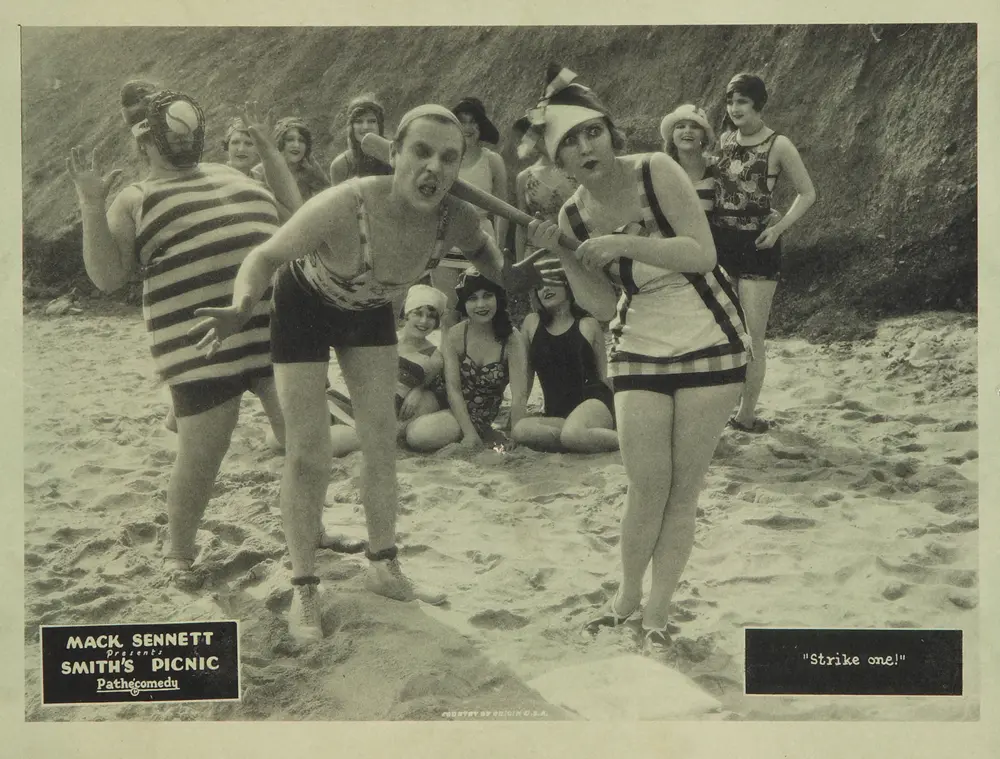
A definitive 6.6/10 rating for a film that redefined the boundaries of cult cinema. Smith's Picnic remains a cornerstone of transgressive art.
Is “Smith's Picnic” worth watching today? Short answer: yes, but with significant caveats. This silent-era short offers a fascinating glimpse into the foundational mechanics of screen comedy, yet it demands a certain patience and appreciation for historical context.
This film is for dedicated cinephiles, students of silent cinema, and those with a nostalgic affection for physical comedy that predates sound. It is decidedly NOT for viewers seeking intricate plots, sophisticated humor, or high production values akin to modern blockbusters.
This film works because... it distills the essence of silent slapstick into a concise, energetic package, showcasing a talented ensemble's mastery of physical timing and expression.
This film fails because... its narrative is thin even for a short, relying heavily on repetitive gags that, for contemporary audiences, might feel dated or overly simplistic.
You should watch it if... you are genuinely curious about the roots of screen comedy and enjoy the raw, unadulterated joy of performers like George Gray and Tiny Ward at their most physical.
“Smith's Picnic” is not merely a film; it is a time capsule, a vibrant, if slightly faded, snapshot of early cinematic humor. Directed with a keen eye for physical comedy, it exemplifies the era's reliance on broad strokes and exaggerated performances to elicit laughter. The premise is simple, almost archetypal: a family outing goes spectacularly awry. This simplicity, however, is its genius.
The film understands that sometimes, the greatest humor springs from the most relatable frustrations. Who hasn't experienced the minor indignities of an outdoor meal? The wind, the insects, the ill-behaved children – “Smith's Picnic” takes these everyday annoyances and inflates them into a grand, farcical spectacle.
What truly sets it apart, for me, is the sheer commitment of its ensemble. Every actor, from the central figures to the peripheral characters, throws themselves into the escalating mayhem with an admirable lack of self-consciousness. It’s a testament to the power of pure performance.
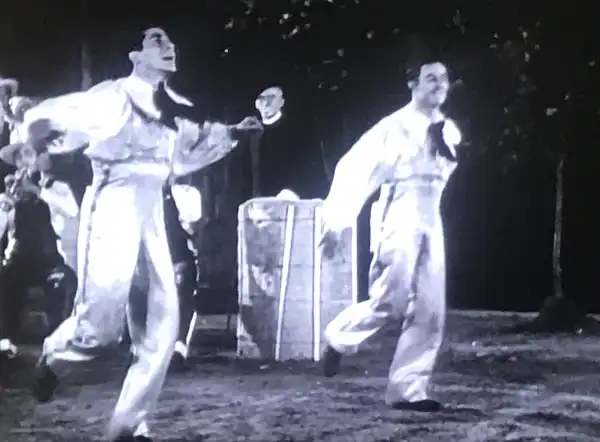
In the silent era, an actor's body was their most potent tool. Dialogue was absent, and facial expressions, gestures, and physical comedy had to carry the entire narrative and emotional weight. “Smith's Picnic” is a fantastic demonstration of this principle, with its large cast navigating a meticulously choreographed landscape of impending disaster.
George Gray, as the patriarch, is particularly noteworthy. His character isn't just clumsy; he embodies a kind of Sisyphean struggle against the forces of nature and domestic chaos. Observe his increasingly frantic attempts to secure the picnic blanket against a mischievous breeze – a sequence that perfectly blends frustration with escalating physical comedy, culminating in a tangle that leaves him resembling a human pretzel.
Sunshine Hart, playing the long-suffering matriarch, provides a vital anchor. Her expressions, often a mixture of exasperation and weary resignation, ground the more outlandish gags. She doesn't need intertitles to convey her long-suffering patience; it's etched onto her face with every spilled thermos and overturned basket.
The inclusion of Tiny Ward is a stroke of genius. His formidable physical presence is utilized for maximum comedic effect, whether he's inadvertently blocking a crucial pathway or becoming an immovable obstacle in a chase scene. His bulk isn't merely a visual gag; it’s integrated into the very fabric of the film's chaotic choreography, making every movement a potential source of further pandemonium. Consider the moment he attempts to help set up a collapsible table, only to become hopelessly entangled beneath it, his legs flailing like an overturned beetle.
Even Omar the Dog earns his keep, delivering some of the film's most delightful and unexpected moments of animal-led mischief. His opportunistic theft of a sandwich, leading to a frantic pursuit across the picnic grounds, is a classic example of how silent comedies leveraged animal actors for spontaneous, unpredictable humor. The children, Mary Ann Jackson and Mary Maybery, are not merely cute; their boundless energy and innocent destructiveness serve as a constant catalyst for the adults' woes, their synchronized mischief a joy to behold.
The direction in “Smith's Picnic,” while uncredited to a single individual, clearly benefits from the collaborative spirit of the time, with writers like Grover Jones and Randall Faye shaping the comedic beats. The film’s strength lies in its clear, uncluttered framing, which allows the physical gags to play out with maximum impact.
There's a consistent use of wide shots that capture the entire ensemble, emphasizing the collective chaos rather than isolating individual performances. This choice is crucial for a film where the humor often arises from the interaction and collision of multiple characters within a single frame. Think of the climactic food fight, where every flung pie and splattered beverage is visible, creating a symphony of gooey destruction.
The cinematography, while not groundbreaking by today's standards, is remarkably effective for its purpose. The camera is static for long stretches, allowing the performers to fill the frame with their antics. This deliberate choice forces the audience to engage with the physical comedy on its own terms, without the distraction of rapid cuts or elaborate camera movements. It's a humble, yet powerful, approach.
The use of natural light is also notable, lending an authentic, sun-drenched feel to the outdoor setting. This isn't a studio creation; it feels like a genuine day out, which only heightens the irony of the ensuing disasters. The visual clarity ensures that every pratfall, every spilled drink, and every exasperated glance is perfectly legible to the audience.
For a short film, “Smith's Picnic” maintains an impressive pace. It moves with a relentless energy, building from minor annoyances to full-blown pandemonium. There's little downtime, the narrative instead opting for a continuous escalation of gags. This rapid-fire approach is characteristic of silent shorts, designed to keep audiences engaged without the aid of spoken dialogue.
The film's tone is overtly lighthearted and farcical. There are no dark undertones or complex emotional arcs; it's pure, unadulterated escapism. This commitment to simple, joyous humor is refreshing. It doesn't try to be anything more than what it is: a series of well-executed gags designed to elicit laughter.
The comedic timing, a hallmark of silent cinema, is impeccable. Each gag lands with precision, often building upon the previous one. The sequence where the family attempts to set up a tent, for instance, starts with a simple struggle against poles and fabric, but quickly spirals into a tangle of limbs and canvas, a perfect ballet of ineptitude. This progression is key to its sustained comedic energy.
Absolutely, if you approach it with the right mindset. “Smith's Picnic” is more than just a relic; it's a foundational text in the history of screen comedy. It offers invaluable insights into how humor was constructed and delivered before the advent of sound. For anyone interested in the evolution of film, it's a mandatory viewing experience. It's an unpretentious piece of cinema that offers genuine laughs, even a century later.
However, for casual viewers accustomed to modern pacing and narrative complexity, it might feel rudimentary. The gags, while expertly performed, are simple. The plot, as mentioned, is minimal. It requires an appreciation for the historical context and the craft of physical comedy. If you can embrace its historical charm, you'll find genuine delight.
This film, much like A Close Shave or Bow Wow, represents a specific moment in cinematic development. It works. But it’s flawed. It’s a snapshot, not a grand epic. And sometimes, that’s exactly what you need.
“Smith's Picnic” is a delightful, if unpretentious, piece of silent cinema that serves as a vital reminder of comedy's roots. It's a film that demands a certain historical appreciation, but rewards it with genuine laughs and a fascinating glimpse into the art of physical performance. While it won't redefine your cinematic palate, it will certainly entertain, providing a charming, chaotic half-hour of pure, unadulterated slapstick.
It’s a film that confidently asserts its place in the silent comedy canon, not through grand pronouncements, but through the simple, effective power of a well-timed pratfall. Go in with an open mind, and let the Smiths' disastrous day bring a smile to yours. It's an essential watch for cinephiles, and a pleasant diversion for almost anyone else. Just don't forget your own picnic basket—and perhaps a stronger resolve against squirrels.

IMDb —
1923
Community
Log in to comment.