DbcultAccessing Vault...
Cult Review
Senior Film Conservator
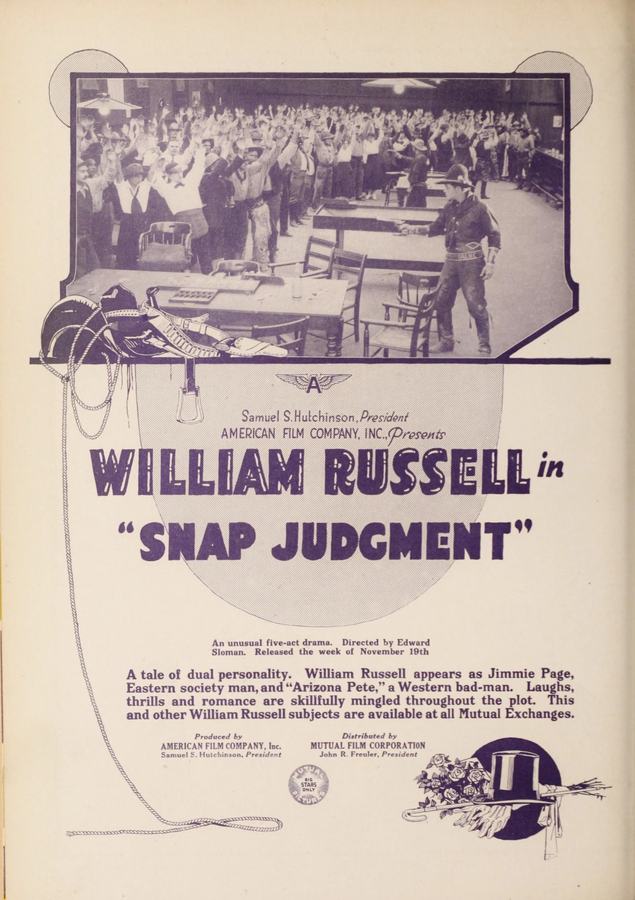
In the annals of early cinema, where narratives often grappled with the nascent language of visual storytelling, a film like Snap Judgment emerges as a fascinating, albeit often overlooked, artifact. Penned by the imaginative Chester B. Clapp, this silent-era drama is far more than a simple morality play or a straightforward adventure. It is a meticulously crafted, if somewhat convoluted, exploration of coincidence, identity, and the fragile threads that bind human relationships. Released at a time when cinema was rapidly evolving from mere spectacle to sophisticated narrative art, Snap Judgment stands as a testament to the ambitions of its creators, pushing the boundaries of what a silent film could achieve in terms of plot complexity and emotional resonance.
The film plunges us headfirst into the life of James Page, portrayed with earnest conviction by William Russell, on what should be the most joyous day of his existence: his wedding to Marah Manning, brought to life by the expressive Francelia Billington. Yet, from the outset, fate, or perhaps a series of unfortunate cosmic jokes, conspires against him. An untimely oversleep sets off a chain reaction that will ultimately unravel his carefully planned future. Rushing with a frantic urgency to his bride’s home, James stumbles upon a violent assault on Jed Baldwin. His innate sense of justice compels him to intervene, a heroic act that, in a cruel twist of irony, lands him in the clutches of the law. This initial injustice, a stark commentary on the fallibility of swift legal processes, immediately establishes the film's central preoccupation: how easily perception can be divorced from reality, and how quickly one's reputation can be shattered by circumstantial evidence.
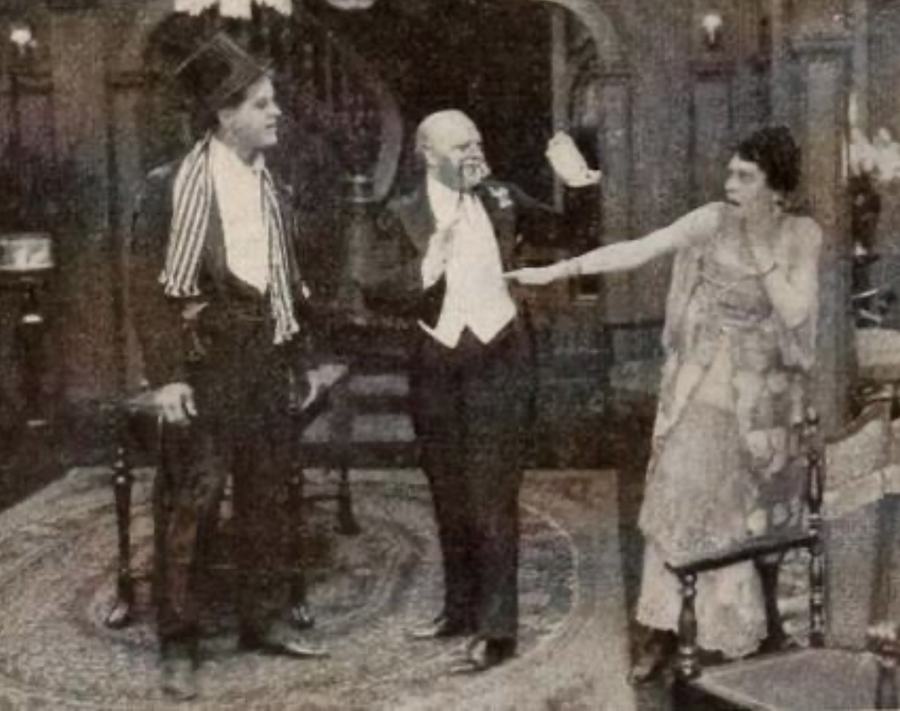
Upon his release, James finds his world irrevocably altered. Marah, understandably distraught and misinterpreting his absence as abandonment or indifference, has made the heartbreaking decision to call off their wedding. Her anguish, conveyed through Billington's poignant expressions and gestures, is palpable, highlighting the profound emotional cost of miscommunication. Dejected and adrift, James seeks solace and a new beginning, embarking on a westward journey with the very man he rescued, Jed Baldwin. This migration to the American frontier, a common trope in early cinema, often symbolized a fresh start or an escape from past troubles, yet for James, it merely serves as a catalyst for an even more profound descent into chaos. The untamed landscape of Arizona, a backdrop frequently utilized in films like The Indian Wars or The Seekers to signify challenge and lawlessness, becomes the arena for James’s ultimate trial.
It is here, in the rugged expanse of the West, that James’s troubles escalate from personal misfortune to a full-blown existential crisis. He is mistaken for the notorious outlaw, Pete Rawley, a character brought to menacing life by Clarence Burton, whose imposing presence effectively establishes him as a formidable antagonist. This case of mistaken identity, the very engine of the film's dramatic tension, is executed with a relentless precision that keeps the audience on tenterhooks. James, once again, finds himself unjustly incarcerated, a victim of a cruel twist of fate that seems determined to strip him of his liberty and his good name. The narrative shrewdly plays on the audience's understanding of the justice system's inherent flaws, particularly in a frontier setting where due process might be a luxury.
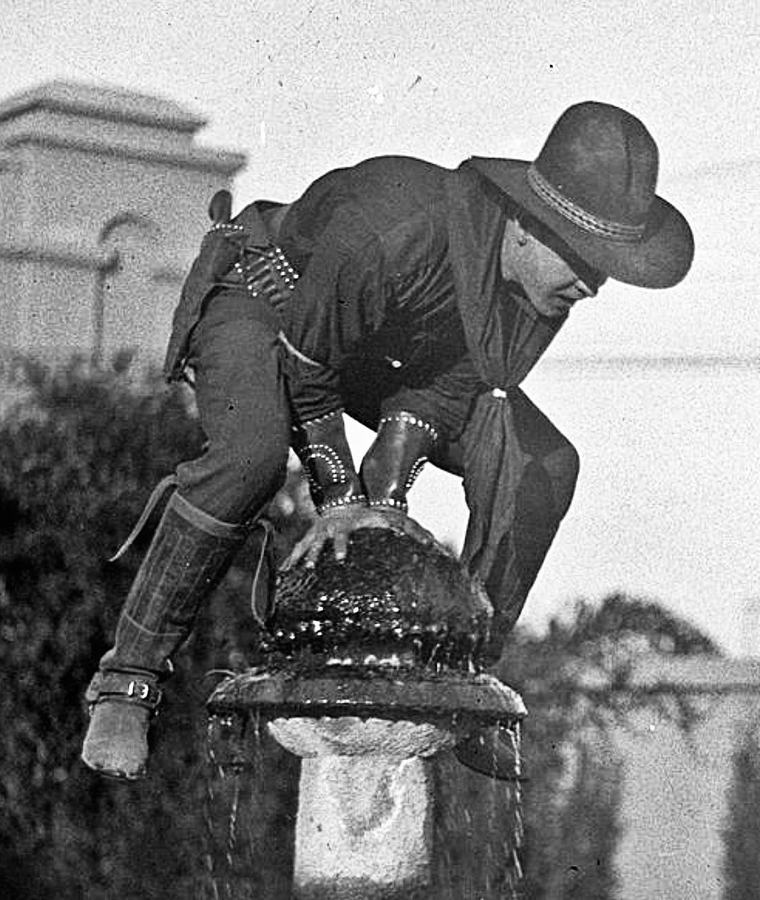
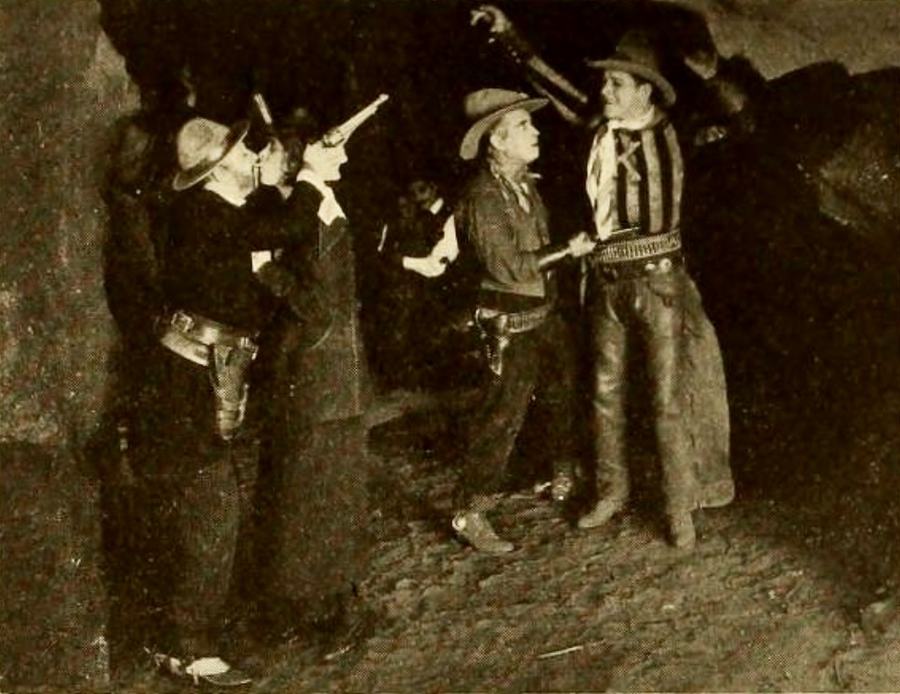
Meanwhile, unaware of James's plight, Marah and her father embark on their own perilous quest, venturing westward in search of the vanished groom. Their journey is fraught with peril, culminating in their abduction by the real Pete Rawley. The irony is excruciating: they are taken to Rawley's remote mountain retreat, convinced that their captor is none other than James, the man Marah had loved and then scorned. This double layer of mistaken identity — James imprisoned for Rawley's crimes, and Marah believing James to be her captor — creates a narrative tapestry of profound dramatic irony, a technique Clapp masterfully deploys to heighten emotional stakes and audience engagement. The tension mounts as the audience is privy to the true identities, while the characters remain tragically enmeshed in their misperceptions.
The plot thickens further with the introduction of Phoebe, Rawley’s sweetheart, portrayed by Ruth Everdale. In a pivotal development, Phoebe, also mistaking James for her beloved Pete, aids him in an escape from his wrongful imprisonment. This act, born of misguided loyalty, inadvertently propels James directly into the lion's den. Phoebe, believing she is reuniting with her outlaw lover, leads James to the mountain retreat where Marah and her father are being held. This convergence of storylines, orchestrated with remarkable ingenuity, sets the stage for the climactic confrontation. The narrative’s careful construction of these intersecting paths, where every twist of fate seems to exacerbate the misunderstanding, is truly commendable for its era, demonstrating a sophistication that rivals more contemporary thrillers.
The success of such a complex silent narrative hinges entirely on the prowess of its cast to convey emotion and intent without dialogue. William Russell, as James Page, delivers a performance imbued with a compelling blend of innocence and resilience. His facial expressions and body language eloquently articulate James’s bewilderment, despair, and ultimately, his unwavering resolve. Francelia Billington, as Marah, is equally compelling. Her portrayal of a woman torn between love and betrayal, doubt and hope, is nuanced and deeply affecting. The audience witnesses her journey from a joyous bride to a heartbroken accuser, and finally, to a woman capable of profound forgiveness. Her performance is a masterclass in silent film acting, where every gesture and gaze carries immense weight.
Clarence Burton, as the villainous Pete Rawley, exudes a menacing aura that perfectly contrasts with Russell’s more sympathetic hero. His physicality and intense gaze effectively distinguish the true outlaw from his wrongfully accused counterpart. The subtle differences in their portrayals, despite their supposed resemblance, are crucial for the audience to follow the intricate plot. Ruth Everdale’s Phoebe, though a secondary character, plays a vital role in advancing the narrative. Her misguided loyalty and eventual realization add another layer of human complexity to the tale. The supporting cast, including Perry Banks, Ashton Dearholt, Bull Montana, Adda Gleason, Harvey Clark, and Charles Newton, contribute to the rich tapestry of frontier life and the unfolding drama, each adding depth to the bustling world of the film.
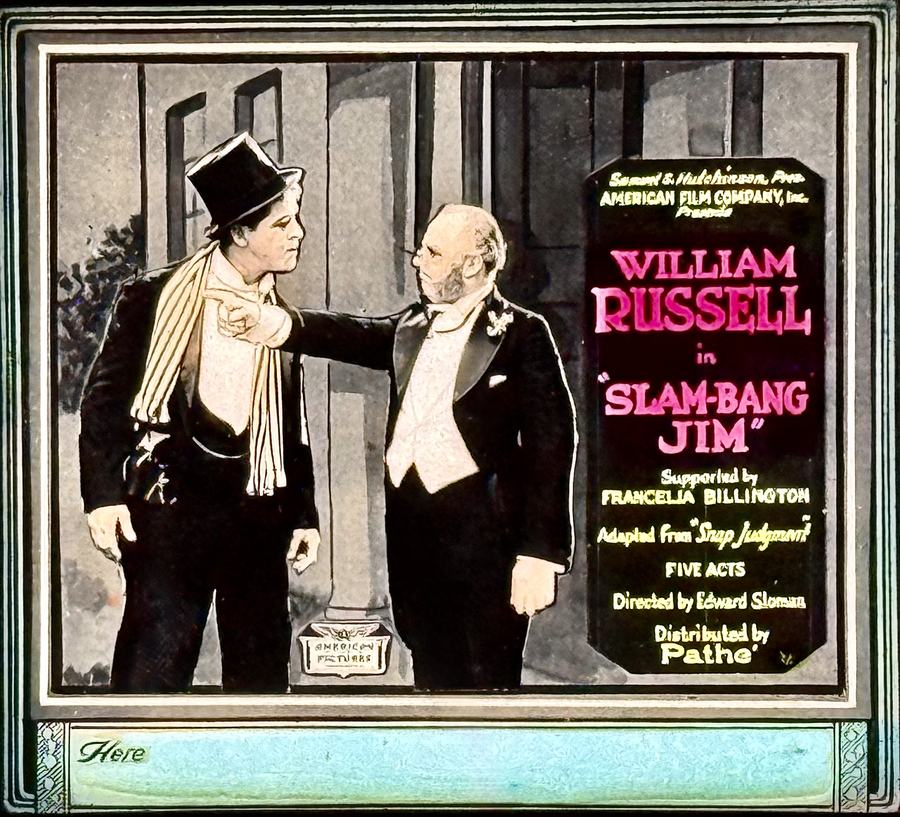
At its core, Snap Judgment is a profound meditation on the nature of perception and reality. The theme of mistaken identity is not merely a plot device but a lens through which the film explores deeper truths about human judgment, trust, and the consequences of hasty conclusions. James’s repeated arrests and Marah’s conviction of his culpability underscore the fragility of justice and the destructive power of assumption. This aligns with broader societal concerns of the era, where reputation could be easily tarnished. The film implicitly asks: how well do we truly know those we love, and how much weight do we give to appearances?
Furthermore, the film delves into themes of heroism and sacrifice. James’s initial act of bravery, though it precipitates his misfortunes, establishes his inherent goodness. His resilience in the face of adversity, his relentless pursuit of justice and his beloved, speaks to a deeply ingrained moral compass. The journey of forgiveness, particularly Marah’s eventual reconciliation with James, forms the emotional bedrock of the narrative. It suggests that true love endures beyond superficial misunderstandings and requires a willingness to look beyond initial impressions, a sentiment echoed in other narratives of moral reckoning like Redeeming Love.
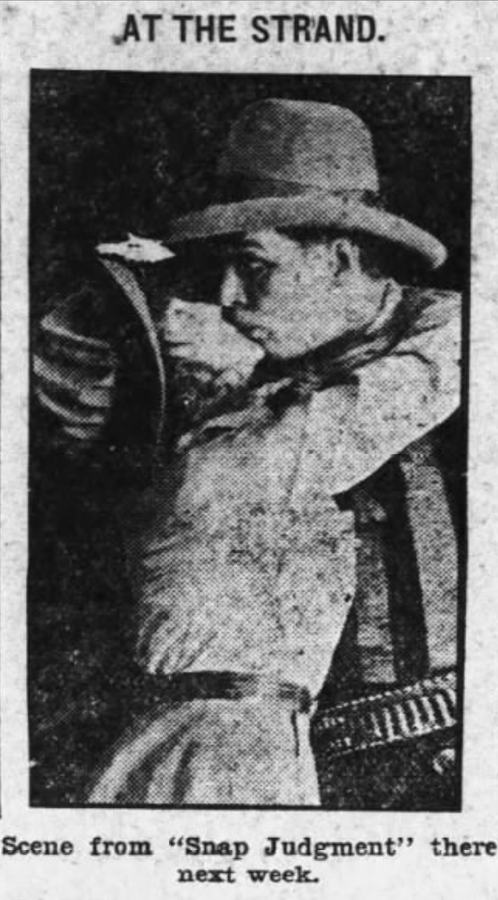
While specific directorial credits for such early films can sometimes be elusive, the execution of Snap Judgment demonstrates a keen understanding of cinematic language. The pacing is remarkably adept, balancing moments of frantic action with periods of emotional introspection. The use of intertitles is skillful, providing necessary exposition without disrupting the visual flow, a common challenge in silent film production. Cinematography plays a crucial role in establishing both the intimacy of personal drama and the expansive scale of the Western landscape. Shots are often framed to emphasize the isolation of the characters, particularly during their journeys across the frontier, or to highlight the intensity of their emotional turmoil through expressive close-ups.
The film's visual storytelling relies heavily on symbolic imagery and carefully choreographed action sequences. For instance, the stark contrast between the bustling city, representing order and societal expectations, and the lawless West, where identity is fluid and justice is arbitrary, is visually articulated. The mountain retreat, a place of confinement and misunderstanding, serves as a powerful symbol of the characters' entrapment within the web of deception. Compared to films like Bjørnetæmmeren or Clown Charly, which might prioritize spectacle or character performance over intricate plotting, Snap Judgment showcases a more ambitious approach to narrative construction, demonstrating the growing sophistication of the medium.
Snap Judgment is a prime example of the rich storytelling that flourished during the silent era, a period often underestimated for its narrative depth. It predates the advent of synchronized sound, relying solely on visual cues, musical accompaniment (often live), and intertitles to convey its intricate plot. This reliance on visual literacy forced filmmakers to develop highly expressive techniques, many of which remain foundational to cinematic grammar today. The film’s exploration of mistaken identity, while not unique, is handled with a particularly dense layering of misunderstandings, setting a precedent for future thrillers and dramas that would exploit this trope. It’s a compelling predecessor to countless narratives where a hero is wrongfully accused, a theme that resonates across various genres and eras, often exploring the moral fabric of society itself.
The film’s resolution, where Pete and Phoebe escape across the border, and Marah ultimately forgives James, offers a satisfying, if somewhat swift, conclusion to the convoluted events. It emphasizes the idea that while justice may not always be perfectly served in the legal sense, emotional and moral reconciliation can still be achieved. The final act of forgiveness is not merely a convenient plot wrap-up but a powerful statement on the resilience of human connection and the capacity for empathy even after profound betrayal and misunderstanding. It's a reminder that even the most tangled webs of deceit can be unraveled by truth and compassion.
In conclusion, Snap Judgment is a remarkably ambitious and engaging silent film that deserves a wider audience and greater critical appreciation. Chester B. Clapp’s screenplay is a masterclass in intricate plotting, demonstrating a narrative sophistication that belies its early cinematic origins. The performances of William Russell and Francelia Billington are particularly noteworthy, conveying a spectrum of human emotion with an intensity that transcends the absence of spoken dialogue. While the plot’s reliance on a series of improbable coincidences might occasionally test the viewer’s suspension of disbelief, it is precisely this audacious complexity that makes the film so compelling. It serves as a vibrant example of how early filmmakers were already pushing the boundaries of storytelling, crafting narratives that explored profound human dilemmas and the chaotic interplay of fate and free will.
For enthusiasts of silent cinema, or anyone interested in the evolution of narrative film, Snap Judgment offers a rich and rewarding viewing experience. It is a compelling testament to the power of visual storytelling and a reminder that even in the nascent years of the medium, filmmakers were capable of producing works of intricate design and enduring thematic relevance. Its exploration of mistaken identity, justice, and the arduous path to forgiveness resonates with a timeless quality, proving that a truly captivating story needs no spoken words to leave an indelible mark. This film is not just a historical curiosity; it is a vibrant, dramatic piece of cinematic art that continues to engage and provoke thought, affirming its place as a significant, if unsung, contribution to the silent film canon.
IMDb 8.2
1918
Community
Log in to comment.