DbcultAccessing Vault...
5.7/10
Senior Film Conservator
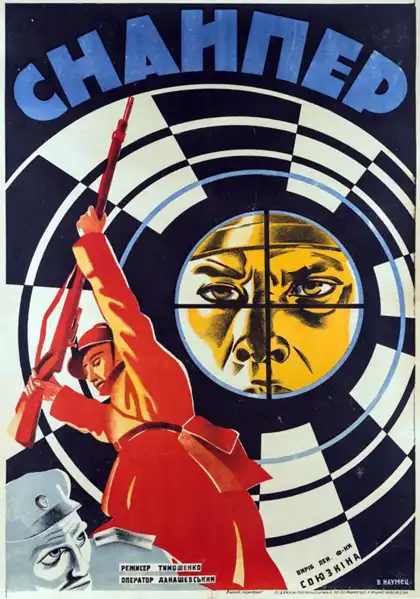
A definitive 5.7/10 rating for a film that redefined the boundaries of cult cinema. Sniper remains a cornerstone of transgressive art.
If you are looking for a slick, high-octane war movie about a cool lone-wolf shooter, Sniper (1931) is absolutely not going to be your jam. You will probably hate it within ten minutes. 🥱
But if you have a soft spot for weird, clunky early sound films where people stare intensely at heavy machinery, this is actually a pretty fascinating watch. It is way more about factory solidarity than actual battlefield action.
The movie starts with our main guy working as a metallurgist. There is this one scene where he is just staring at a metal lathe for what feels like three minutes straight.
You can literally hear the early 1930s microphone struggling with the loud hum of the shop floor. It is so loud it almost hurts, but honestly, it kind of works to show how intense his job is. 🛠️
The pacing here is just so strange. It reminds me a bit of the transition-era tension you see in Hollywood stuff like The Unholy Three, where nobody is quite sure how loud they need to talk yet.
Then we get these flashbacks to World War I when he was fighting in France. The movie tries hard to make the setting look French, but the extras look suspiciously like they just grabbed some local Russian guys, threw berets on them, and told them to look "capitalist."
Our hero has this incredibly intense squint when he aims his rifle. Like, he looks like he is trying to read a very small menu from fifty yards away. 🎯
The gunshots in this movie do not sound like guns at all. They sound like someone popping a dry paper bag right next to the microphone.
There is a lot of silence in between the shooting, which actually makes the tension feel real. It is way better than modern movies that drown everything out with generic orchestral music.
Eventually, his old Tsarist captain shows up at the factory, and things get incredibly awkward. They stand about two feet apart, just glaring at each other while the camera slowly pans down to their boots for some reason.
The acting is super theatrical, with lots of wide eyes and heavy breathing. It gets a bit preachy in the last twenty minutes, but that is early Soviet cinema for you.
It is definitely not a masterpiece, and the middle section drags like a wet blanket. Still, if you are into film history, those weird little audio mistakes and intense close-ups make it worth a look.
IMDb —
1916
Community
Log in to comment.