DbcultAccessing Vault...
Cult Review
Senior Film Conservator
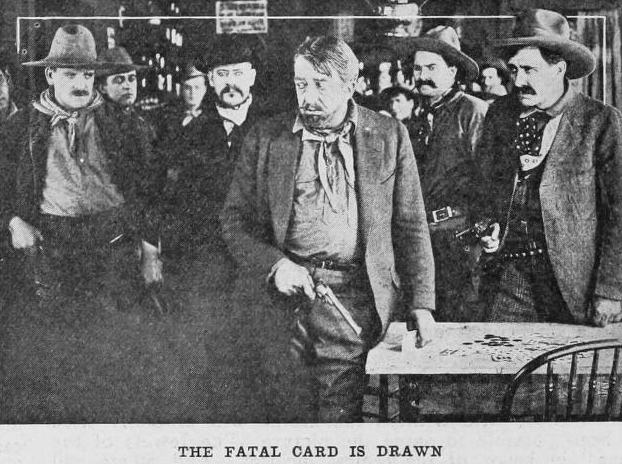
Cinema in 1915 was an art form in the throes of a violent adolescence, shedding the skin of theatrical artifice to embrace a more kinetic, visual language. The Fatal Card, directed with a palpable sense of escalating dread, stands as a quintessential artifact of this era. It is a film that refuses to be pigeonholed, beginning as a dusty, sweat-stained Western before transmuted into a high-stakes social tragedy set against the backdrop of Eastern aristocracy. The narrative architecture, provided by B.C. Stephenson and C. Haddon Chambers, utilizes the trope of the 'secret past' not merely as a plot device, but as a philosophical inquiry into whether a man can truly outrun the ghost of his former self.
The film introduces us to George Forrester, played with a simmering, predatory grace by John Mason. In the opening sequences, the cinematography captures the desolation of the frontier—a place where the law is as malleable as a deck of cards in Forrester’s hands. Unlike the more simplistic morality plays of the time, such as Life of Christ, The Fatal Card revels in the gray areas of human conduct. Forrester is not a cartoonish villain; he is a survivalist whose only loyalty is to his daughter, Margaret. This paternal instinct becomes the fulcrum upon which the entire tragedy pivots.
The transition from the West to the East is handled with a sophistication that rivals other contemporary works like The Broken Law. As Forrester assumes the identity of Marrable, the film’s visual palette shifts. The expansive, sun-bleached horizons are replaced by the claustrophobic opulence of mahogany-paneled studies and iron-wrought office buildings. This shift mirrors the internal state of our protagonist—he has traded the physical danger of the lynch mob for the psychological prison of social respectability. David Powell, as Gerald Austen, provides the necessary counterpoint. His performance is one of understated nobility, representing the 'New Man' of the 20th century—industrious, compassionate, yet burdened by the 'tyrannical' legacy of his own father.
The central conceit of the film—the bisected card—is a stroke of symbolic genius. It functions as a talisman of destiny. In an era where identity was often verified by paper rather than presence, this fragment of a game of chance becomes the only honest thing in a world built on lies. It is a physical manifestation of a debt that transcends the legal system, a theme explored with similar gravitas in The Spendthrift, though here the stakes are not merely financial, but existential.
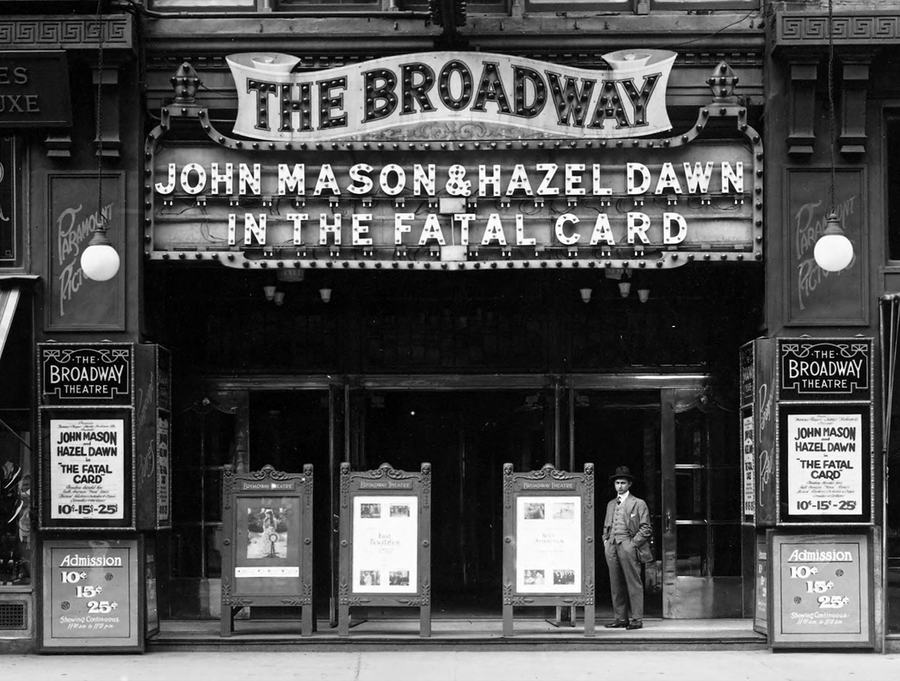
The film’s climax is a masterclass in suspense, revolving around a shipment of English bonds and a meticulously planned robbery set against the ironic backdrop of Independence Day. The choice of July 4th is no accident; while the nation celebrates its freedom, the characters are increasingly shackled by their past choices. The sequence where the gang rents an office directly opposite the elder Austen’s firm creates a sense of voyeuristic tension. We are forced to watch as the gears of fate grind toward an inevitable collision.
The murder of the elder Austen is a sequence of brutal efficiency. The use of Gerald’s walking stick as the murder weapon is a classic Hitchcockian flourish before Hitchcock even existed. It ties the protagonist to the crime through a physical object, much like the thematic weight of evidence seen in The $5,000,000 Counterfeiting Plot. The subsequent scene, where Gerald discovers the body and is trapped by the locked door, utilizes the silent medium's capacity for claustrophobic horror. His silent screams and frantic gestures convey a desperation that dialogue would only dilute.
One cannot discuss The Fatal Card without acknowledging the ethereal performance of Hazel Dawn. As Margaret, she represents the innocent bystander in a war of masculine egos. Her chemistry with Powell is palpable, providing the emotional stakes necessary for the audience to care about the outcome. Unlike the more operatic heroines found in Anna Karenina, Dawn plays Margaret with a modern sensibility—she is not a victim of her passions, but a victim of a patriarchal world where fathers and lovers trade secrets like currency.
The ensemble cast, including the veteran William J. Ferguson, creates a textured world. The 'western associates' who follow Forrester to the East are portrayed with a grimy realism that contrasts sharply with the polished veneers of the city. They are the physical manifestation of Forrester's 'id,' the repressed urges and crimes that he thought he had buried in the desert sands. Their presence reminds the viewer that in the world of The Fatal Card, there is no such thing as a fresh start.
When compared to other films of the period, such as The Goddess or The Reincarnation of Karma, The Fatal Card feels remarkably grounded. While those films often leaned into the supernatural or the allegorical, this film finds its 'karma' in the tangible world of social consequence. The 'fatal' aspect of the card is not a curse from a deity, but a choice made by a man. It is a secular tragedy, which in many ways makes it more harrowing.
Even the title itself invites comparison to The Fatal Wedding, yet where that film focuses on the domestic sphere, The Fatal Card expands its scope to include the industrial and the criminal. It suggests that the corruption of the frontier has seeped into the very foundations of the American corporate structure. The elder Austen’s bonds are just another form of gambling, no different from the poker games Forrester used to rig in the West.
The dénouement of the film is where it achieves true greatness. The moment Forrester—now Marrable—sees the card in Gerald’s hand is a masterstroke of editing and performance. The recognition is instantaneous, a flash of lightning that illuminates the wreckage of his life. He realizes that the man he is about to let die is the only man who ever showed him mercy without an ulterior motive. This realization leads to the 'supreme sacrifice.'
"In the final tally, Forrester understands that he cannot win this hand. He can only fold in a way that allows his daughter to keep the pot."
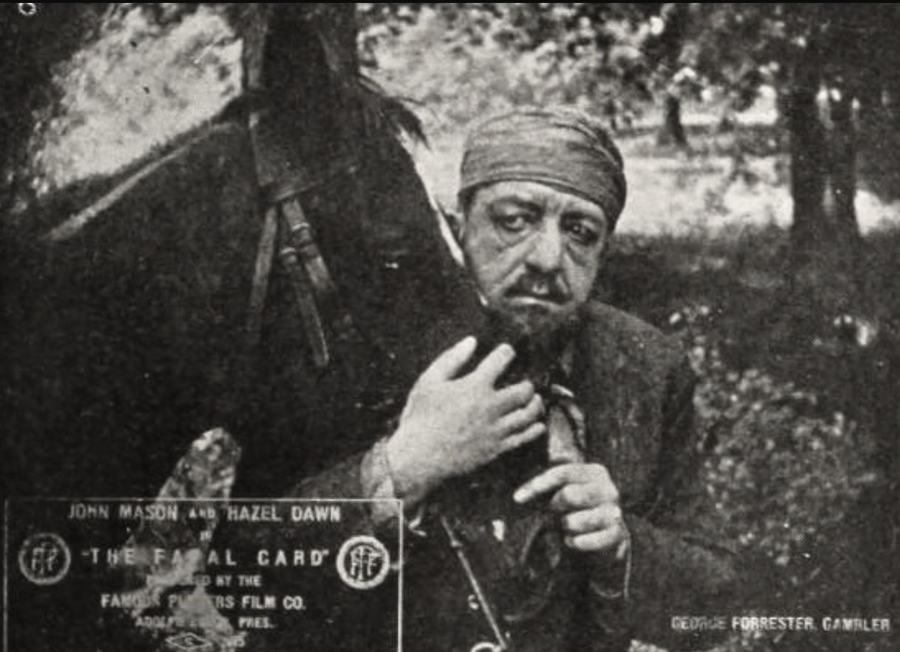
By taking the guilt upon himself, Forrester performs an act of self-immolation that is both tragic and heroic. He cleanses the stain of his past through a final, definitive lie—confessing to a murder he didn't commit to save the man who represents the future. It is a powerful subversion of the 'happily ever after' trope. The lovers are united, yes, but their happiness is built upon the corpse of a man who finally found his soul by losing his life.
Technically, the film is a testament to the evolving craft of the 1910s. The lighting in the final confrontation scenes uses shadows to great effect, obscuring the faces of the villains and highlighting the moral agony on Marrable’s face. The pacing, often a struggle for early features like The Jungle, is remarkably tight. Every scene serves a purpose, building the tension until the final, explosive revelation.
While some might find the coincidences of the plot—the chance meeting in the East, the stick, the card—to be hallmarks of Victorian melodrama, they function here as part of a larger thematic framework regarding the interconnectedness of human lives. Like the narrative threads in Australia Calls or the gritty realism of The Bushranger's Bride, The Fatal Card uses the specific to comment on the universal. It is a story about the debt of honor and the impossibility of true reinvention.
The Fatal Card remains a haunting experience for the modern viewer. It lacks the saccharine sentimentality that plagued many of its contemporaries, offering instead a cold-eyed look at the cost of redemption. It reminds us that our past is never truly past; it is a ghost that walks beside us, waiting for the right moment to tap us on the shoulder. For George Forrester, that tap came in the form of a torn playing card. For the audience, it comes in the form of a cinematic masterpiece that still resonates with the echoes of a lost world. It is a film that deserves to be ranked alongside the great silent dramas, a precursor to the film noir movement that would dominate the decades to come. If you have the chance to witness this relic of early cinema, do not hesitate. It is a winning hand in every sense of the word.
*** This review is part of our 'Silent Era' series, exploring the foundations of narrative film. ***
IMDb —
1913
Community
Log in to comment.