DbcultAccessing Vault...
4/10
Senior Film Conservator
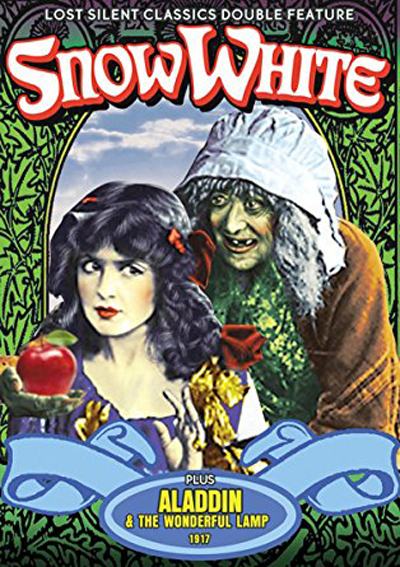
A definitive 4/10 rating for a film that redefined the boundaries of cult cinema. Snow White remains a cornerstone of transgressive art.
Stepping back into the cinematic cradle of 1916, one encounters an intriguing artifact: the early silent film adaptation of Snow White. Long before Disney’s vibrant hues captivated global audiences, this rendition, drawing directly from the potent wellspring of the Grimm Brothers’ lore, offered a stark, often haunting, vision of innocence imperiled by vanity. It’s a testament to the timeless power of the narrative that even in its nascent, monochrome form, the fundamental emotional currents – jealousy, fear, compassion, and ultimate triumph – resonate with an undeniable force. This is not merely a historical curiosity; it is a foundational stone in the edifice of cinematic storytelling, a bold attempt to translate complex folklore into a visual language still very much in its infancy.
The narrative, as familiar as a lullaby, begins with the chilling premise of a queen’s insatiable narcissism. Her daily ritual, consulting a magic mirror, underscores a deep-seated insecurity, a fragile ego propped up by supernatural validation. When the looking glass, with its unyielding truth, declares Snow White the fairest, it isn’t just a slight; it’s an existential threat to the Queen’s carefully constructed world. This isn't just about beauty; it’s about power, control, and the terrifying prospect of obsolescence. The Queen's subsequent command for Snow White's murder is not simply an act of cruelty, but a desperate, primal lashing out against an encroaching reality she cannot tolerate. This early cinematic portrayal captures the raw, unvarnished psychological drama inherent in the Grimm tale, eschewing the later sanitizations for a more direct engagement with its darker elements. The tension here is palpable, a silent scream of malevolence echoing through the dimly lit frames.
The moral compass of the story shifts dramatically with the introduction of the assassin. Tasked with an unthinkable deed, his inability to harm Snow White becomes a pivotal moment, a flicker of humanity in the encroaching darkness. This act of mercy, conveyed through subtle gestures and wide-eyed terror on Snow White's part, is more impactful in a silent film where nuances of expression carry immense weight. Her flight from the castle is a journey from gilded cage to perilous freedom, an escape into the unknown. The dense forests, often a symbol of both danger and refuge in folklore, become her sanctuary. This segment, though brief, is crucial in establishing Snow White’s vulnerability and resilience. Her eventual discovery of the dwarfs’ cottage, a miniature world of communal labor and simple comforts, offers a stark contrast to the opulent, yet toxic, environment of the Queen's court. The dwarfs, depicted as industrious gold miners, represent a different kind of wealth – one earned through honest labor and shared community, rather than inherited power or superficial beauty. Their acceptance of Snow White, a stranger in their midst, speaks to an innate goodness that stands in direct opposition to the Queen’s corrupt heart.
In the silent era, acting demanded a unique blend of exaggerated physicality and nuanced facial expressions to convey emotion without dialogue. Ruth Richie, as Snow White, embodies the quintessential ingenue – her portrayal is one of wide-eyed innocence, vulnerability, and a gentle spirit. Her movements are graceful, her expressions easily readable, allowing the audience to empathize with her plight. She is the embodiment of purity, making the Queen’s jealousy all the more monstrous. Richie’s performance, while perhaps appearing melodramatic to modern eyes, was perfectly attuned to the sensibilities of the time, relying on clear visual cues to communicate her character's inner world.
The Wicked Queen, likely portrayed by Aimee Ehrlich or another uncredited actress of the era, would have required a much more theatrical, menacing presence. The challenge here is to convey profound evil without resorting to caricature. The success of such a role rested on her ability to project malevolence through glares, sneers, and imperious gestures, making her a truly formidable antagonist. The contrast between Richie’s ethereal Snow White and the Queen’s dark grandeur would have been a central visual and emotional pillar of the film.
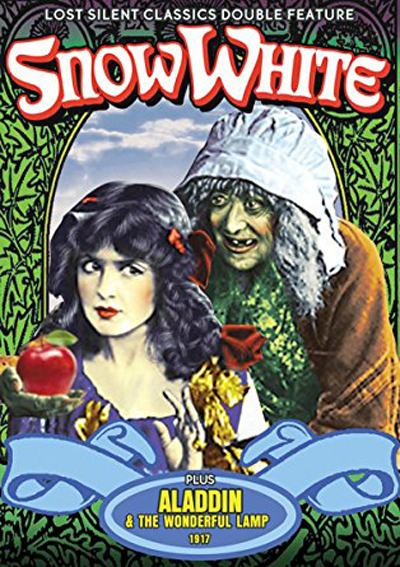
The supporting cast, including Franklin Lovewell, Eleanor Assmus, Sylvia Wunderlich, June Harrison, and Patsy Grace Lichtenburg, would have contributed to the ensemble, particularly in their roles as the dwarfs or other court figures. The dwarfs, in particular, would have required a coordinated effort to create distinct, yet harmonious, personalities through their individual mannerisms and interactions with Snow White. Their silent camaraderie and protective instincts are vital to the film’s heartwarming counterpoint to the Queen’s cruelty. This early ensemble work, where each actor contributed to the overall mood and progression of the story without spoken words, is a fascinating study in performance art.
The visual aesthetics of a 1916 film are inherently constrained by the technological limitations of the era, yet they often possess a unique charm and ingenuity. Cinematography would have relied heavily on static shots, with occasional pans or tilts to follow action. Lighting, while perhaps not as sophisticated as later techniques, would have been employed to create mood – stark contrasts for the Queen’s dark machinations, softer, more natural light for Snow White’s forest scenes. The use of intertitles was crucial, providing not just dialogue but also narrative exposition, guiding the audience through the story’s twists and turns. These textual intrusions, far from being mere functional elements, often carried a dramatic weight of their own, setting the tone for the scenes they introduced.
Set design and costuming would have been pivotal in establishing the fantastical world. The Queen's castle would likely have been rendered with a degree of gothic grandeur, perhaps utilizing painted backdrops to create a sense of scale and opulence. Snow White's attire, in contrast, would have emphasized her simplicity and purity, perhaps a flowing white gown that stands out against darker backdrops. The dwarfs’ cottage, a rustic and cozy dwelling, would have been carefully constructed to convey their humble, industrious lifestyle. These visual elements, though less elaborate than what modern audiences expect, were meticulously crafted to immerse viewers in the fairy tale’s universe. Comparing this visual approach to other films of the period, such as The Vicar of Wakefield, one can appreciate the developing sophistication in narrative construction and character portrayal through purely visual means. While "Vicar" leaned into literary adaptation's dramatic potential, "Snow White" leveraged the burgeoning fantasy genre's visual spectacle.
The imaginative leap required from both filmmakers and audience in this period is immense. Without sound, color, or sophisticated special effects, the storytelling relied on bold imagery, expressive acting, and the audience's willingness to engage their own imaginations. The silent film's ability to transcend language barriers also meant that a story like Snow White, deeply embedded in European folklore, could achieve a broader appeal. This universal accessibility was a key factor in the global spread of early cinema, making tales like those penned by Wilhelm Grimm and Jacob Grimm accessible to an unprecedented scale of viewers.
The narrative tension doesn't dissipate with Snow White's escape; indeed, the Queen’s malevolence is depicted as an insidious, pervasive force. Her discovery of Snow White’s survival, likely through the ever-present magic mirror, reignites her fury, setting in motion the familiar sequence of attempts on Snow White's life – the poisoned apple being the most iconic. These scenes, in a silent film, would have been crafted for maximum suspense, with the Queen’s disguise and deceptive charm contrasting sharply with the inherent danger she poses. The visual language of poison, the slow, agonizing descent into unconsciousness, would have been rendered with stark theatricality, aiming to elicit gasps and shudders from the audience.
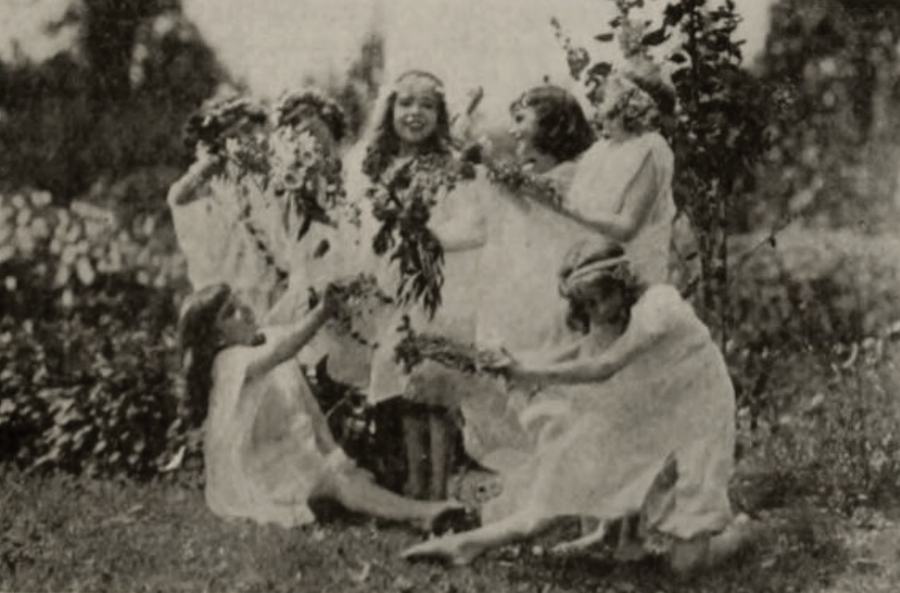
The ultimate resolution, often involving a prince’s kiss breaking the spell, serves as a reaffirmation of good over evil, purity over corruption. While the specifics of the 1916 film’s ending might vary in nuance from later adaptations, the core message remains: virtue, though tested, ultimately prevails. This foundational moral framework, so central to the Grimm tales, finds a powerful visual voice in early cinema. The film, therefore, functions not just as entertainment, but as a moral fable, reflecting societal values and anxieties of the time. The contrast between the dark, vengeful power of the Queen and the innocent, enduring spirit of Snow White is a timeless battle, one that resonates deeply across generations.
This 1916 rendition of Snow White holds a significant place in cinematic history, not merely as an early adaptation of a beloved fairy tale, but as a crucial step in the evolution of film as an art form. It demonstrates how early filmmakers grappled with complex narratives, character development, and emotional arcs using limited tools. The film’s existence reminds us that the foundational elements of storytelling – compelling characters, dramatic conflict, and resonant themes – are timeless, transcending technological advancements. It’s a valuable piece for understanding the trajectory of fantasy cinema and the enduring appeal of the Grimm Brothers' literary contributions.
To fully appreciate Snow White (1916), one must place it within the broader landscape of early silent cinema. This was an era of rapid experimentation, where filmmakers were still discovering the grammar of the moving image. Films like The Painted World and Sunday, released around the same time, exemplify the diverse approaches to storytelling, from grand spectacles to intimate dramas. While "The Painted World" might have explored exotic locales or more abstract themes, "Sunday" likely delved into domestic narratives or social commentary. "Snow White," by contrast, firmly rooted itself in the realm of fantasy, a genre that would prove immensely popular in cinema's future. The challenges of conveying magic and wonder without special effects or sound demanded creative solutions in staging, costume, and performance.
The craft involved in creating such illusions was often rudimentary but effective. For instance, the magic mirror's pronouncements would have relied on clever editing or perhaps even rudimentary in-camera effects to make the Queen's reflection appear. The transformation of the Queen into an old hag, a key moment, would have been achieved through costume, makeup, and careful lighting, rather than digital wizardry. This reliance on practical effects and the sheer talent of the performers to convey character and emotion without dialogue is what gives these early films their unique charm and historical value.
The film’s place in the pantheon of early adaptations of classic literature is also noteworthy. The Grimm Brothers’ tales, having permeated European culture for generations, provided a rich tapestry of stories ripe for cinematic interpretation. This film predates many of the more famous adaptations and establishes a precedent for bringing complex mythological narratives to the screen. It is a foundational text in understanding how these stories transitioned from the printed page to the flickering image, influencing countless subsequent interpretations. Considering films like Martin Eden, which adapted Jack London's novel, or Lena Rivers (1914), another literary adaptation, "Snow White" stands out for its foray into the fantastical, demonstrating cinema's early versatility.
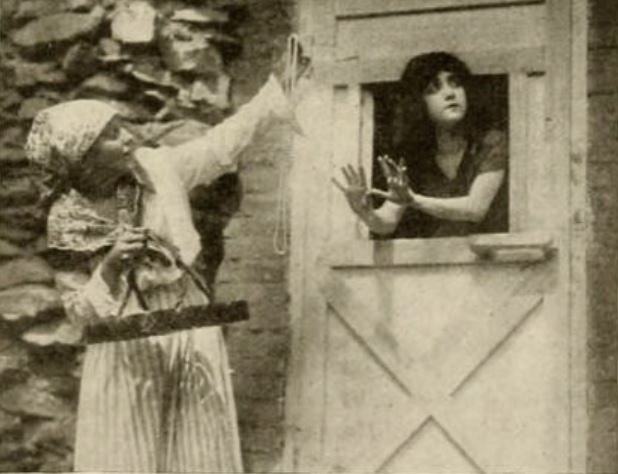
The conventions of silent film acting, often characterized by broad gestures and heightened emotional displays, are on full display here. While modern audiences might find these performances overly dramatic, they were essential for communicating complex feelings and intentions without dialogue. The actors, trained in vaudeville or stage traditions, brought a theatricality that translated effectively to the screen. Ruth Richie’s portrayal, for example, would have utilized specific poses and facial expressions to convey fear, joy, and despair, making her character’s journey clear to the audience. This style of acting was a language in itself, understood and appreciated by contemporary viewers.
Furthermore, the pacing of silent films often differed significantly from modern cinema. Scenes might hold for longer, allowing the audience to absorb the visual information and the emotional beats conveyed by the actors. The absence of synchronized sound also meant that live musical accompaniment, often improvisational, played a crucial role in shaping the audience's emotional experience. A skilled pianist or orchestra could transform a scene of dread into one of hope, or vice versa, purely through melodic choices. This symbiotic relationship between the moving image and live music made each screening a unique artistic event.
The film also serves as a historical document, offering insights into the production values and narrative priorities of its time. The choices made by its uncredited director and crew, working from the timeless text of Wilhelm Grimm and Jacob Grimm, reflect an understanding of what captivated audiences over a century ago. The emphasis on clear moral dichotomies, the struggle between good and evil, and the ultimate triumph of virtue were popular themes that resonated deeply with the public. Even thrillers of the era, such as Time Lock No. 776 or The House of Mystery, while different in genre, shared this focus on clear stakes and identifiable heroes and villains, albeit in more contemporary settings. "Snow White" applies this clarity to the grand, mythic scale of a fairy tale.
While often overshadowed by its more famous animated successors, the 1916 Snow White holds immense value for film historians and enthusiasts alike. It represents a bold, early attempt to bring a beloved fairy tale to life on the silver screen, demonstrating the nascent medium's potential for fantasy and spectacle. The performances, particularly Ruth Richie’s embodiment of innocence and the Queen’s theatrical malice, are remarkable for their ability to convey complex emotions without a single spoken word. The film’s visual storytelling, constrained yet inventive, provides a fascinating glimpse into the artistic choices of early cinema.
Its enduring relevance lies not only in its historical significance but also in its ability to remind us of the fundamental power of storytelling. The themes of jealousy, beauty, good versus evil, and the triumph of the human spirit are as potent today as they were over a century ago. This film, a silent whisper from the past, continues to speak volumes about the timeless appeal of the Grimm Brothers’ narratives and the transformative magic of cinema itself. It compels us to remember that even in its earliest forms, film possessed the capacity to enchant, to terrify, and to inspire, laying the groundwork for all the cinematic wonders that would follow.
The film’s very existence, in an era before Hollywood became the global dream factory, speaks to a universal human desire for narrative. Whether it was the straightforward action of Abraham Lincoln's Clemency, the dramatic tension of The Spitfire, or the international intrigue of De røvede Kanontegninger, early cinema was a mosaic of genres, each contributing to the evolving language of film. Snow White (1916) stands proudly among these, a testament to the fact that compelling stories, told with passion and ingenuity, will always find an audience, regardless of the technological era.

IMDb 5.6
1934
Community
Log in to comment.