DbcultAccessing Vault...
6.6/10
Senior Film Conservator
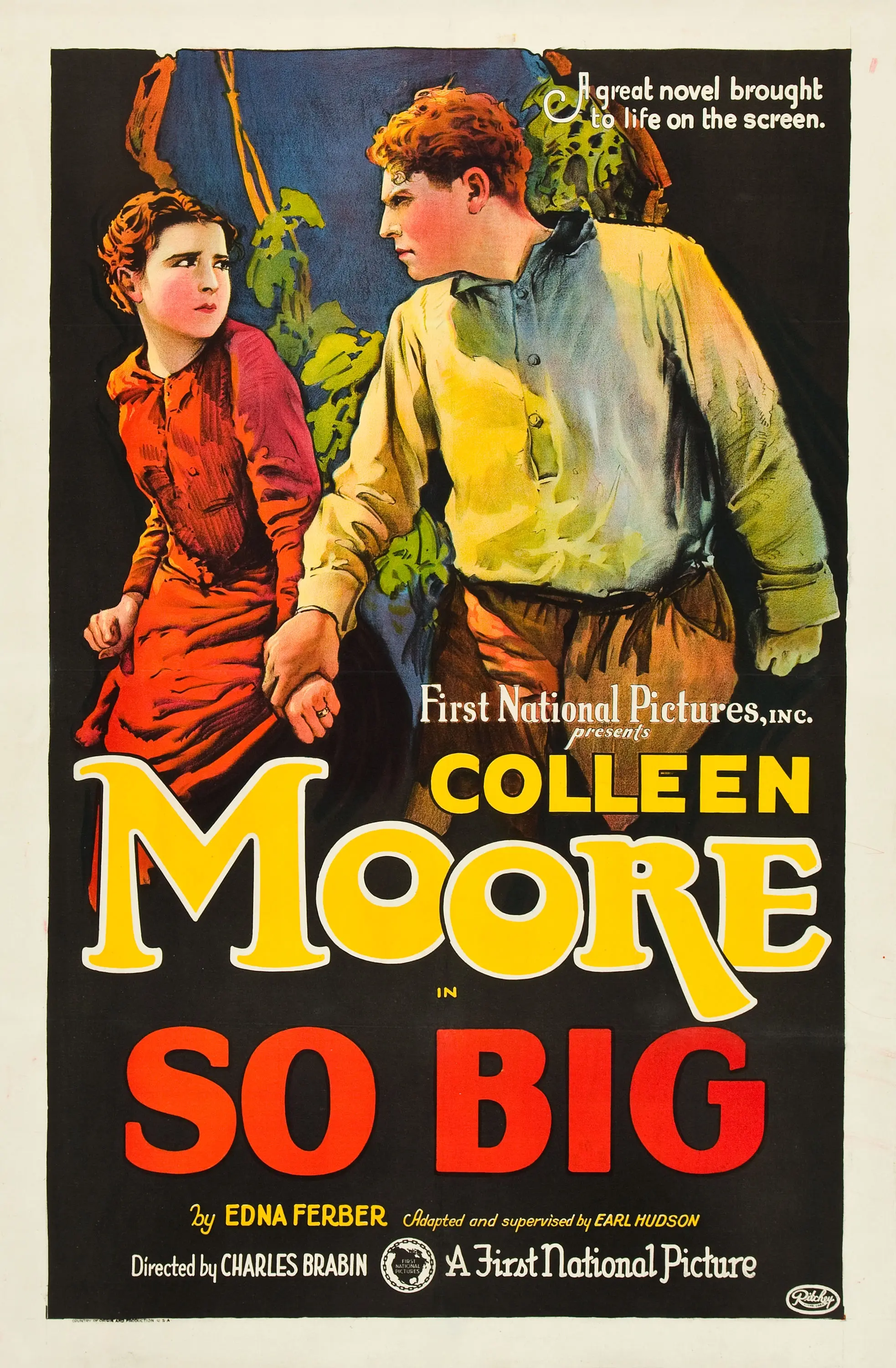
A definitive 6.6/10 rating for a film that redefined the boundaries of cult cinema. So Big remains a cornerstone of transgressive art.
To witness the 1924 iteration of So Big is to observe a pivotal metamorphosis in the annals of silent cinema. Directed with a steady, empathetic hand by Charles Brabin, this adaptation of Edna Ferber’s seminal novel transcends the typical melodrama of its era, offering instead a visceral, tactile exploration of the American agrarian experience. It is a film that breathes through its textures—the damp earth of High Prairie, the coarse wool of a widow’s weeds, and the ephemeral glow of a sunset that serves as the only currency for a soul starved of art.
Before this production, Colleen Moore was the quintessential flapper, the celluloid personification of Jazz Age levity. However, in So Big, she orchestrates a radical departure from her established persona. As Selina Peake, Moore delivers a performance of startling interiority. We see her transition from the buoyant, lace-clad daughter of a gambler to a woman whose hands are hardened by the toil of truck farming. Unlike the theatrical histrionics found in The Guilty Man, Moore’s grief is quiet, etched into the weary set of her shoulders and the flickering hope in her eyes when she looks at her son.
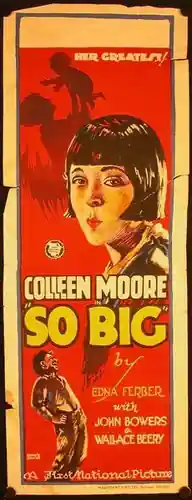
Moore’s portrayal is a masterclass in aging. She does not merely rely on the application of greasepaint wrinkles; she alters her very cadence of movement. The youthful elasticity of the opening reels gradually gives way to a sturdier, more deliberate gait. This physical evolution mirrors the thematic arc of the film: the hardening of the spirit into something resilient, yet perhaps tragically distanced from the whimsical dreams of youth. It is a performance that rivals the emotional depth seen in contemporary masterpieces like Forget Me Not, yet it possesses a uniquely American grit.
The setting of High Prairie is not merely a backdrop; it is an antagonist in its own right. The cinematography captures the vast, flat indifference of the Illinois plains with a clarity that feels almost claustrophobic. Here, the Dutch farming community is depicted with a sociological precision that avoids caricature. These are people for whom beauty is a frivolous distraction from the holy trinity of labor, harvest, and profit. When Selina marries Pervus DeJong—played with a lumbering, honest simplicity by John Bowers—she isn't just entering a marriage; she is entering a pact with the elements.
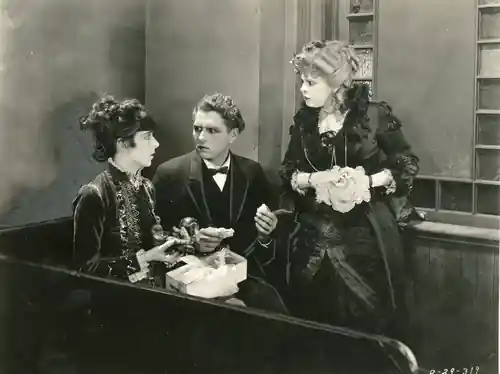
The film’s portrayal of rural life is devoid of the pastoral romanticism often found in silent features. It shares a certain starkness with Where the North Begins, but instead of the literal wilderness, it explores the wilderness of the human condition under the weight of poverty. The scenes of the vegetable market, where Selina must navigate a world of patriarchal skepticism, are particularly potent. Brabin uses the camera to emphasize her isolation, often placing Moore in the center of a frame crowded by towering, dismissive men, highlighting her status as an intellectual interloper in a world of brute force.
The title itself, derived from the nursery game Selina plays with her son Dirk, becomes a haunting refrain throughout the narrative. "How big is my baby?" she asks. "So big!" comes the joyous response. But the film asks a much more difficult question: How big is a man’s soul? As Dirk grows into adulthood—portrayed with a slick, hollow charm by Ben Lyon—the film shifts its focus to the generational divide. Selina has sacrificed her youth to ensure Dirk has the opportunity to be an architect, a creator of beauty. Yet, Dirk chooses the path of least resistance, becoming a successful but spiritually bankrupt bond salesman in the burgeoning metropolis of Chicago.
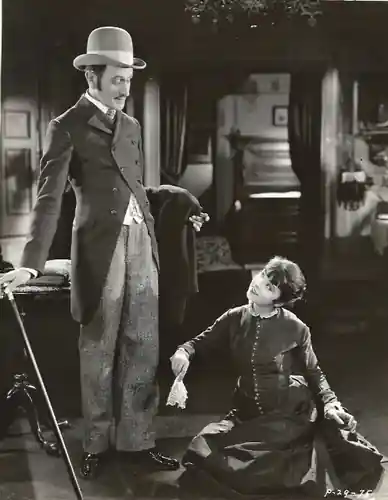
This betrayal of Selina’s ideals is the film's true climax. It is a more subtle form of heartbreak than the overt tragedies found in The Phantom. Here, the horror is the slow erosion of character. The juxtaposition between Selina’s muddy fields and Dirk’s polished office floors serves as a visual metaphor for the loss of substance in favor of surface. The film suggests that in the rush toward modernity, the 'sunsets' that Selina cherished have been traded for the cold, hard currency of social standing.
"The brilliance of 'So Big' lies in its refusal to offer easy catharsis. It is a sprawling, messy, and profoundly human document that captures the very essence of the American dream’s darker undercurrents."
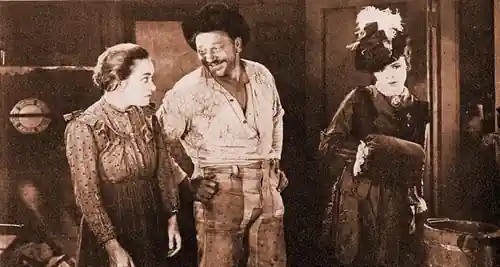
The supporting cast provides a rich tapestry of human experience. Wallace Beery, in a nuanced turn, adds a layer of complexity to the community, while the screenplay by Adelaide Heilbron and Earl Hudson manages to condense Ferber’s expansive novel without losing its thematic potency. The pacing is deliberate, allowing the audience to feel the passage of time—the seasons changing, the children growing, the hope slowly calcifying into resignation.
In comparison to the more experimental structures of films like Il film rivelatore, So Big follows a traditional linear path, yet its emotional resonance is anything but conventional. It deals with the fundamental tension of the human experience: the desire to leave a legacy that is measured in more than just acres or dollars. The film’s conclusion, which brings the narrative full circle, is both devastating and strangely affirming. Selina may have 'failed' to mold her son into the artist she envisioned, but her own life stands as a testament to the enduring power of an unyielding spirit.
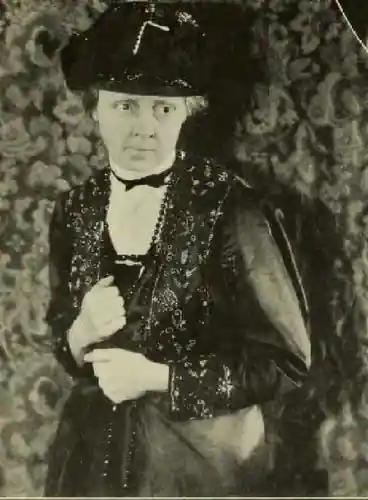
While later remakes would bring sound and Technicolor to Ferber’s story, there is an elemental power in this silent version that remains unsurpassed. The lack of dialogue forces the viewer to engage with the characters on a purely primal level. We read the story in the furrow of a brow, the clutching of a shawl, and the silent, shimmering tears of a mother who realizes her son has become a stranger. It is a work that demands much from its audience but offers even more in return.
Ultimately, So Big is a cinematic monument to the 'unimportant' people—the farmers, the teachers, the mothers who toil in obscurity. It elevates their struggles to the level of epic poetry. In an era often remembered for its excess and artifice, this film stands as a sobering, beautiful reminder of the cost of survival and the necessity of keeping one's eyes fixed on the horizon, even when the mud is ankle-deep. It is, quite simply, a masterpiece of the silent era that deserves a prominent place in the pantheon of great American cinema, alongside the emotional weight of Hearts of the World.
Final Verdict: An Indispensable Epic of the Human Soul.

IMDb —
1927
Community
Log in to comment.