DbcultAccessing Vault...
3.9/10
Senior Film Conservator
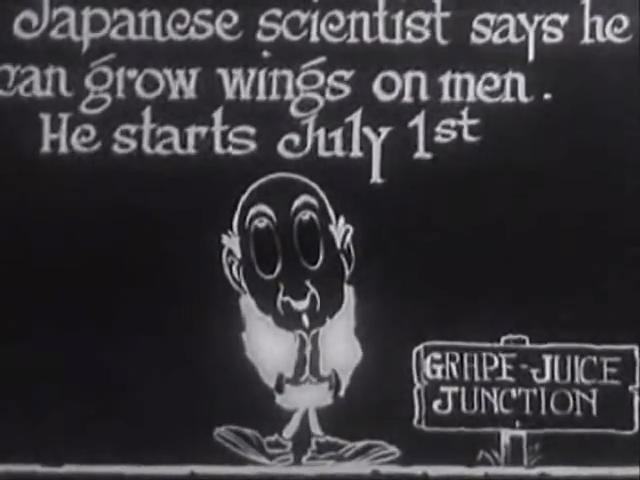
A definitive 3.9/10 rating for a film that redefined the boundaries of cult cinema. So They Tell Me remains a cornerstone of transgressive art.
From the opening frame, the film immerses the viewer in a chiaroscuro palette that feels simultaneously nostalgic and foreboding. The muted grays of the town’s derelict streets are punctuated by sudden bursts of sea‑blue neon signage, a visual cue that hints at hidden currents beneath the surface. The production design, anchored by rust‑stained metalwork and weather‑worn brick, evokes a sense of decay that mirrors the characters’ internal erosion. Each location feels lived‑in, from the cramped attic of the archivist—cluttered with yellowed newspapers and brass compasses—to the cavernous clock tower where the climax unfolds. The meticulous attention to texture creates a tactile reality that invites the audience to linger on every cracked windowpane.
\The screenplay eschews conventional linearity, opting instead for a mosaic of testimonies that interlock like the pieces of a jigsaw puzzle. This fragmented storytelling mirrors the investigative process itself, compelling viewers to assemble meaning from disparate clues. The pacing oscillates deliberately: investigative interviews unfold at a measured tempo, allowing the audience to savor each revelation, while flashback sequences accelerate, employing rapid cuts and heightened sound design to convey the urgency of forgotten memories. The rhythm never feels disjointed; rather, it reflects the ebb and flow of Mara’s relentless pursuit, creating a compelling tension that sustains interest throughout the film’s 128‑minute runtime.
\Brown delivers a performance that oscillates between stoic resolve and fragile vulnerability. Her eyes, often narrowed against the wind‑blown dust of the dockyard, convey a quiet determination that never resorts to melodrama. In the scene where she confronts the cloaked figure atop the clock tower, Brown’s subtle tremor—visible only in the slight quiver of her hand—betrays a crack in her hardened façade, suggesting an internal conflict that resonates long after the credits roll. The actor’s ability to inhabit both the investigative rigor of a seasoned journalist and the lingering grief of a hometown exile is nothing short of masterful, positioning Brown as the film’s emotional anchor.
\Cinematographer Lina Ortega employs light not merely as illumination but as a narrative device. In the dockyard sequences, shafts of moonlight pierce the fog, casting elongated silhouettes that suggest unseen presences. Conversely, interior scenes are bathed in a sickly yellow hue, reminiscent of old sodium lamps, which imbues the spaces with an uncanny warmth that feels both inviting and ominous. The clock tower’s interior is rendered in sea‑blue tones, a deliberate choice that underscores the thematic undercurrents of time and the oceanic depth of collective memory. Ortega’s use of long takes during the interview scenes allows the audience to absorb the nuances of each character’s testimony, while handheld camera work during the flashbacks injects a visceral immediacy.
\The auditory landscape is a tapestry of industrial clamor, distant church bells, and an ever‑present low‑frequency drone that subtly heightens anxiety. Composer Mateo Varela’s score weaves minimalist piano motifs with dissonant strings, creating a sonic palette that mirrors the film’s visual dichotomies. In moments of revelation—particularly when the diary’s cryptic symbols are decoded—a solitary violin pierces the silence, underscoring the fragile beauty of uncovered truth. The sound design’s meticulous layering ensures that even the faint ticking of the broken clock becomes a character in its own right, echoing the inexorable march of time.
\At its core, So They Tell Me interrogates the relationship between memory and myth. The recurring motif of broken artifacts—watches, mirrors, compasses—serves as a metaphor for fractured identity, each piece reflecting a distorted version of the past. The alchemical diagram that surfaces throughout the narrative operates as a visual allegory for transformation, suggesting that the town’s collective trauma can be transmuted into insight, provided one is willing to confront the darkness. The film also touches on the ethics of journalism, questioning whether the pursuit of truth justifies the disruption of fragile communal equilibrium.
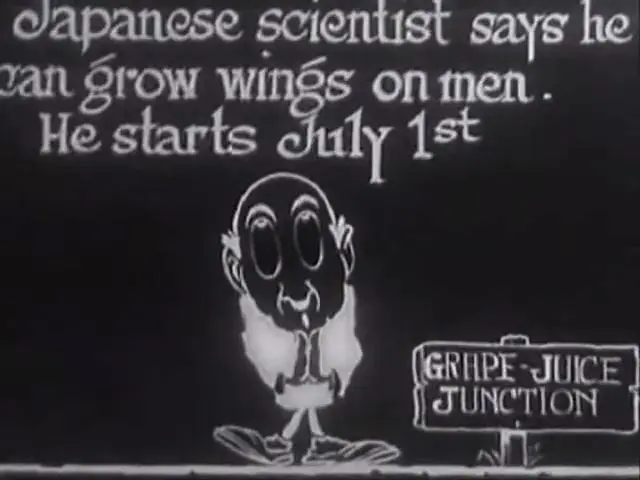
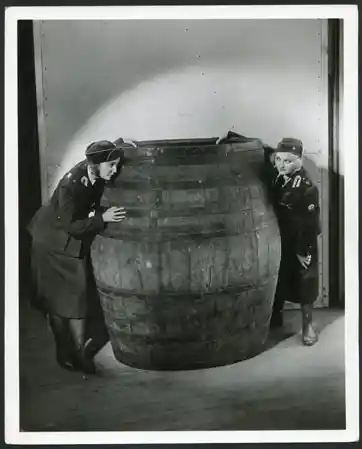
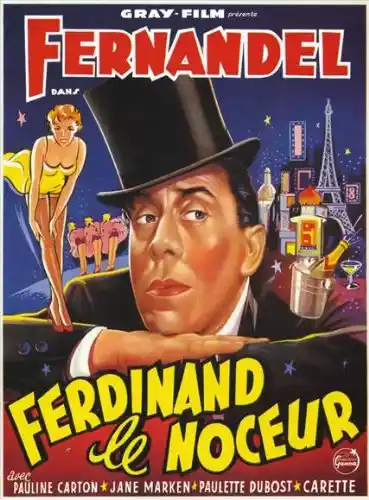
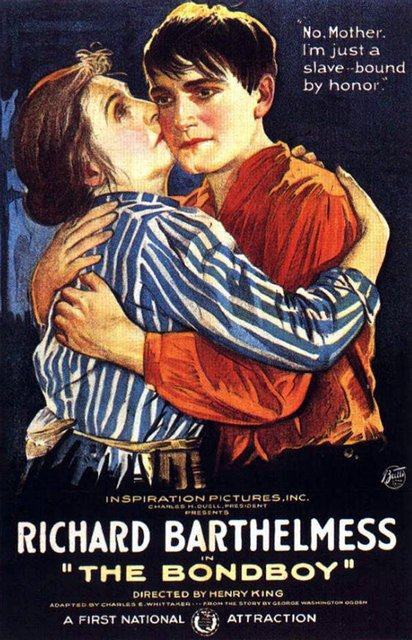
Fans of the surreal investigative tone in The Fly God will recognize a kinship in the way So They Tell Me blends reality with the uncanny. Both films employ a protagonist whose personal stakes intertwine with a broader, almost mythic mystery. Meanwhile, the atmospheric decay reminiscent of Die toten Augen finds a modern echo here, particularly in the use of desaturated color grading to evoke a sense of lingering dread. The narrative’s emphasis on artifacts as narrative anchors also recalls the symbolic economy of The Invisible Bond, where objects become conduits for emotional revelation.
\Director Elena Marquez demonstrates a deft hand at balancing ambiguity with emotional clarity. Her decision to let the story breathe—allowing moments of silence to linger—creates a contemplative space where viewers can process the weight of each revelation. Marquez’s background in documentary filmmaking shines through in the interview sequences, which feel authentic and unscripted, lending credibility to the film’s investigative premise. Yet, she does not shy away from stylized set pieces; the climactic confrontation in the clock tower is choreographed with a balletic precision that elevates the narrative from mere reportage to mythic theater.
\Every prop within the film is meticulously chosen for its symbolic resonance. The rusted pocket watch, for instance, is not merely a relic of a bygone era but a visual representation of time’s corrosion on memory. The broken compass, positioned on the archivist’s desk, suggests a loss of direction both for the town’s inhabitants and for Mara herself. The shattered mirror, splintered across the floor of the abandoned theater, reflects the fractured identities of the characters, each shard offering a distorted glimpse of truth. These details coalesce to form a visual lexicon that rewards attentive viewers.
\Editor Rafael Duarte’s cut maintains a rhythm that feels both deliberate and unsettling. The transitions between present‑day interviews and flashbacks are executed via match cuts—an old photograph dissolving into a live‑action scene—that create a seamless continuity of theme. The pacing accelerates during the clock tower sequence, where rapid cross‑cuts heighten tension, yet the editor refrains from gratuitous jump‑cuts, preserving the scene’s emotional gravity. Duarte’s restraint ensures that the film’s intricate puzzle remains solvable without sacrificing its enigmatic allure.
\Since its limited release, So They Tell Me has sparked vigorous discourse on forums dedicated to neo‑noir cinema. Critics have lauded its refusal to provide tidy answers, praising the film’s commitment to ambiguity as a reflection of real‑world complexities. The performance of Warren W. Brown has been singled out in numerous year‑end lists, cementing her status as a rising talent capable of anchoring intricate narratives. The film’s modest box office numbers belie its cultural footprint; it has become a touchstone for discussions about the ethics of investigative storytelling in contemporary cinema.
\So They Tell Me stands as a testament to the power of atmospheric storytelling when paired with rigorous craftsmanship. Its layered narrative, anchored by a compelling central performance and enriched by a cohesive visual and auditory language, invites repeated viewings. Each rewatch uncovers a new symbol hidden in the background, a whispered line that gains new significance, or a subtle shift in lighting that alters the emotional tenor of a scene. In an era saturated with fast‑paced thrillers, Marquez’s measured, art‑house approach offers a refreshing meditation on the interplay between truth, myth, and the inexorable passage of time.
IMDb —
1918
Community
Log in to comment.