DbcultAccessing Vault...
5.8/10
Senior Film Conservator
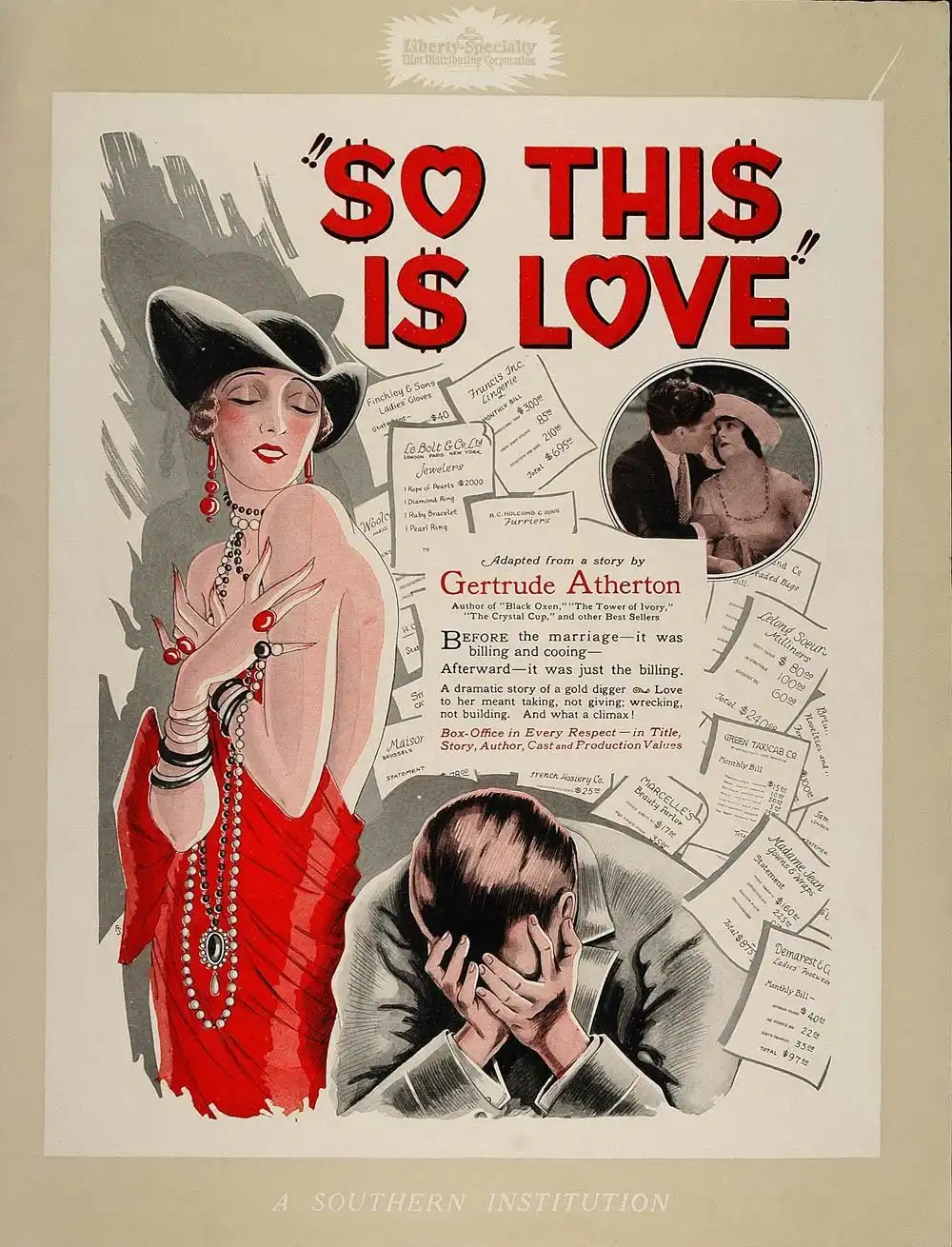
A definitive 5.8/10 rating for a film that redefined the boundaries of cult cinema. So This Is Love remains a cornerstone of transgressive art.
For modern audiences, So This Is Love is a fascinating, if sometimes challenging, watch. Its primary appeal today lies firmly with silent film enthusiasts, film historians, or those curious about the romantic comedies of the late 1920s. If you’re accustomed to brisk pacing, intricate plots, and sound design, this 1928 feature will likely feel slow and perhaps even simplistic. However, for those willing to engage with its particular rhythms and appreciate its historical context, there are moments of genuine charm and effective silent-era storytelling, particularly in the performances. Those seeking a quick, engaging narrative will probably find their patience tested, but for viewers with an interest in cinematic history, it offers a tangible glimpse into a bygone era of popular entertainment.
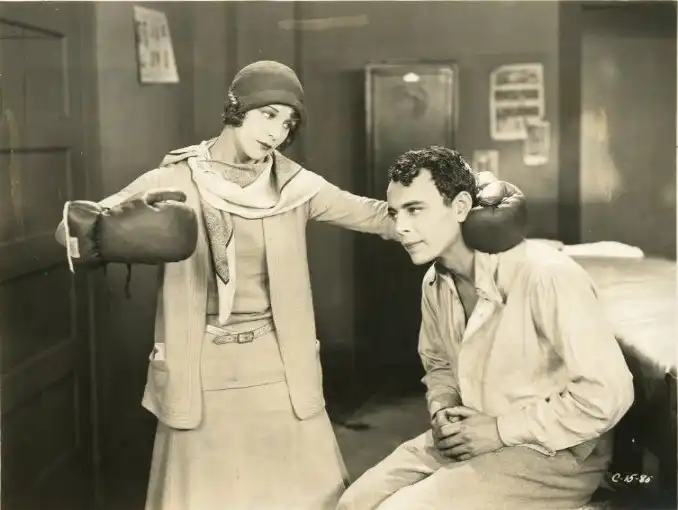
William Collier Jr. as Jerry McGuire carries the film’s emotional core, often literally. His initial scenes as the meek dress designer, nervously adjusting his spectacles and fumbling with fabric swatches, establish a believable earnestness. There’s a particular scene where he attempts to serenade Hilda outside her window – his gestures are so genuinely awkward, almost painfully so, that it elicits a genuine smile rather than a laugh of derision. As he transitions into a boxer, his transformation is more about internal resolve than physical prowess, conveyed through a subtle stiffening of his posture and a determined glint in his eye, rather than any sudden muscularity.
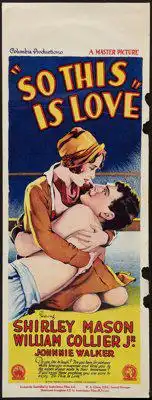
Shirley Mason’s Hilda Jenson provides the necessary spark. Her expressiveness is key to a silent performance, and Mason delivers with a range from demure affection to mischievous plotting. She manages to convey Hilda’s internal conflict and eventual cunning through her eyes and slight shifts in her smile, particularly when she’s ‘accidentally’ overfeeding Spike. It's a performance that avoids the more exaggerated pantomime often seen in earlier silent films, grounding Hilda in a more relatable, if still idealized, femininity.
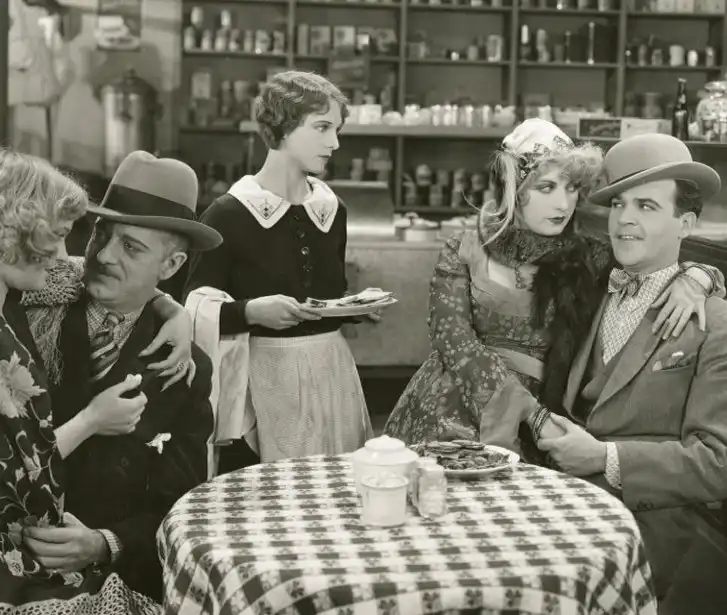
Johnny Walker, as the brutish prizefighter Spike Mullins, leans heavily into the archetype. He’s a physical presence first and foremost, his broad shoulders and heavy brow doing most of the acting. His interactions with Hilda are often characterized by an almost childish possessiveness, a stark contrast to Jerry’s gentle courtship. While effective in establishing him as the clear antagonist, Walker’s performance doesn't offer much in the way of nuance, relying on a few repeated gestures of anger or frustration. There's a moment during the overfeeding sequence where his initial delight turns to a look of utter, bloated misery – a rare flash of vulnerability that hints at a more complex character, quickly subsumed by his primary function as the rival.

The pacing of So This Is Love is undeniably a product of its era. The film takes its time establishing the central love triangle, with several extended scenes dedicated to Jerry and Hilda’s quiet interactions or Spike’s more boisterous advances. The first act, in particular, can feel a little drawn out, relying on prolonged reaction shots and expository intertitles to convey emotional states. However, the narrative picks up considerably once Jerry commits to boxing. The training montage, while brief, injects a much-needed shot of energy. The film’s tone shifts comfortably between earnest romance and light comedy. The humor often comes from Jerry’s underdog status and Hilda’s clever schemes, particularly the sequence where she plies Spike with an endless stream of rich food. This scene, more than any other, feels like classic silent slapstick, breaking up the romantic tension with genuinely funny visual gags.
Visually, So This Is Love is a straightforward affair, typical of many studio productions from the late 1920s. Cinematography is largely functional, favoring clear, well-lit medium shots to capture performances. There are few overtly artistic flourishes, though a couple of tracking shots during the boxing training add a dynamic feel that stands out. The set design is modest but effective; Jerry’s dress shop feels lived-in, and Hilda’s apartment is quaintly domestic. Costumes clearly delineate character and class, from Jerry’s humble tailor's apron to Spike’s flashy, if ill-fitting, suits outside the ring. The editing, while generally smooth for its time, occasionally features a noticeable jump cut, particularly during transitions between scenes in the boxing gym, suggesting a practical rather than purely aesthetic approach. One detail that lingers is the consistent, slightly soft focus on background elements in the interior scenes, giving them a painterly quality that contrasts with the sharper foreground action, a common technique of the period to guide the viewer's eye.
The film’s greatest strength lies in the combined charm of William Collier Jr. and Shirley Mason, who manage to imbue their characters with enough sincerity to carry the simple narrative. The comedic elements, particularly Hilda’s strategic overfeeding of Spike, land effectively and provide genuine moments of levity. It’s also a valuable piece of cinematic history, showcasing the storytelling conventions and popular entertainment sensibilities of its era.
However, So This Is Love is not without its weaknesses. While the film finds its rhythm, some of the intertitles feel a bit clunky, occasionally stating emotions that are already perfectly clear through the actors' expressions. There's a particular instance where a title card explicitly states 'Jerry’s heart was heavy with despair,' just after a prolonged close-up of Collier Jr.’s crestfallen face, making the text feel redundant. This over-explanation occasionally disrupts the flow that the visual storytelling works hard to establish. The plot, while engaging for its time, is also highly predictable, offering few surprises for a contemporary viewer.
Ultimately, So This Is Love delivers exactly what its title promises: a simple, earnest story of young love. It’s not a groundbreaking cinematic achievement, nor does it attempt to be. Instead, it’s a charming example of popular entertainment from its era, buoyed by solid performances from William Collier Jr. and Shirley Mason. While its pacing and silent film conventions will test the patience of some, those with an appreciation for the history of cinema will find it a worthwhile, if not essential, viewing experience. It offers a clear window into the storytelling sensibilities of the late 1920s, proving that even a straightforward tale of a love triangle and a rigged boxing match can still hold a certain quaint appeal.
IMDb 6.3
1933
Community
Log in to comment.