DbcultAccessing Vault...
7.2/10
Senior Film Conservator
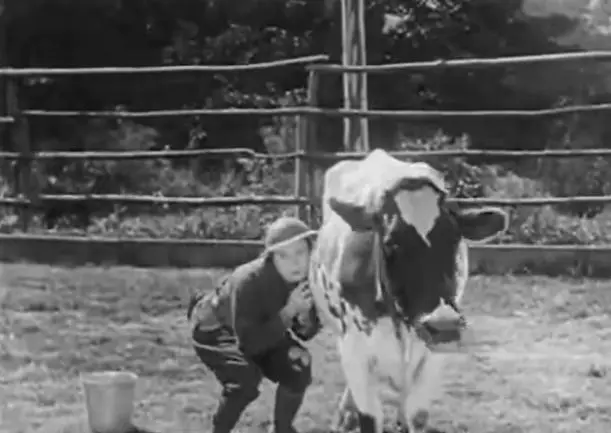
A definitive 7.2/10 rating for a film that redefined the boundaries of cult cinema. Soldier Man remains a cornerstone of transgressive art.
Is Soldier Man a forgotten silent triumph worth dusting off today? The short answer is a resounding, if slightly dusty, 'yes.' This film, a curious relic from the post-Great War era, offers a surprisingly sharp, if uneven, comedic experience that still holds genuine laughs for those willing to engage with its unique rhythm.
It is absolutely worth watching for enthusiasts of early cinema, particularly those with an appreciation for the intricate dance of physical comedy and subtle political satire that defined the silent era. However, it is decidedly not for viewers accustomed to rapid-fire modern pacing or those averse to the distinct theatricality inherent in films without spoken dialogue.
This film works because: Its central premise of mistaken identity is executed with a delightful earnestness, buoyed by a surprisingly nuanced dual performance from S.D. Wilcox. The underlying political satire, while light, adds unexpected depth to what could have been mere slapstick.
This film fails because: Its pacing occasionally falters, particularly in the mid-section, and some of the supporting character arcs feel underdeveloped, serving the plot rather than existing as fully formed individuals. The resolution, while satisfying, feels a touch too convenient.
You should watch it if: You have an interest in the foundational elements of screen comedy, enjoy the specific charms of silent film performance, and appreciate a narrative that blends high-stakes political intrigue with genuine comedic absurdity.
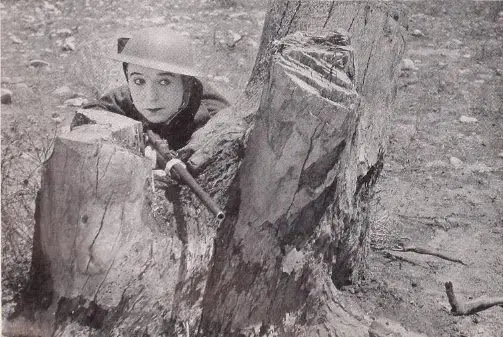
The premise of Soldier Man is, at its heart, a classic comedic setup: the unsuspecting doppelgänger thrust into a world of power and peril. Our protagonist, an unnamed American doughboy portrayed by S.D. Wilcox, is a man out of time, literally. His escape from a German POW camp, oblivious to the armistice, places him in a state of perpetual, personal war, even as the world around him has found peace. This initial disorientation is a stroke of genius, immediately endearing him to the audience as a figure of bewildered innocence.
His accidental arrival in Bomania, a fictional kingdom teetering on the brink of civil war, amplifies the stakes. Here, the film transcends simple farce by layering in political intrigue. King Strudel, the monarch he so uncannily resembles, is a dissolute figure, a puppet for various factions. The Prime Minister yearns for a peace treaty, while General Von Snootzer, the archetypal warmonger, actively sabotages such efforts. This intricate web of motivations provides a rich, if somewhat broad, canvas for the comedic chaos that ensues.
The brilliance lies in how the film leverages its silent medium to convey these complex machinations. Exaggerated gestures, expressive title cards, and carefully orchestrated physical comedy communicate the desperation of the Prime Minister, the villainy of Von Snootzer, and the sheer bewilderment of our soldier. It’s a testament to the writers, including the legendary Frank Capra, that such a layered narrative could be so effectively communicated without a single spoken word. The core conflict isn't just about identity; it's about the very nature of power and the ease with which it can be manipulated, even by accident.
S.D. Wilcox's performance as both the naive soldier and the debauched King Strudel is undeniably the anchor of Soldier Man. It’s a demanding dual role, requiring distinct physicalities and emotional registers, and Wilcox rises to the challenge with a surprising degree of subtlety for the era. As the soldier, he embodies a wide-eyed vulnerability, his movements often hesitant or frantic, propelled by hunger and confusion. His gaunt frame and bewildered expressions paint a vivid picture of a man lost in a world that has moved on without him. There's a genuine pathos in his initial scenes, contrasting sharply with the bombast to come.
Conversely, his King Strudel is a masterclass in comedic excess. Wilcox transforms into a swaggering, perpetually inebriated monarch, his posture slumped, his gestures grand and often clumsy. The contrast between the two characters is not merely superficial; Wilcox uses subtle shifts in gait, eye contact, and even the way he holds his head to differentiate them. For instance, the soldier's frantic double-takes and desperate attempts to understand court etiquette are starkly different from Strudel's imperious, dismissive waves of the hand. It’s a performance that doesn’t just rely on a shared face; it creates two distinct personalities.
This dual role is where the film truly shines, allowing for a delightful array of mistaken identity gags. One particular scene, where the soldier-as-king attempts to sign the treaty, constantly looking to the Prime Minister for guidance, is a comedic highlight. It showcases Wilcox's ability to convey both the absurdity of the situation and the underlying fear of discovery. While not as iconic as Chaplin or Keaton, Wilcox demonstrates a formidable comedic talent that deserves more recognition, proving that a strong central performance can elevate even a straightforward farce into something memorable.
While S.D. Wilcox commands the screen, the supporting cast of Soldier Man provides the necessary framework for the comedic and dramatic tension. Muriel Montrose, as the long-suffering Queen, brings a dignified exasperation to her role. Her disdain for King Strudel is palpable, creating an immediate comedic conflict that the soldier-as-king must navigate. Her expressions, often a blend of weary resignation and simmering resentment, are key to understanding the unhappy state of the royal marriage, adding another layer of complication to the soldier's charade.
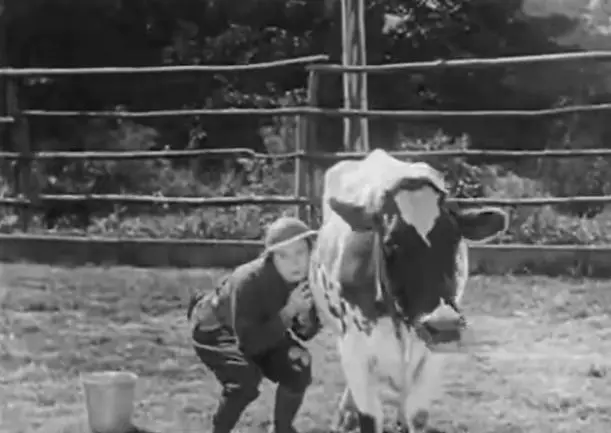
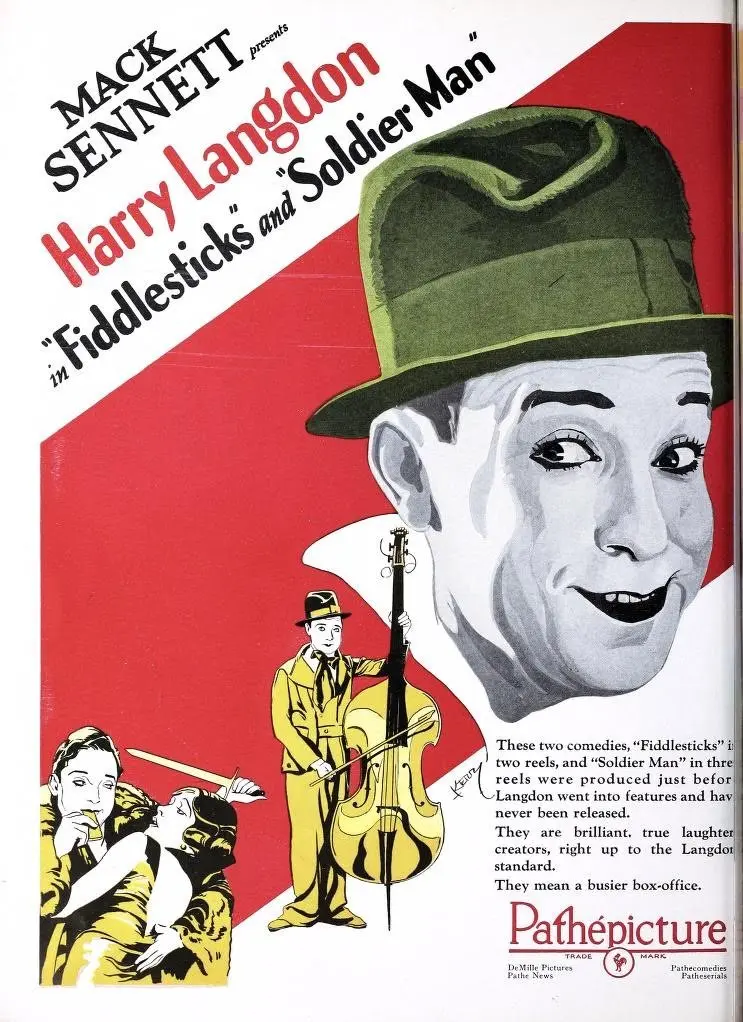
Andy Clyde, a prolific silent film comedian, offers solid support, likely in a role that grounds the more outlandish elements. Vernon Dent, known for his work in many short comedies, contributes to the broader comedic strokes, his presence often signaling an impending physical gag or a moment of exasperated reaction. The film also features Harry Langdon, another notable name in silent comedy, though his specific role here is less central than Wilcox's. Their combined efforts create a bustling, often chaotic environment that is ripe for the film's farcical leanings.
The true antagonist, General Von Snootzer, is a wonderfully broad villain, a caricature of military ambition. His schemes to derail the peace treaty are transparently self-serving, yet his determination drives much of the plot's urgency. The political machinations, while simplified for comedic effect, provide a surprisingly effective backdrop. The film subtly critiques the absurdity of war-mongering and the ease with which national stability can be threatened by personal agendas. It’s a testament to the era's ability to weave social commentary into entertainment, a tradition seen in other films like Ruggles of Red Gap, which similarly played on societal expectations and identity.
The presence of Frank Capra as one of the writers for Soldier Man is a fascinating detail that undoubtedly influences the film's structure and thematic undertones. While Capra did not direct, his writing fingerprints—a blend of populist sentiment, a belief in the common man, and a penchant for comedic situations that highlight moral dilemmas—can be discerned. The narrative, with its focus on an ordinary soldier thrust into extraordinary circumstances, certainly prefigures themes Capra would explore in his later, more celebrated works. It’s a speculative leap, but one can almost see the nascent stages of his storytelling philosophy taking root here.
The film's direction, whoever was primarily responsible on set, is largely effective in maintaining a brisk pace for a silent comedy. The gags, while occasionally relying on familiar tropes, are generally well-timed, and the transitions between scenes of political tension and outright farce are handled with reasonable fluidity. There are moments, particularly in the middle act, where the plot feels a little stretched, as if searching for another complication to delay the inevitable resolution. However, these lulls are typically brief, quickly re-energized by another close call for our unsuspecting protagonist.
Cinematographically, Soldier Man is a product of its time, utilizing standard lighting and framing techniques. Yet, there are flashes of visual wit. The stark contrast between the soldier's ragged appearance and the opulence of the royal palace is emphasized through careful set design and costume. The film's overall tone successfully balances slapstick with a subtle undercurrent of political satire. It never takes itself too seriously, but it doesn't shy away from presenting the machinations of power as inherently foolish. This blend is what gives the film its enduring charm, allowing it to be more than just a series of physical gags.
Yes, Soldier Man is absolutely worth watching for the right audience.
It's a valuable piece of silent film history, showcasing early comedic talent.
The dual performance by S.D. Wilcox is genuinely impressive and entertaining.
Its blend of farce and political satire still resonates, offering unexpected depth.
However, be prepared for silent film conventions and a slower pace than modern comedies.
For those who appreciate the genre, it's a delightful discovery.
Soldier Man is a fascinating, if imperfect, relic of the silent era. It works. But it’s flawed. Its strength lies squarely in S.D. Wilcox's remarkable dual performance, which manages to imbue both the bewildered soldier and the drunken king with distinct personalities and comedic timing. The film’s premise, a classic mistaken identity farce set against a backdrop of post-war political intrigue, is rich with potential, and the writers, including a young Frank Capra, largely capitalize on it. While the pacing occasionally stumbles and some of the supporting characters feel more like plot devices than fully realized individuals, the film maintains a charmingly earnest tone.
It's a testament to the enduring power of silent film to entertain and provoke thought, even a century later. Soldier Man isn't a lost masterpiece, but it is a thoroughly enjoyable journey back to the foundational elements of screen comedy, offering genuine laughs and a surprising amount of heart. For those willing to adjust to its unique rhythms, it's a delightful discovery, a strong reminder that sometimes, the most complex political solutions can hinge on the simplest of mistaken identities. Seek it out, if only to witness Wilcox’s forgotten brilliance. You might just find yourself surprisingly charmed.
IMDb —
1921
Community
Log in to comment.