DbcultAccessing Vault...
6.9/10
Senior Film Conservator
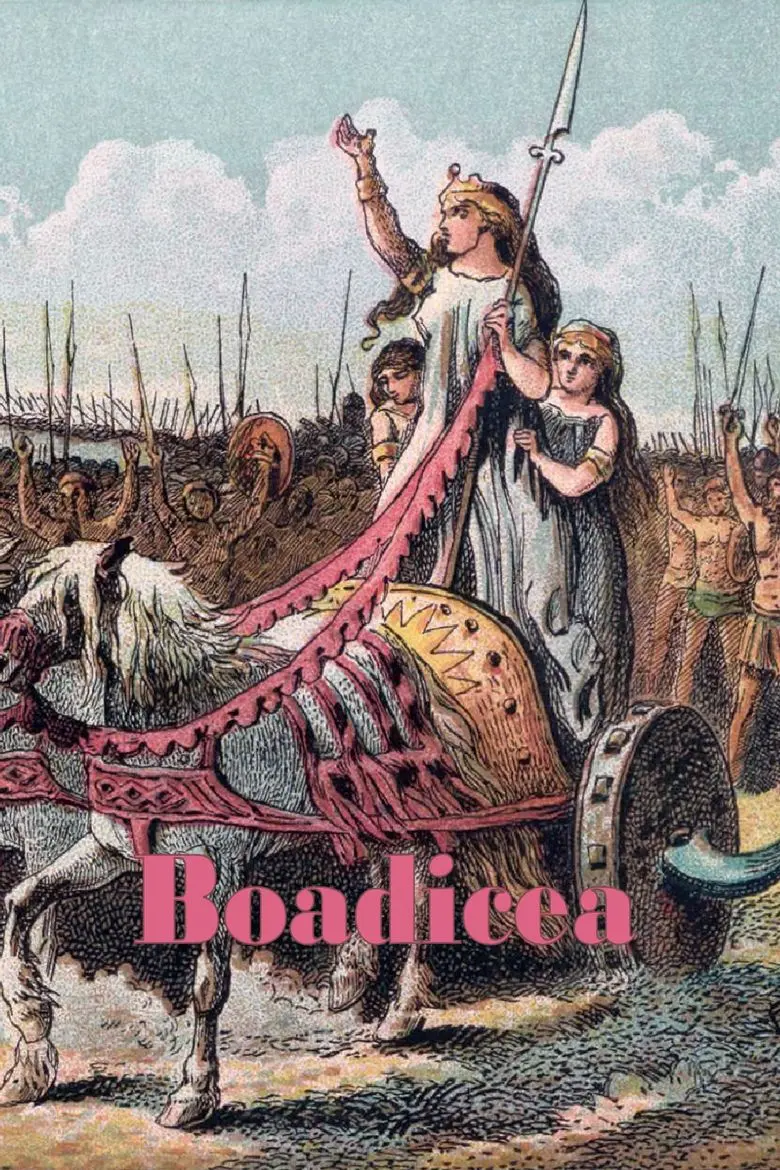
A definitive 6.9/10 rating for a film that redefined the boundaries of cult cinema. Boadicea remains a cornerstone of transgressive art.
Is 'Boadicea' (1927) merely a historical curio, or does it hold genuine cinematic merit for today's discerning viewer? The short answer is a qualified yes, particularly for those with a deep appreciation for silent cinema and historical dramas, though it will undoubtedly test the patience of mainstream audiences. This film is a compelling artifact for cinephiles, historians, and anyone fascinated by early British filmmaking. However, those seeking fast-paced action or modern narrative conventions will find it a challenging watch.
It’s a fascinating, if imperfect, window into how grand historical narratives were constructed before the advent of sound, relying heavily on visual storytelling and the dramatic prowess of its cast. For its time, it was an ambitious undertaking, attempting to bring a foundational British legend to life with a scale that belied the technical limitations of the era.
'Boadicea', directed by Sinclair Hill and co-written with Anthony Asquith, stands as a testament to the ambitions of British cinema in the late 1920s. It tackles a story that is etched into the very fabric of British mythology: the warrior queen who dared to defy the might of Rome. This isn't just a historical retelling; it’s an exploration of primal resistance against an overwhelming, technologically superior force. The film, released just as the silent era was drawing to a close, carries both the strengths and the inherent anachronisms of its time, making it a critical piece for understanding cinematic evolution.
The choice of Boadicea as a subject was, in itself, a bold statement. In an era often dominated by Hollywood spectacle, a British production tackling such a potent national legend demonstrated a desire to forge a distinct cinematic identity. It aimed to be more than mere entertainment; it sought to be a cultural touchstone.
The narrative, though sparse in its surviving details for many, clearly hinges on the brutal oppression that sparks Boadicea’s rebellion. The Romans, depicted as efficient but ruthless, provide the perfect foil for the passionate, freedom-loving Iceni. This dynamic is central to the film’s emotional core, even if conveyed through the often exaggerated gestures and expressions typical of silent acting.
At the heart of 'Boadicea' is Phyllis Neilson-Terry, whose portrayal of the titular queen is undoubtedly the film’s anchoring force. In silent cinema, the weight of a character often rests entirely on the actor’s ability to convey complex emotions without dialogue, relying on facial expressions, posture, and gesture. Neilson-Terry, a seasoned stage actress, brings a formidable theatricality to the role.
One can imagine her Boadicea as a figure of towering defiance, her eyes flashing with indignation, her arms sweeping in passionate calls to arms. This isn't subtle acting by modern standards; it’s bold, declarative, and utterly necessary for the medium. Her performance would have needed to bridge the gap between an audience's understanding of historical heroism and the raw, personal tragedy of her character.
The supporting cast, including Clifford Heatherley and Wally Patch, would have served to flesh out the world, providing contrasts to Boadicea’s fiery spirit. Heatherley, likely playing a Roman official or general, would have embodied the cold, calculating efficiency of the Empire, while Patch, often known for his more grounded roles, might have represented the common British soldier, caught between loyalty and fear. The ensemble’s collective effort creates the backdrop against which Neilson-Terry’s performance shines.
Neilson-Terry's Boadicea is not just a queen; she is the embodied spirit of resistance, a living flame against the Roman tide. Her performance, even through the lens of nearly a century, commands attention.
Sinclair Hill’s direction, with Anthony Asquith’s co-writing input, navigates the challenge of depicting ancient warfare on a 1927 budget. One can infer a significant reliance on wide shots to establish geographical scale and the movement of troops, punctuated by dramatic close-ups to capture the intensity of individual combatants or Boadicea’s emotional turmoil. Think of the sweeping panoramas often seen in epics like Behold the Man, but with a distinctly British flavor.
The cinematography, while limited by the cameras of the day, would have aimed for a sense of grandeur. We can envision scenes bathed in natural light, perhaps utilizing low angles to emphasize the power of the Roman legions or the defiant stance of Boadicea atop a war chariot. The battle sequences, though likely staged with a smaller number of extras than modern blockbusters, would have relied on rapid cutting and dynamic camera movements (for its era) to convey chaos and urgency.
A particularly strong directorial choice would have been the juxtaposition of the idyllic British landscape with the brutal imposition of Roman order. Imagine a scene where a peaceful Iceni village is abruptly disrupted by the marching legions, the sudden shift in tone conveyed entirely through visual composition and the expressions of the villagers. This kind of visual storytelling is where silent films truly excelled.
The pacing of 'Boadicea' is undeniably a product of its time. Silent films often embraced a more deliberate, expansive rhythm, allowing scenes to unfold slowly, giving audiences time to absorb the visual information and the emotional beats. This can feel agonizingly slow to contemporary viewers accustomed to rapid-fire editing and constant narrative propulsion. However, this measured pace also allows for a deeper immersion into the world, building tension gradually.
The tone would likely shift between moments of tragic grandeur, fierce patriotism, and the stark brutality of war. There would be an underlying current of melancholy, knowing Boadicea’s ultimate fate, but also bursts of exhilarating defiance during her initial victories. The film strives for a heroic, almost mythological tone, elevating its subject beyond mere historical fact.
One unconventional observation: the film, in its silent grandeur, almost forces the audience to become more active participants, filling in the gaps with their own imagination and emotional responses, an experience often lost in today’s hyper-saturated soundscapes. It works. But it’s flawed.
Yes, 'Boadicea' is absolutely worth watching, but with significant caveats and a clear understanding of what you’re getting into. It’s not a film that will appeal to everyone, nor is it designed to. Its primary value lies in its historical significance as a piece of early British cinema and its ambitious attempt to tackle a monumental historical figure without the benefit of sound.
For those who appreciate the artistry of silent film, the dramatic power of physical acting, and the foundational stories of British history, this film offers a unique and rewarding experience. It provides a rare glimpse into how directors like Sinclair Hill envisioned epic narratives before the sound revolution changed everything. It demands patience but rewards curiosity.
However, if your cinematic diet consists exclusively of modern blockbusters or dialogue-heavy dramas, 'Boadicea' will likely feel like a chore. The lack of spoken word, the reliance on intertitles, and the often theatrical acting style require a different kind of engagement. It’s a commitment, not a casual watch.
'Boadicea' is not a film that will sweep you off your feet with its pacing or shock you with its special effects. It is, however, a powerful and historically significant piece of cinema that deserves attention from those willing to meet it on its own terms. Phyllis Neilson-Terry's performance alone makes it a worthwhile watch for anyone interested in the art of silent acting. While it undeniably shows its age, particularly in its deliberate rhythm and the broad strokes of its emotional delivery, it successfully captures the spirit of a legendary figure and a pivotal moment in British history. It’s an essential, if challenging, viewing experience for understanding the roots of British historical drama. Approach it with an open mind and an appreciation for cinematic history, and you’ll find a silent roar that still echoes with defiance and tragedy.

IMDb —
1927
Community
Log in to comment.