DbcultAccessing Vault...
Cult Review
Senior Film Conservator
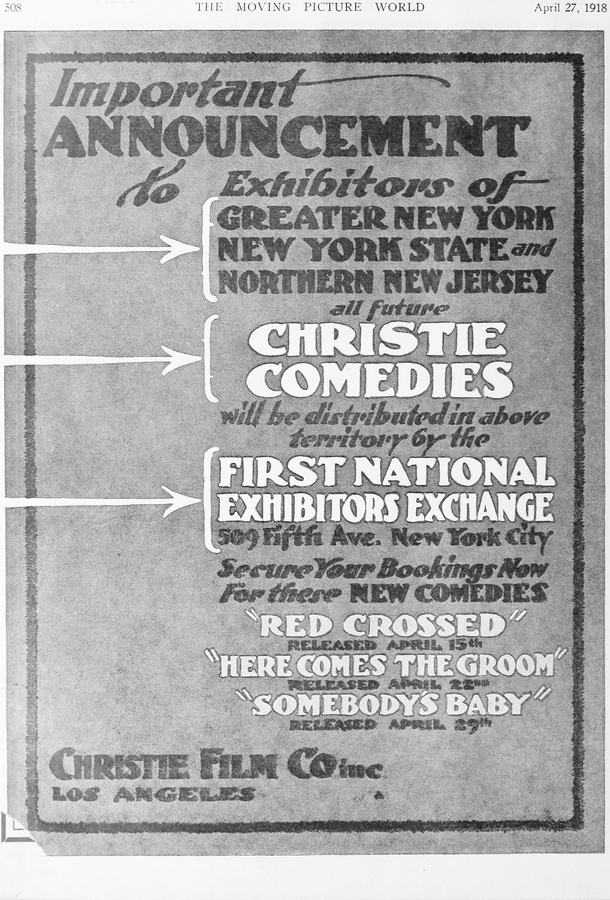
The cinematic landscape of the early 20th century often found its most potent narratives in the everyday absurdities, the small human errors that blossom into grand, life-altering spectacles. Such is the enduring charm of Somebody's Baby, a 1918 silent film that, with a deceptively simple premise, weaves a tapestry of mistaken identity, societal judgment, and blossoming affection. At its core lies an incident so profoundly relatable in its potential for chaos: a young widow, momentarily distracted by the weight of her sorrow and the practicalities of daily life, inadvertently leaves her infant in the backseat of a stranger’s car. This single act, a lapse born not of malice but of human frailty, sets in motion a delightful yet poignant chain of events that exposes the era's social mores and the often-comical rigidity of romantic expectations.
The film’s brilliance, under the direction of Robert F. McGowan, lies in its ability to extract both genuine pathos and uproarious laughter from this predicament. Billy Mason, the unwitting recipient of this tiny, bundled surprise, finds his orderly existence thrown into utter disarray. Imagine the bewilderment, the frantic internal monologue, as a bachelor discovers an infant in his vehicle, an undeniable symbol of domesticity and responsibility he never sought. Mason, portrayed with a commendable blend of perplexity and burgeoning paternal instinct, becomes the accidental custodian of a life, forcing him into situations that are at once deeply awkward and profoundly transformative. The film expertly plays on the audience's understanding of the silent era's visual storytelling, allowing Mason's facial expressions and physical comedy to convey the escalating panic and eventual, grudging tenderness he develops for the abandoned child.
But the narrative's true engine of conflict arrives in the form of Dorothy Dane, Mason's fiancée. Her character embodies the societal anxieties and romantic jealousies of the period, her immediate suspicion a reflection of a world quick to condemn and slow to understand. The sight of her beloved with an unknown infant, especially one that appears to have materialized from thin air, is enough to ignite a firestorm of doubt and accusation. Dane’s portrayal, while perhaps leaning into the archetypal jealous fiancée, is crucial for establishing the comedic tension. Her indignant reactions, her refusal to believe Mason's increasingly desperate protestations of innocence, drive much of the plot's momentum. It is through her lens that the audience fully appreciates the social predicament Mason finds himself in, caught between an innocent explanation and the damning optics of his situation. The film deftly uses this misunderstanding to explore how quickly a reputation can be tarnished by circumstance, irrespective of truth.
Betty Compson, as the young widow, brings a quiet dignity and palpable desperation to her role. Her character's initial despair over her lost child is depicted with an affecting sincerity that grounds the more farcical elements of the plot. Compson, a prominent actress of the era, imbues her character with a vulnerability that elicits immediate audience empathy. Her journey from frantic searching to eventual reunion is the emotional anchor of the film, providing the necessary counterpoint to Mason and Dane's comedic struggles. The film doesn't shy away from the gravity of a mother's loss, even as it revels in the humorous chaos that ensues. This balance between lightheartedness and genuine emotional stakes is a testament to McGowan's nuanced direction and the performers' abilities to convey complex emotions without spoken dialogue.
The screenplay, attributed to Robert F. McGowan, demonstrates a keen understanding of comedic timing and dramatic pacing. The narrative unfolds with an almost rhythmic precision, each misunderstanding building upon the last, escalating the stakes for all involved. The visual gags are well-executed, relying on the inherent humor of a man clumsily attempting to care for an infant, or the exaggerated reactions of a scandalized community. Yet, beneath the surface of the slapstick and romantic entanglement, there's a subtle commentary on the societal pressures faced by women, particularly widows, and the sometimes-unforgiving nature of public opinion. The film's resolution, while ultimately heartwarming, doesn't gloss over the very real anxieties that drive the plot.
In terms of its aesthetic, Somebody's Baby is a fine example of silent-era filmmaking, utilizing expressive intertitles to convey dialogue and internal thoughts, while relying heavily on the actors' nuanced performances and the director's visual storytelling. The cinematography, typical of the period, effectively captures the bustling cityscapes and intimate domestic settings, drawing the viewer into the characters' world. The pacing is brisk, never allowing the central premise to overstay its welcome, yet providing ample room for character development and the unfolding of the comedic set pieces. The film doesn't boast groundbreaking visual effects or experimental camera work, but its strength lies in its clear, effective narrative delivery and its ability to connect with universal themes of family, responsibility, and love.
Considering other films of its time, Somebody's Baby shares thematic DNA with several contemporaries. The unexpected arrival of a child, and the subsequent upheaval it causes, can be seen in a more dramatic light in films that explore societal judgment or the plight of women, much like the challenging circumstances faced by characters in The Savage Woman or even the moral quandaries presented in The Unchastened Woman, though the latter delves into more complex social critiques. While Somebody's Baby leans into lighthearted comedy, the underlying anxieties about reputation and the unexpected burdens of life resonate across these different genres. The theme of mistaken identity leading to romantic complications is also a common thread, perhaps echoing the farcical elements found in more explicit comedies of errors from the era, though without the overt theatricality of some stage adaptations.
The film's exploration of an accidental, yet ultimately rewarding, parental bond finds a distant, perhaps more fantastical, echo in the narrative of a character like Pinocchio, where an unexpected creation becomes a source of profound responsibility and affection. While one is a literal puppet and the other a human infant, the journey of the caregiver (Geppetto or Billy Mason) from bewilderment to genuine love is a shared, timeless arc. Even the more direct comedic elements, such as a man's bumbling attempts at childcare, might find a distant cousin in the physical comedy of a film like Go West, Young Man, though that film operates on a much grander, more slapstick scale. The intricate dance of romantic jealousy and societal expectations, a central pillar of Somebody's Baby, is a perennial favorite, a narrative device that continues to captivate audiences, albeit with varying degrees of realism and comedic exaggeration.
The enduring appeal of Somebody's Baby lies not just in its engaging plot, but in its charming portrayal of human foibles and the unexpected paths to connection. It's a reminder that sometimes, the greatest joys and most profound responsibilities arrive unannounced, wrapped in a blanket of misunderstanding. The film navigates the fine line between broad comedy and heartfelt emotion with a remarkable dexterity, a quality that allows it to transcend its silent-era origins and speak to contemporary audiences about the complexities of relationships and the resilience of the human spirit. The performances, particularly from Compson and Mason, infuse their characters with an authenticity that makes their predicaments, however exaggerated, feel genuinely compelling. It’s a delightful cinematic confection, a testament to the power of a simple story told with genuine warmth and wit, proving that even a century later, a lost baby can still tug at the heartstrings and tickle the funny bone, solidifying its place as a charming artifact of early American cinema.
Furthermore, the film subtly touches upon the evolving role of women and the challenges they faced in a society still grappling with traditional gender roles. The young widow's plight, her vulnerability, and the casual judgment she might face from some quarters, are handled with a sensitivity that elevates the film beyond mere farce. It's a snapshot of a particular time, yet its themes of accidental responsibility and the power of circumstance remain remarkably timeless. The resolution, while predictable in its comedic framework, is nonetheless satisfying, offering a gentle affirmation of found family and the triumph of truth over rumor. It’s a testament to the craft of silent filmmaking that such a narrative could be conveyed with such clarity and emotional resonance, without the aid of spoken dialogue, relying instead on the universal language of human expression and well-orchestrated visual storytelling. The film avoids a preachy tone, preferring to let the characters' predicaments and reactions speak for themselves, inviting the audience to laugh with and empathize with their journey.
Ultimately, Somebody's Baby stands as a captivating example of early 20th-century cinema's ability to entertain, to provoke thought, and to capture the essence of human experience through the lens of a seemingly mundane, yet utterly transformative, event. Its legacy is not that of a groundbreaking epic, but rather a charming, well-executed domestic comedy that understands the heart of its characters and the societal currents they navigate. It’s a film that reminds us of the power of a simple misunderstanding to reveal deeper truths about ourselves and the communities we inhabit, cementing its place as a delightful, if often overlooked, gem from the silent era.
IMDb —
1934
Community
Log in to comment.