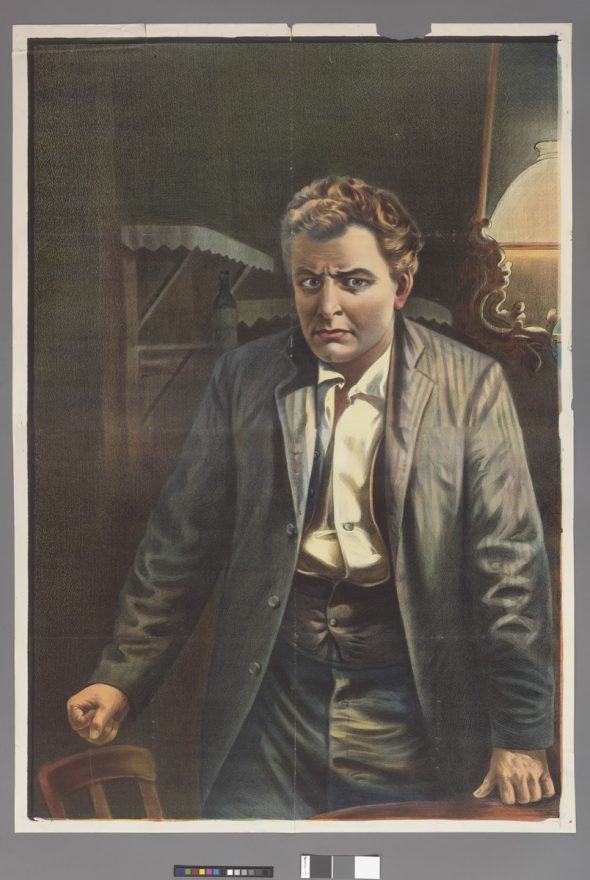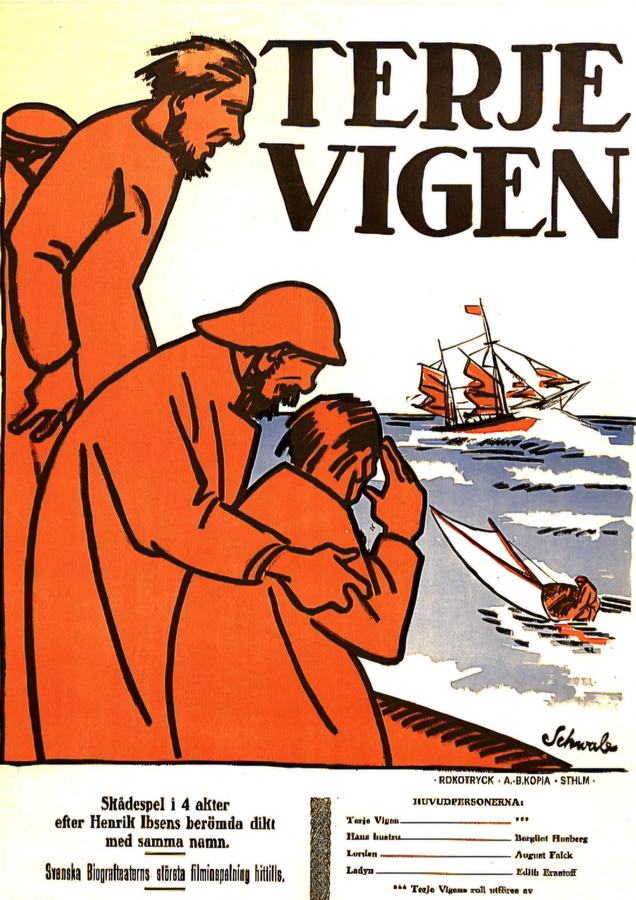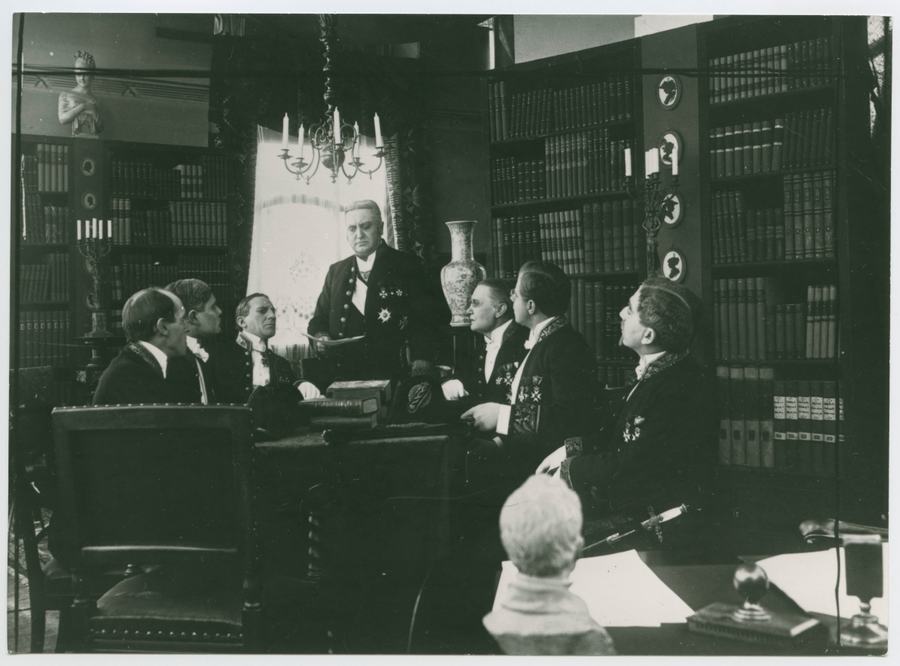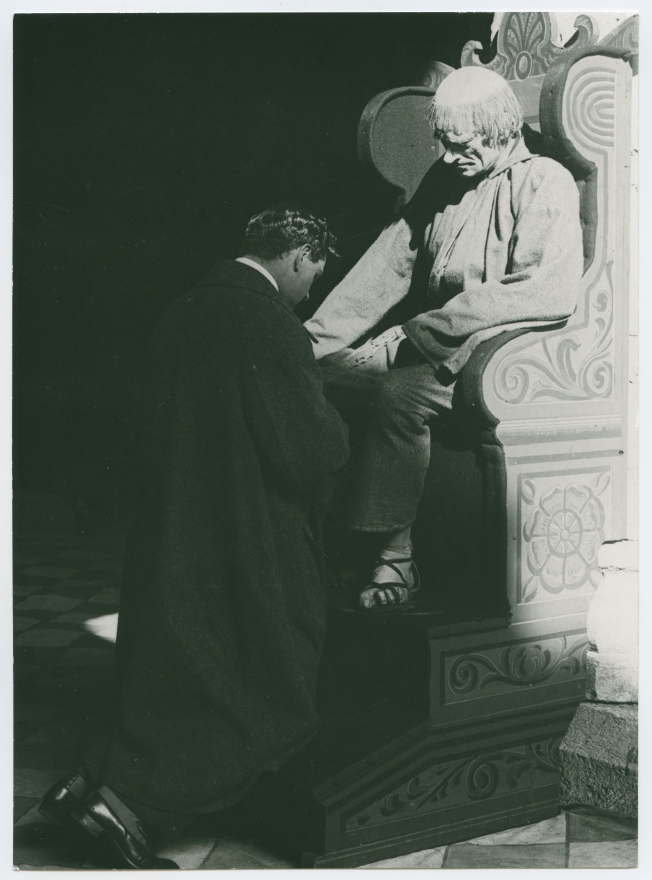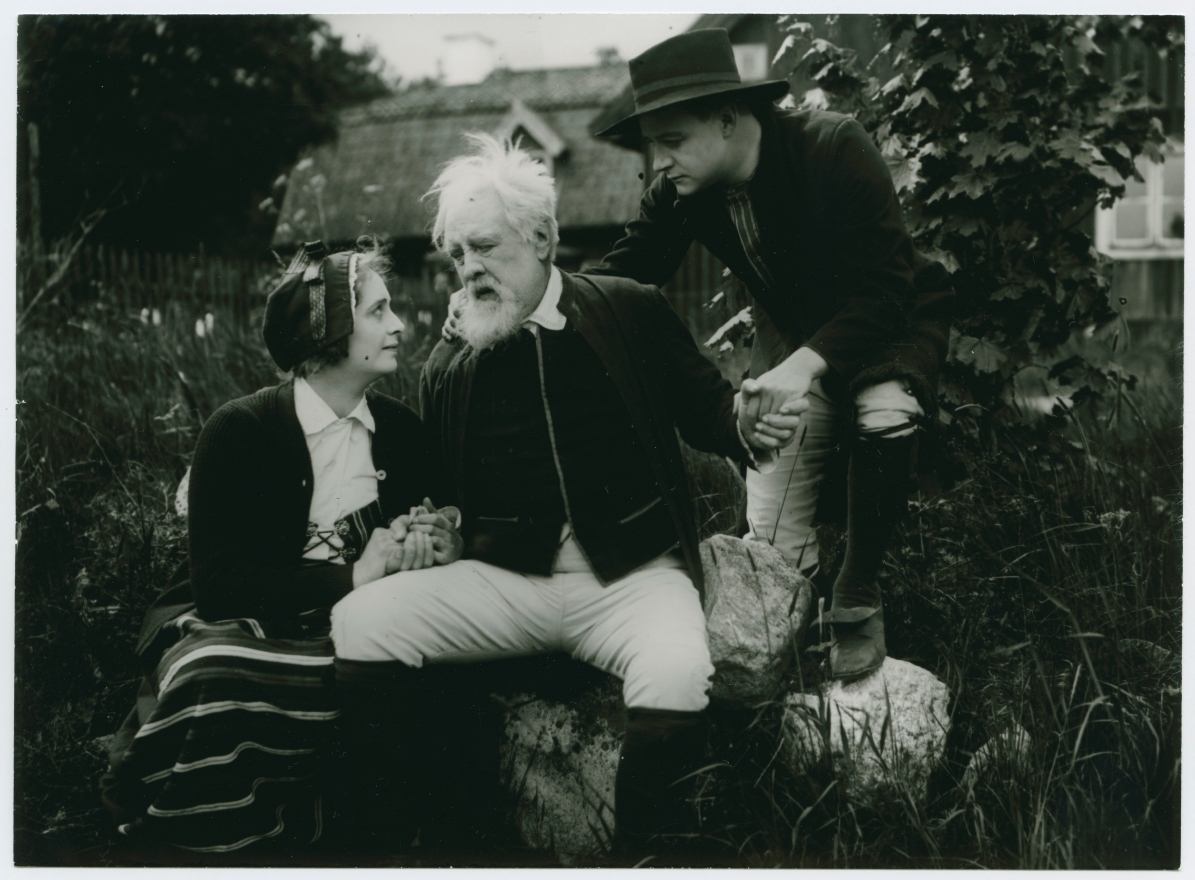
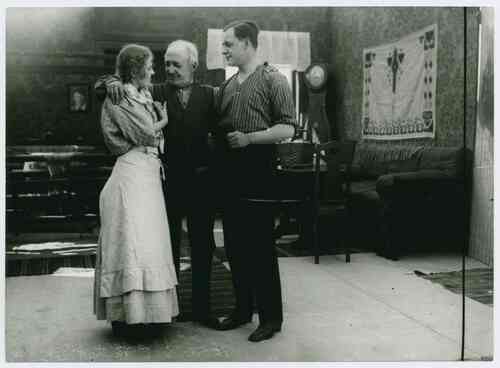
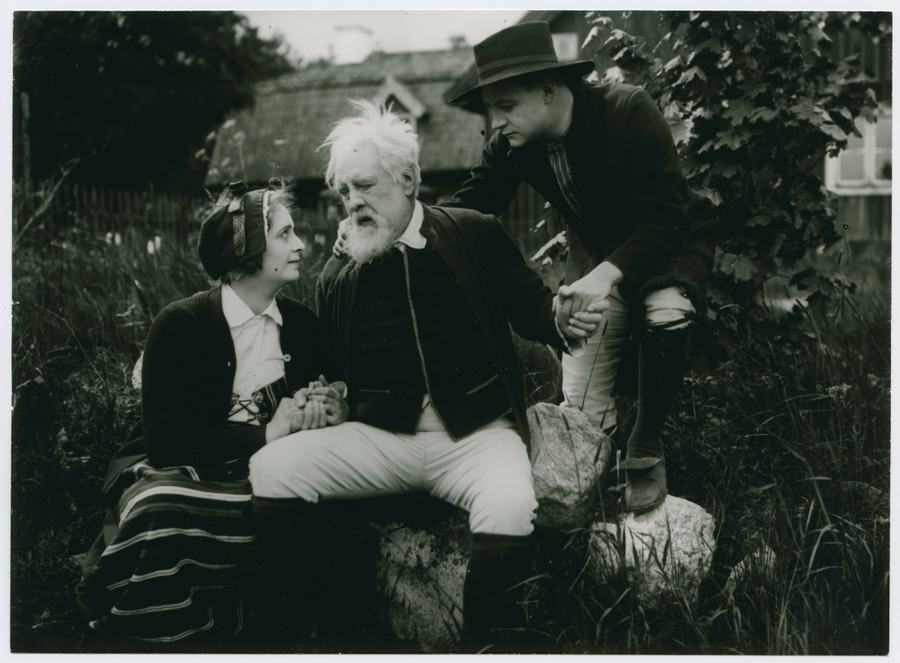
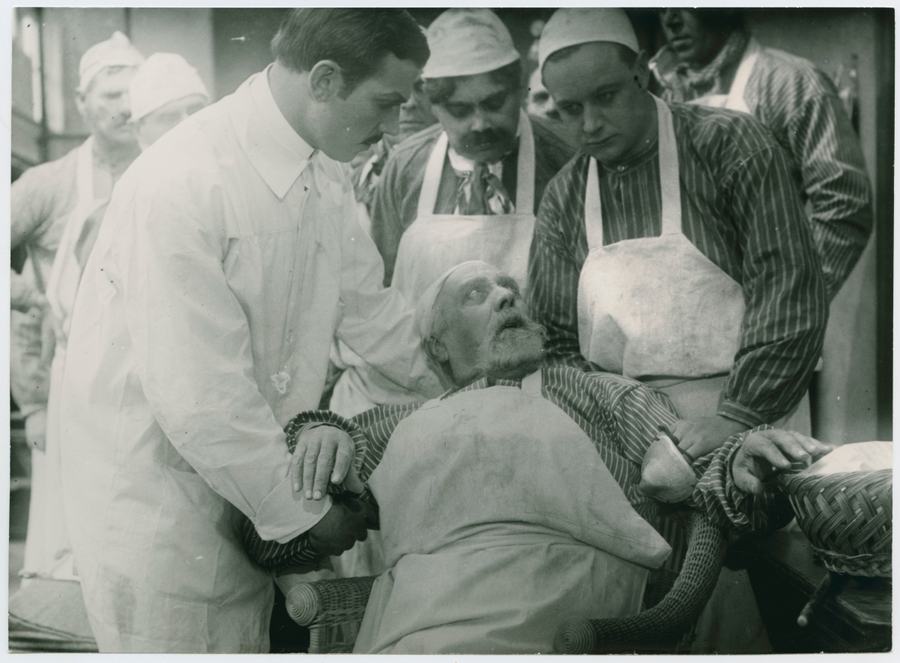
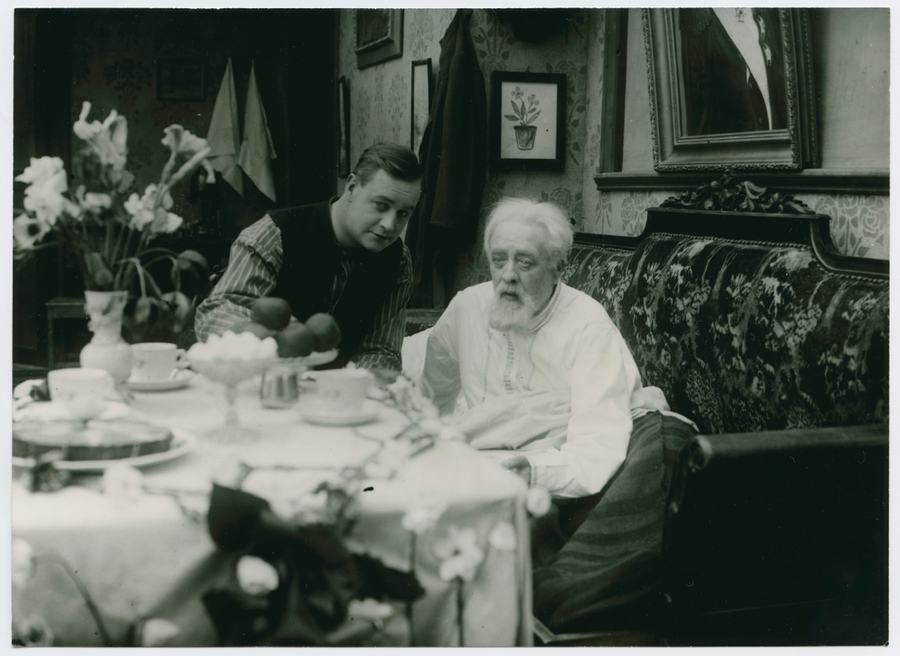
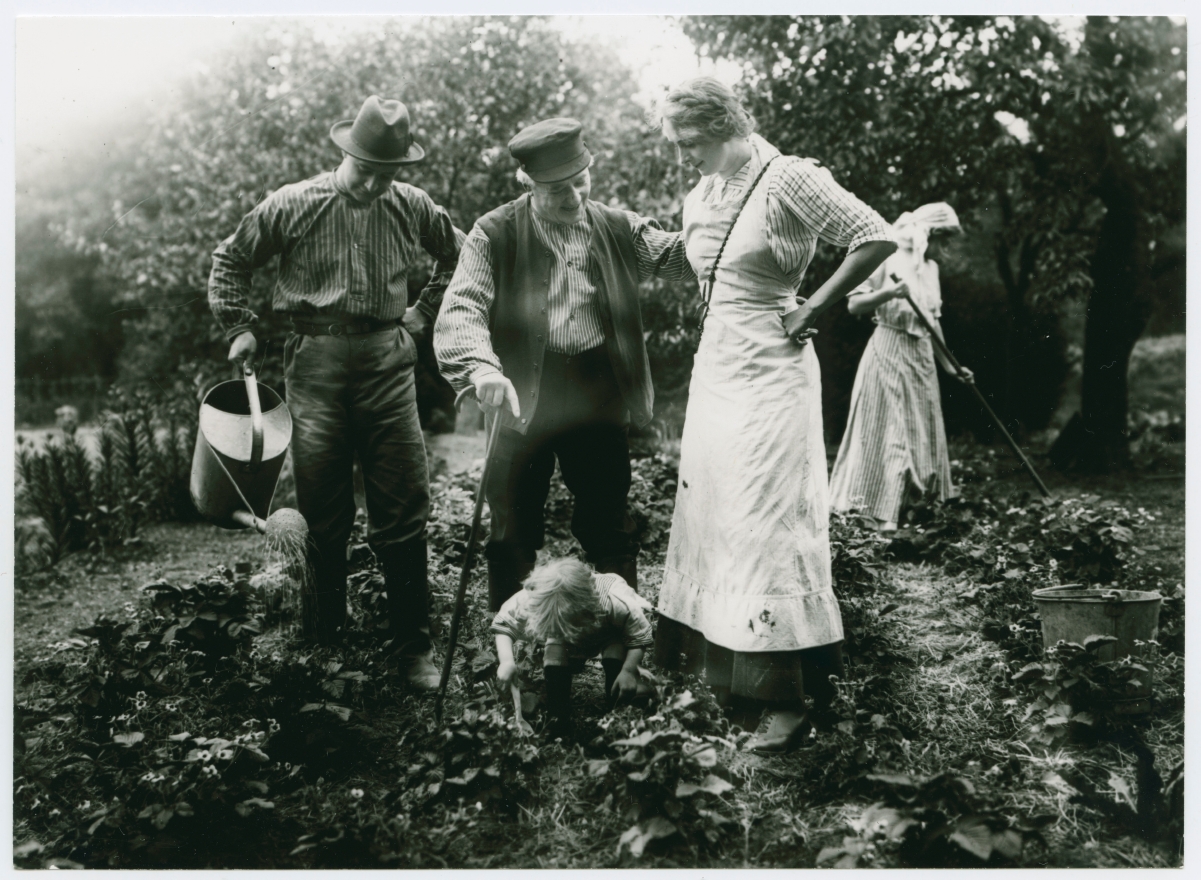
The widower Stensson lives a happy life on his farm with his two children..
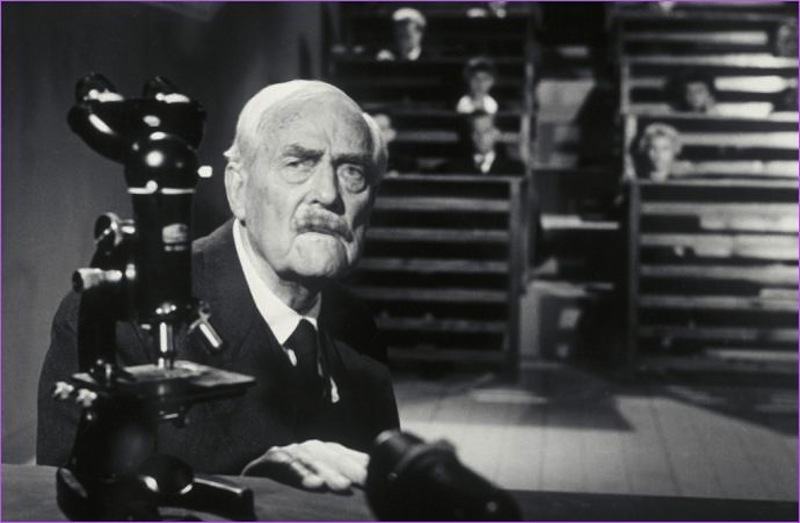
Victor Sjöström
Sweden
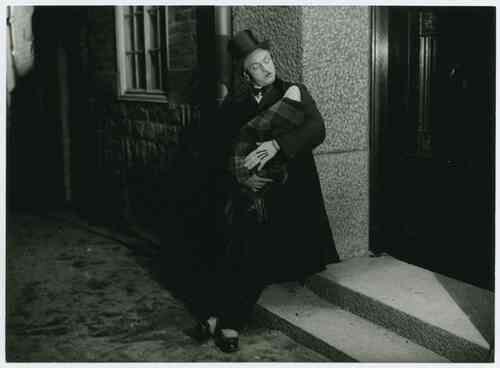
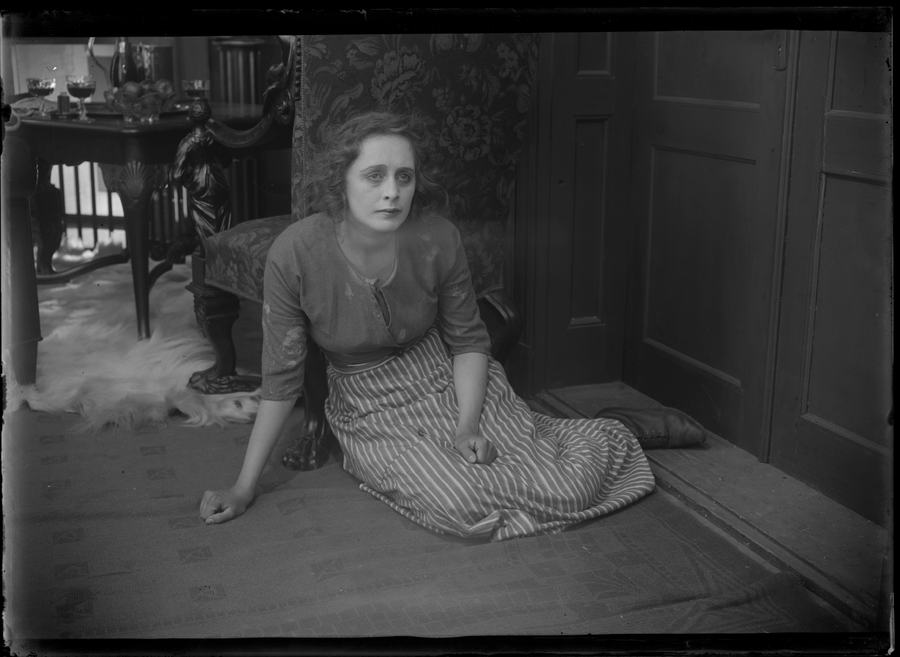
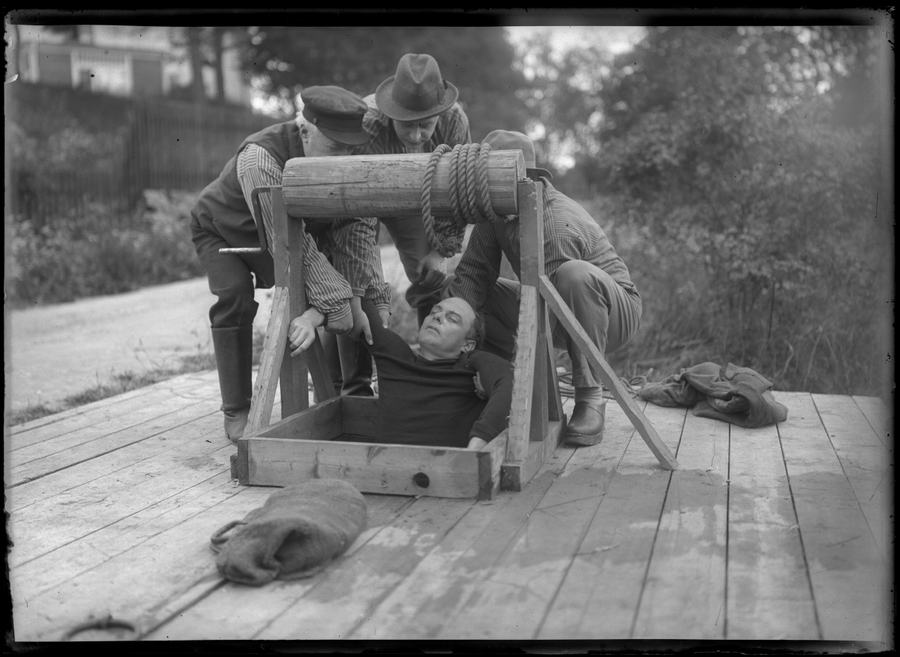
Victor Sjöström’s Sonad skuld is the kind of film that slips through the cracks of film history like melt-water through granite—quiet, relentless, and capable of carving unexpected hollows in your chest. Shot in 1923, two years after the director’s canonical The Silence of Dean Maitland and smack in the middle of Swe...
still_frame
still_frame
still_frame
still_frame
still_frame
still_frame
still_frame
still_frame
Comparing the cinematic DNA and archive impact of two defining moments in cult history.
Victor Sjöström
Victor Sjöström
Community
Log in to comment.
" Victor Sjöström’s Sonad skuld is the kind of film that slips through the cracks of film history like melt-water through granite—quiet, relentless, and capable of carving unexpected hollows in your chest. Shot in 1923, two years after the director’s canonical The Silence of Dean Maitland and smack in the middle of Sweden’s short-lived but feverish boom in rural melodrama, this 74-minute one-reeler feels both antique and alarmingly contemporary. Where Hollywood was busy glamorizing flappers and ..."
Deep dive into the cult classic
Discover similar cinematic experiences
A Directorial Spotlight on Victor Sjöström