Is Son'nô jôi worth watching today? Short answer: yes, but with significant caveats that demand a certain type of viewer. This isn't a film designed for casual consumption; it’s a demanding, historically dense journey into a pivotal, bloody epoch of Japanese history, best suited for those with a genuine interest in the Meiji Restoration or early Japanese cinema.
It is decidedly not for audiences seeking a fast-paced, action-driven narrative or a neatly packaged historical drama with clear heroes and villains. Instead, it offers a raw, unfiltered look at ideological conflict, often feeling more like a historical document brought to life than a conventional piece of entertainment.
This film works because of its unflinching commitment to historical detail and its bold attempt to capture the immense political and social upheaval of 19th-century Japan. The performances, particularly from Denjirō Ōkōchi, lend a gravitas that anchors the often-sprawling narrative.
This film fails because its narrative can be incredibly dense and, at times, assumes a level of historical familiarity that many modern viewers simply won't possess. The pacing can feel glacial, and the sheer volume of characters and shifting allegiances can overwhelm.
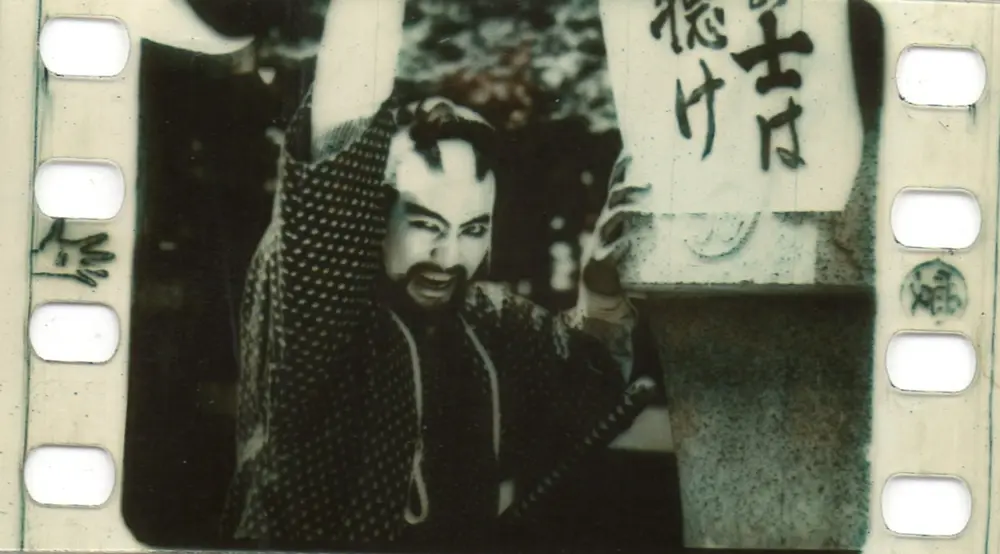
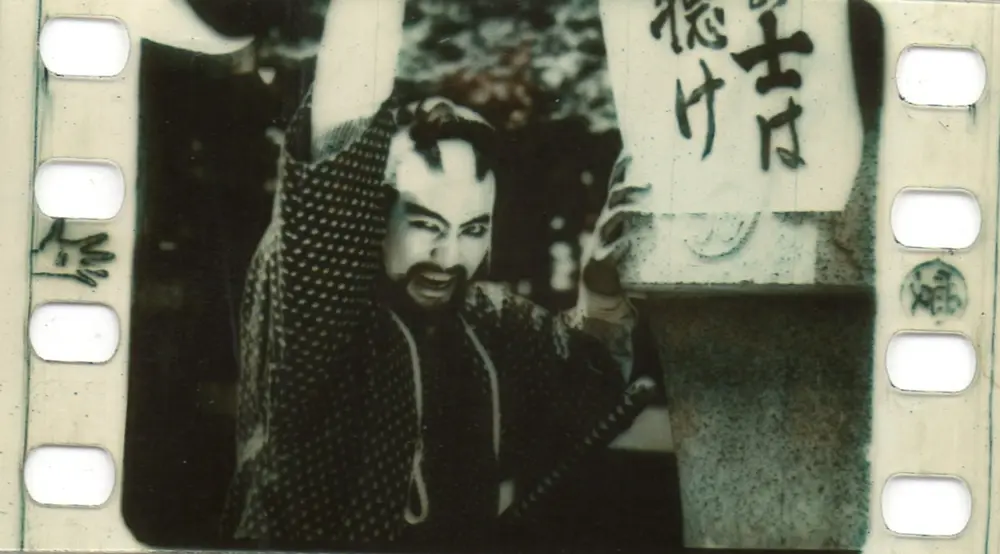
Scene from Son'nô jôi
Cinematic perspective: Exploring the visual vocabulary of Son'nô jôi (1927) through its definitive frames.
You should watch it if you are a dedicated student of Japanese history, an enthusiast of early silent or pre-war Japanese cinema, or someone who appreciates complex, morally ambiguous historical dramas that prioritize context over easy answers.
Historical Context and Narrative Ambition
Tomiyasu Ikeda's Son'nô jôi (a title directly translating to 'Revere the Emperor, Expel the Barbarians' – the very rallying cry of the anti-foreigner faction) dives headfirst into one of Japan's most tumultuous periods. The narrative centers on Ii Naosuke, the powerful Tairō of the Tokugawa Shogunate, whose decision to open Japan to Western trade through the Harris Treaty of 1858 ignited a powder keg of nationalist and anti-foreigner sentiment. This isn't just a political drama; it's a profound exploration of clashing worldviews, where tradition battles modernity, and loyalty to the shogunate vies with reverence for the Emperor.
The film’s ambition is undeniable. It attempts to encapsulate the ideological warfare that led to the eventual collapse of the Tokugawa Shogunate and the restoration of imperial rule. This is a story of deep-seated convictions turning into literal blood feuds, where samurai honor and political expediency collide with devastating consequences. Ikeda doesn't shy away from depicting the brutality of this era, portraying the assassinations, political maneuvering, and societal fracturing with a stark realism that was perhaps groundbreaking for its time.
However, this ambition comes at a cost. For viewers unfamiliar with the intricate web of Japanese feudal politics, the film can feel like being dropped into a foreign land without a map. Characters, allegiances, and even the core motivations of certain factions can blur, demanding a level of engagement and prior knowledge that few films expect. Unlike more accessible historical epics like Akira Kurosawa's later works, Son'nô jôi offers little hand-holding, a characteristic that both defines its authenticity and limits its appeal.
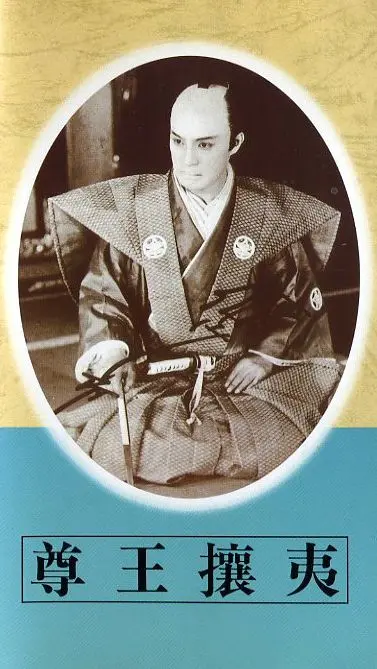
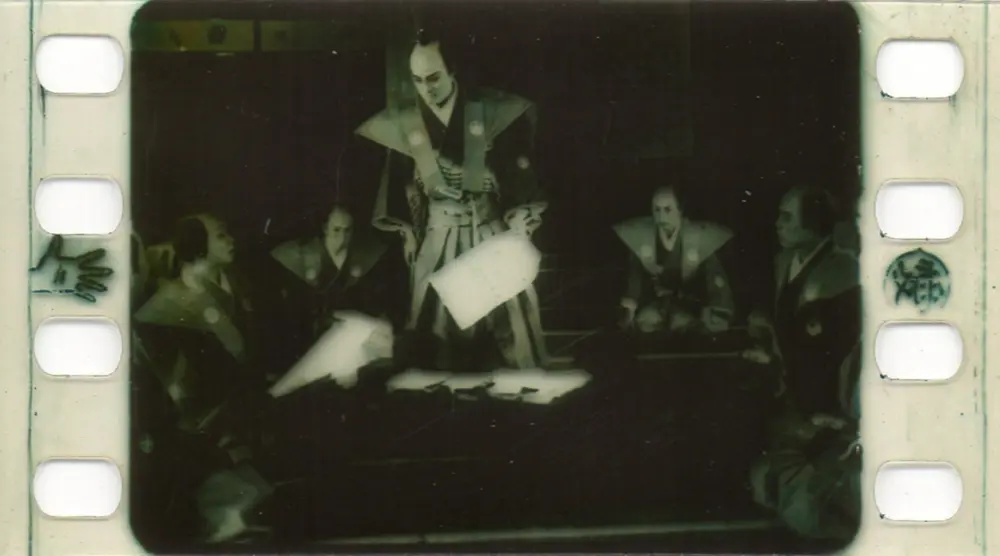
Scene from Son'nô jôi
Cinematic perspective: Exploring the visual vocabulary of Son'nô jôi (1927) through its definitive frames.
The film effectively uses the figure of Ii Naosuke, portrayed with a compelling mix of stoicism and tragic resolve, as the fulcrum upon which these immense forces pivot. His character embodies the difficult choices leaders face when tradition and progress are at loggerheads, and the personal sacrifices demanded by national destiny. The script, penned by Tomiyasu Ikeda himself, attempts to give voice to both sides of this ideological divide, though it's clear where the sympathies of the 'Son'nô jôi' movement lie.
Performances: A Study in Restraint and Fury
The ensemble cast of Son'nô jôi delivers performances that, while constrained by the acting conventions of early cinema, still manage to convey significant emotional weight. Denjirō Ōkōchi, in particular, stands out as Ii Naosuke. His portrayal is one of quiet authority, a man burdened by the weight of his decisions and the inevitable repercussions. Ōkōchi masterfully uses subtle facial expressions and a commanding physical presence to communicate Naosuke’s internal struggle, a man caught between the demands of the Shogunate and the growing unrest among the samurai class.
Consider, for instance, a scene where Ii Naosuke receives news of an assassination plot. Ōkōchi doesn't erupt in histrionics; instead, a flicker of weariness crosses his face, a slight tightening of the jaw that speaks volumes about the constant threat under which he operates. This understated power is crucial, as it provides a human anchor to the grand historical sweep.
The supporting cast, including Kaichi Yamamoto and Tamitarô Onoe, effectively embodies the fervor and fanaticism of the 'Son'nô jôi' loyalists. Their performances are often more outwardly expressive, conveying the righteous anger and unwavering conviction of those who believe they are fighting for the very soul of Japan. The contrast between Ōkōchi’s measured gravitas and the more fiery portrayals of the rebels creates a dynamic tension that underscores the film's central conflict. Yoneko Sakai, though in a less prominent role, brings a quiet dignity to her character, representing the often-overlooked human cost of such large-scale political strife.
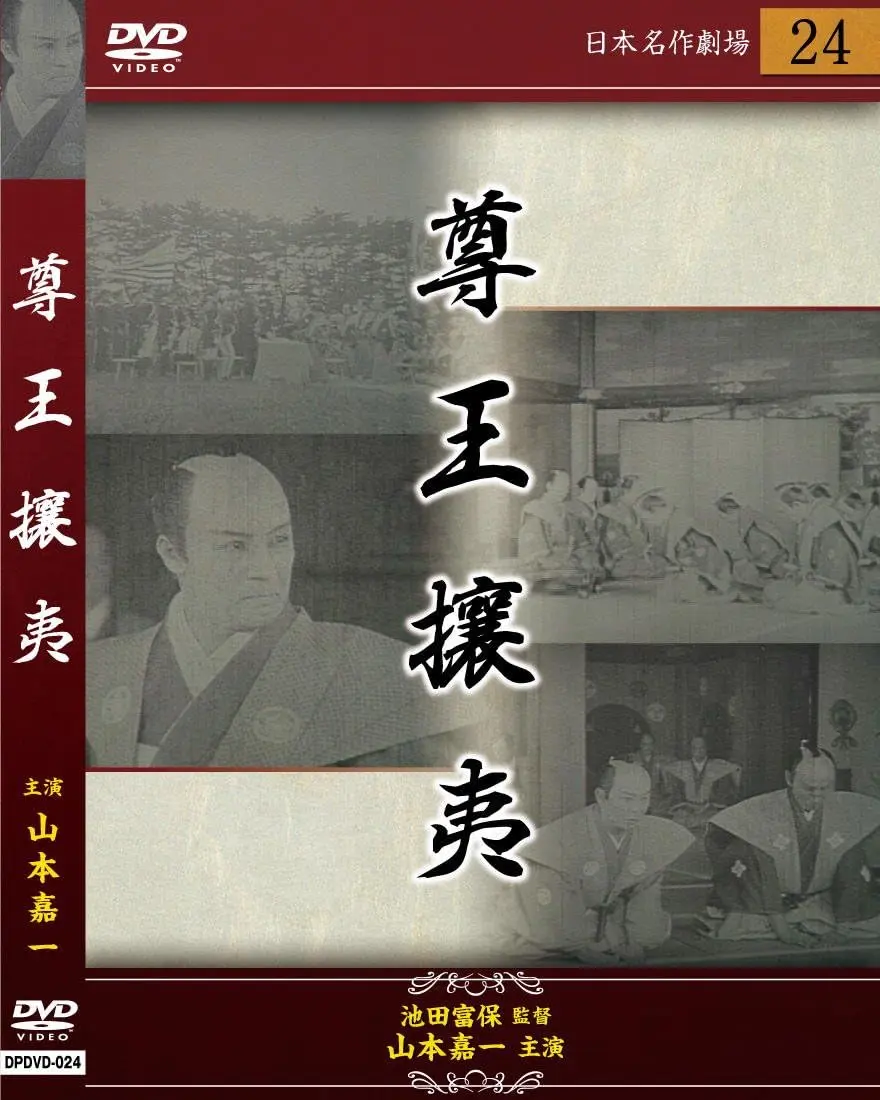
Scene from Son'nô jôi
Cinematic perspective: Exploring the visual vocabulary of Son'nô jôi (1927) through its definitive frames.
It’s important to remember the context of the era in which this film was made. The acting style, particularly in silent or early sound Japanese cinema, often leaned towards a more theatrical or stylized approach compared to modern naturalism. Yet, within these conventions, the actors manage to imbue their characters with a palpable sense of purpose and, in some cases, profound tragedy. The film's strength lies in its ability to show, rather than tell, the emotional toll of this era through these committed performances.
Direction and Cinematography: Capturing a Shifting World
Tomiyasu Ikeda’s direction in Son'nô jôi is characterized by a deliberate, almost documentary-like approach to its historical subject matter. The camera often maintains a respectful distance, allowing the unfolding drama to play out without excessive manipulation. This lends an air of authenticity to the proceedings, making the viewer feel like an observer rather than a participant.
The cinematography, while lacking the elaborate crane shots or dynamic compositions of later Japanese epics, is effective in establishing the mood and setting. Shots of traditional Japanese architecture, bustling Edo streets, and the serene yet foreboding landscapes contribute to a strong sense of place. There's a particular beauty in the way certain outdoor scenes are framed, capturing the subtle shifts in light that underscore the changing fortunes of the characters. One memorable sequence, depicting a clandestine meeting among the rebels, uses deep shadows and tight framing to emphasize the secrecy and danger inherent in their mission, creating a palpable sense of paranoia.
Ikeda employs a relatively straightforward visual language, prioritizing clarity and narrative progression over stylistic flourishes. This choice, while perhaps appearing less 'cinematic' by contemporary standards, ensures that the complex historical narrative remains visually comprehensible. The film's use of mise-en-scène is particularly noteworthy, with careful attention paid to costumes, sets, and props that immerse the audience in the period. This meticulous approach to visual detail reinforces the film's commitment to historical accuracy, making the world of 19th-century Japan feel lived-in and authentic.
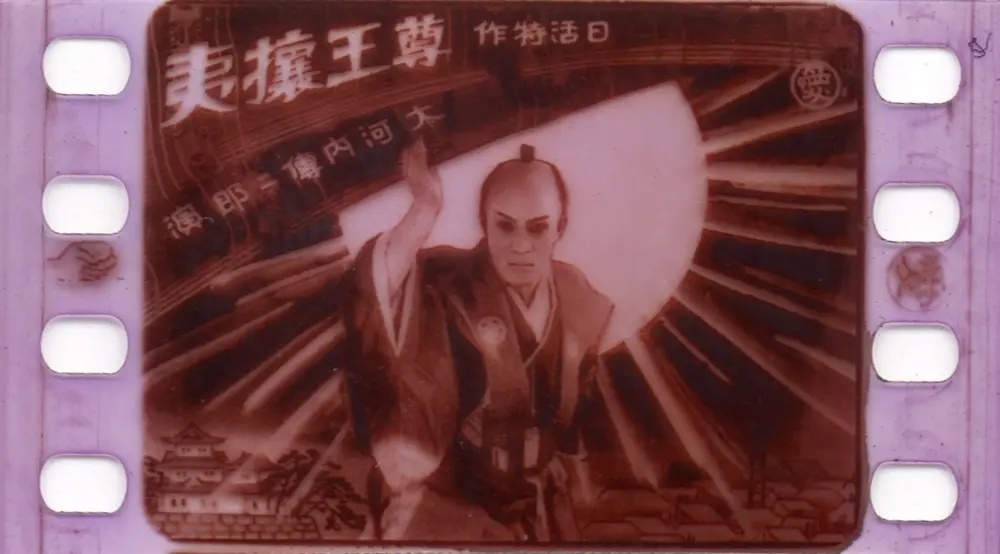
Scene from Son'nô jôi
Cinematic perspective: Exploring the visual vocabulary of Son'nô jôi (1927) through its definitive frames.
It's a testament to Ikeda's vision that even without the technological advancements of later decades, he manages to convey the scale of this historical conflict. The visual storytelling, though restrained, is powerful. It works. But it’s flawed. The lack of dynamic camerawork might deter some, but for those who appreciate the craft of early filmmaking, there's much to admire in its unpretentious effectiveness.
Pacing and Tone: A Deliberate March
The pacing of Son'nô jôi is undeniably slow, especially by modern standards. This is not a film that rushes its narrative; instead, it adopts a deliberate, almost stately rhythm that mirrors the gravity of the historical events it portrays. Each political maneuver, each assassination, and each ideological debate is given ample time to unfold, allowing the weight of the decisions and their consequences to sink in. For patient viewers, this measured pace contributes to a sense of immersion, drawing them deeper into the intricate political landscape.
However, for those accustomed to the brisk editing and constant narrative propulsion of contemporary cinema, this can be a significant hurdle. The film often lingers on scenes, relying on the performances and the inherent drama of the situation rather than quick cuts or heightened action. This is particularly evident in the extended sequences of political discourse and strategic planning, which, while historically rich, can test the endurance of even dedicated viewers.
The tone of the film is consistently serious and somber, befitting a story about national upheaval and violent conflict. There are few moments of levity; instead, a pervading sense of tension and impending tragedy hangs over the proceedings. Ikeda maintains this grave tone throughout, reinforcing the high stakes involved in the clash between the 'Honor the Emperor' and 'Open the door' factions. This unwavering seriousness contributes to the film's authenticity but also makes it a demanding watch, requiring sustained emotional and intellectual investment.
Scene from Son'nô jôi
Cinematic perspective: Exploring the visual vocabulary of Son'nô jôi (1927) through its definitive frames.
The film’s deliberate march towards its inevitable, violent climax is a stylistic choice that some might find tedious, but others will appreciate as a reflection of the slow, grinding nature of historical change. It’s a bold choice that prioritizes historical verisimilitude over immediate entertainment value, aligning it more with a historical chronicle than a conventional drama. The film feels like a historical text brought to life, warts and all, which is both its greatest strength and its most significant barrier to entry.
Is this film worth watching?
Yes, Son'nô jôi is worth watching for specific audiences. It offers a rare glimpse into a foundational period of Japanese history through the lens of early cinema. It's an important historical document.
For history enthusiasts, particularly those interested in the Meiji Restoration, the film provides invaluable context. It vividly depicts the ideological clashes and the human cost of political change. It portrays Ii Naosuke's difficult position with nuance.
For fans of early Japanese cinema, it's a fascinating example of pre-war filmmaking. The acting styles and directorial choices offer insights into the era's cinematic conventions. It stands as a significant work in Tomiyasu Ikeda's filmography.
However, if you're looking for an entertaining, easily digestible historical drama, this is not it. Its slow pace and dense narrative can be challenging. It demands patience and prior knowledge to fully appreciate.
Key Takeaways
Best for: History buffs, fans of early Japanese cinema, those interested in political dramas centered on ideological conflict, and scholars of the Meiji Restoration period.
Not for: Viewers seeking fast-paced action, clear-cut heroes, easily digestible narratives, or those unfamiliar with 19th-century Japanese history.
Standout element: The unflinching portrayal of political zealotry, its human cost, and Denjirō Ōkōchi’s commanding yet understated performance as Ii Naosuke.
Biggest flaw: Its demanding narrative structure and sometimes impenetrable historical detail for the uninitiated, leading to potential pacing issues for modern audiences.
Pros and Cons
Pros:
Authentic Historical Depiction: The film's meticulous attention to the period, from costumes to political factions, offers a genuine window into the Meiji Restoration.
Strong Central Performance: Denjirō Ōkōchi's portrayal of Ii Naosuke is a masterclass in controlled intensity, lending significant gravitas to the historical figure.
Unflinching Tone: The serious, somber mood effectively conveys the high stakes and tragic nature of the era, avoiding romanticization.
Cultural Significance: As an early piece of Japanese historical cinema, it holds considerable value for film scholars and cultural historians.
Thought-Provoking Themes: Explores timeless themes of tradition vs. progress, loyalty vs. pragmatism, and the cost of political conviction.
Cons:
Challenging Pacing: The deliberate, slow rhythm can be a significant deterrent for viewers accustomed to faster narratives, making it feel arduous at times.
Dense Narrative: Assumes a high degree of prior historical knowledge, making the intricate political landscape and numerous characters difficult to follow for the uninitiated.
Limited Accessibility: Not a film for casual viewing; its demands on the audience limit its broad appeal.
Stylistic Restraint: While authentic to its era, the lack of dynamic camerawork or modern editing techniques might make it feel dated to some viewers.
Lack of Emotional Hook for Some: While historically rich, the narrative prioritizes events over individual emotional arcs, potentially leaving some viewers detached.
Verdict
Son'nô jôi is undeniably an important film, a powerful historical document, and a challenging watch. It's a testament to the ambition of early Japanese cinema to tackle such a complex and violent period. While it lacks the immediate accessibility and polished narrative structures of later epics like Kurosawa's Seven Samurai, its value lies in its raw authenticity and unflinching portrayal of a nation tearing itself apart. It’s a film that demands patience, historical curiosity, and an appreciation for the cinematic conventions of its time. It will not entertain everyone, but it will certainly educate and provoke thought in those willing to meet it on its own terms. For the right audience, it’s a compelling, if demanding, journey into the heart of a nation's transformation. It’s a piece of history, both on screen and in its very existence as a film. It's not a popcorn movie. It's a history lesson, delivered with a stark, compelling gravity that few films achieve.