DbcultAccessing Vault...
7.5/10
Senior Film Conservator
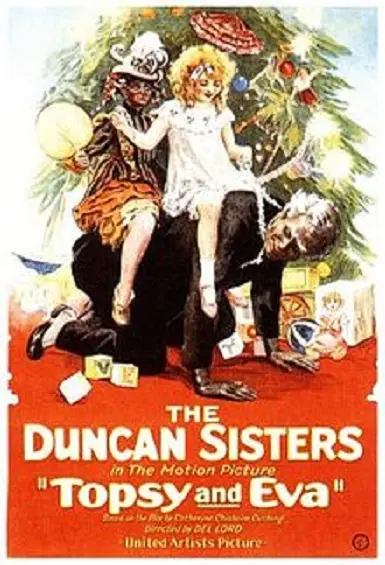
A definitive 7.5/10 rating for a film that redefined the boundaries of cult cinema. Topsy and Eva remains a cornerstone of transgressive art.
Is Topsy and Eva worth watching today? Short answer: yes, but with significant historical caveats and a very specific audience in mind. This film is primarily for silent film enthusiasts, scholars of early cinema, and those interested in the problematic adaptations of classic literature, distinctly not for viewers seeking a straightforward, unproblematic period piece or a faithful rendition of Stowe's novel.
The film, a 1927 production, dares to take characters from Harriet Beecher Stowe's seminal Uncle Tom's Cabin and thrusts them into a slapstick farce, even resurrecting Eva, a character whose death is central to the original narrative's emotional weight. This audacious premise alone signals that we are not in for a reverent adaptation but rather a curious, often jarring, reinterpretation. It’s a relic. But it’s also a powerful artifact of its time, demanding a critical lens.
The very foundation of Topsy and Eva is its most striking, and arguably most controversial, element. To take characters imbued with such profound cultural and historical significance and transplant them into a lighthearted 'further adventures' story, where Eva, against all literary precedent, survives, is a creative choice that borders on the audacious. It’s a testament to the era's willingness to re-contextualize popular narratives, regardless of their original intent or gravitas.
The plot, driven by Legree's scheme to swindle Colonel Shelby and seize his property—including Topsy—if a will isn't found in time, shifts the focus dramatically. Stowe's narrative explored the harrowing realities of slavery; this film, however, uses the characters as a vehicle for comedic chases and melodramatic urgency. The weight of the source material is largely discarded in favor of broad strokes and physical comedy, which, while perhaps entertaining to contemporary audiences, feels deeply uncomfortable today.
One might compare this reinterpretation to other bold adaptations of the era, such as Anne of Green Gables (1919) or even the more dramatic A Tale of Two Worlds (1921), both of which attempted to translate complex literary works to the screen. However, Topsy and Eva stands apart in its decision to fundamentally alter the established fate of a key character, signaling a clear intent to move beyond faithful adaptation into pure, unadulterated entertainment, no matter the cost to narrative integrity or thematic depth.
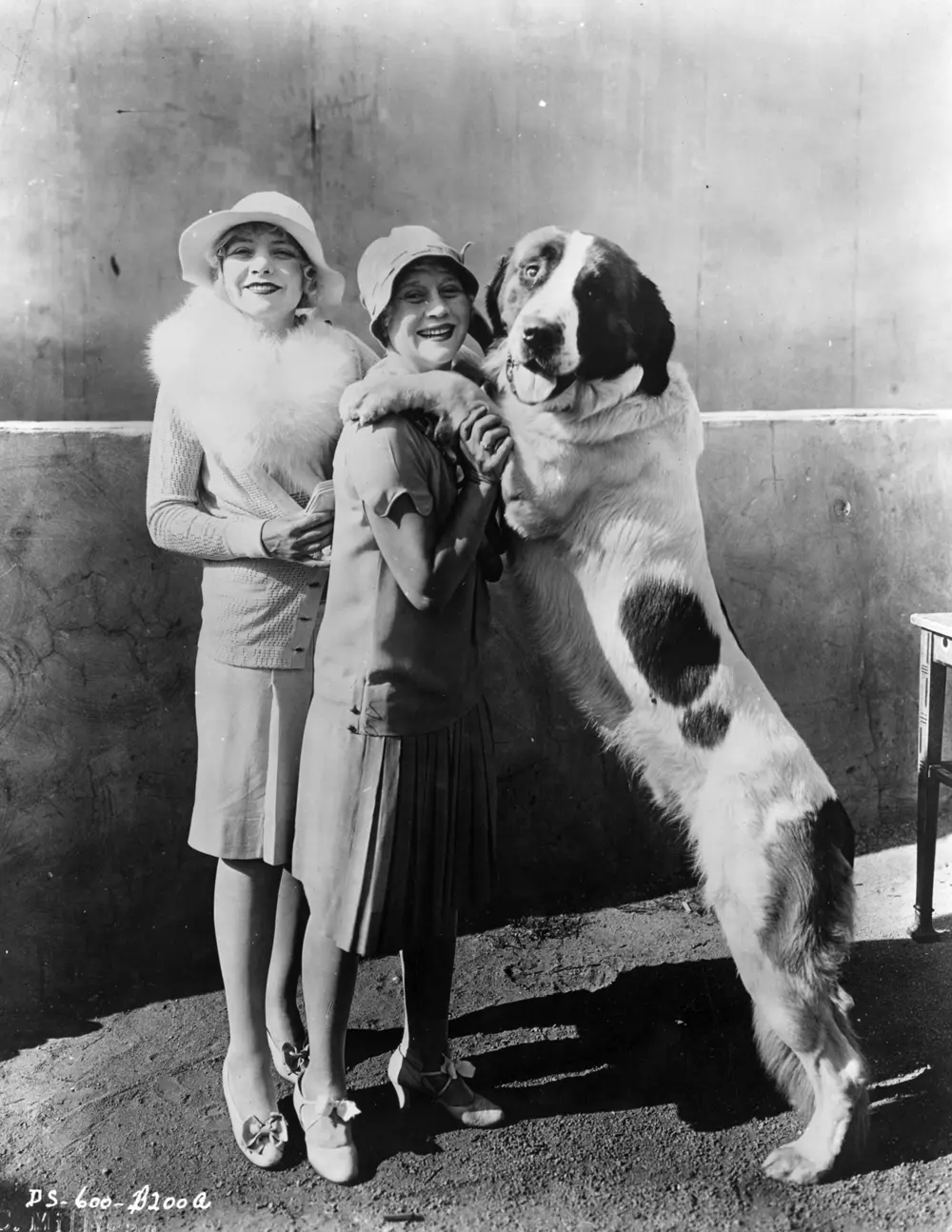
The heart of Topsy and Eva lies undoubtedly with the performances, particularly those of the Duncan Sisters, Rosetta and Vivian. Rosetta Duncan’s portrayal of Topsy is a whirlwind of kinetic energy, embodying the character's mischievous spirit through exaggerated facial expressions and frantic physical comedy. Her performance is a masterclass in silent film slapstick, often overshadowing the narrative itself. She commits fully to the comedic demands, delivering a performance that is both captivating and, at times, unsettling in its adherence to racial caricatures prevalent in minstrelsy.
Vivian Duncan, as Eva, brings a contrasting angelic innocence to the screen. Her presence is a calming counterpoint to Rosetta's dynamism, though her resurrected role fundamentally alters the emotional core derived from Stowe's original work. The chemistry between the sisters is palpable, a clear strength that carries many of the film's comedic sequences. Their stage background as vaudeville performers shines through, evident in their timing and ability to command attention without dialogue.
Gibson Gowland, fresh off his memorable role in Greed, delivers a suitably menacing, if somewhat one-dimensional, Legree. He embodies the villain with a sneering physicality, his large frame used to convey power and intimidation. His performance, while effective for the farcical tone, lacks the psychological depth that a more serious adaptation of Legree might demand. Noble Johnson, a prolific actor of the era, also contributes, though his role, like many others, serves more as a functional piece in the comedic machinery than a character of profound depth.
The supporting cast, including the likes of Myrtle Ferguson, Dot Farley, and Lionel Belmore, dutifully fills out the ensemble, contributing to the film's lighthearted, albeit often broad, comedic atmosphere. Their reactions and interactions are crucial in grounding the slapstick in a semblance of narrative progression. It is a cast built for immediate, visual impact, prioritizing laughs and gasps over nuanced character development. This approach is typical for the era's comedies, similar in spirit to the ensemble work seen in films like Paris (1926), though with vastly different thematic underpinnings.
The directorial vision for Topsy and Eva, shared by Lois Weber and Del Lord (though Weber's involvement is often debated and less pronounced in the final comedic cut), leans heavily into the rapid-fire pacing characteristic of silent slapstick. The film moves at a brisk clip, rarely lingering on emotional beats or complex character motivations. Instead, it prioritizes action
IMDb 7.5
1935
Community
Log in to comment.