DbcultAccessing Vault...
6.2/10
Senior Film Conservator
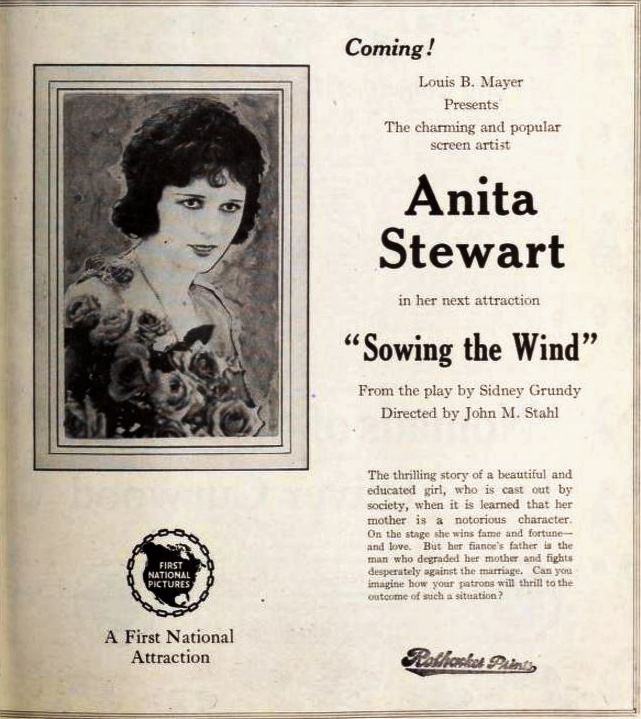
A definitive 6.2/10 rating for a film that redefined the boundaries of cult cinema. Sowing the Wind remains a cornerstone of transgressive art.
In the landscape of early 1920s cinema, few narratives capture the agonizing friction between social reputation and intrinsic morality as vividly as Sowing the Wind. Directed with a keen eye for the theatrical traditions of Sydney Grundy, this film is not merely a relic of a bygone era but a sophisticated exploration of the 'fallen woman' trope that haunted the cultural zeitgeist of the post-Victorian world. Unlike the more action-oriented fare of the time, such as The Flying Torpedo, this production leans heavily into the psychological interiority of its protagonists, crafting a space where silence speaks with the volume of a thousand screams.
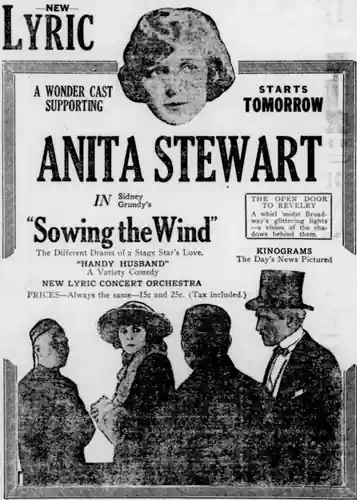
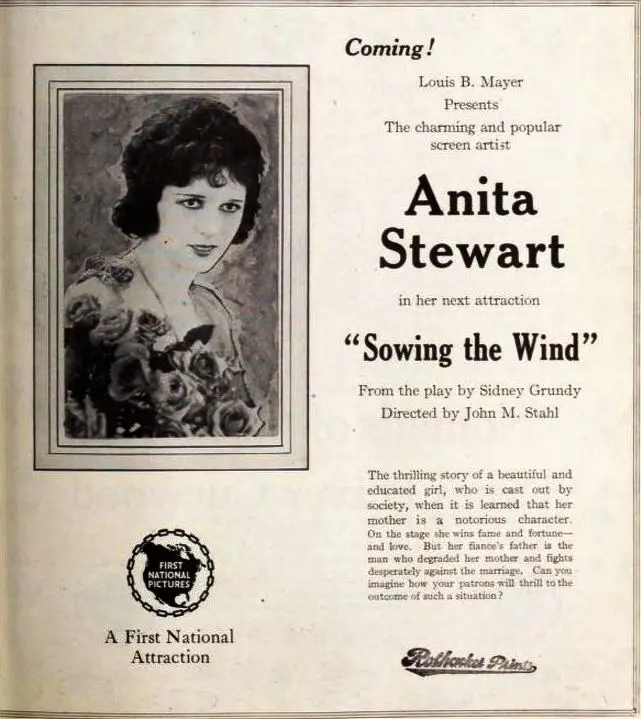
The film opens with a stark contrast that defines the remainder of the runtime: the purity of the convent versus the decadence of the gambling hall. This binary is personified in Rosamond, played with a luminous, almost ethereal fragility by Anita Stewart. Stewart, a titan of the silent screen, manages to convey a sense of burgeoning autonomy that was often denied to heroines of this period. Her performance here arguably eclipses her work in The Thoroughbred, providing a more nuanced look at a woman struggling to reconcile her identity with a tainted heritage.
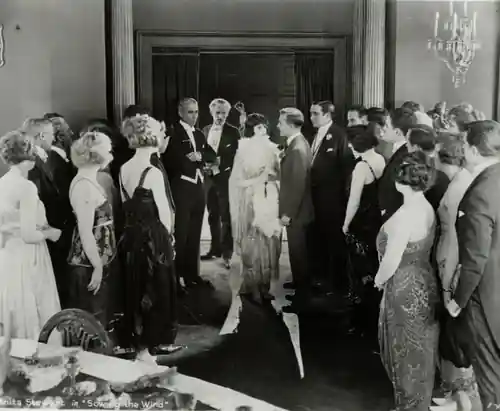
The character of Baby Brabant, portrayed with a haunting, jagged edge, serves as the narrative’s tragic fulcrum. Her transformation from a 'notorious queen' of vice to an opium-addicted wraith is a sequence of events that rivals the dark thematic undertones found in The Whispering Chorus. The film does not shy away from the visceral consequences of her lifestyle; the scenes depicting her remorse are shot with a claustrophobic intensity that emphasizes her isolation. When Rosamond denounces her, the rejection is not merely personal—it is a societal verdict delivered by her own flesh and blood.
This rejection propels the story into a second act that mirrors the structural complexity of Redeeming Love. As Rosamond seeks redemption through the arts, she inadvertently steps into the same spotlight that once illuminated her mother’s notoriety, albeit in a more 'respectable' venue. The irony of the actress’s life—performing for the public while hiding a private shame—is a recurring motif that Grundy and Hall exploit to great emotional effect. It questions the very nature of performance: is Rosamond’s virtue a reality, or merely another role she has mastered to escape her shadow?
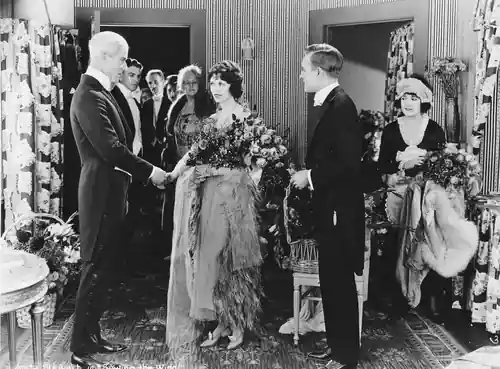
The introduction of Brabazon, the wealthy foster-father of Ned, shifts the film from a domestic drama into a scathing critique of patriarchal hypocrisy. Brabazon, played with a stiff-necked arrogance, represents the judgmental upper crust that views women as either saints or playthings. His advice to Ned to treat Rosamond with casual cruelty is a chilling reflection of the era's double standards—a theme also explored in the domestic tensions of Other Men's Wives. However, the narrative masterstroke occurs when Brabazon’s own past is unmasked, revealing that the woman he dismisses as 'trash' was once the center of his own universe.
The revelation that Rosamond is Brabazon’s daughter is handled with a restraint that prevents it from descending into mere soap opera. The cinematography utilizes long, lingering shots on the actors' faces, capturing the moment the cognitive dissonance shatters their composure. This is where Harry Northrup and William Clifford shine, providing a masculine counterpoint to Stewart’s emotional arc. The realization that he has been advocating for the debasement of his own child provides a visceral satisfaction to the audience, a karmic realignment that is as devastating as it is necessary.
In comparing 'Sowing the Wind' to its contemporaries, one must note its refusal to indulge in the slapstick or lightheartedness found in films like Submarines and Simps or the gender-bending whimsy of Petticoats and Pants. Instead, it aligns itself more closely with the heavy-handed moral epics such as Judith of Bethulia, albeit on a more intimate, domestic scale. The film shares a certain DNA with Those Without Sin, particularly in its obsession with the fragility of a woman's honor in a world designed to dismantle it.
Visually, the film employs a chiaroscuro lighting style that highlights the duality of the characters. The gambling dens are wreathed in shadows and smoke, contrasting sharply with the bright, almost blinding light of the convent and the theater’s stage. This visual language serves to emphasize the moral ambiguity of the characters' choices. Is Rosamond’s success as an actress a form of 'breaking through' social barriers, much like the themes in Breaking Through, or is it merely another cage? The film leaves this question somewhat open, suggesting that while she finds love with Ned, the cost—the death of her mother and the shattering of her illusions—is astronomical.
The portrayal of opium addiction in the film is surprisingly candid for 1921. It isn't used for cheap thrills or exoticism, as seen in some lesser serials like What Happened to Mary, but as a genuine manifestation of grief and self-loathing. Baby Brabant’s decline is a slow-motion car crash of the soul. Her eventual death serves as the ultimate sacrifice, a narrative necessity that clears the path for the younger generation to unite without the 'stain' of her living presence. It is a harsh, almost cruel resolution, yet it fits the fatalistic tone of the story perfectly.
One might argue that the film occasionally verges on Kitsch, especially in its more melodramatic flourishes, but the sincerity of the performances keeps it grounded. The chemistry between Stewart and James Morrison (Ned) provides a much-needed warmth to an otherwise bleak landscape. Their union is the 'harvest' that results from the wind that was sown, suggesting that while the parents must suffer for their transgressions, the children may yet find a way to cultivate a different kind of future. This optimism is hard-won and feels more earned than the easy resolutions found in Wit Wins.
The direction by John Cassel (though credited primarily to the writers' vision) exhibits a sophisticated understanding of pacing. The film builds tension not through physical conflict, but through the slow accumulation of secrets. This method of storytelling is reminiscent of The Flame of Hellgate, where the environment itself feels like a character participating in the protagonist's downfall. The intertitles are particularly well-written, avoiding the florid prose common in the era in favor of direct, punchy dialogue that heightens the emotional impact of the scenes.
The set design also deserves mention. The gambling house is a masterpiece of art direction, filled with intricate details that suggest a history of both glamour and decay. It stands in stark opposition to the sterile, almost oppressive cleanliness of Brabazon's estate. These locations are not just settings; they are externalizations of the characters' internal states. Rosamond’s journey from the convent to the gambling house to the theater and finally to the domestic sphere is a physical mapping of her social and emotional evolution.
Ultimately, 'Sowing the Wind' remains a potent example of the power of silent cinema to convey complex human emotions without the aid of spoken dialogue. It is a film that demands the viewer's full attention, rewarding them with a rich, albeit somber, experience. While it may share certain narrative beats with Angel of His Dreams, it possesses a grit and a willingness to confront the darker aspects of the human condition that sets it apart. It is a story of how we are all, in some way, reaping what has been sown by those who came before us, and the Herculean effort required to plant something new in the exhausted soil of the past.
For the modern cinephile, this film offers a fascinating window into the moral anxieties of the early 20th century. It challenges us to look beyond the surface of 'notoriety' and see the suffering human heart beneath. The performances, particularly those of Stewart and the actress playing Baby Brabant, remain remarkably contemporary in their emotional honesty. In the grand lexicon of silent melodrama, 'Sowing the Wind' deserves a place of honor, not just as a historical curiosity, but as a living, breathing work of art that continues to resonate with its themes of forgiveness, identity, and the enduring power of the maternal bond—even when that bond is frayed to the point of breaking.

IMDb —
1917
Community
Log in to comment.