DbcultAccessing Vault...
7.4/10
Senior Film Conservator
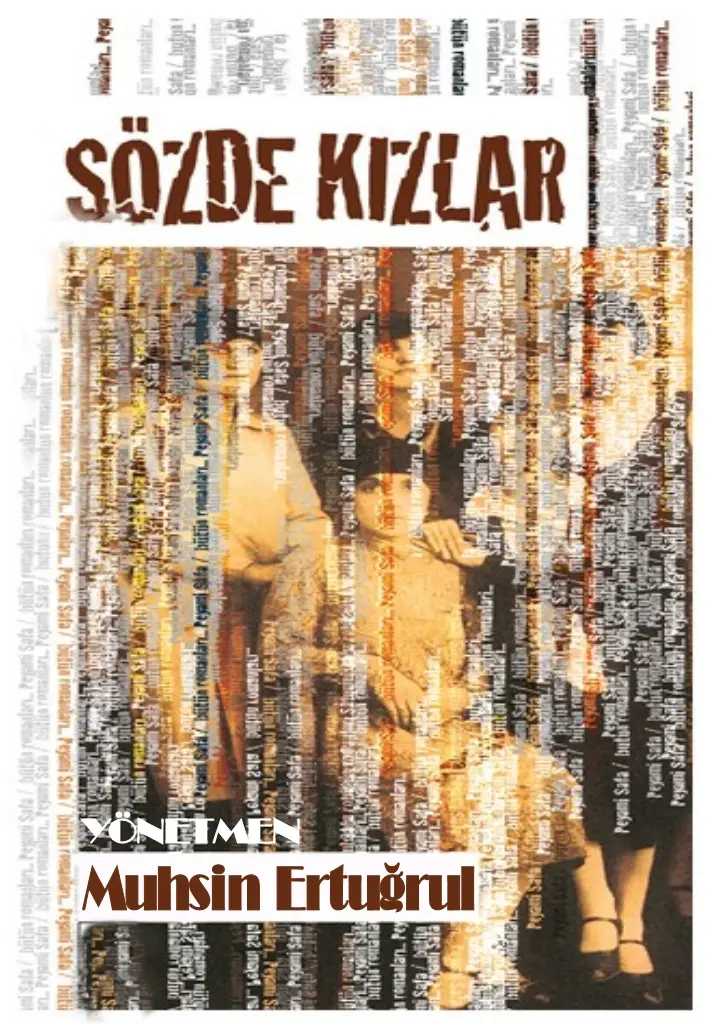
A definitive 7.4/10 rating for a film that redefined the boundaries of cult cinema. Sözde Kizlar remains a cornerstone of transgressive art.
To watch Muhsin Ertuğrul’s 1924 silent opus, Sözde Kızlar, is to step into a time capsule that vibrates with the anxieties of a nation in the throes of a painful metamorphosis. Adapted from Peyami Safa’s seminal novel, this film is far more than a mere historical curiosity; it is a visceral document of the 'Armistice Period' psyche. As a critic, one must approach this work not just through the lens of early 20th-century cinematography, but through the sociological fracture it depicts: the yawning chasm between the sacrificial spirit of Anatolia and the decadent, often collaborative, indifference of the Istanbulite elite.
The film opens with a stark juxtaposition. While the Greek occupation ravages the western provinces, Istanbul remains a gilded cage. Mebure, portrayed with a haunting, wide-eyed sincerity by the cast, arrives as a specter of the real world haunting a dreamscape of privilege. The direction by Ertuğrul—who brought the expressionistic sensibilities of German and Soviet cinema back to his homeland—utilizes the sprawling mansions of the city to create a sense of claustrophobia. Unlike the open, albeit dangerous, vistas of the Anatolian front, the interiors in Sözde Kızlar feel heavy with the scent of stagnant perfume and moral decay.
One cannot help but compare this domestic tension to the thematic structures found in Her Temporary Husband, yet where Western films of the era often leaned into farce, Ertuğrul leans into the tragic. The house Mebure enters is not a sanctuary; it is a microcosm of a society that has lost its compass. The 'pseudo-girls' (Sözde Kızlar) of the title refer to the modernized, Westernized youth who, in Safa’s view, had abandoned traditional virtues for a hollow imitation of European decadence. This critique is sharp, perhaps even reactionary by modern standards, but in the context of 1924, it was a cry for identity.
Behiç is perhaps one of the most detestable villains of the silent era, precisely because his evil is so banal. He is not a mustache-twirling caricature but a product of his environment—a man who views the displacement of his kin as a mere logistical backdrop for his predatory whims. His attempts to 'make use' of Mebure are filmed with an unsettling proximity. The camera lingers on his gestures, his invasive presence in Mebure's personal space, highlighting the power dynamics of the era. In many ways, Behiç represents the 'Old Istanbul' that Safa and Ertuğrul believed needed to be purged for the new Republic to survive.
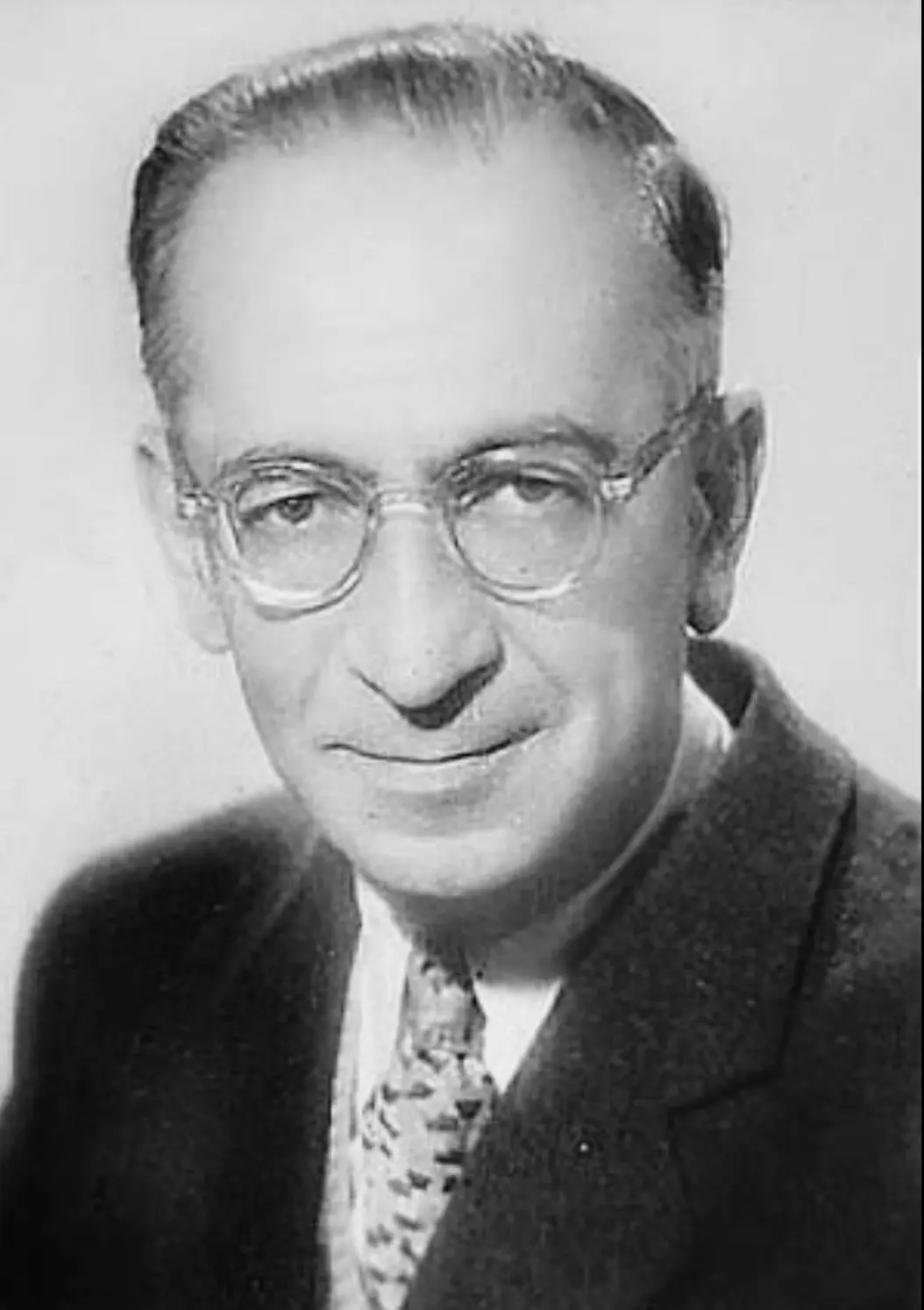
This portrayal of the predatory male relative echoes the darker undertones of The Brute Master, though Ertuğrul’s touch is more culturally specific. Behiç is the antithesis of the 'Father' Mebure is searching for. While the father represents the lost honor and protective strength of the past, Behiç represents the parasitic present.
Technically, Sözde Kızlar is a marvel of its time. The lighting choices reflect a burgeoning understanding of psychological shadows. When Mebure wanders the streets of Istanbul in search of her father, the city is shot with a sense of alienation that predates the great 'city symphonies' of the late 20s. The grainy texture of the surviving prints only adds to the ethereal, ghost-like quality of the narrative. We are watching a world that no longer exists, mourning a world that was already dying when the cameras rolled.
The search for the father is the film’s emotional anchor. It elevates the story from a simple melodrama to an existential quest. Much like the protagonists in Waifs, Mebure is an orphan of circumstance, but her orphanhood is shared by an entire generation. Every door she knocks on, every lead that turns into a dead end, mirrors the frustration of a people trying to find their way back to a sense of belonging after the trauma of the Great War and the subsequent War of Independence.
Peyami Safa’s prose is notoriously difficult to translate to the screen because so much of his impact lies in internal monologue and philosophical digression. However, Ertuğrul manages to externalize these conflicts through masterful blocking. Notice the way Mebure is often positioned in the corner of the frame, dwarfed by the opulent furniture of the mansion, suggesting her insignificance in the eyes of the 'pseudo-bourgeoisie.' This visual storytelling is as potent as any of Safa's descriptions.
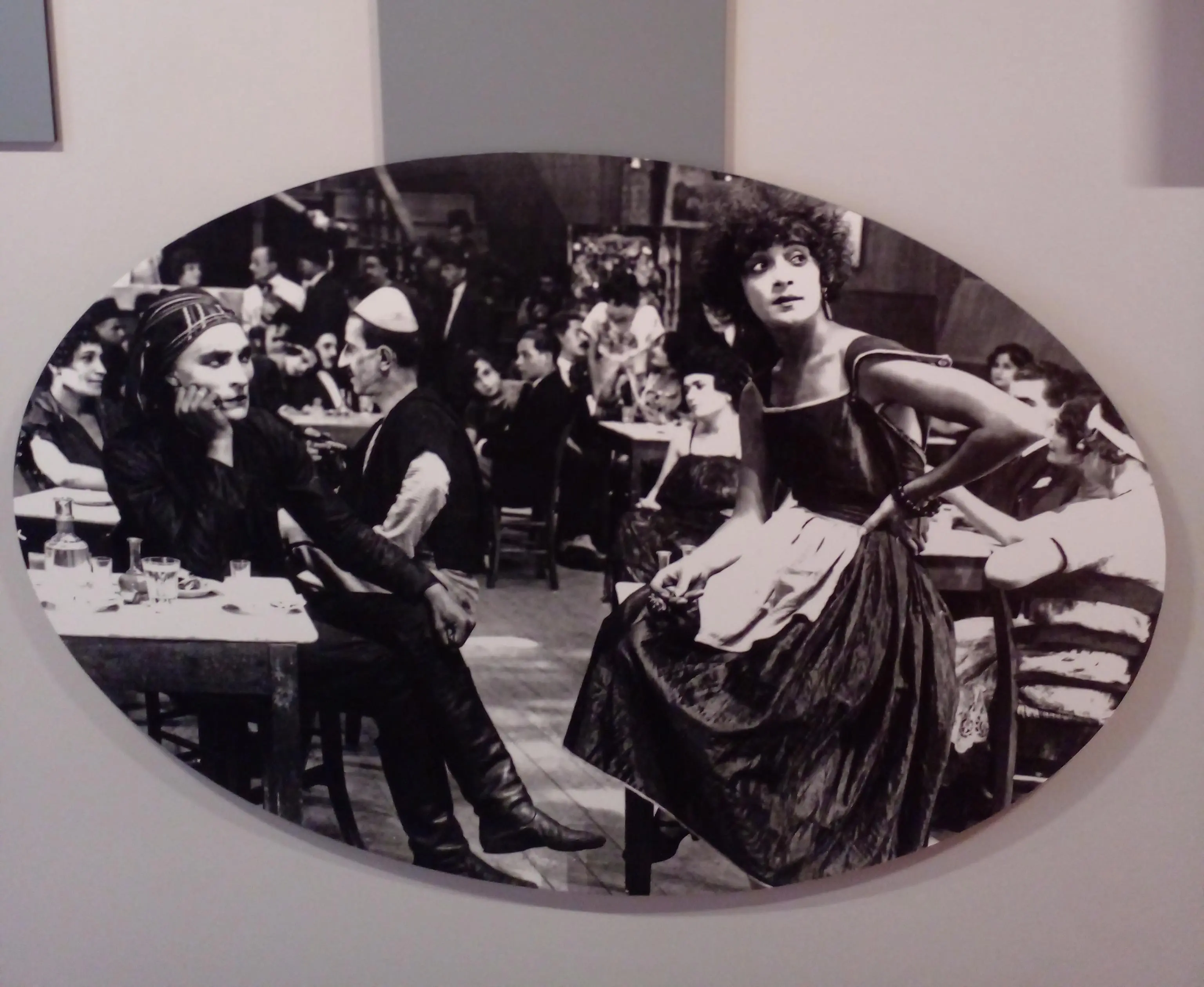
The film also shares a certain moral weight with The Burning Question, as it tackles the social taboos of its time head-on. It doesn't shy away from the 'fallen' nature of its secondary characters, using them as cautionary tales for a society at a crossroads. The 'Pseudo-Girls' themselves—the flappers of the Bosphorus—are depicted with a mixture of fascination and disdain, reflecting the era's complex relationship with burgeoning feminism and Western fashion.
Muhsin Ertuğrul’s background in theater (the Darülbedayi) is evident in the performances. While silent acting often veers into the histrionic, there is a groundedness here, particularly in Hakki Necip’s performance. The ensemble cast, including names like Elena Artinova and Maurice Méa, brings a cosmopolitan flavor to the production, reminding us that Istanbul was—and is—a melting pot, even in its darkest hours. This diversity of the cast, however, stands in stark contrast to the singular, nationalist goal of the narrative, creating a fascinating tension that is ripe for academic study.
In comparing the film’s pacing to One Wonderful Night, one finds that Sözde Kızlar is far more deliberate. It is not interested in the quick thrills of a mystery; it wants the viewer to sit with Mebure’s grief. It wants you to feel the weight of every silent minute spent in the company of the predatory Behiç. The 'search' is not a plot device; it is the heartbeat of the film.
Sözde Kızlar remains a cornerstone of Turkish cinema because it dared to be critical at a time when propaganda would have been easier. It looked at the 'victors' of the city and saw their moral defeat. It looked at the 'refugees' of the war and saw their spiritual triumph. While some might find the silent format or the surviving print quality challenging, the emotional core of the film is indestructible. It is a story of a woman refusing to be consumed by the shadows, a story that resonates just as strongly as the themes in The Social Code.
As we look back nearly a century later, Mebure’s face remains etched in the annals of film history—a symbol of resilience. Whether she finds her father or not becomes secondary to the fact that she never stopped looking, even when surrounded by those who had forgotten what it meant to care. This is the enduring power of Ertuğrul’s vision: it reminds us that even in a world of 'pseudo' people, the search for truth is the only thing that is real. For those interested in the evolution of social drama, this film is as essential as The Man Life Passed By, offering a unique Eastern perspective on the universal struggle for dignity.
IMDb —
1934
Community
Log in to comment.