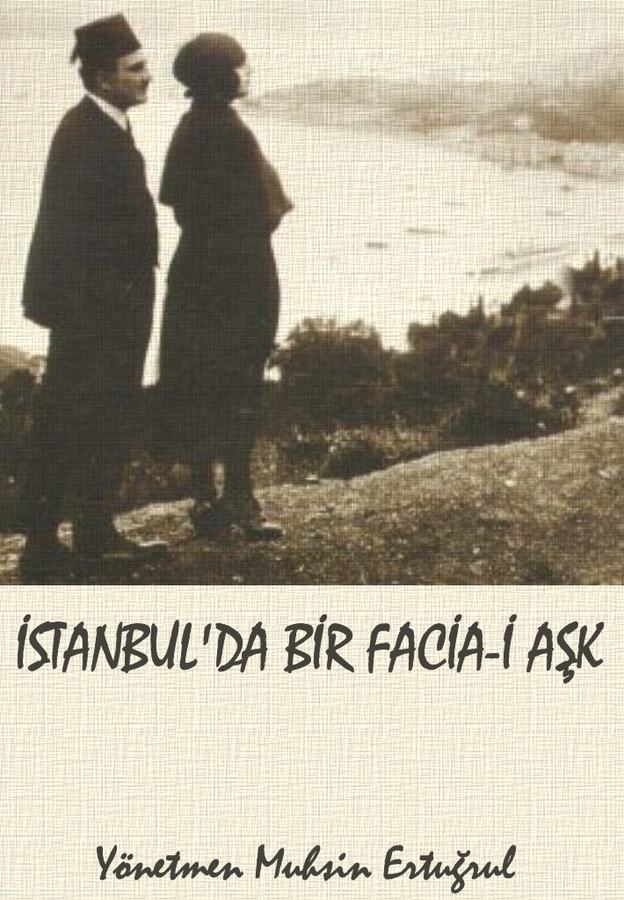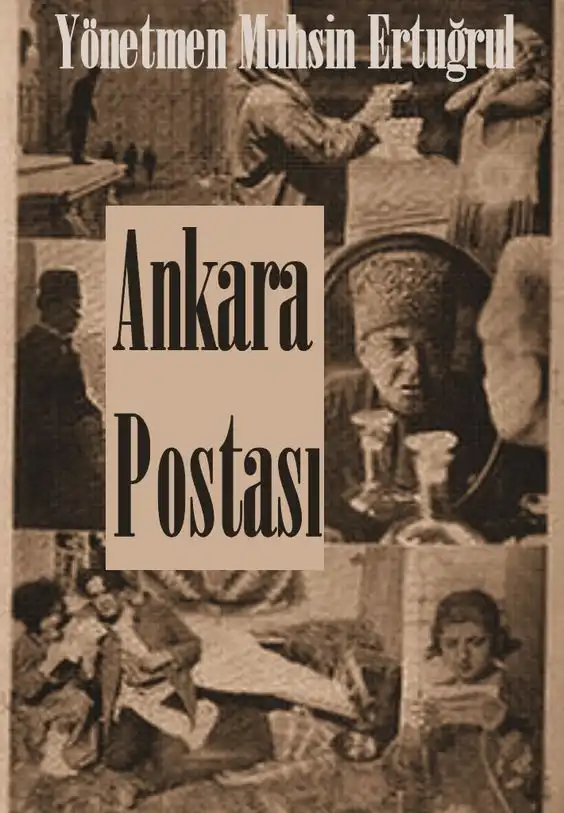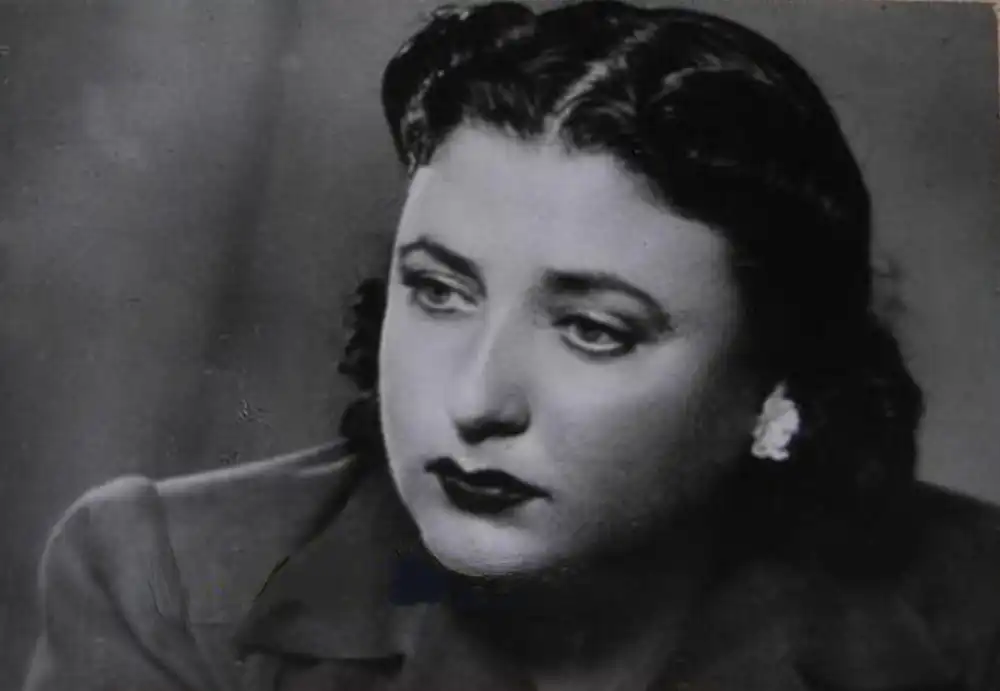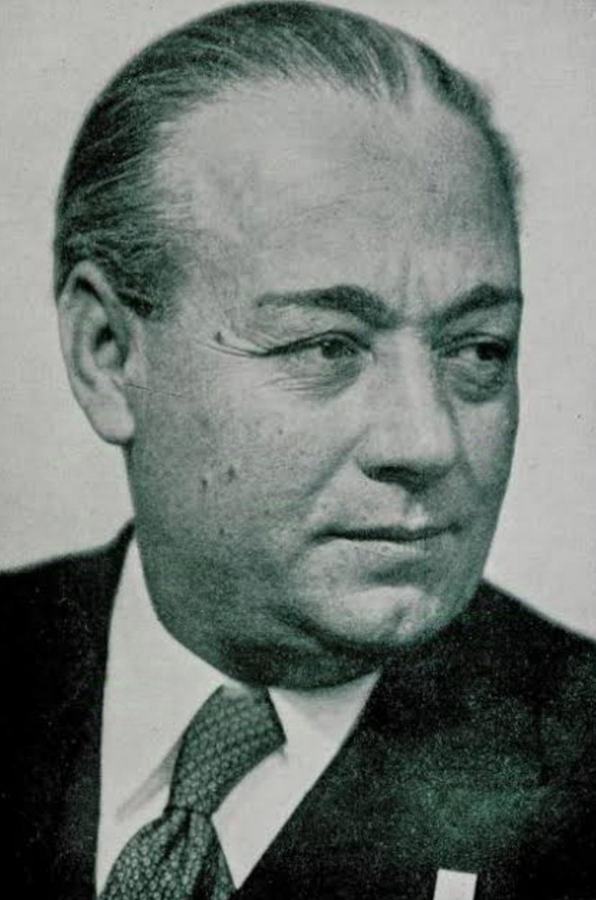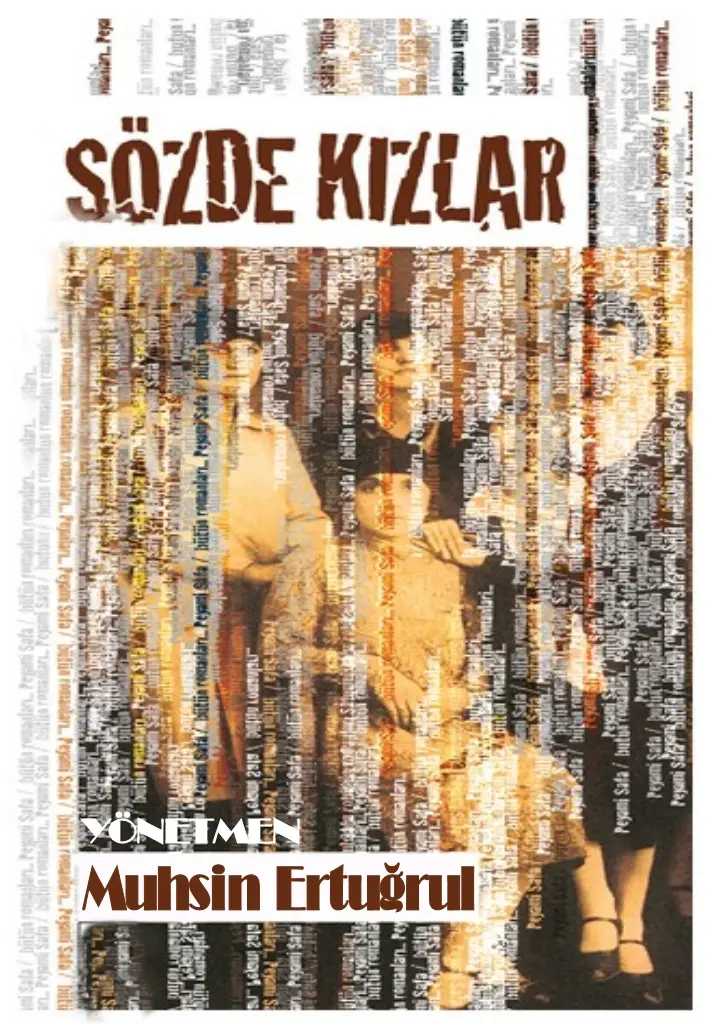
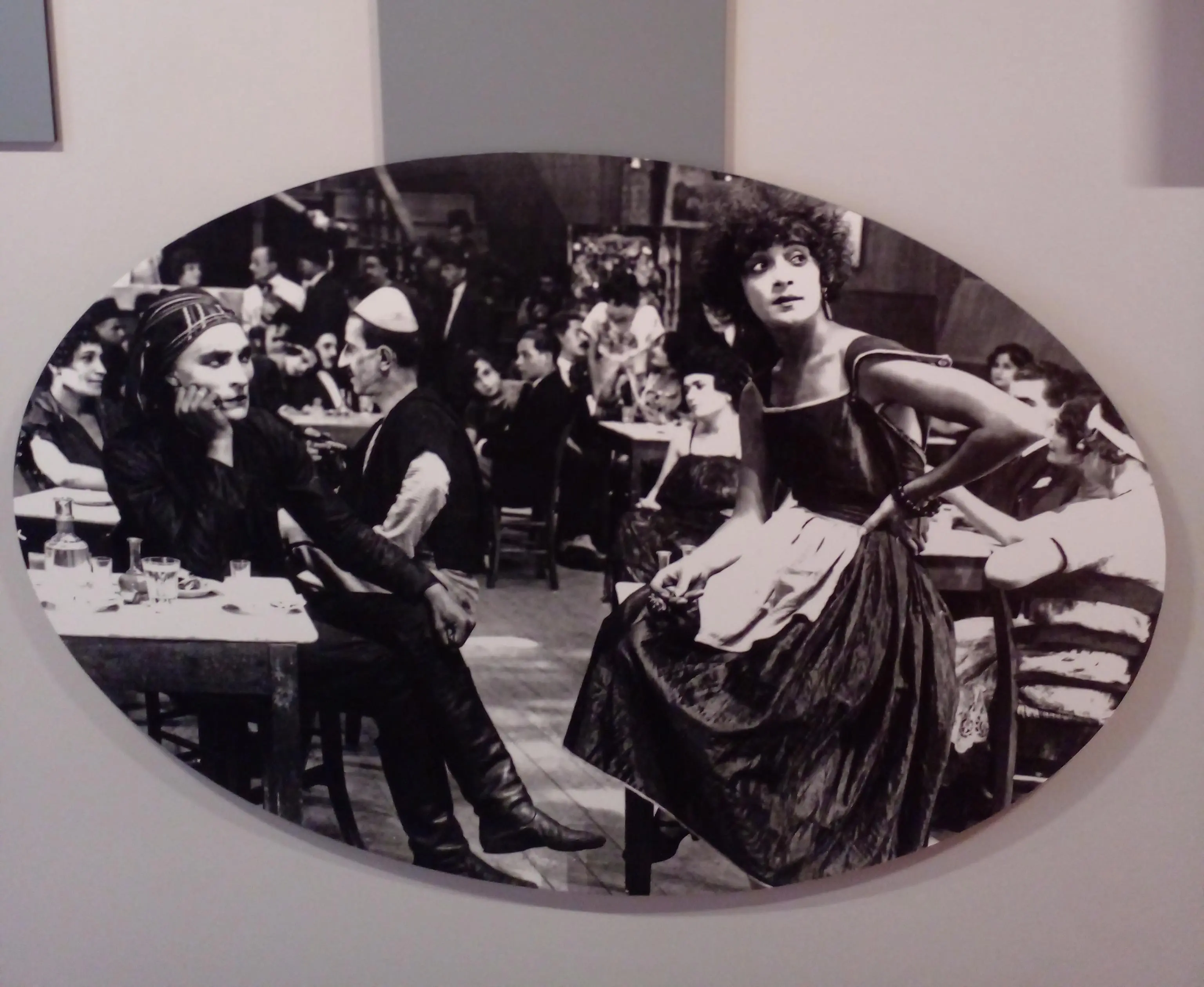
Based on the novel of Peyami Safa, movie centers upon life of Mebure who arrives to Istanbul after Greeks occupies Western Anatolia. In Istanbul, Mebure begins to live with her relatives who live in very good condition and sooner or later Behic, the son of the house, starts to interest with Mebure and tries to make use of her.
To watch Muhsin Ertuğrul’s 1924 silent opus, Sözde Kızlar, is to step into a time capsule that vibrates with the anxieties of a nation in the throes of a painful metamorphosis. Adapted from Peyami Safa’s seminal novel, this film is far more than a mere historical curiosity; it is a visceral document of the 'Armistice P...
still_frame
still_frame

Comparing the cinematic DNA and archive impact of two defining moments in cult history.
Muhsin Ertugrul

Maurice Elvey
Community
Log in to comment.
"To watch Muhsin Ertuğrul’s 1924 silent opus, Sözde Kızlar, is to step into a time capsule that vibrates with the anxieties of a nation in the throes of a painful metamorphosis. Adapted from Peyami Safa’s seminal novel, this film is far more than a mere historical curiosity; it is a visceral document of the 'Armistice Period' psyche. As a critic, one must approach this work not just through the lens of early 20th-century cinematography, but through the sociological fracture it depicts: the yawnin..."
Gavros Toloyan
Muhsin Ertugrul, Peyami Safa
Turkey