DbcultAccessing Vault...
4.9/10
Senior Film Conservator
A definitive 4.9/10 rating for a film that redefined the boundaries of cult cinema. Saved in Mid-Air remains a cornerstone of transgressive art.
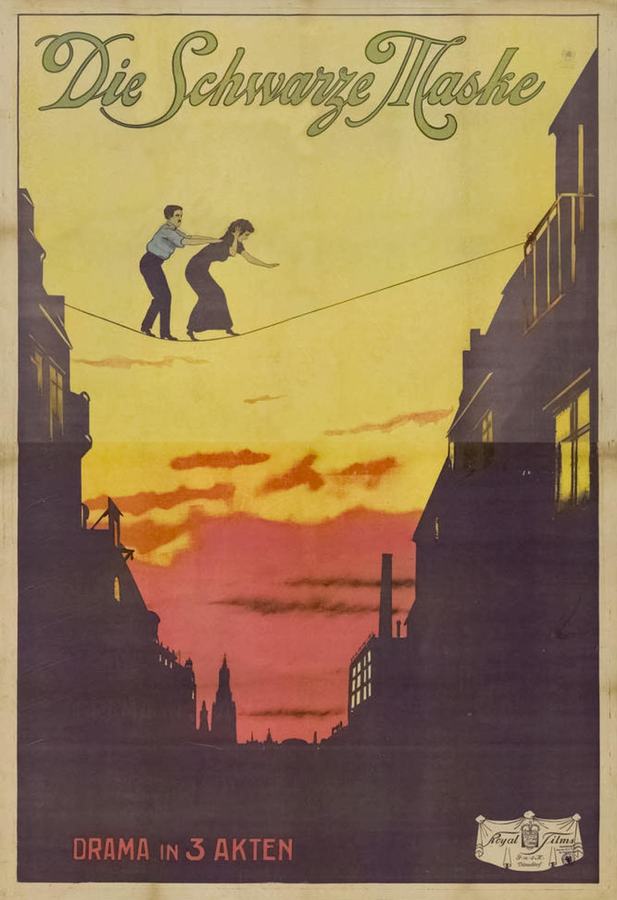
The nascent years of cinema, often perceived through a sepia-toned haze of quaintness, frequently concealed narratives of surprising complexity and audacious vision. Among these early cinematic ventures, the 1912 Swedish production, Saved in Mid-Air (original title: I livets vår), emerges as a fascinating artifact—a silent espionage thriller that, even over a century later, still resonates with a palpable sense of tension and intrigue. Penned by a collaborative team including Sigrid Calamnius, Charles Magnusson, and the legendary Mauritz Stiller, this film transcends mere historical curiosity, offering a compelling glimpse into the burgeoning art of storytelling through moving images and the sophisticated dramatic capabilities of its era's performers.
At its core, Saved in Mid-Air orchestrates a delicate dance of deception and loyalty, set against the backdrop of shadowy political machinations. The plot, deceptively simple yet pregnant with implication, centers on the pursuit of a vital official document. This document, whose precise contents remain tantalizingly vague, serves as a powerful MacGuffin, driving the narrative forward with relentless momentum. Its acquisition is the paramount objective of two rival secret societies, each operating in the clandestine underbelly of early 20th-century European power struggles. The film skillfully introduces us to the key players in this high-stakes game, establishing their motivations and the perilous landscape they navigate.
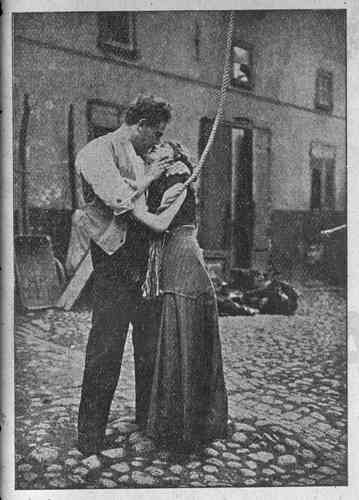
Central to the film's narrative thrust is Lydia, portrayed with captivating intensity by Lili Beck. Lydia is not merely an agent; she is a meticulously crafted figure of the burgeoning 'femme fatale' archetype, a woman whose beauty is as much a weapon as her intellect. Dispatched by "The Black Masks," a secret political society whose shadowy influence permeates the narrative, Lydia's mission is clear: to intercept and secure the crucial document. Beck's performance, reliant entirely on nuanced facial expressions, body language, and the occasional intertitle, conveys a potent mixture of determination, vulnerability, and steely resolve. Her character embodies the moral ambiguities inherent in espionage, forcing the audience to grapple with her choices and allegiances.
Her counterpart, Lieutenant von Muehlen, brought to life by the legendary Victor Sjöström, is equally compelling. Sjöström, a titan of early Swedish cinema, imbues von Muehlen with a quiet gravitas and an underlying current of internal conflict. As a trusted member of another, unnamed secret society, he is on the same perilous mission as Lydia, creating a fascinating dynamic of parallel quests that are destined to intertwine. Sjöström’s portrayal avoids simplistic heroics, instead suggesting a man burdened by duty yet capable of profound human connection. The subtle interplay between Beck and Sjöström, even in the absence of spoken dialogue, forms the emotional core of the film, elevating it beyond a mere chase thriller.
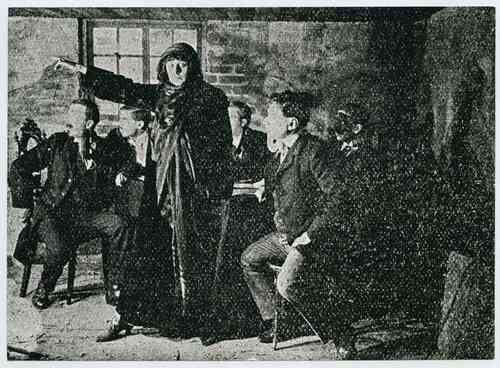
The supporting cast, including Gunnel Holzhausen and John Ekman, provides robust depth to this intricate web of intrigue. Holzhausen, though perhaps in a less central role, contributes to the period's dramatic authenticity, while Ekman, a prolific actor of the era, adds a layer of menace or authority where needed. The collective performances, under the guidance of the filmmakers, demonstrate a sophisticated understanding of how to build character and narrative tension without the aid of sound, relying instead on visual storytelling and the sheer expressive power of the human face.
While specific directorial credits for such early films can sometimes be nebulous, the involvement of Charles Magnusson (a key producer and often uncredited director) and Mauritz Stiller (a significant writer and later a celebrated director) points to a sophisticated understanding of cinematic language for its time. Stiller, in particular, would go on to direct iconic films like Gösta Berlings Saga (1924) and discover Greta Garbo, so his imprint on the narrative structure and character development here is noteworthy. The film’s pacing is remarkably brisk for a silent feature, avoiding the static theatricality that often characterized earlier productions. Instead, it employs judicious editing, strategic camera placements, and a keen sense of visual rhythm to maintain suspense.
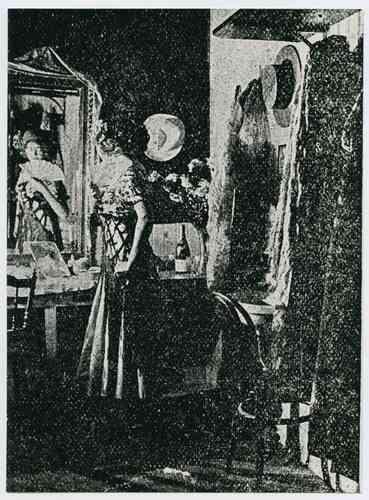
The cinematography, while adhering to the technical limitations of 1912, is effective in establishing mood and conveying information. There are glimpses of nascent techniques that would become staples of the spy genre: the furtive glance, the shadowed figure, the dramatic reveal of a hidden object. The use of natural light and carefully composed interior shots contributes to an atmosphere of realism, grounding the fantastical premise of secret societies in a believable world. The filmmakers understood the power of visual metaphor, allowing the audience to infer complex emotional states and political undercurrents through imagery alone.
Saved in Mid-Air delves into universal themes that transcend its specific historical context. Loyalty, in its various forms—to one's society, one's nation, or one's personal code—is constantly tested. Betrayal lurks around every corner, a specter that threatens to unravel the delicate fabric of trust. The film subtly questions the morality of clandestine operations, presenting characters who, despite their professional detachment, are undeniably human, susceptible to doubt and perhaps even affection. This exploration of the moral labyrinth faced by agents in the field gives the film a psychological depth that belies its early production date.
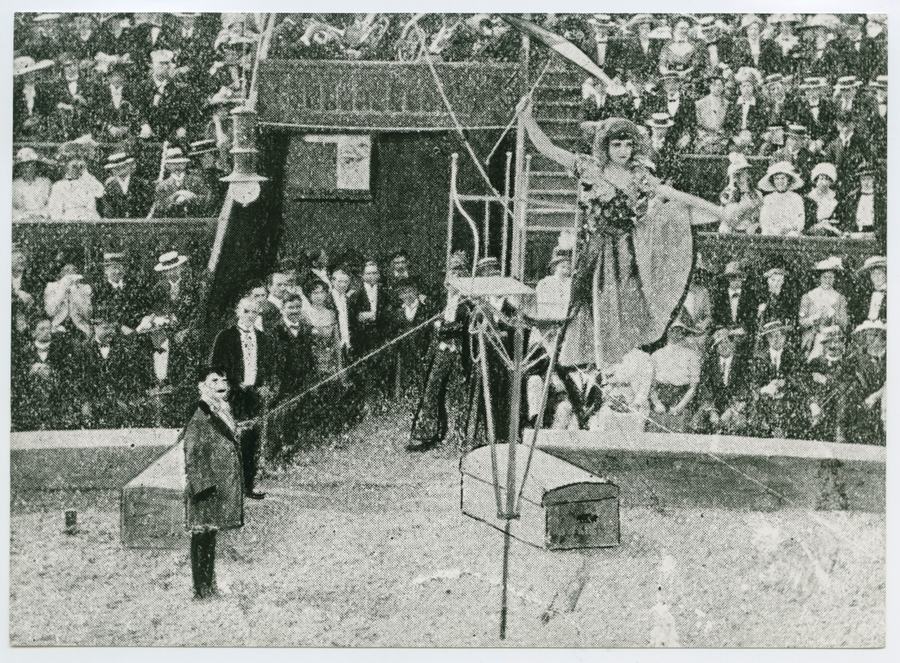
The narrative's focus on a crucial document, a single item holding immense power, mirrors anxieties about information control and political influence that remain relevant today. It suggests that knowledge, or its suppression, can be the ultimate weapon. In this regard, one might draw parallels to other early narratives grappling with the weight of secrets and their impact on individuals and states. While not a direct genre comparison, the intricate political maneuvering in The Black Chancellor (1912) offers a glimpse into similar contemporary concerns about power and influence in European cinema. Similarly, the profound moral dilemmas faced by characters in films like Der Eid des Stephan Huller (1912) underscore a broader cinematic interest in the psychological toll of hidden truths and binding oaths during this period.
To fully appreciate Saved in Mid-Air, it's essential to place it within the burgeoning landscape of international silent cinema. By 1912, narrative filmmaking was rapidly evolving, moving beyond mere actualités and theatrical adaptations towards more complex, original stories. This film stands as an early example of the spy genre, a category that would gain immense popularity in subsequent decades. Its intricate plotting and focus on double-crossing agents prefigure the sophisticated thrillers of later eras, demonstrating that the foundations of modern espionage narratives were being laid remarkably early.
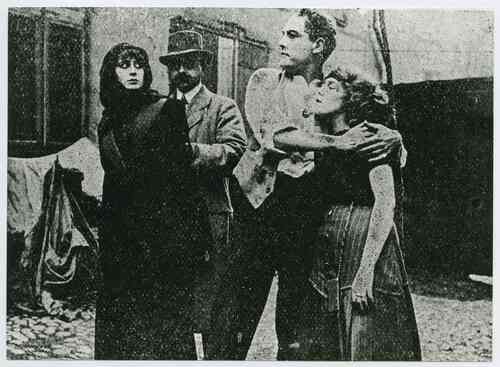
The film also showcases the emerging talent within Swedish cinema, which would soon establish itself as a major force on the international stage. Victor Sjöström and Mauritz Stiller, both instrumental in this production, would go on to define a distinctive Nordic cinematic style characterized by psychological depth, naturalistic performances, and a strong connection to landscape and social realism. While Saved in Mid-Air might seem a departure from their later, more introspective works, it nonetheless demonstrates an early mastery of dramatic construction and character portrayal that would become their hallmarks.
Comparing it to other dramatic works of the period offers further insight. While The Traitress (1911) might explore similar themes of female agency in a world of deception, Saved in Mid-Air distinguishes itself through its specific focus on political espionage rather than purely personal betrayal. The intricate character development, particularly of Lydia and von Muehlen, also suggests a growing ambition in early cinema to portray complex human psychology, a trait that would later be lauded in more celebrated dramatic works like Anna Karenina (1911) or even the various adaptations of Hamlet, Prince of Denmark (1910, 1911) that explored moral ambiguity and internal conflict on a grander scale. This film, though smaller in scope than some literary adaptations, nonetheless contributes to that evolving tradition of psychological realism.
More than a century after its release, Saved in Mid-Air remains a testament to the ingenuity and artistic ambition of early filmmakers. It reminds us that the foundational elements of compelling narrative—intrigue, well-drawn characters, and a driving central conflict—are timeless. The film’s ability to evoke suspense and emotional resonance without spoken dialogue is a powerful demonstration of the universal language of cinema.
For modern viewers, it offers a fascinating window into the origins of the spy genre, revealing how early filmmakers tackled themes of international intrigue, secret societies, and moral compromise. It's a precursor to countless thrillers that would follow, laying groundwork in terms of character archetypes and plot devices. The performances of Lili Beck and Victor Sjöström, in particular, serve as a masterclass in silent acting, showcasing the expressive power of the human form and face when stripped of verbal communication. Their ability to convey complex emotions and motivations through gesture and gaze is a profound reminder of the unique artistry inherent in silent film.
In an era dominated by rapid technological advancements in filmmaking, revisiting Saved in Mid-Air is not merely an academic exercise. It is an opportunity to connect with the very essence of cinematic storytelling, to appreciate the foundational craftsmanship that paved the way for all that came after. The film, like its title suggests, captures a moment of precarious balance—a medium in transition, yet already capable of soaring to impressive dramatic heights. It’s a compelling, often overlooked piece of cinematic history that richly rewards a contemporary viewing, affirming its place as a pivotal, if understated, contribution to the silent film canon.
IMDb 6.1
1932
Community
Log in to comment.