DbcultAccessing Vault...
Cult Review
Senior Film Conservator
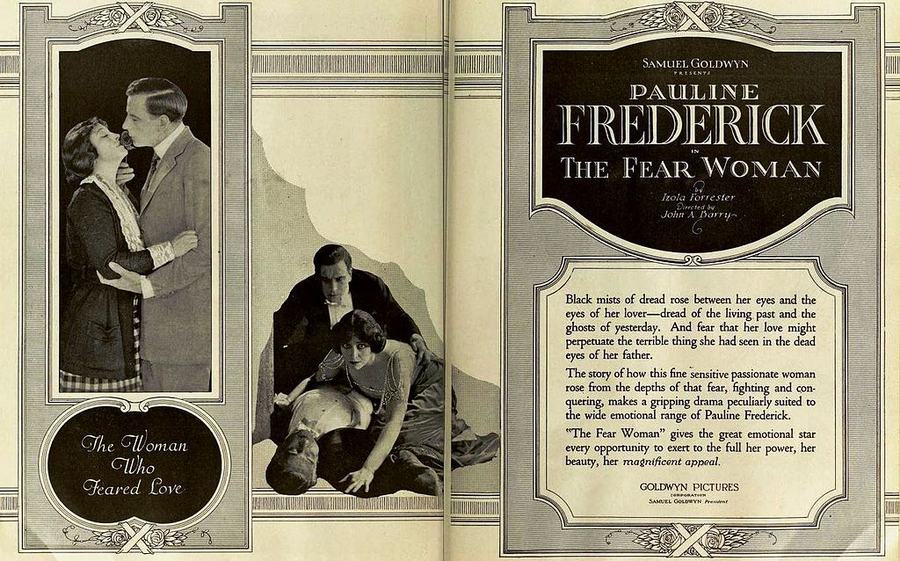
Beneath the flapper-era glitter and tennis whites, The Fear Woman (1925) simmers with a dread far more corrosive than mere melodrama. Director Maurice Tourneur, collaborating with the incandescent Pauline Frederick, crafts a narrative where ancestral ghosts don't rattle chains—they clink in whiskey glasses. Helen Winthrop's journey isn't just a romantic quandary; it's a gothic horror story dressed in cloche hats and sportswear, where the monster resides in bloodlines rather than castles. The film’s opening sequence—a drunken patriarch’s fatal descent down a shadow-drenched staircase—feels less like accident and more like generational destiny made manifest. That crumpled note he clutches isn’t merely exposition; it’s a hereditary death warrant.
Pauline Frederick’s Helen Winthrop operates with the ruthless pragmatism of a wartime general. Her decision to jilt Robert Craig (Milton Sills, radiating noble bewilderment) transcends selflessness—it’s a preemptive strike against biological determinism. Watch how Frederick’s eyes harden when society whispers about her ‘ruined’ reputation after taking the fall for Stella Scarr’s infidelity; this isn’t shame, but strategic maneuvering. The resort interlude becomes Helen’s self-imposed laboratory, where athletic triumphs (her tennis dominance filmed with balletic dynamism) and calculated flirtations with Percy Farwell (Walter Hiers, delightfully vapid) are experiments in control. Does discipline conquer desire? Can virtue be performative armor? Tourneur contrasts sun-drenched tennis courts with the claustrophobic, velvet-draped interiors of Honorah Farwell’s world (Lydia Yeamans Titus, embodying predatory gentility), visually mapping Helen’s oscillation between liberation and entrapment.
The film’s audacious centerpiece—Helen’s faked intoxication at the engagement party—transcends plot mechanics to become savage social commentary. As she staggers through drawing rooms, sloshing ginger ale while society recoils, Tourneur exposes Prohibition-era hypocrisy. The horrified gasps aren’t for drunkenness, but for its visibility. When Honorah hisses about ‘disgrace’, her real terror is Helen’s unmasking of the era’s clandestine vices. Frederick plays this masquerade with chilling precision: her calculated slurring and glassy eyes aren’t caricature, but a surgical strike against Robert’s principled restraint. The subsequent brawl between Robert and Stella’s husband Sidney (Ernest Pasque) isn’t mere chivalry—it’s the violent eruption of suppressed truths. Fists become the language reason abandoned.
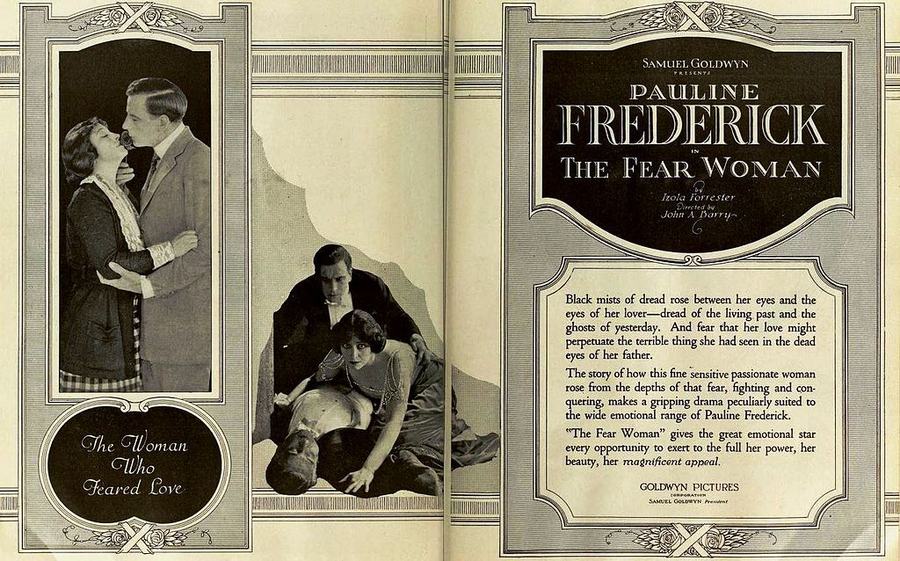
Izola Forrester’s script pulsates with then-prevalent anxieties about hereditary ‘taint’—a cultural obsession linking alcoholism, criminality, and poverty in pseudoscientific shackles. Helen’s terror isn’t solely personal; it reflects Motherhood’s contemporary dread of ‘degenerate’ offspring. Yet the film slyly subverts this. Helen’s agency—choosing potential spinsterhood over genetic risk—reframes eugenics not as state mandate, but as female sovereignty over reproduction. Compare this to the punitive moralism of The Moral Fabric (1917) or the sacrificial maternity tropes saturating early cinema. Helen’s final confession (“ginger ale!”) isn’t just romantic payoff; it’s a triumphant reclamation of narrative control. She weaponizes temperance rhetoric to prove her mastery over both biology and society’s gaze.
Beyond its psychological heft, the film is a masterclass in silent-era visual storytelling. Observe the recurring motif of staircases—sites of paternal death, romantic confrontations, and Honorah’s predatory descents. Cinematographer René Guissart paints with shadows: the ominous diagonal bars across Helen’s face as she reads her father’s note, the queasy tilt of ceilings during the fake drunken scene, evoking emotional vertigo. Costuming speaks volumes—Helen’s resort whites symbolize aspirational purity, while Honorah’s bejeweled gowns resemble gilded cages. The tennis sequences, bathed in natural light, offer kinetic relief, their dynamism echoing Helen’s fight for autonomy. These choices elevate the film beyond contemporaries like The Love Route into the realm of The Outlaw and His Wife’s visual poetry.
Nearly a century later, The Fear Woman resonates with startling modernity. It prefigures contemporary debates about genetic determinism versus agential choice—Helen’s struggle feels akin to modern women confronting BRCA mutations or mental health histories. The film’s critique of performative morality anticipates reality TV’s curated personas, while its fake-drunk scene finds echoes in Das Spiel ist aus’s existential gambits. Pauline Frederick’s performance remains a benchmark: she eschews the wide-eyed victimhood of many silent heroines, instead projecting fierce intellect and glacial resolve. Her Helen is more than a ‘fear woman’; she’s a proto-scientist dissecting her own destiny. The final embrace with Robert feels earned, not sentimental—a partnership forged in shared recognition of life’s corrosive shadows and the courage required to face them sober. Tourneur doesn’t offer easy absolution; the ancestral curse isn’t broken, merely defied. And in that defiance, The Fear Woman achieves a haunting, hard-won grace.
IMDb —
1919
Community
Log in to comment.