DbcultAccessing Vault...
Cult Review
Senior Film Conservator
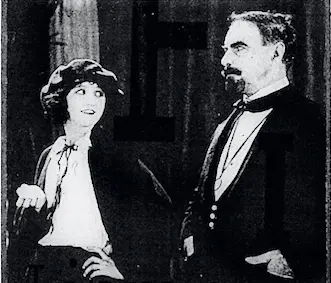
In the stark, unforgiving world of 'We Women', the eponymous film directed by Oliver Sandys, Lydia Hayward, and W.J. Roberts, the narrative unfolds with a sense of inexorable gravity, drawing the viewer into a complex web of interpersonal relationships and existential crises.
The film's protagonist, a skater whose career has been abruptly terminated, finds themselves at a crossroads, their existence thrown into disarray. This individual, played by John Stuart, is subsequently drawn into the orbit of an actor, portrayed by Charles Ashton, whose own life is marked by a trail of moral bankruptcy and emotional desolation.
The actor's character, with his smooth veneer and roguish charm, serves as a stark foil to the skater's more introverted and vulnerable nature. Their interaction sets in motion a chain of events that lays bare the complexities of human relationships, as well as the often-devastating consequences of one's actions.
The introduction of a young woman and her infant, abandoned by the actor, injects a poignant note of pathos into the narrative, underscoring the themes of responsibility, morality, and the quest for redemption. This plot thread serves to highlight the stark contrast between the actor's callous disregard for the well-being of others and the skater's more empathetic nature.
Through its nuanced characterization and deft narrative handling, 'We Women' poses significant questions regarding the nature of morality, free will, and the human condition. The film's use of a muted color palette, coupled with a keen attention to detail in its production design, serves to underscore the bleakness and desolation that pervades the lives of its characters.
In terms of its place within the broader cinematic landscape, 'We Women' can be situated alongside films such as One of the Finest and The Jail Bird, which also explore themes of moral decay and personal struggle. However, 'We Women' distinguishes itself through its unique narrative focus and character dynamics, which lend the film a distinctive voice and perspective.
The performances of the cast, including Cecil du Gue, Nina Vanna, and Reginald Bach, add depth and texture to the film's portrayal of its characters' inner lives. Their portrayals serve to humanize individuals who might otherwise be relegated to the realm of caricature or stereotype, imbuing the narrative with a sense of authenticity and emotional resonance.
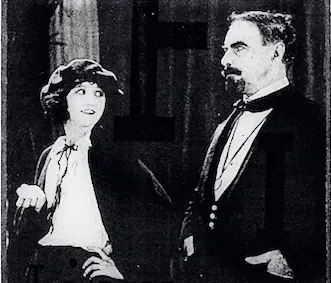
In comparison to other films of its era, such as The Midnight Girl and The Volcano, 'We Women' exhibits a marked concern with the intricacies of interpersonal relationships and the often-fraught nature of human communication. This focus allows the film to explore a range of themes, from the struggle for self-discovery to the quest for connection in a seemingly indifferent world.
The film's score, while not overtly virtuosic, provides a suitably understated accompaniment to the on-screen action, its muted tones and melodies serving to underscore the narrative's somber and reflective mood. In this regard, the score can be likened to that of The Delicious Little Devil, which also employs a more subdued musical approach to great effect.
Ultimately, 'We Women' presents itself as a richly nuanced and deeply humane film, one that invites its viewers to engage with the complexities of its characters' lives and the broader themes that underpin the narrative. Through its thoughtful pacing, nuanced characterization, and attention to detail, the film offers a compelling cinematic experience that lingers in the mind long after the curtain falls.
In conclusion, 'We Women' is a film that warrants consideration not only for its thematic preoccupations but also for its technical proficiency and the skillful performances of its cast. It is a movie that, much like Jack O'Clubs and The U.P. Trail, demonstrates a keen understanding of the complexities of human nature and the often-turbulent nature of interpersonal relationships.
For those interested in exploring the works of Oliver Sandys, Lydia Hayward, and W.J. Roberts, 'We Women' serves as a compelling introduction to their collaborative efforts. Additionally, viewers may find it fruitful to compare and contrast 'We Women' with other films of the era, such as Kino-pravda no. 7, My Dog, Pal, and Solen der dræbte, which also explore themes of social commentary and personal struggle.
The film's cinematography, while not overtly flashy, is noteworthy for its use of lighting and composition to convey the narrative's somber tone. This approach can be likened to that of The New Adventures of J. Rufus Wallingford, which also employs a more subdued visual approach to great effect.
In terms of its cultural significance, 'We Women' can be seen as part of a broader trend of films that sought to explore the complexities of human relationships and the often-fraught nature of interpersonal communication. This trend, which also includes films such as Trapped in the Air and For Those We Love, reflects a growing interest in character-driven narratives and nuanced explorations of the human condition.
The film's themes of morality, responsibility, and the quest for redemption are timely and thought-provoking, inviting viewers to reflect on their own values and principles. In this regard, 'We Women' can be seen as a companion piece to films such as The Stranglers of Paris and Die Brillantenmieze, 2. Teil, which also explore themes of moral decay and personal struggle.
IMDb 5.3
1929
Community
Log in to comment.