DbcultAccessing Vault...
7.5/10
Senior Film Conservator
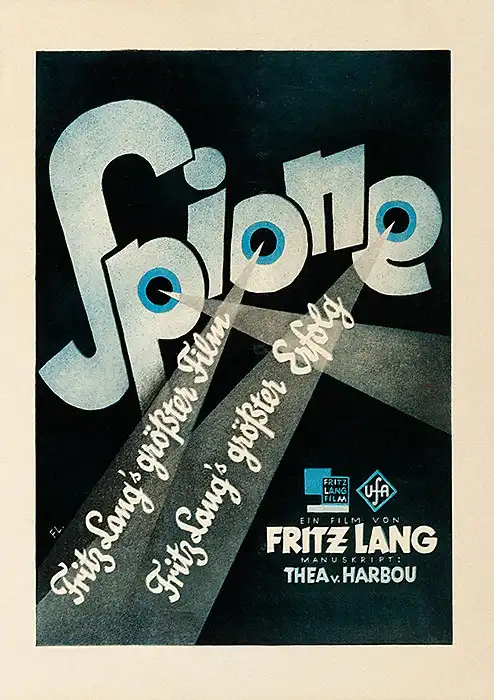
A definitive 7.5/10 rating for a film that redefined the boundaries of cult cinema. Spies remains a cornerstone of transgressive art.
If you think the spy genre began with James Bond or reached its peak with Jason Bourne, Spies (1928) is an essential reality check. Fritz Lang’s follow-up to the gargantuan Metropolis is a leaner, meaner, and arguably more influential piece of cinema. It is absolutely worth watching today, not as a homework assignment for film students, but as a genuinely gripping thriller. It’s for anyone who enjoys high-stakes heists, cold-blooded villains, and the kind of visual storytelling that doesn't need a line of dialogue to explain a plot twist. If you struggle with the slower, more theatrical pacing of early silent cinema, the middle section's romantic subplot might test your patience, but the action set-pieces are as modern as anything in a multiplex.
The film opens with a sequence that feels like it was edited last week. A flurry of documents are stolen, a courier is assassinated on a speeding motorcycle, and a government official collapses in despair—all within the first few minutes. Lang doesn't waste time with title cards explaining the political climate; he shows you the chaos through rapid-fire cutting and sharp, geometric compositions. This is the world of Haghi (played with terrifying stillness by Rudolf Klein-Rogge), a man who runs a global intelligence network from a wheelchair.
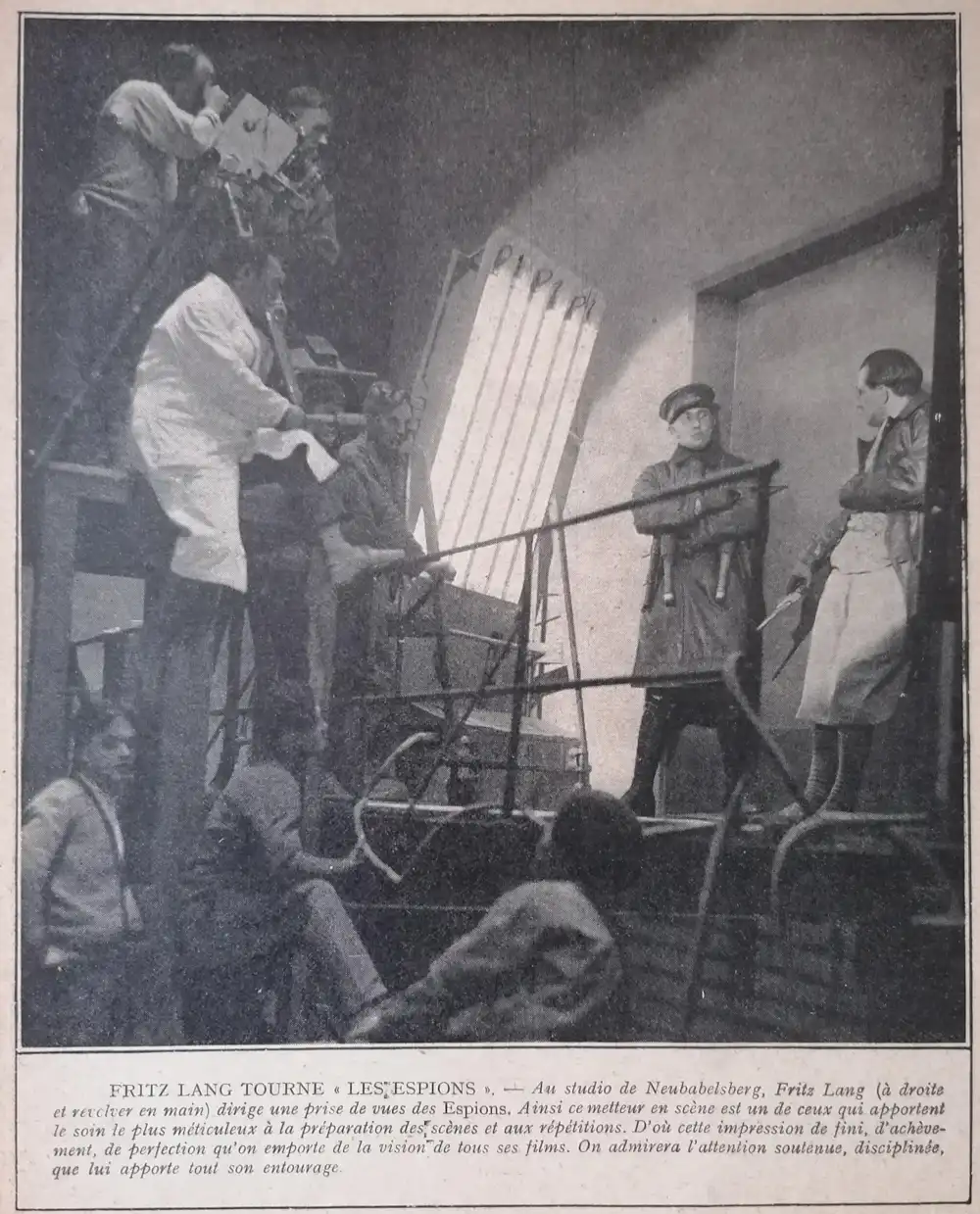
What stands out immediately is the technology. Lang was obsessed with the gadgets of the 1920s. We see pneumatic tubes whisking messages through secret walls, complex telegraph arrays, and hidden cameras. It creates a sense of ubiquitous surveillance that feels uncomfortably contemporary. Haghi isn't just a villain; he is a data processor, a man who wins because he knows everything before his enemies do. Unlike the pulpier heroics of Protéa, which relied on disguises and physical stunts, Spies is about the machinery of power.
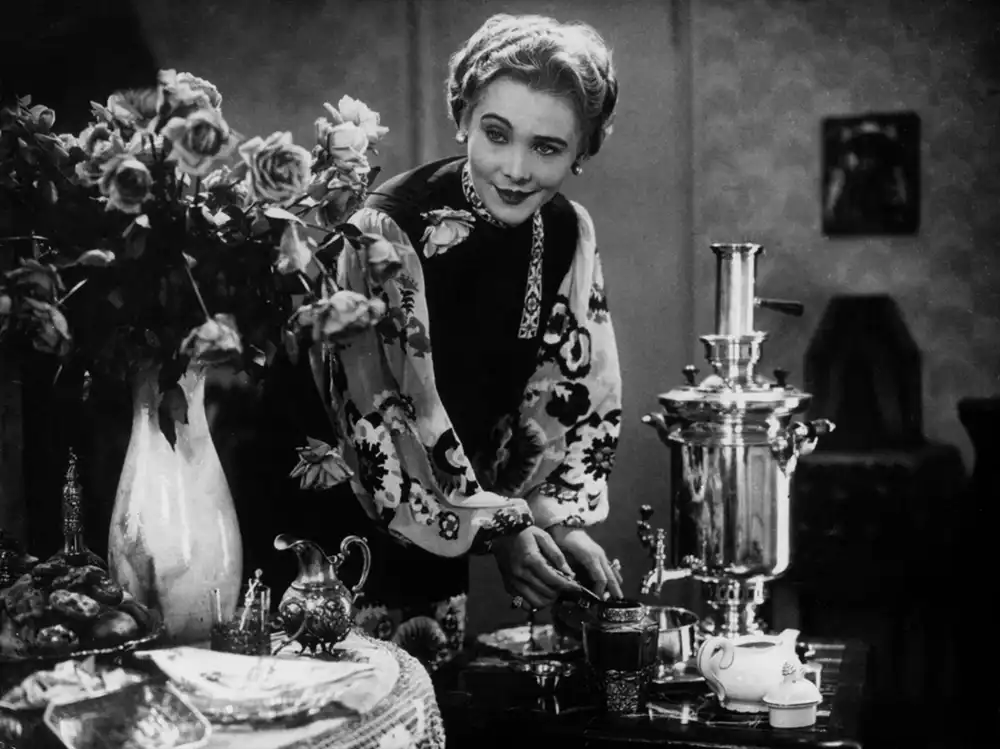
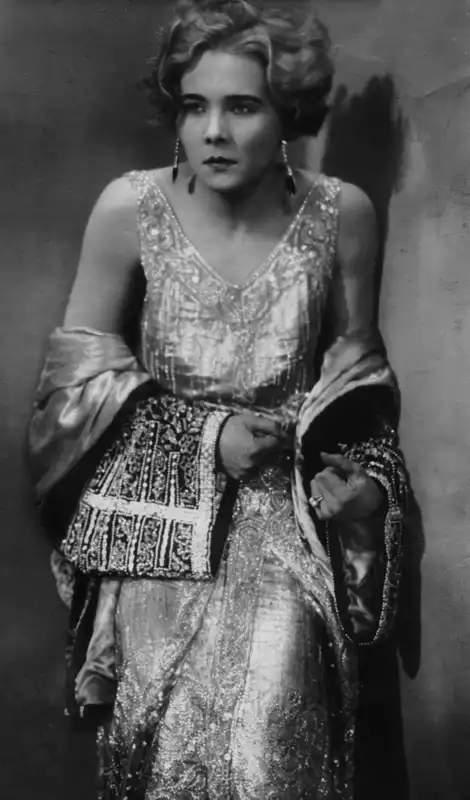
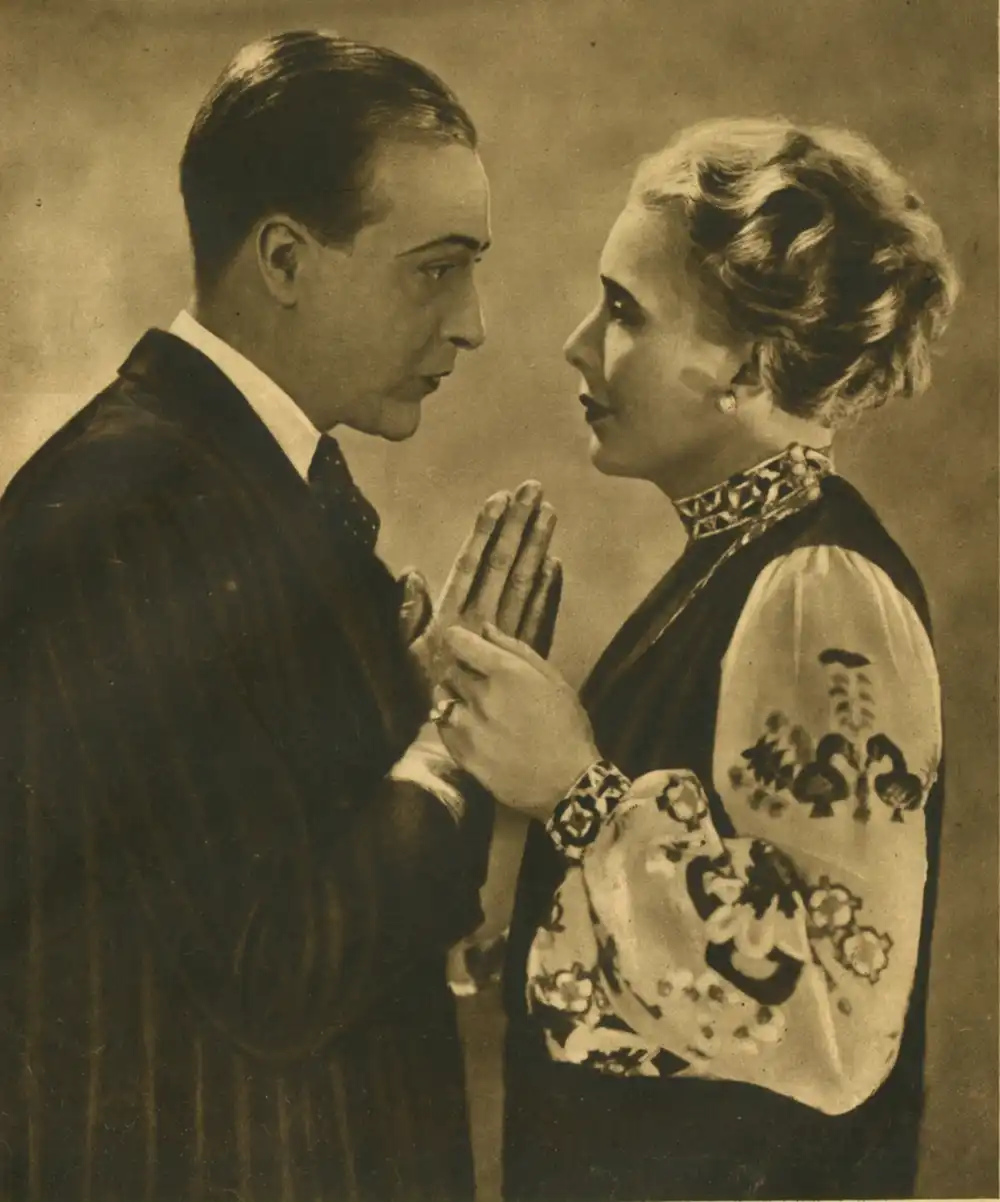
Willy Fritsch plays Agent 326, the dashing government hero. In his first scene, he’s disguised as a filthy, unkempt beggar, and the reveal of his true identity is handled with a clever bit of staging involving a hidden shower and a tuxedo. Fritsch has a light, almost breezy energy that balances the grimness of the plot. However, the film really belongs to Gerda Maurus as Sonja. Her performance is remarkably restrained for the era. In the scene where she is ordered to seduce 326 but finds herself falling for him, her conflict isn't played out with wild gestures, but through her eyes and the way she holds her breath.
Then there is Rudolf Klein-Rogge. Having played the mad scientist Rotwang in Metropolis, he brings a different kind of intensity here. He barely moves his face, yet he radiates a sense of absolute control. There’s a specific moment where he’s handling a deck of cards while giving an order for an assassination; the casual, rhythmic way he flips the cards makes the violence feel chillingly bureaucratic.
While the first act is a whirlwind of setup, the film does settle into a more traditional melodrama in its second hour. The romance between 326 and Sonja is necessary for the stakes, but it lacks the propulsive energy of the espionage scenes. There are a few too many shots of characters staring longingly at photographs or letters, which can feel like the film is dragging its feet.
However, any lag in momentum is completely erased by the train crash sequence. Even by modern standards, the staging of the wreck is incredible. Lang used full-scale models and clever lighting to create a sense of genuine carnage. The way the steam fills the tunnels and the twisted metal blocks the exits creates a claustrophobic, nightmarish atmosphere that many modern CGI-heavy disasters fail to replicate. You can practically smell the coal smoke and hear the screeching iron. It’s a reminder that Lang was a master of physical space; he knew exactly where to put the camera to make the audience feel the impact.
One of the most striking visual choices is the use of the circle. From the iris shots that focus our attention on a single hand to the circular desks and round rooms of Haghi’s headquarters, the film is obsessed with the idea of being trapped or being the center of a target. Look closely at the scene in the bank—the vast, empty floors and the high ceilings make the individual human beings look like ants in a giant machine. It’s a visual carry-over from Lang’s earlier work, but here it serves a grounded, cynical purpose.
There’s also an awkward, almost surreal moment near the end involving a clown performance. Without spoiling the finale, the way Lang blends the artifice of a stage show with the reality of a police raid is brilliant. The heavy white makeup of the clown becomes a mask of terror, and the rhythmic clapping of the audience, unaware of the life-or-death struggle happening on stage, adds a layer of dark irony that feels very modern. It’s the kind of tonal shift that you’d expect from a Hitchcock film a decade later.
It’s not a perfect experience. Some of the secondary characters, like the Japanese diplomat Dr. Masimoto, are saddled with unfortunate racial stereotypes and a subplot that feels disconnected from the main tension. The film also relies heavily on the "mysterious lady" trope, where Sonja’s motivations are kept vague for a bit too long, making her feel more like a plot device than a person in certain scenes. Additionally, if you are watching a version without a high-quality score, the repetitive nature of some silent film music can make the 140-minute runtime feel longer than it is.
Spies is the missing link between the gothic shadows of German Expressionism and the sleek, cynical world of the modern thriller. It’s a film about the loss of privacy, the corruption of institutions, and the danger of being a human being in a world run by masterminds. While it has the occasional slow patch common to films of its vintage, the sheer craft on display—especially in the editing and the stunt work—is undeniable. It doesn't just hold up; it frequently outclasses its descendants. If you want to see where the cinematic language of the secret agent was born, this is the place to start.
IMDb 6.3
1934
Community
Log in to comment.