DbcultAccessing Vault...
4.5/10
Senior Film Conservator
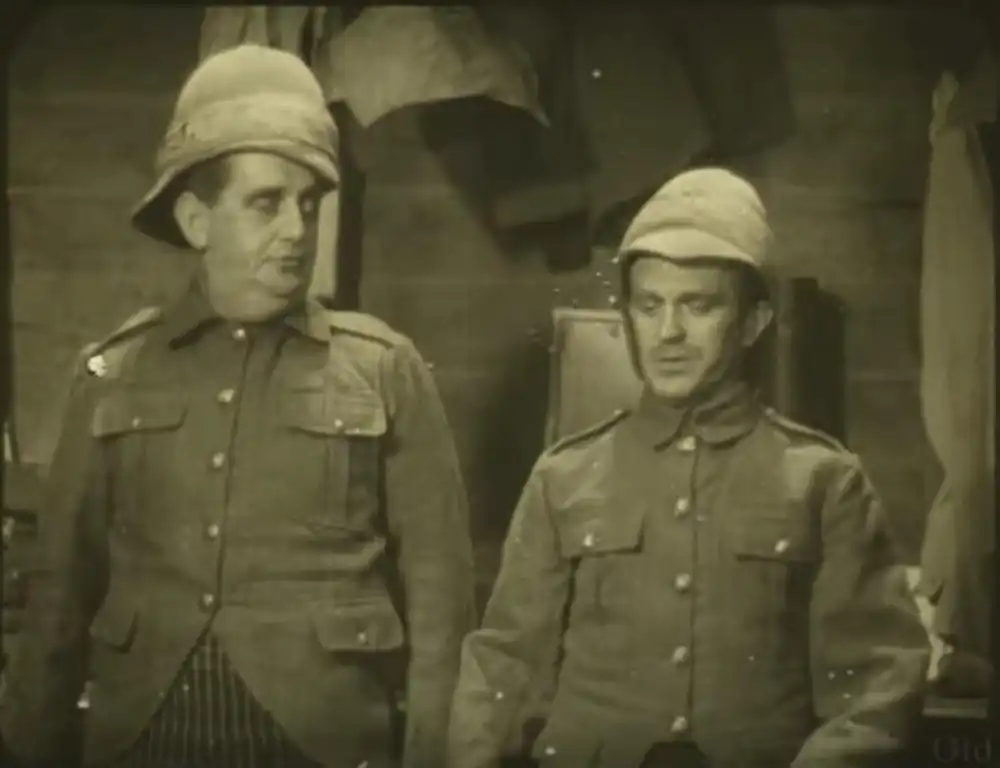
A definitive 4.5/10 rating for a film that redefined the boundaries of cult cinema. Splinters remains a cornerstone of transgressive art.
Is this movie worth your time today? Honestly, yes, but only if you have a soft spot for the weird, clunky transition period when movies were first learning how to talk.
If you want a gritty, realistic war movie where everyone is miserable and covered in realistic mud, you are going to hate this. It’s basically a filmed stage play about guys in dresses.
The whole thing is based on a real concert party from 1915. These soldiers were actually out there in France, dodging shells and then putting on wigs to entertain the troops.
The movie starts out a bit slow. We see the guys in the trenches, and it looks exactly like you’d expect a 1929 movie set to look—a bit like a school play with a slightly higher budget.
Then they decide to start the 'Splinters' troupe. This is where it gets interesting and a little bit bizarre for a modern viewer.
Nelson Keys and Sydney Howard are the big names here. Howard has this face that just looks like it’s made of rubber, and he uses it for every ounce of comedy he can get.
There is a scene where they are auditioning soldiers to be the "girls" in the show. It’s funny because they are all these rough, grimy men trying to look graceful.
One guy has a mustache that he refuses to shave, which apparently was a big deal. The commitment to the bit is real.
I noticed the sound is really hit or miss. Since it was 1929, the microphones were probably hidden in flower pots or something, so whenever an actor moves too far left, they sound like they’re underwater.
It reminds me a bit of the awkward pacing in High and Dry, where you’re just waiting for the punchline to land. Sometimes it takes its sweet time getting there.
The musical numbers are... well, they’re 1920s songs. Very jaunty. Lots of rolling 'R's and singers who sound like they have a lot of starch in their collars.
There is one performance where a soldier is dressed as a woman and singing a romantic ballad. The camera just stays on him for a long time, and you can see the other soldiers in the audience looking genuinely mesmerized.
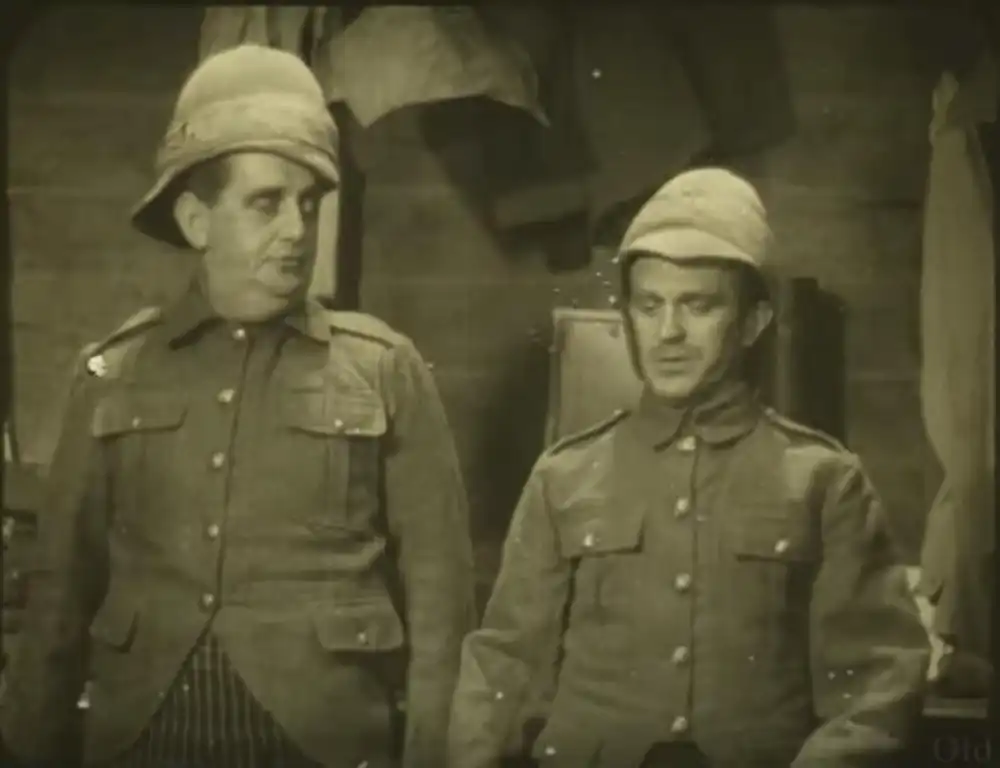
It’s a bit touching, actually. You forget for a second that these are guys who are supposed to go back to the front lines the next day.
The movie doesn't really try to be "cinema." It just feels like you’ve been invited to watch a performance that happened a hundred years ago.
Sydney Howard does this bit with a bottle of beer that goes on for maybe two minutes too long. But he's so earnest about it that you can't really get mad.
I found myself wondering about the extras in the crowd scenes. Some of them look like they are having the time of their lives, and others look like they’d rather be anywhere else, even the trenches.
There is no real plot to speak of. It’s just: war is bad, let’s put on a show, the show is a hit, the end.
It’s much less intense than something like A Rogue's Romance. It’s just light and airy, which is weird considering the setting.
One thing that bugged me was how clean everyone looked once the show started. They go from being covered in dirt to having perfectly pressed costumes in about five seconds.
I guess movie logic hasn't changed that much in a century. Magic costumes are a timeless trope.
If you enjoy seeing how people used to laugh, this is a great time capsule. If you can’t stand old-fashioned variety humor, you’ll probably turn it off after twenty minutes.
I liked it, though. It’s got a lot of heart, even if the jokes are older than my grandfather.
The final scene has this big sing-along that feels very patriotic and a little bit sad. You know that most of these characters wouldn't actually make it home, which gives the comedy a weird edge.
Anyway, it’s a short watch. Give it a try if you’re feeling bored and want to see some vintage British drag.
IMDb —
1934
Community
Log in to comment.