DbcultAccessing Vault...
6.2/10
Senior Film Conservator
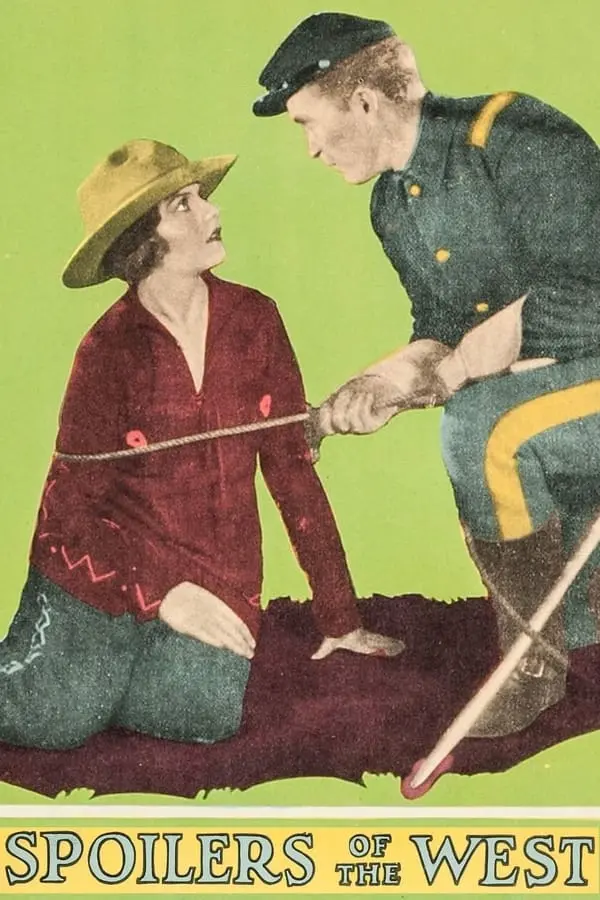
A definitive 6.2/10 rating for a film that redefined the boundaries of cult cinema. Spoilers of the West remains a cornerstone of transgressive art.
Is Spoilers of the West a film worth tracking down in the digital age? Short answer: Yes, but primarily for those who view the Western genre as a historical artifact rather than a source of high-octane thrills.
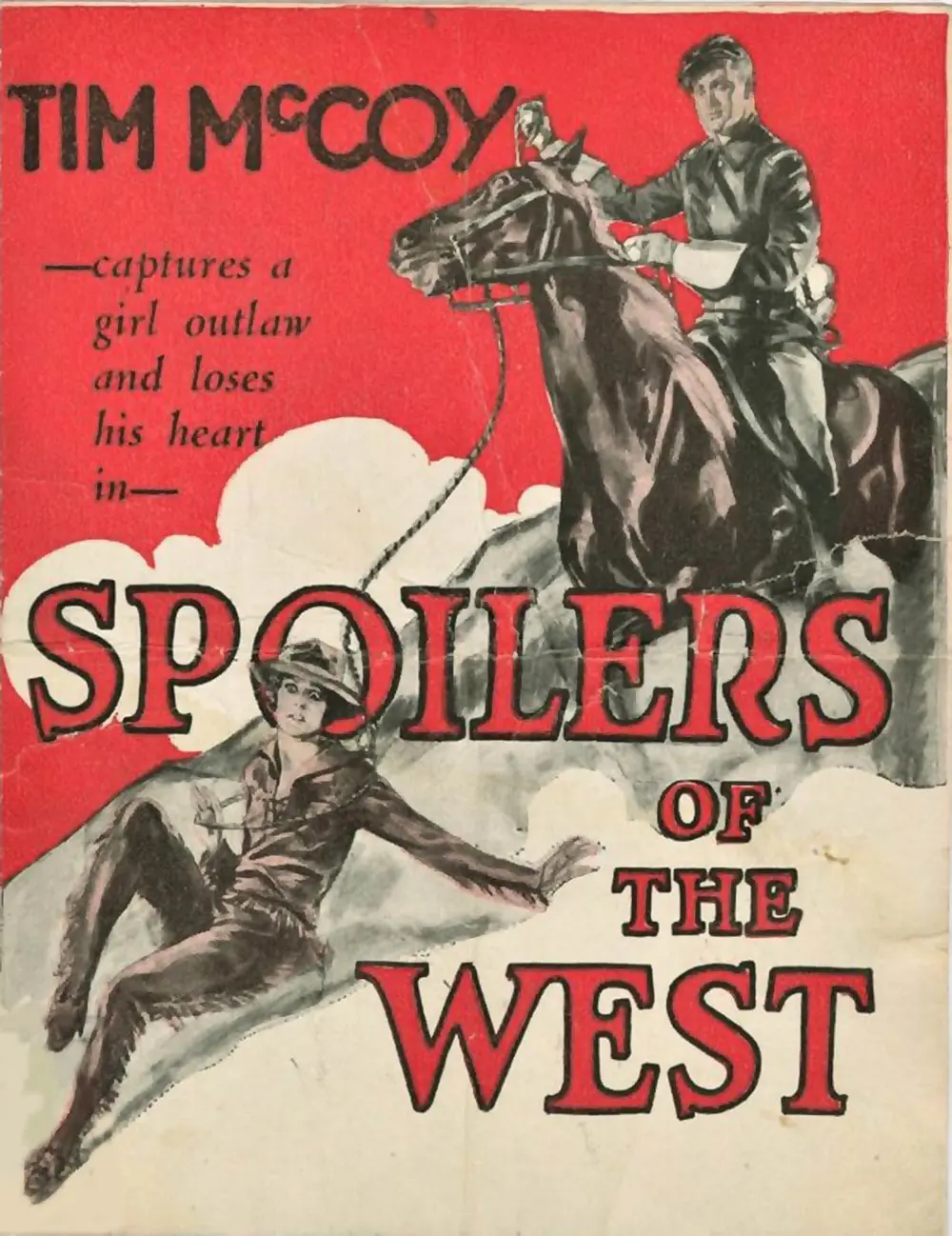
This film is for the silent cinema enthusiast and the Tim McCoy completist who enjoys watching the transition of the Western hero from the flamboyant showman to the stoic professional. It is not for those who lack the patience for 1920s pacing or the often problematic 'war path' tropes of the era.
1) This film works because of its high-stakes 'ticking clock' narrative that provides a structural backbone many silent Westerns lack.
2) This film fails because the central conflict with the female lead, while progressive for the time, is resolved with a predictable sentimentality that undercuts the political tension.
3) You should watch it if you want to see a pre-talkie example of how the U.S. military was romanticized as a peacekeeping force between settlers and indigenous tribes.
Spoilers of the West is a competent, well-structured silent Western that stands out due to its focused premise. Unlike sprawling epics like The Girl of the Golden West, this film keeps its scope narrow and its stakes personal. It manages to balance the threat of tribal warfare with a domestic drama, making it a fascinating, if occasionally dry, look at 1920s frontier storytelling.
The 30-day deadline is the engine of this film. It gives every scene a sense of urgency. Director W.S. Van Dyke (who would later find fame with The Thin Man) understands how to build a sense of mounting dread. The early scenes of Lang clearing out trappers are filmed with a crispness that rivals To a Finish. We see Lang as a man of action, but also a man of his word.
However, the pacing stutters once we reach the Benton camp. The film shifts from an outdoor adventure to a localized drama. The tension between Lang and the woman leader is palpable, but it slows the momentum. It drags. It’s like a horse that was galloping but suddenly decides to graze just as the finish line is in sight.
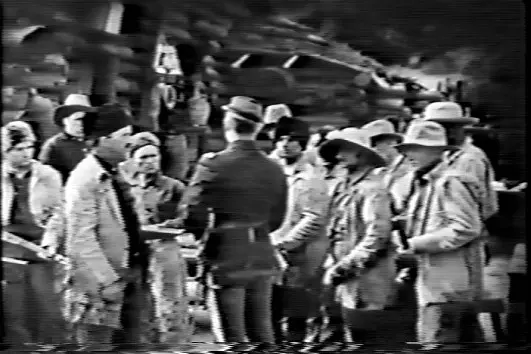
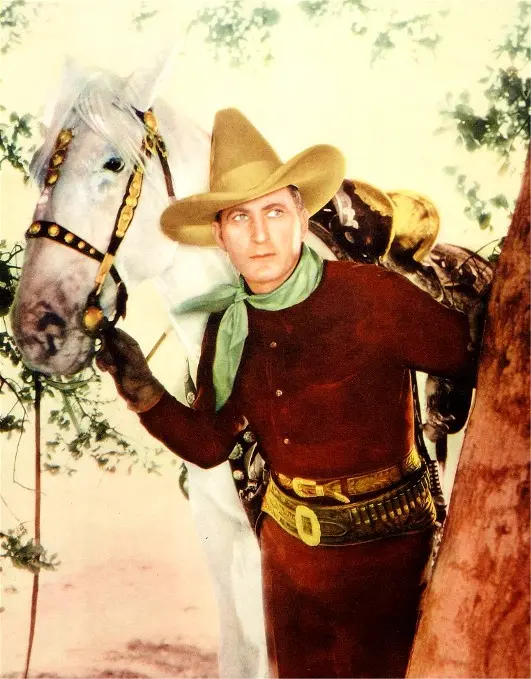
Tim McCoy is the anchor here. His performance is stripped of the theatricality often found in films like Man of Might. He uses his eyes to convey authority. When he stands before the Benton group, he doesn't need to shout—his posture does the work. It’s an early blueprint for the 'Strong Silent Type' that would later be perfected by Gary Cooper.
Marjorie Daw provides a necessary foil. In an era where women were often relegated to being the 'damsel,' her role as the head of a trapper group is refreshing. She is defiant. She is stubborn. She is wrong, of course, according to the film’s logic, but she is given more agency than the female leads in Huntin' Trouble. Her chemistry with McCoy is cold, which works in the film's favor until the final act.
The visual language of the film is stark. The reservation isn't portrayed as a lush paradise but as a contested, dusty wasteland. The wide shots of the indigenous tribes preparing for war are genuinely imposing. The use of natural light in the outdoor scenes gives the film a gritty realism that separates it from the more stagey feel of Mind the Paint Girl.
There is a specific shot where Lang looks out over the valley on the 29th day. The shadows are long, and the silence of the medium actually enhances the loneliness of his mission. It’s a moment of pure visual storytelling. No intertitles are needed to explain the weight on his shoulders. It works. But it’s flawed by the technical limitations of 1927, where night scenes often look like they were filmed at high noon with a blue filter.
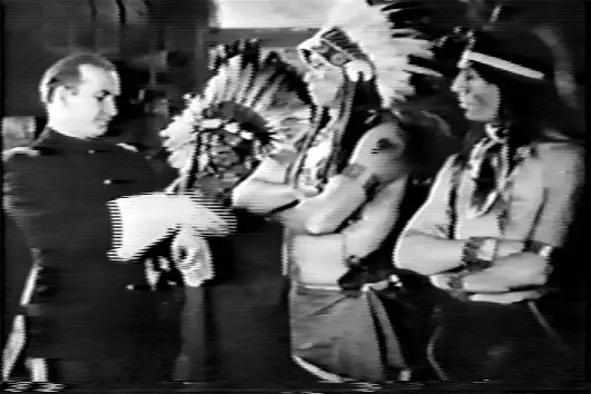
With four credited writers—Joseph Farnham, Madeleine Ruthven, John T. Neville, and Ross B. Wills—one might expect a 'too many cooks' situation. Surprisingly, the narrative is lean. They avoided the melodrama of Adam's Rib and focused on the logistics of the eviction. The dialogue in the intertitles is punchy. It lacks the flowery prose of Lest We Forget, opting instead for direct commands and clear threats.
The biggest writing flaw is the portrayal of the indigenous characters. While Chief John Big Tree and Iron Eyes Cody bring a level of authenticity to their presence, they are still framed through the 'noble savage' or 'impending threat' lens common of the time. They are catalysts for the white protagonist's journey rather than characters with their own internal arcs. This makes the film a difficult watch for those looking for a balanced historical perspective.
When compared to A Daughter of the Law, Spoilers of the West feels much more masculine and rigid. Where other films of 1927 were experimenting with softer focus and more romantic subplots, this film stays focused on the law. It has more in common with the grit of Dangerous Waters than the lightheartedness of Boys Will Be Boys. It is a film about the burden of duty.
Spoilers of the West is not a masterpiece, but it is a sturdy piece of filmmaking. It represents a bridge between the wild, unruly Westerns of the early 1920s and the more psychological Westerns that would emerge in the sound era. Tim McCoy’s Lieutenant Lang is a character defined by his constraints—the clock, the law, and his own conscience. The film is a relic. It is dusty. It is occasionally uncomfortable. But it is never boring. If you can look past the era's social failings, you’ll find a tight, 60-minute thriller that understands the power of a deadline.
"A fascinating look at the intersection of military duty and frontier stubbornness, Spoilers of the West survives on the strength of Tim McCoy's unyielding gaze."
Ultimately, this is a film for the historians. It’s a snapshot of a time when the Western was moving toward professionalism. It doesn't have the speed of Greased Lightning or the mythic scale of Wilhelm Tell, but it has a gravity all its own. It’s a solid B-movie that does exactly what it sets out to do. Nothing more, nothing less.
IMDb 5.3
1936
Community
Log in to comment.