DbcultAccessing Vault...
Cult Review
Senior Film Conservator
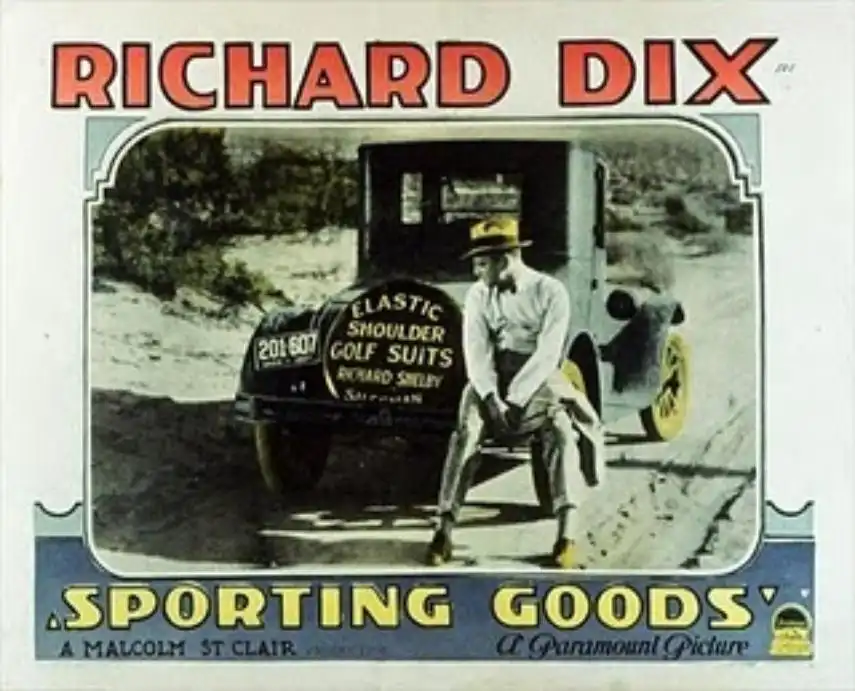
Alright, so if you're someone who thinks films need explosions and deep, brooding anti-heroes, then Sporting Goods is probably not for you. You'll likely hate it, honestly. But if you have a soft spot for old silent movies, especially the ones with a bit of slapstick and earnest romantic misunderstandings, then yeah, this one’s absolutely worth digging up. It's a surprisingly sweet, if a little predictable, watch for a lazy afternoon. Think The Ballet Girl, but with more tennis rackets. 🎾
Richard Dix plays Edward, this well-meaning fellow who just can't seem to get anything right. He’s trying to impress the local social set, particularly Gertrude Olmstead’s character, who's all about athletics. Naturally, chaos ensues.
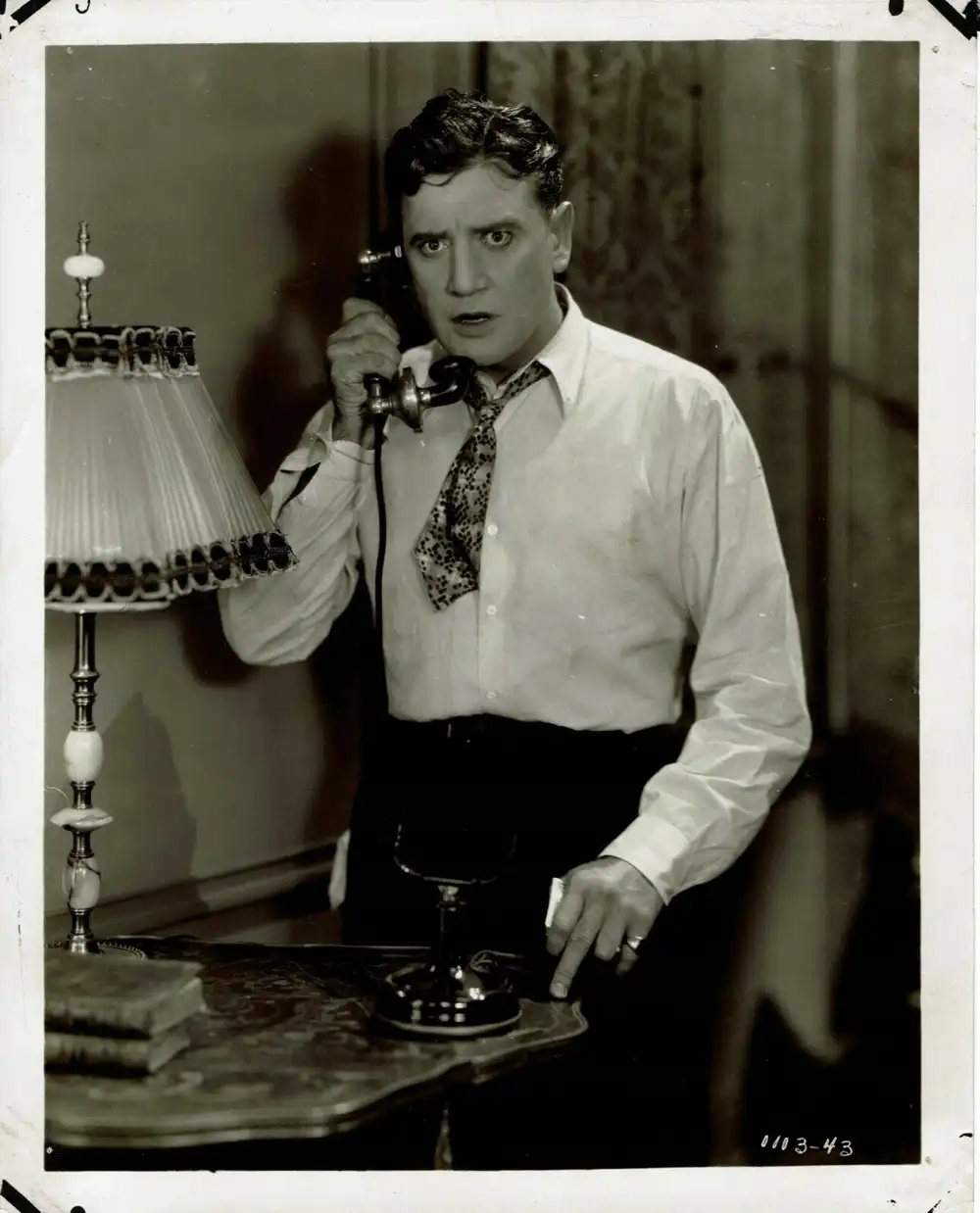
The whole thing feels very much like a product of its time, which is part of its charm. There’s a scene where Edward tries to show off his golf swing, and he ends up accidentally destroying a prize-winning vase belonging to Maude Turner Gordon's formidable society matron. The way her eyes widen, slowly, almost comically, just *sells* the moment. You can practically hear the gasp from the audience back then.
And Philip Strange, as the rival, he just oozes this smarmy confidence. Every time he’s on screen, he’s either adjusting his tie or giving a little smirk that’s meant to be charming but just comes off as utterly self-satisfied. You just want Edward to deck him. 😠
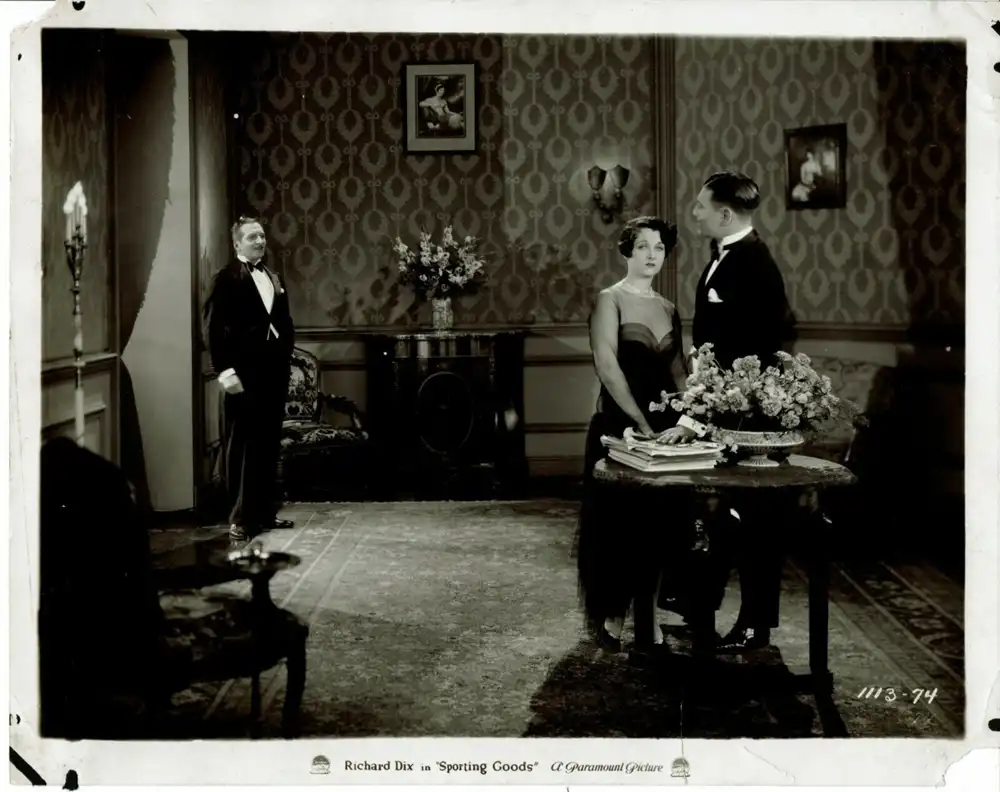
What really gets me are the little details. There’s this one shot of the sporting goods store itself, packed to the gills with vintage equipment. You see everything from antique baseball bats to these really bizarre-looking exercise machines. It’s like a little peek into what people thought 'sporty' meant in the late 20s. Fascinating stuff, almost a documentary in itself.
The pacing, well, it’s a silent film. So, expect some lingering shots. Sometimes they go on a bit too long, like when Edward is practicing his tennis serve in his backyard. You get the idea after the first two clumsy attempts; we don't need five more. But then, it does build this sense of his sheer determination, even if it's a bit much.
One particular sequence that stands out involves a ridiculous horse race. It’s clearly a bunch of stock footage mashed together with Dix on a fake horse, but the sheer enthusiasm of it is infectious. You can almost feel the movie trying to convince you this moment matters, even if it looks hilariously low-budget by today's standards. They even throw in a quick cut to a surprised cat on a fence! 🐱
Gertrude Olmstead, as the love interest, she’s got a real spark. Her expressions are so clear, even without dialogue. When she’s exasperated with Edward, it’s not just a frown; it’s a whole *journey* of an eye-roll. And when she finally softens towards him, it feels earned, not just a plot point.
The film doesn't try to be anything it isn't. It’s a straightforward, good-hearted story about a guy trying his best. There’s no big twist, no profound message about society. It’s just about Edward wanting to win the girl and maybe, just maybe, not trip over his own feet for five minutes straight. And honestly, sometimes that’s all you need from a movie. It reminded me a bit of the simple charm in Father's Close Shave, but with a grander scale of silliness.
The ending wraps things up in a perfectly tidy bow, which, again, very much a product of the era. No loose ends. Everyone gets what they deserve, mostly. It left me with a small, happy feeling, like finding a forgotten ten dollar bill in an old coat pocket. Just a little unexpected joy. 😊
IMDb —
1926
Community
Log in to comment.