DbcultAccessing Vault...
Cult Review
Senior Film Conservator
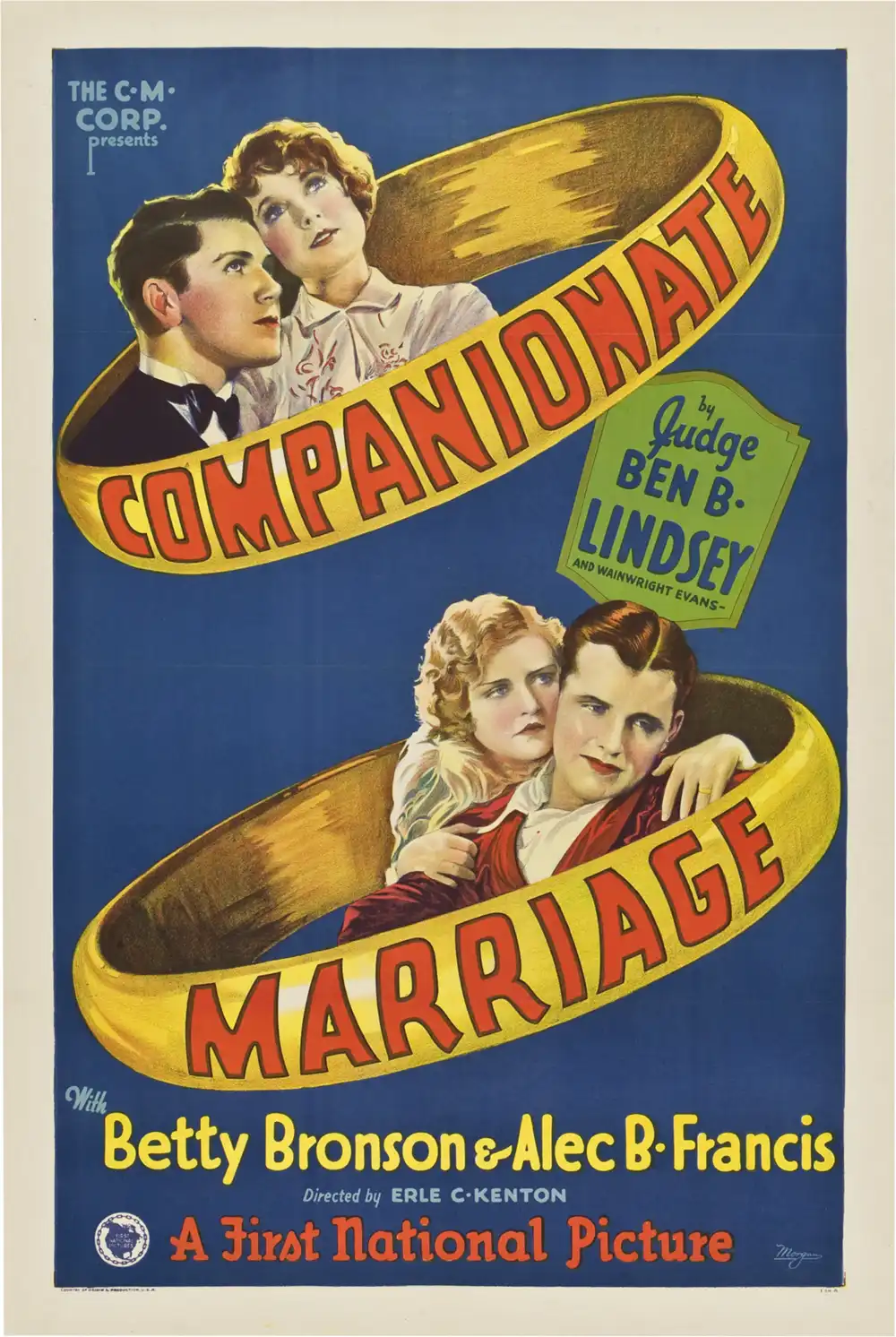
If you’re looking for a fun, breezy silent film to put on while you fold laundry, this isn’t it. But if you’re interested in that specific brand of 1920s anxiety where everyone was terrified that 'the youth' were going to destroy the concept of the family unit, Companionate Marriage is a strange, sometimes frustrating little time capsule. It’s worth a watch if you’re a Betty Bronson completist or if you want to see what a social lecture looked like before the Hays Code really tightened its grip.
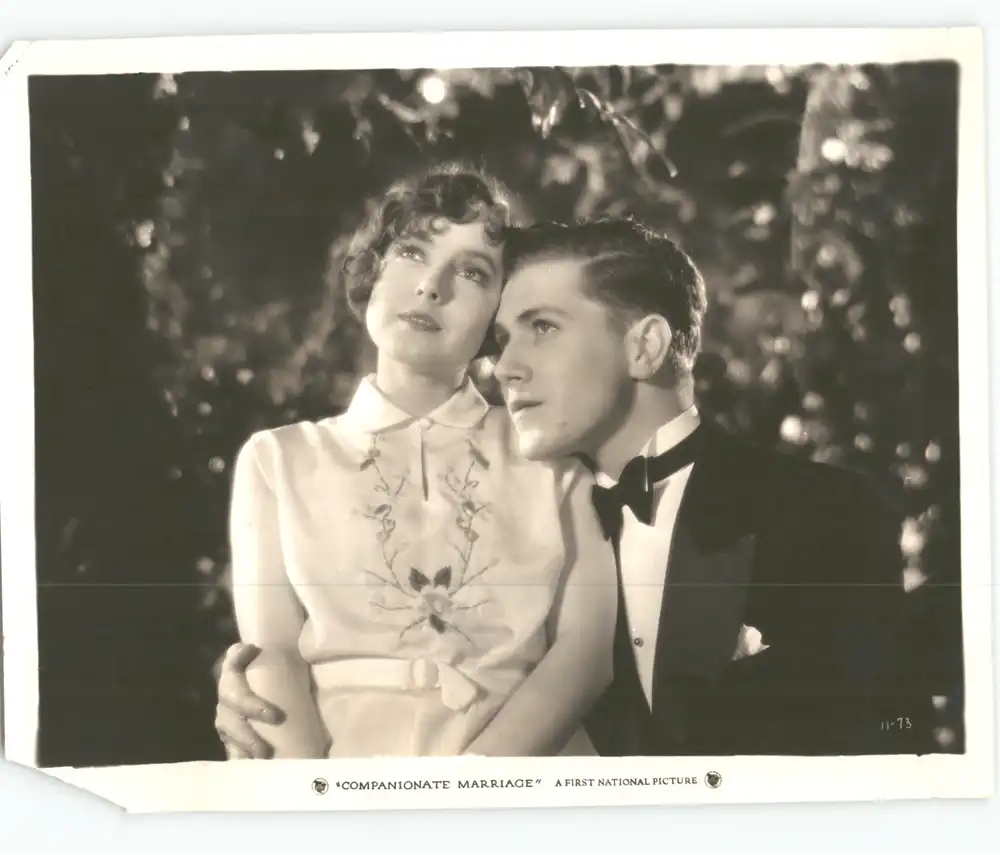
The first thing you notice is Betty Bronson’s face. She has this wide-eyed, almost startled expression that worked perfectly in Peter Pan, but here, playing Sally Williams, she looks like she’s constantly on the verge of a panic attack. It fits the character, I guess. Sally is trying to do marriage 'differently.' She and Donald (Richard Walling) aren't just jumping into the traditional trap. They want trust, they want a trial period, and they want to avoid the messy, sex-first mistakes of their peers.
Richard Walling is... fine. He’s very much a 'leading man' of the era—lots of hair gel and very sincere squinting. But there’s a scene early on where they’re sitting on a porch, and the way he holds his cigarette is so stiff it’s distracting. You can tell he’s waiting for his cue to move his arm. It’s one of those moments where the artifice of silent acting really pokes through the screen.
The movie was co-written by Judge Ben B. Lindsey, who was a real-life advocate for this stuff, and you can really feel his hand on the steering wheel. Some of the intertitles are incredibly long. They aren’t even dialogue; they’re just paragraphs explaining the philosophy of marriage. I found myself checking my phone during a few of the heavier text blocks. It stops being a movie and starts being a PowerPoint presentation from 1928.
There is a weirdly great shot about midway through where Sally is looking in a mirror. The lighting hits her from the side, and for a second, the movie stops being a lecture and becomes a real character study. You see the doubt in her eyes. It’s much more effective than the three paragraphs of text that follow it.
Hedda Hopper is in this, too, long before she became the feared gossip columnist. She plays Mrs. Moore with a kind of sharp, brittle energy that actually makes the domestic scenes feel tense. Every time she enters a room, the air seems to get sucked out of it. She’s much more interesting to watch than the 'jazz' party scenes, which feel strangely empty. Like, there are supposed to be people having a wild time in the background, but they all look like they’re moving in slow motion so they don’t disturb the main actors.
It’s funny that the UK title was The Jazz Bride. It makes it sound like a sequel to Beverly of Graustark or some other lighthearted romp. But this is way more sober. It’s obsessed with the idea that sex alone can’t sustain a marriage. The movie hammers this home so hard it starts to feel like it’s judging you for even thinking about it.
The pacing is a mess in the final third. It feels like they realized they had five minutes left to wrap up a year's worth of marital drama. Everything happens at once, and suddenly we’re supposed to believe these two have figured it all out. It’s not quite as jarring as the tonal shifts in something like Rustling a Bride, but it’s close. One minute it’s a social drama, the next it’s a frantic race to a happy ending.
I did like the costume design for Sally’s 'modern' outfits. There’s a coat she wears with an absurdly large fur collar that makes her look like she’s being eaten by a bear. It’s totally impractical and probably cost more than the rest of the set, but it gives her this shield-like appearance when she’s arguing with the older generation. It’s a good visual touch in a movie that usually prefers to just tell you how people feel through title cards.
Is it a 'good' movie? Not really. It’s clumsy and the 'companionate' hook is handled with the subtlety of a sledgehammer. But as a window into what people were arguing about in 1928, it’s fascinating. It’s a movie about people trying to be modern while still being terrified of what that actually means. If you've seen things like Outcast, you’ll recognize the vibe—that desperate attempt to be sophisticated that usually ends in a moralistic finger-wag.
The ending is a bit of a letdown. It settles for a very safe, very traditional resolution that almost undermines the 'radical' ideas it spent the first hour talking about. It’s like the filmmakers got scared of their own premise. Still, seeing Betty Bronson try to navigate a 'modern' relationship is better than watching most of the generic melodramas from the same year.
IMDb —
1921
Community
Log in to comment.