DbcultAccessing Vault...
Cult Review
Senior Film Conservator
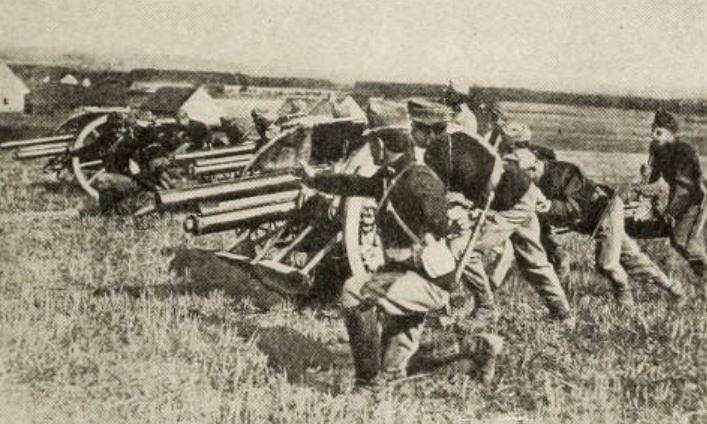
Stepping into the world of On the Belgian Battlefield is akin to unearthing a forgotten testament to human resilience, a cinematic artifact that, despite its silent era origins, speaks volumes about the indomitable spirit forged in the crucible of conflict. This isn't merely a historical dramatization; it's a visceral immersion into the grim realities of World War I, seen through a deeply personal lens. The film, a masterclass in evocative storytelling, transcends its medium to deliver a narrative brimming with emotional fortitude and stark, unflinching realism. It shies away from jingoistic fanfare, opting instead for a portrayal of war that foregrounds the individual's struggle against an overwhelming, dehumanizing force.
The narrative commences with an almost idyllic pastoralism, quickly and mercilessly shattered by the encroaching shadows of war. This juxtaposition of peace and brutal invasion immediately establishes the film's thematic core: the profound and often tragic disruption of ordinary lives by extraordinary circumstances. The early scenes, depicting the serene Belgian countryside and the tender courtship of Elara Dubois and Jean-Luc, are imbued with a melancholic beauty, a poignant foretaste of the innocence about to be lost. The director’s keen eye for composition ensures that even these moments of calm are tinged with an underlying tension, a sense of impending doom that subtly permeates the screen. One might draw parallels to the pastoral beginnings of films like The Valley of the Moon, where natural beauty serves as a backdrop for burgeoning human drama, though here, the drama is far more existential and tragic.
The invasion itself is depicted with a chilling efficiency, avoiding gratuitous violence in favor of a psychological impact. The sight of German troops marching through the once-peaceful village, the bewildered faces of its inhabitants, and the swift, brutal establishment of military rule, all convey the overwhelming sense of loss and subjugation. It’s in these early moments that Elara's transformation begins. Her initial shock and fear slowly harden into a resolve born of necessity and a fierce, protective love for her homeland and her missing beloved, Jean-Luc. The film masterfully charts this internal evolution, allowing the audience to witness, rather than merely be told, the profound changes wrought by war on the human psyche. This is a character arc that resonates deeply, echoing the quiet strength often found in historical figures thrust into unimaginable circumstances.
The introduction of Captain Alistair Thorne, a wounded British intelligence officer, marks a significant shift in the narrative's trajectory. Thorne, a figure of stoic determination and pragmatic cunning, embodies the calculated risks and moral ambiguities inherent in espionage. His initial skepticism towards Elara, born of professional caution, gives way to a grudging respect as he recognizes her untapped potential. Their alliance, forged out of mutual desperation and a shared enemy, becomes the beating heart of the film's espionage plot. The dynamic between the war-hardened spy and the resourceful civilian is compelling, a dance of trust and suspicion performed against the backdrop of constant peril. This intricate web of clandestine operations and personal stakes elevates the film beyond a simple war story, infusing it with the thrilling tension of a spy thriller, not unlike the early cinematic adventures seen in films such as Fantomas: The Man in Black, though with a far more grounded and grim realism.
The core mission – to steal vital German troop movement plans – is executed with a meticulous attention to detail that keeps the audience on the edge of their seats. Elara's infiltration of the Kommandantur is a masterclass in suspense, relying on her intimate knowledge of the village's forgotten nooks and crannies, and her ability to project an air of innocent vulnerability. Colonel Richter, the German Kommandant, is depicted not as a cartoonish villain, but as a shrewd and formidable adversary, making Elara's task all the more daunting. His piercing gaze and calculated demeanor create an almost palpable sense of threat, a constant reminder of the high stakes involved. The scene where Elara deciphers the German plans using a forgotten family cipher is particularly brilliant, showcasing her intelligence and resourcefulness, and subtly highlighting the enduring power of knowledge and heritage even in the face of destruction.
The emotional core of the film, however, lies in the tragic reappearance of Jean-Luc. His escape from captivity, a testament to his own resilience, is cruelly undermined by a devastating misunderstanding. Thorne, operating under the immense pressure of wartime intelligence, mistakenly identifies Jean-Luc as a German collaborator. This moment of mistaken identity and tragic misjudgment is profoundly impactful, creating a chasm of heartbreak that threatens to engulf Elara. It is a powerful reminder that war’s collateral damage extends far beyond physical wounds, tearing apart the very fabric of human relationships and trust. This poignant twist echoes the themes of loyalty and betrayal explored in films like Loyalty, but with an added layer of wartime despair that makes the personal stakes feel almost unbearable.
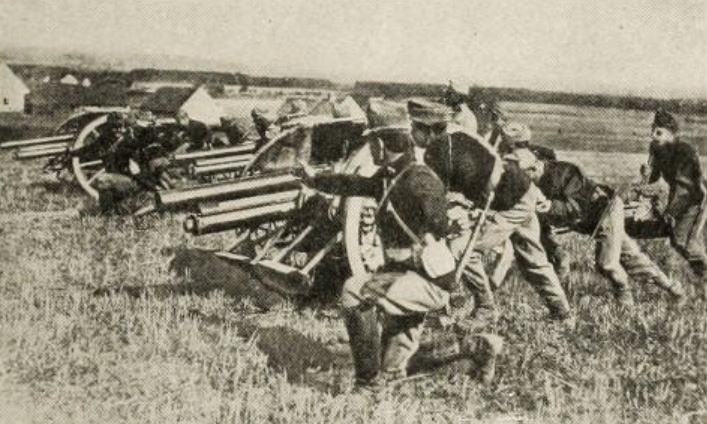
The cinematography throughout On the Belgian Battlefield is nothing short of breathtaking, especially considering the technical limitations of its era. The director employs a stark, almost documentary-like realism in depicting the ravaged landscapes, the desolate trenches, and the weary faces of those caught in the conflict. Yet, interspersed with this grim reality are moments of profound visual poetry: a solitary figure silhouetted against a smoke-filled sky, the delicate play of light and shadow in a clandestine meeting, or the haunting emptiness of a shelled-out church. These visual contrasts heighten the emotional impact, allowing moments of beauty and despair to coexist within the same frame. The use of deep focus and carefully composed wide shots effectively conveys the vastness and inhumanity of the battlefield, dwarfing the individual struggles within it.
The pacing of the film is meticulously controlled, building tension incrementally through sustained sequences of quiet observation and sudden bursts of frantic action. There are no wasted frames; every shot serves a purpose, either advancing the plot, developing character, or enhancing the thematic resonance. The editing, while perhaps less rapid than modern cinema, is remarkably sophisticated, utilizing cross-cutting to build suspense during the infiltration scenes and to underscore the parallel struggles of different characters. This deliberate rhythm draws the viewer in, allowing them to absorb the emotional weight of each scene before moving to the next. The film's narrative structure, with its clear progression from peace to conflict, then to espionage and personal tragedy, is exemplary, ensuring that the audience remains fully invested in Elara's arduous journey.
The performances, despite the absence of spoken dialogue, are incredibly nuanced and powerful. The actors rely on exaggerated yet deeply felt expressions, body language, and carefully choreographed movements to convey a vast spectrum of emotions. Elara's portrayal, in particular, is a tour de force, embodying a transformation from youthful innocence to hardened resolve with compelling conviction. Her eyes, often wide with fear or burning with defiance, become windows into her soul, communicating more than any dialogue ever could. The stoicism of Thorne and the menacing presence of Richter are equally well-realized, creating a believable and compelling ensemble. It is a testament to the skill of these early performers that they could evoke such profound empathy and understanding without uttering a single word. This level of expressive acting can be seen in other powerful silent dramas, lending a timeless quality to their emotional impact, much like the evocative performances in Evangeline.
The climax of On the Belgian Battlefield is a heart-stopping sequence of pursuit and sacrifice, a desperate race against time across the desolated Belgian landscape. Elara's escape, clutching the vital plans, is fraught with peril, forcing her to navigate a hellish terrain of trenches and evade the relentless pursuit of Richter's men. The film doesn't shy away from depicting the brutal efficiency of war, the omnipresent threat of death lurking around every corner. It is during this harrowing flight that Jean-Luc's ultimate act of selflessness unfolds, a poignant and devastating sacrifice that underscores the immense personal cost of war. His decision, born of love and a desperate desire to ensure Elara's success, is a gut-wrenching moment that cements the film's status as a profound meditation on heroism and loss. It is a sacrifice that resonates deeply, akin to the unwavering devotion seen in The Two Sergeants, but here steeped in the grim reality of global conflict.
The film's conclusion, rather than offering a simplistic triumph, delivers a stark and sobering reality. The hard-won intelligence is delivered, but not without immense personal devastation. Elara, though successful in her mission, is forever changed, her innocence irrevocably lost, replaced by the deep scars of survival. This refusal to romanticize war, to instead focus on its profound and lasting human toll, is one of the film's greatest strengths. It leaves the audience with a lingering sense of melancholy, a powerful understanding of the sacrifices made and the lives irrevocably altered by such a cataclysmic event. It's a testament to the film's artistic integrity that it concludes on such a resonant, bittersweet note, eschewing facile resolutions for a more truthful portrayal of the aftermath of conflict. The enduring impact of the film lies in its ability to humanize the grand, impersonal sweep of history, making the viewer feel the weight of each individual struggle and triumph.
Furthermore, the film's depiction of the Belgian resistance, even in its nascent stages, offers a compelling glimpse into the spirit of defiance that simmered beneath the surface of occupation. It highlights the courage of ordinary people who, despite facing overwhelming odds, chose to fight back in whatever ways they could. This often-overlooked aspect of wartime history is given a powerful voice here, celebrating the quiet heroism of those who refused to surrender their dignity or their homeland. The film subtly argues that true heroism isn't always found on the grand battlefield, but often in the small, daring acts of resistance performed by individuals like Elara. This theme of individual courage against systemic oppression is timeless, and can be seen in various forms across cinematic history, from the struggles of the working class in The Coming Power to the personal battles fought within families in Hans Faders Ære.
In essence, On the Belgian Battlefield is more than just a historical drama; it is a profound human document. It explores themes of love, loss, patriotism, sacrifice, and the enduring strength of the human spirit in the face of unimaginable adversity. Its artistic merits are undeniable, from its stunning cinematography and masterful pacing to its deeply moving performances. The film serves as a powerful reminder of the devastating impact of war, but also of the incredible capacity for courage and resilience that emerges from its ashes. It is a cinematic experience that stays with you long after the final frame, prompting reflection on history, humanity, and the indelible marks left by conflict. The emotional resonance achieved without dialogue is a testament to the universal language of visual storytelling and the timeless power of compelling narrative. The raw, unfiltered emotion conveyed by the actors, often through subtle gestures and powerful gazes, creates an intimate connection with the audience, making the historical events feel intensely personal. This film stands as a monumental achievement in early cinema, a poignant and unforgettable journey into the heart of a world at war, showcasing how individual lives become intricately woven into the larger tapestry of historical struggle. It is a piece that demands to be seen, studied, and remembered for its artistic integrity and its profound humanistic message, solidifying its place not just as a war film, but as a timeless work of art that transcends its genre and era, leaving an indelible mark on the viewer's consciousness.
IMDb —
1920
Community
Log in to comment.