DbcultAccessing Vault...
5.9/10
Senior Film Conservator
A definitive 5.9/10 rating for a film that redefined the boundaries of cult cinema. Starvation Blues remains a cornerstone of transgressive art.
Is Starvation Blues worth watching today? Short answer: yes, but with significant caveats that demand a particular kind of cinephile. This isn't a film for those seeking polished narratives or pristine restorations; it's a raw, often ragged piece of cinematic archaeology, best suited for silent film enthusiasts, students of early film comedy, and those with a deep appreciation for the foundational work of figures like Stan Laurel. If you’re looking for a casual viewing experience, you might find its rough edges more frustrating than fascinating.
This film, a product of the late silent era, offers a fascinating, if sometimes frustrating, glimpse into a transitional period of filmmaking. Its appeal lies less in its narrative perfection and more in its historical significance and the raw talent simmering beneath its unrefined surface. It works. But it’s flawed.
This film works because it captures a distinct, almost primal energy of early cinema, particularly through its depiction of struggle and the nascent comedic stylings that would later define an era. The influence of Stan Laurel, credited as one of the writers, is palpable in the film's episodic structure and a certain melancholic absurdity that underpins the humor. It serves as an invaluable historical document, showcasing the evolving craft of storytelling before sound fundamentally reshaped the medium.
This film fails because its narrative coherence often takes a backseat to a series of loosely connected vignettes, leading to an uneven pace and a lack of emotional depth for its characters. Technical limitations of the period, coupled with what appears to be a less-than-ideal preservation, mean that its visual impact is often compromised, demanding a viewer's patience and imaginative reconstruction.
You should watch it if you are a dedicated scholar of silent cinema, particularly interested in the formative years of comedic talent and the social realism—however light—of the era. It's also a must-see for anyone tracking the early career trajectory of its ensemble cast, especially Mildred June and the uncredited but clearly present contributions of its writing team. However, if your preference leans towards modern, tightly plotted films with high production values, this particular blues might feel more like a dirge.
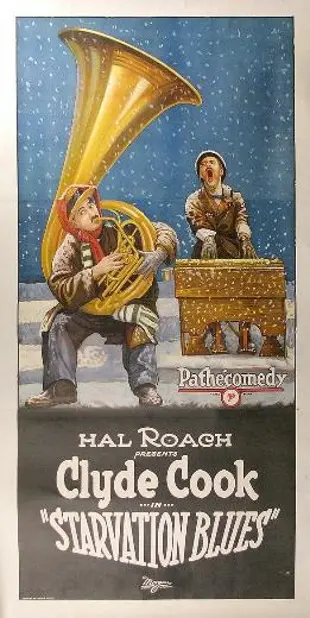
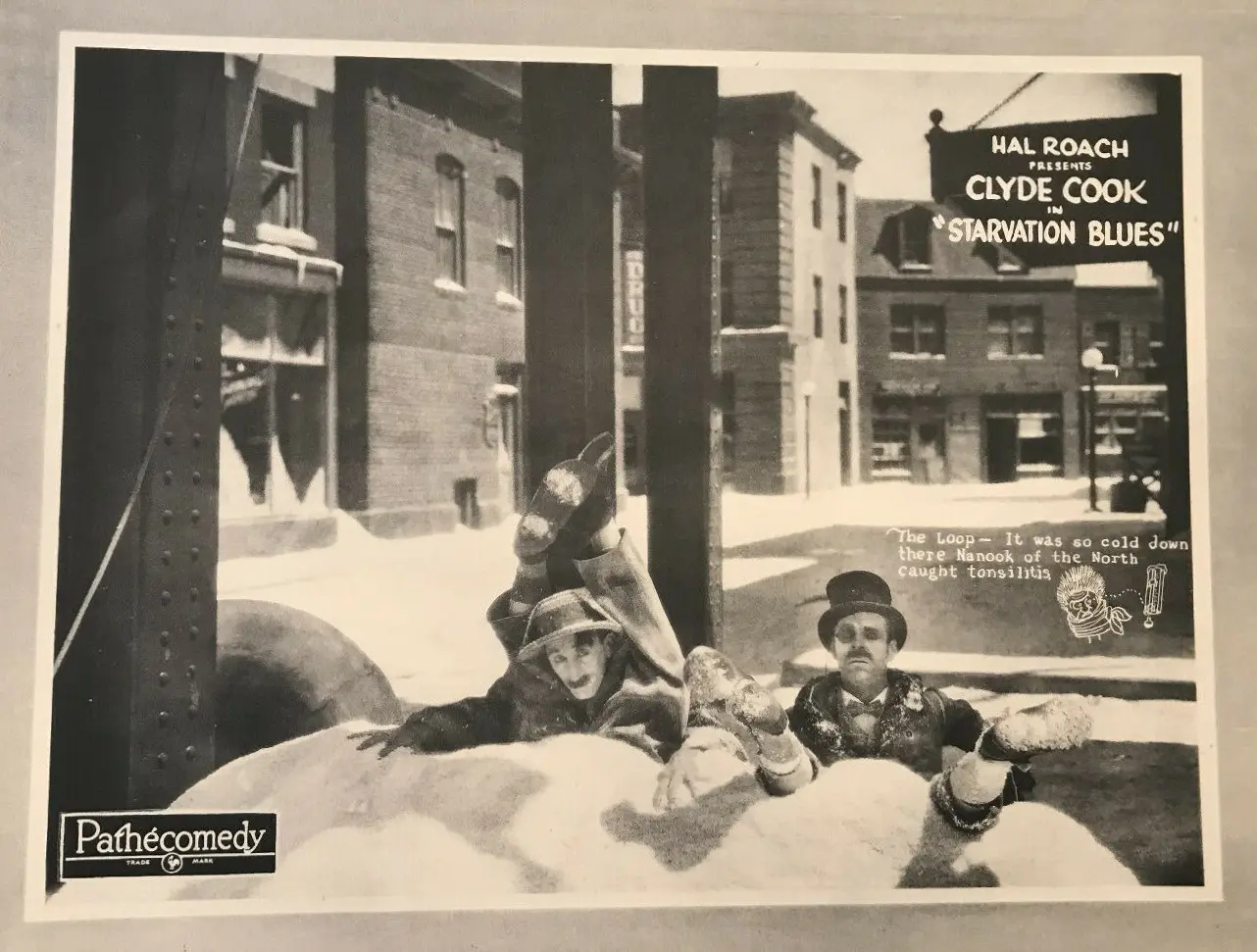
Richard Wallace's Starvation Blues doesn't bother with a grand, sweeping narrative. Instead, it offers a series of vignettes centered around two perpetually hungry street musicians, played with admirable pathos by Cesare Gravina and an uncredited actor. Their existence is a continuous search for sustenance, made all the more desperate by the biting cold of a relentless blizzard. This setting is not merely a backdrop; it's arguably the film's most compelling character, a formidable, indifferent force that dictates the rhythm of every scene.
The introduction of Mildred June's character, a woman jilted at the altar, injects a different kind of desperation into the mix. Her emotional turmoil, though distinct from the musicians' physical hunger, resonates with a similar sense of abandonment and vulnerability. The film cleverly, if somewhat clumsily, weaves her plight into the musicians' ongoing misadventures, creating moments of accidental heroism and fleeting camaraderie.
What truly stands out is the film's tonal tightrope walk. It flirts with slapstick comedy, particularly in the musicians' various failed attempts to earn a living, but it's always underpinned by a palpable sense of struggle. The humor is often born from adversity, a gallows humor that feels surprisingly authentic for its time. This isn't a polished comedy; it's a raw, sometimes uncomfortable, observation of life at the margins.
The episodic nature, while contributing to the film's uneven pacing, also allows for a kaleidoscope of small, human moments. From dodging street toughs to finding temporary shelter, each scene builds on the pervasive theme of survival against overwhelming odds. The blizzard itself, with its swirling snow and biting winds, acts as a constant, unforgiving antagonist, its presence felt in every shivering frame and every hurried movement.
In the silent era, an actor's face was their most powerful tool, and the cast of Starvation Blues leverages this truth with varying degrees of success. Mildred June, as the jilted bride, delivers a performance that, at times, cuts through the film's broader comedic strokes with genuine emotional weight. Her initial despair, conveyed through subtle shifts in expression rather than exaggerated gestures, is a highlight, grounding the fantastical elements in a relatable human tragedy. It's a testament to her skill that even within the confines of an episodic plot, she manages to carve out a memorable, if brief, arc.
Cesare Gravina, as one of the street musicians, embodies the weariness of constant hunger with an almost heartbreaking authenticity. His eyes, often downcast or scanning for opportunity, convey more about his character's plight than any intertitle could. He provides the film's emotional anchor, a quiet dignity amidst the chaos. Gravina's ability to elicit sympathy without resorting to overt melodrama is a masterclass in silent screen acting, a skill also evident in his work in films like The Forbidden Lover.
The supporting players, including the likes of Brooks Benedict and Clyde Cook, contribute to the film's lively street scenes. While their roles are often brief and archetypal, they add to the bustling, often indifferent, world the protagonists navigate. Cook, in particular, brings a touch of his signature physicality, foreshadowing the more refined comedic timing he would display in later roles. The ensemble, though not always perfectly synchronized, creates a convincing tapestry of early 20th-century urban life.
Richard Wallace, at the helm of Starvation Blues, demonstrates a keen eye for atmosphere, even if his narrative control occasionally wavers. The film's depiction of the blizzard is surprisingly effective for its time, utilizing practical effects and clever camerawork to convey the biting cold and isolation. Shots of swirling snow and characters huddled against the wind manage to evoke a genuine sense of environmental hardship, which is no small feat given the technical limitations of the era.
Wallace's direction shines brightest in the chaotic street scenes. He orchestrates a believable sense of urban hustle and bustle, with extras moving purposefully and interactions feeling organic, even when the central figures are struggling. These moments provide a vibrant backdrop against which the protagonists' struggles are sharply contrasted. The camera often lingers on the faces of the hungry and the desperate, capturing fleeting moments of despair and resilience that add depth to the otherwise simple plot.
However, the film's pacing can be erratic. There are moments of effective visual storytelling, punctuated by stretches that feel drawn out or repetitive. This isn't uncommon for silent films, but here it occasionally disrupts the narrative flow, making some of the misadventures feel less like organic plot developments and more like discrete comedic sketches stitched together. While this episodic approach can be charming, it also prevents the film from building sustained dramatic tension or emotional investment.
The tone of Starvation Blues is a delicate, often precarious, balance. It oscillates between genuine pathos, particularly in the struggles of the musicians and the jilted bride, and a lighter, more farcical brand of humor. This tonal whiplash is both a defining characteristic and a potential stumbling block. A scene depicting the musicians' desperate hunger might be immediately followed by a broad, almost cartoonish comedic mishap, demanding a flexible viewing sensibility.
The influence of Stan Laurel as one of the writers is undeniable, even in this relatively early work. One can discern the seeds of the melancholic, slightly absurd humor that would become his hallmark. The musicians' quiet despair, their resigned acceptance of their fate, interspersed with moments of unexpected physical comedy, feels like a precursor to the nuanced characterizations he would later bring to the screen. It's a fascinating look at the development of a comedic genius, even if the execution here is still in its formative stages. While credited to several writers, the specific brand of understated, slightly melancholic humor, even in its rough form, feels distinctly like a precursor to Laurel's later solo and duo work, suggesting his influence was perhaps more significant than the shared credit implies.
The film's pacing, as mentioned, is largely dictated by its episodic structure. This allows for a series of distinct misadventures, but it also prevents a cohesive, continuously escalating plot. Viewers accustomed to modern narrative conventions might find this disjointed approach challenging. Without a guiding musical score, which would have been central to its original exhibition, the film's internal rhythm sometimes struggles to assert itself, leaving moments feeling either rushed or unduly extended.
Yes, Starvation Blues holds value as a historical artifact. It offers insights into early film comedy and the struggles of its era. However, it's not a film for general audiences seeking modern entertainment. Its primary appeal is to silent film historians and dedicated cinephiles. Expect technical limitations and an episodic structure.
Starvation Blues is not a film that will redefine your cinematic experience, nor is it a forgotten masterpiece. Instead, it’s a vital piece of cinematic history, a rough-hewn gem that offers unique insights into the transitional period of silent filmmaking. Its raw energy, coupled with the earnest performances of its lead actors, makes it a compelling watch for those with a specific interest in the era. It's a testament to the resilience of both its characters and the art form itself, enduring despite its imperfections.
While its narrative coherence and technical polish might leave something to be desired by modern standards, its value as a historical document, a window into the early craft of comedy, and a showcase for developing talent is undeniable. For the dedicated cinephile, it’s a worthwhile dig through the archives; for others, it might be a challenging, albeit interesting, experience. Ultimately, it’s a film that resonates not with a booming score, but with the quiet, persistent hum of human struggle and the faint, charming echo of a bygone era's humor. It’s an acquired taste, certainly, but one that rewards the patient palate with a genuine flavor of early cinema.
IMDb —
1918
Community
Log in to comment.