DbcultAccessing Vault...
6.3/10
Senior Film Conservator
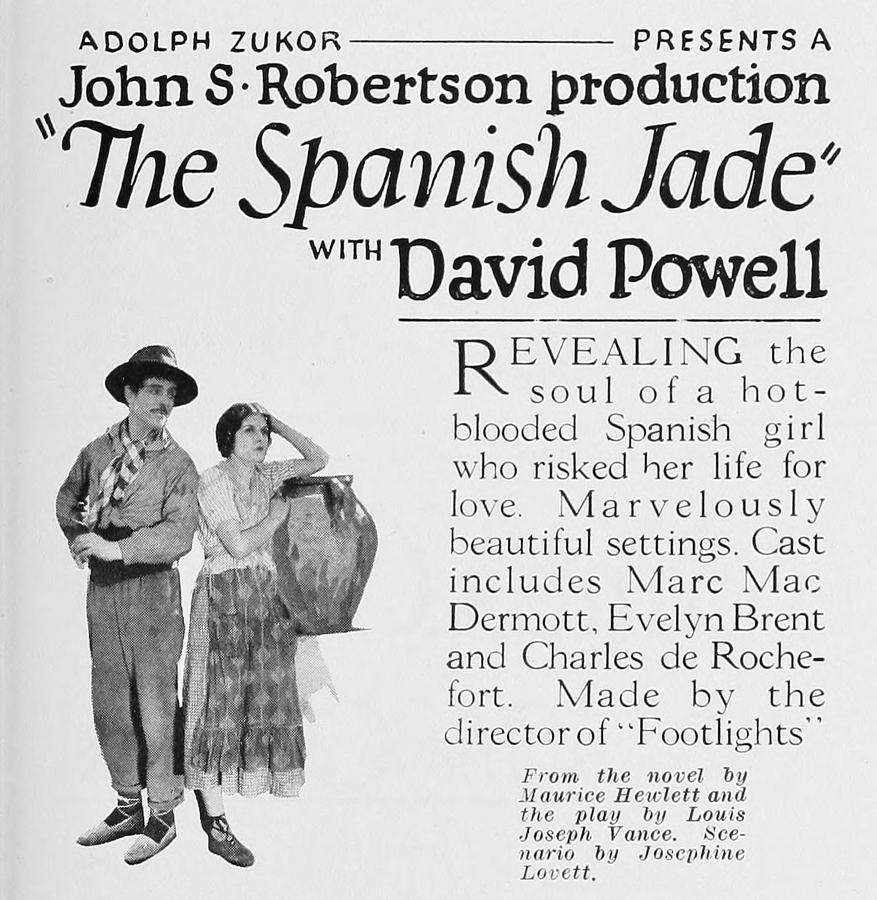
A definitive 6.3/10 rating for a film that redefined the boundaries of cult cinema. The Spanish Jade remains a cornerstone of transgressive art.
The Spanish Jade, a silent film released in 1922, is a cinematic masterpiece that delves into the intricate and often treacherous world of human relationships, where the boundaries between love, desire, and morality are constantly blurred. Directed by Louis Joseph Vance and Josephine Lovett, this film is an adaptation of the novel by Maurice Hewlett, and it boasts a talented cast, including Marc McDermott, Lionel d'Aragon, and Evelyn Brent.
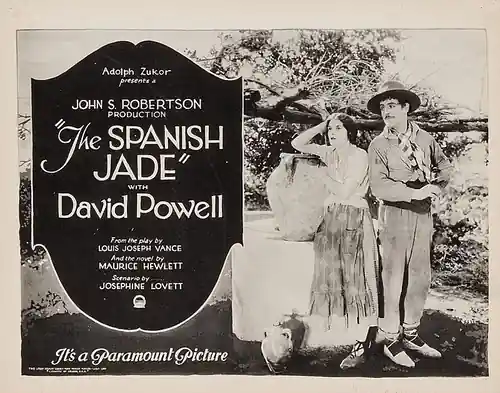
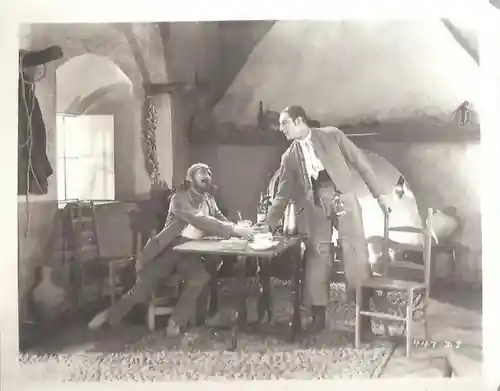
The narrative is a complex and multifaceted exploration of the human condition, tackling themes such as love, desire, power, and redemption. The film's protagonist, played by Evelyn Brent, is a young woman who finds herself entangled in a web of deceit and betrayal, as her lover, played by Lionel d'Aragon, commits a heinous crime, taking the life of her husband. Desperate to save her lover from the consequences of his actions, she resorts to a drastic measure, offering herself to her father-in-law, played by Charles de Rochefort, in a Faustian bargain that threatens to destroy her very soul.
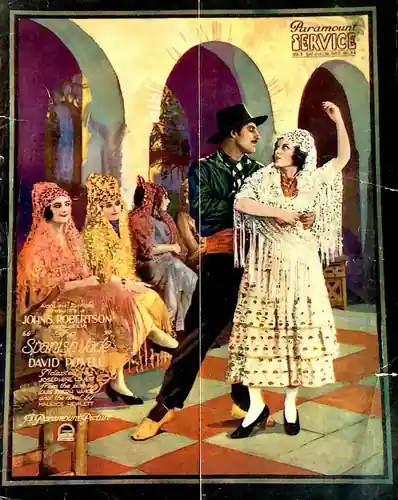
Throughout the film, the cinematography is breathtaking, with a keen attention to detail and a deep understanding of the medium. The use of lighting and shadows is particularly noteworthy, as it adds a sense of depth and nuance to the narrative, drawing the viewer into the world of the film. The performances, too, are superb, with each actor bringing a unique and compelling energy to their respective roles. Marc McDermott, in particular, shines as the father-in-law, bringing a sense of gravitas and authority to the role that is both captivating and unsettling.
The Spanish Jade is a film that defies easy categorization, blending elements of drama, romance, and thriller to create a unique and captivating cinematic experience. It is a testament to the power of the medium, and a reminder that, even in the silence of the screen, the human condition can be explored and understood in profound and meaningful ways. For fans of silent cinema, this film is a must-see, offering a glimpse into a bygone era and a chance to experience the magic of the movies in a way that is both nostalgic and timeless. In comparison to other films of the era, such as The Vampires: Satanas and The Hidden Law, The Spanish Jade stands out as a masterpiece of cinematic storytelling, one that continues to captivate and enthrall audiences to this day.
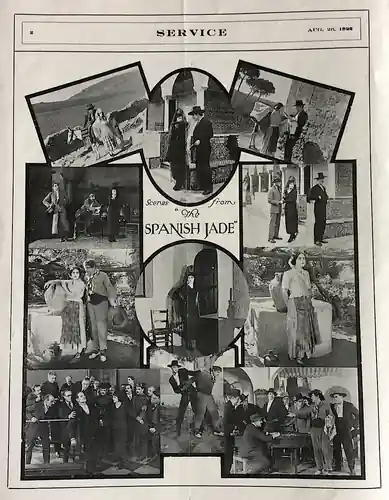
One of the most striking aspects of The Spanish Jade is its use of symbolism and metaphor, which adds a layer of depth and complexity to the narrative. The film's use of the Spanish jade, a precious and coveted gemstone, serves as a powerful symbol of the protagonist's desire and passion, as well as her ultimate downfall. This use of symbolism is reminiscent of other films of the era, such as Das Tagebuch einer Verlorenen and The Eternal Sappho, which also explored the complexities of human desire and the dangers of unchecked passion.
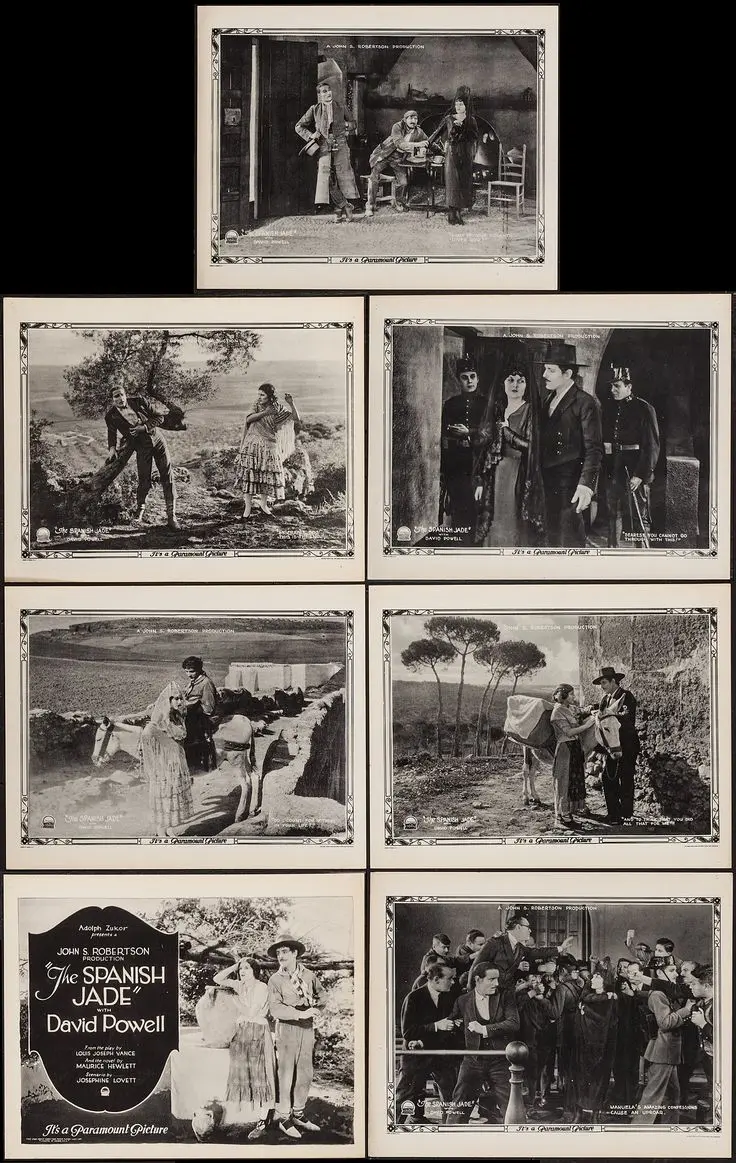
The Spanish Jade is also notable for its exploration of themes such as power and redemption, which are woven throughout the narrative like a rich and intricate tapestry. The film's portrayal of the complex and often fraught relationships between men and women is both nuanced and thought-provoking, offering a commentary on the social and cultural norms of the time. In this regard, the film is similar to other works of the era, such as The Courage of Silence and The Captivating Captive, which also explored the complexities of human relationships and the societal expectations that govern them.
In terms of its historical context, The Spanish Jade is a film that reflects the anxieties and concerns of the post-World War I era, in which the social and cultural norms of the time were being challenged and redefined. The film's portrayal of a world in flux, in which traditional values and morals are being questioned and subverted, is both haunting and thought-provoking, offering a glimpse into a bygone era that is both fascinating and unsettling. In comparison to other films of the era, such as The Monster and the Girl and Rose of the World, The Spanish Jade stands out as a masterpiece of cinematic storytelling, one that continues to captivate and enthrall audiences to this day.
The film's influence can also be seen in later works, such as Her Husband's Friend and The Prisoner of Zenda, which also explored the complexities of human relationships and the dangers of unchecked passion. The Spanish Jade is a film that has stood the test of time, offering a glimpse into a bygone era and a chance to experience the magic of the movies in a way that is both nostalgic and timeless. For fans of silent cinema, this film is a must-see, and its influence can still be felt in the world of cinema today.
In conclusion, The Spanish Jade is a film that is both a product of its time and a timeless masterpiece of cinematic storytelling. Its exploration of themes such as love, desire, power, and redemption is both nuanced and thought-provoking, offering a commentary on the social and cultural norms of the time. The film's use of symbolism and metaphor adds a layer of depth and complexity to the narrative, while its portrayal of the complex and often fraught relationships between men and women is both haunting and thought-provoking. As a work of cinematic art, The Spanish Jade is a must-see, offering a glimpse into a bygone era and a chance to experience the magic of the movies in a way that is both nostalgic and timeless. For fans of silent cinema, this film is a must-see, and its influence can still be felt in the world of cinema today, as seen in films such as One Week of Life, Love's Penalty, and Golfo di Napoli.

IMDb 4.6
1927
Community
Log in to comment.