DbcultAccessing Vault...
5.5/10
Senior Film Conservator
A definitive 5.5/10 rating for a film that redefined the boundaries of cult cinema. Stick Around remains a cornerstone of transgressive art.
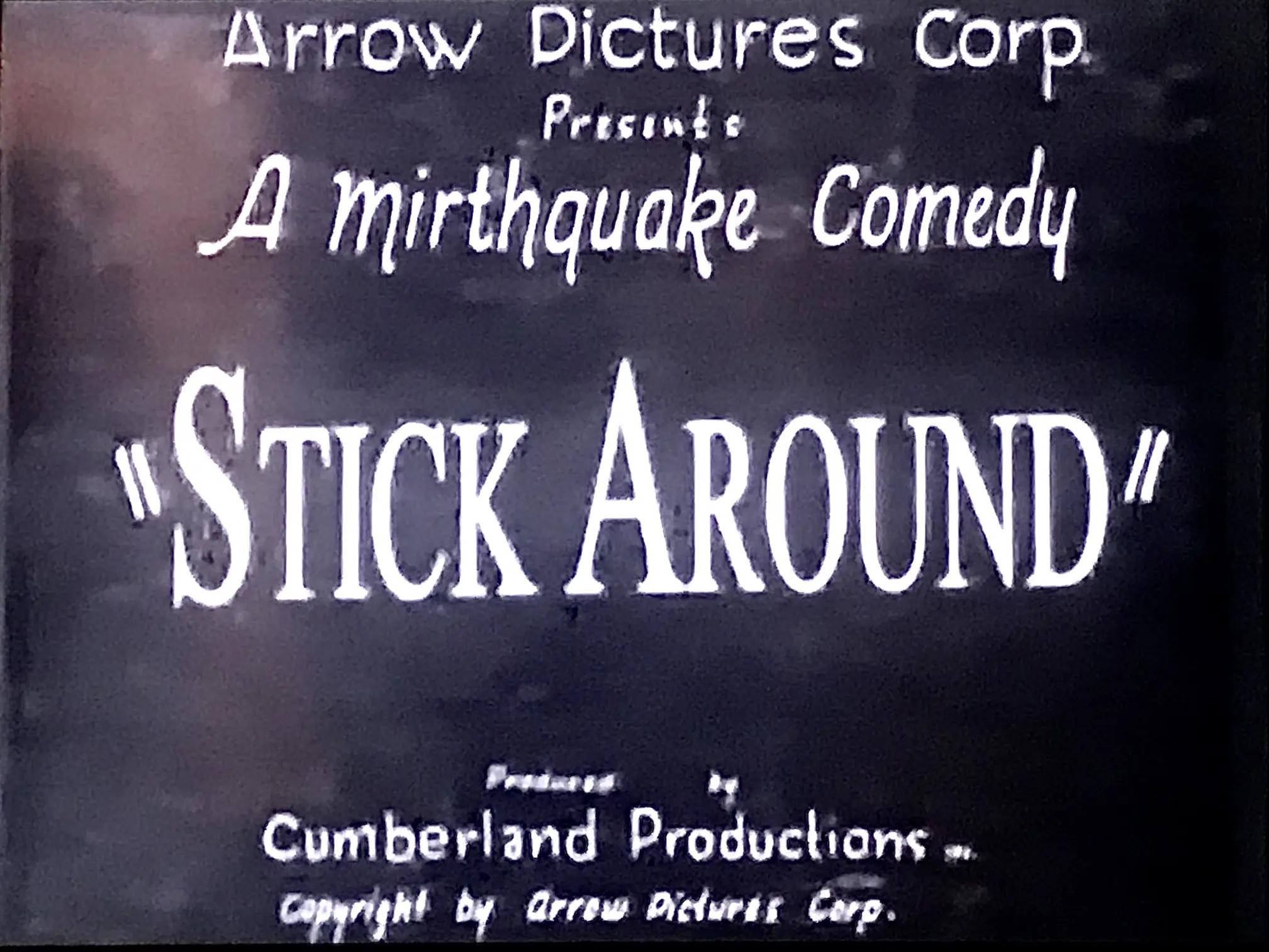
The cinematic landscape of the early 20th century was replete with comedic gems, many of which have faded into obscurity. Stick Around, directed by an unknown entity, is one such film that, despite its lack of renown, offers a riotous exploration of chaos theory in a sanitarium setting.
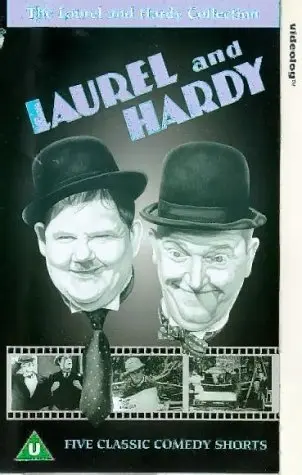
The film's narrative is deceptively simple: two paperhangers, played by Bobby Ray and Harry McCoy, are employed to hang posters. This straightforward task quickly unravels as the protagonists' ineptitude becomes apparent. Their fumbling efforts precipitate a domino effect of mishaps, creating an atmosphere of pandemonium that permeates the sanitarium.
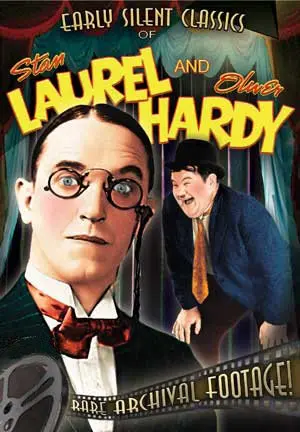
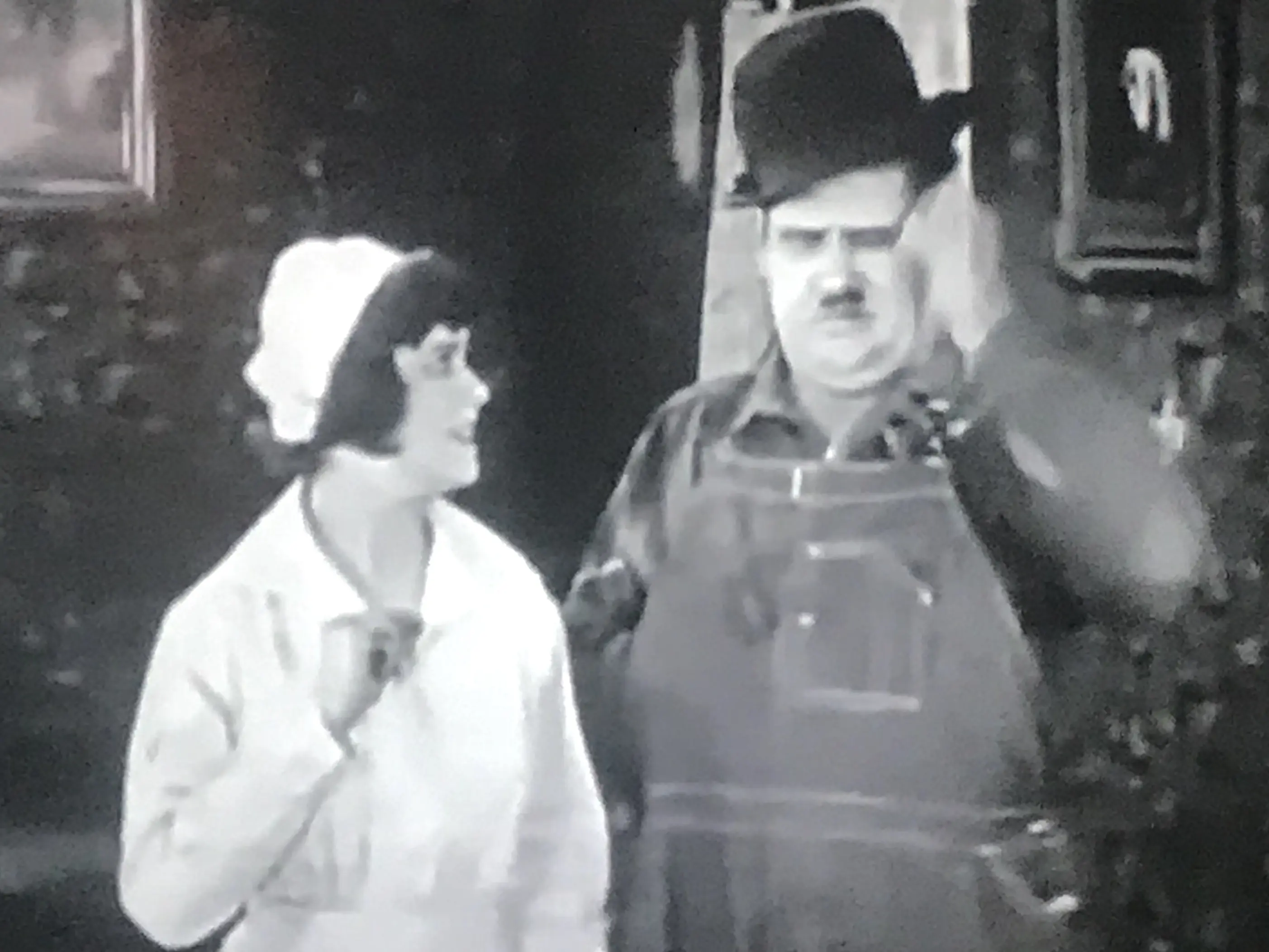
The casting of Oliver Hardy, a comedic legend, adds a layer of anticipation to the film. His appearance, though brief, is a highlight, showcasing his signature blend of physical comedy and exasperated reactions. The chemistry between the leads, however, is what truly drives the film's comedic engine. Their interactions are a masterclass in building tension through incompetence, each misstep escalating the chaos to near-absurd levels.
The screenplay, credited to Ward Hayes, demonstrates a keen understanding of comedic timing and the art of mishap escalation. Each scene is meticulously crafted to maximize humor, often through the use of situational comedy and slapstick. This approach draws comparisons to other films of the era, such as King Solomon's Mines, though Stick Around maintains a distinctly lighthearted tone.
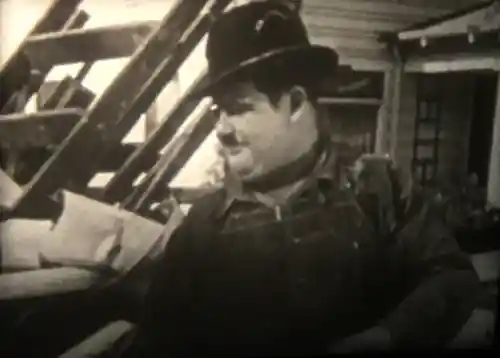
One of the most striking aspects of Stick Around is its thematic exploration of order versus chaos. The sanitarium, an institution predicated on structure and control, serves as the perfect backdrop for the protagonists' anarchic influence. As the story progresses, the boundaries between order and entropy become increasingly blurred, mirroring the on-screen mayhem.
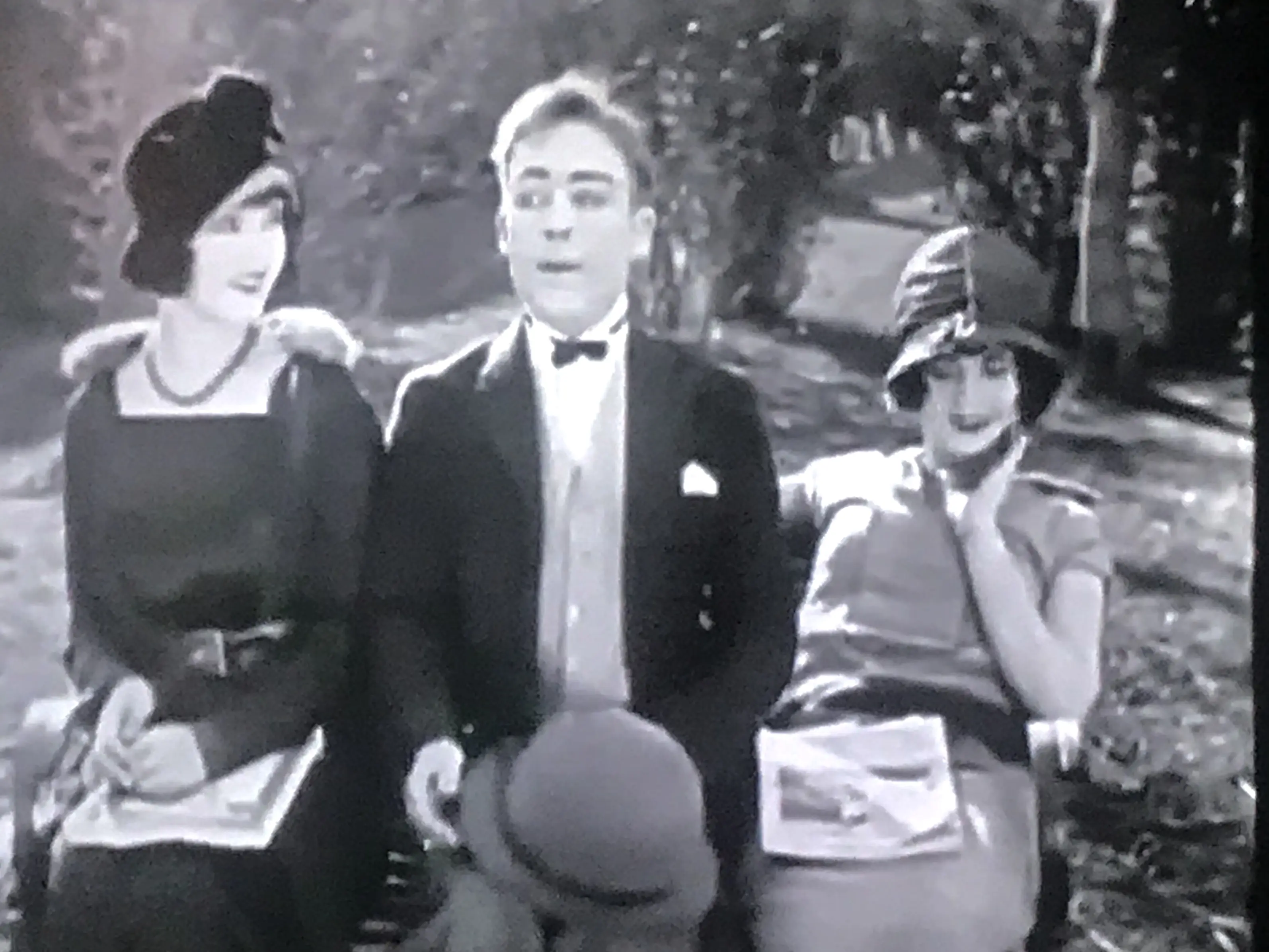
In terms of cinematic craftsmanship, Stick Around exhibits a clear attention to detail. The cinematography effectively captures the claustrophobic atmosphere of the sanitarium, while the editing ensures a brisk pace that keeps viewers engaged. Though not revolutionary, these technical aspects are certainly competent, supporting the film's comedic ambitions.
When evaluating Stick Around within the context of its contemporaries, it becomes clear that the film occupies a unique niche. While Tom, Dick and Harry and Scratch My Back also explore comedic misadventures, Stick Around distinguishes itself through its setting and the distinctive chemistry between its leads.
The film's influence can be seen in later comedies that similarly exploit the humor inherent in workplace chaos. For instance, Die Luftpiraten and The Flash of an Emerald owe a debt to Stick Around's pioneering work in this genre. This lineage underscores the film's significance, even if it has not achieved lasting fame.
Despite its age, Stick Around remains a captivating watch, offering insights into the evolution of comedic cinema. Its blend of physical humor, situational comedy, and character-driven chaos makes it a must-see for aficionados of early 20th-century film. Furthermore, the film's themes of disorder and the fragility of institutional control continue to resonate, lending it a timeless quality.
In conclusion, Stick Around is a comedic masterpiece that, while not widely recognized, deserves critical reevaluation. Its unique blend of humor, coupled with a nuanced exploration of chaos theory, positions it as a landmark in the history of comedy. For those interested in the evolution of comedic cinema or simply seeking a lighthearted watch, Stick Around is an excellent choice.
IMDb 6.3
1928
Community
Log in to comment.