DbcultAccessing Vault...
6.1/10
Senior Film Conservator
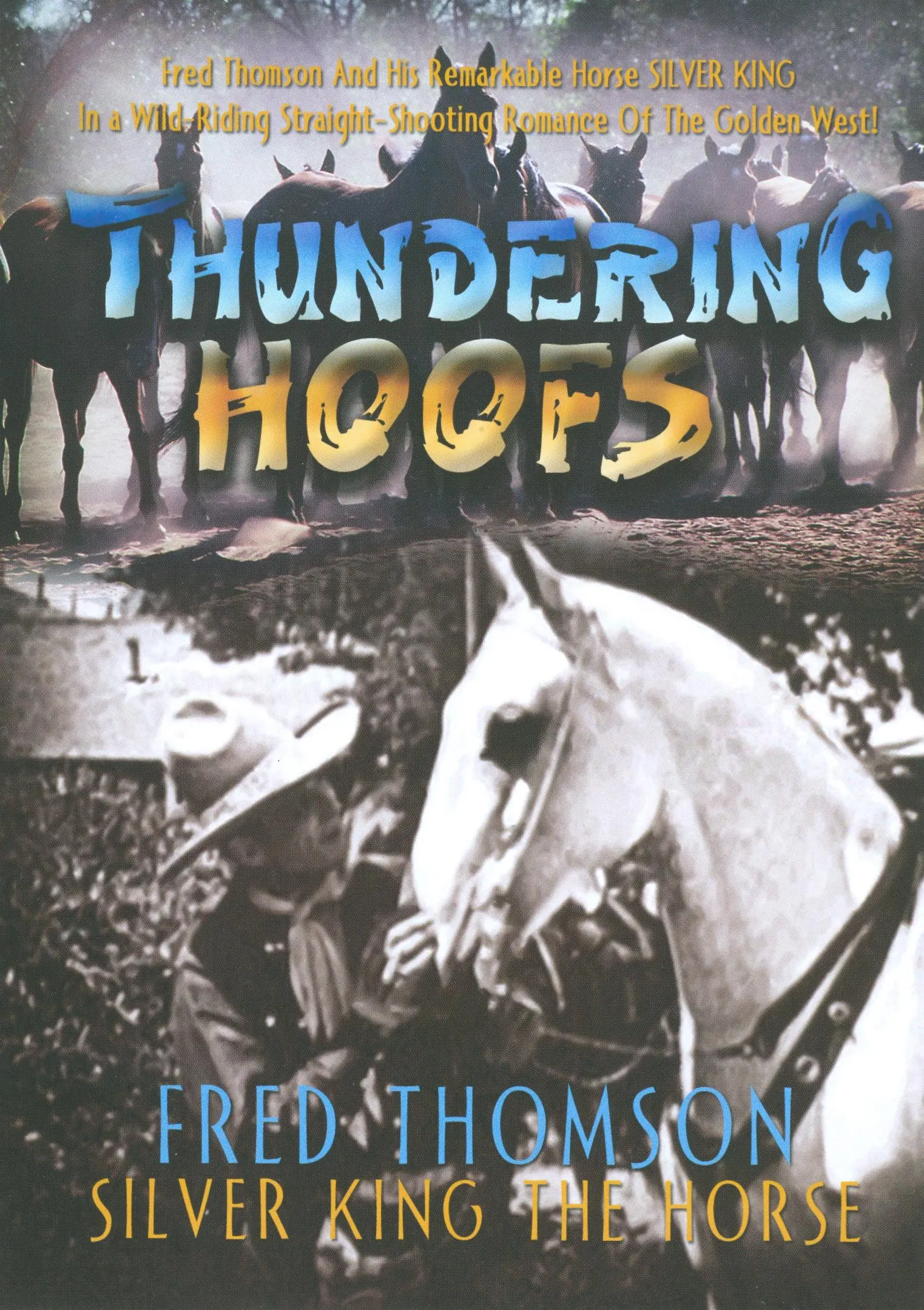
A definitive 6.1/10 rating for a film that redefined the boundaries of cult cinema. Thundering Hoofs remains a cornerstone of transgressive art.
The silent Western is often dismissed as a relic of simplistic moral binaries, yet Thundering Hoofs (1924) stands as a testament to the visceral power of physical storytelling and the burgeoning sophistication of the genre during the mid-twenties. At the heart of this production is Fred Thomson, a man whose athletic pedigree rivaled that of Douglas Fairbanks and whose rapport with his equine co-star, Silver King, redefined the 'wonder horse' trope for a generation of cinemagoers. Unlike the gritty realism that would later define the genre in the 1950s, this film leans into a high-octane melodrama that prioritizes movement, spectacle, and the inherent nobility of the frontier spirit.
The screenplay, a collaborative effort between Marion Jackson and the legendary Frances Marion, constructs a narrative labyrinth that is surprisingly psychological for its time. We are introduced to the villainous Severn, played with a sneering, calculating intensity by William Lowery. Severn is not your typical brawling antagonist; he is a manipulator of perceptions. His infiltration of the Estrada family is a slow-burn heist, targeting both their material wealth and their social legacy. By positioning himself as a suitor for Estrada’s daughter, he weaponizes the traditions of the era, turning the father's protective instincts against the very man who could save them: Dave Marshall.
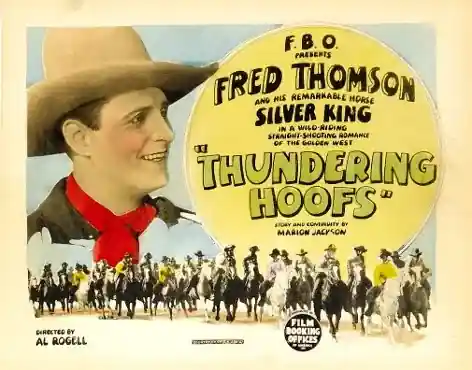
The tension in the first act is palpable as Severn begins his campaign of character assassination. It is a fascinating study in how information was managed in the pre-digital age. By controlling the narrative within the Estrada household, Severn effectively creates a reality where the hero, Marshall, is a ghost—a phantom bandit upon whom all grievances are projected. This thematic depth elevates the film above contemporaries like A Yankee Go-Getter, which often relied more on charm than on the subversion of social trust.
When Dave Marshall finally enters the frame, the film shifts gears from a domestic drama into a high-stakes chase. Fred Thomson’s portrayal of Marshall is one of restrained power. He doesn't just ride; he flows with the horse. The cinematography captures the vastness of the borderlands, using the horizon as a metaphorical boundary between the lies of the 'civilized' estate and the harsh truths of the open range. The moment Marshall is jailed is a pivotal subversion of the audience's expectations. Usually, the hero is the one doing the arresting; here, the legal system is co-opted by the criminal, a motif that resonates with the cynical undertones found in The Brute Breaker.

One cannot discuss Thundering Hoofs without centering the performance of Silver King. In the 1920s, horses like Silver King and Tony (Tom Mix’s horse) were genuine box-office draws, often receiving top billing. In this film, Silver King is the emotional anchor. During the sequences where Marshall is incarcerated, the horse exhibits a level of screen presence that rivals the human cast. The editing cuts between Marshall’s despair in the cell and Silver King’s frantic efforts to aid his master, creating a cross-species bond that feels authentic rather than gimmicky.
The stunt work is where the film truly excels. Thomson, who performed his own stunts, displays a level of physicality that puts modern CGI to shame. Whether it's leaping from heights or navigating treacherous terrain at full gallop, the sense of danger is real. This visceral quality is something that films like Jumping Beans or even the more comedic Why Smith Left Home lacked in their pursuit of lighter entertainment. There is a weight to the movement here, a gravity that underscores the life-and-death stakes of the plot.
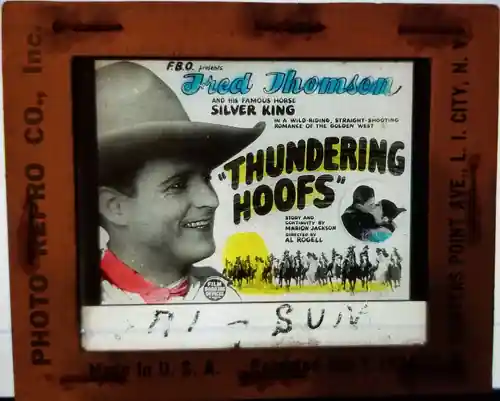
Visually, the film utilizes the natural lighting of the California and Arizona landscapes to create a chiaroscuro effect that mirrors the internal conflict of the characters. The Estrada hacienda is often bathed in shadows, reflecting the encroaching influence of Severn, while the exterior sequences are blasted with a harsh, revealing sunlight. This visual dichotomy is a hallmark of Frances Marion’s influence, bringing a touch of the 'prestige' drama to the rugged Western genre. It’s a far cry from the more theatrical staging of Les frères corses, opting instead for a rugged naturalism.
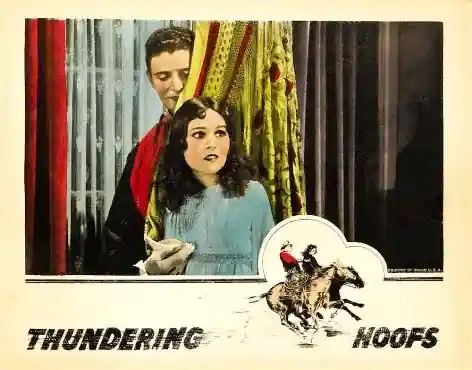
The supporting cast deserves commendation as well. Ann May, as the daughter caught in the middle of this masculine tug-of-war, provides a performance that transcends the 'damsel in distress' archetype. There is a visible internal struggle as she tries to reconcile her duty to her father with her intuition about Severn’s true nature. This nuance is often missing in early silent films like A Flirt There Was, where character motivations are often paper-thin.
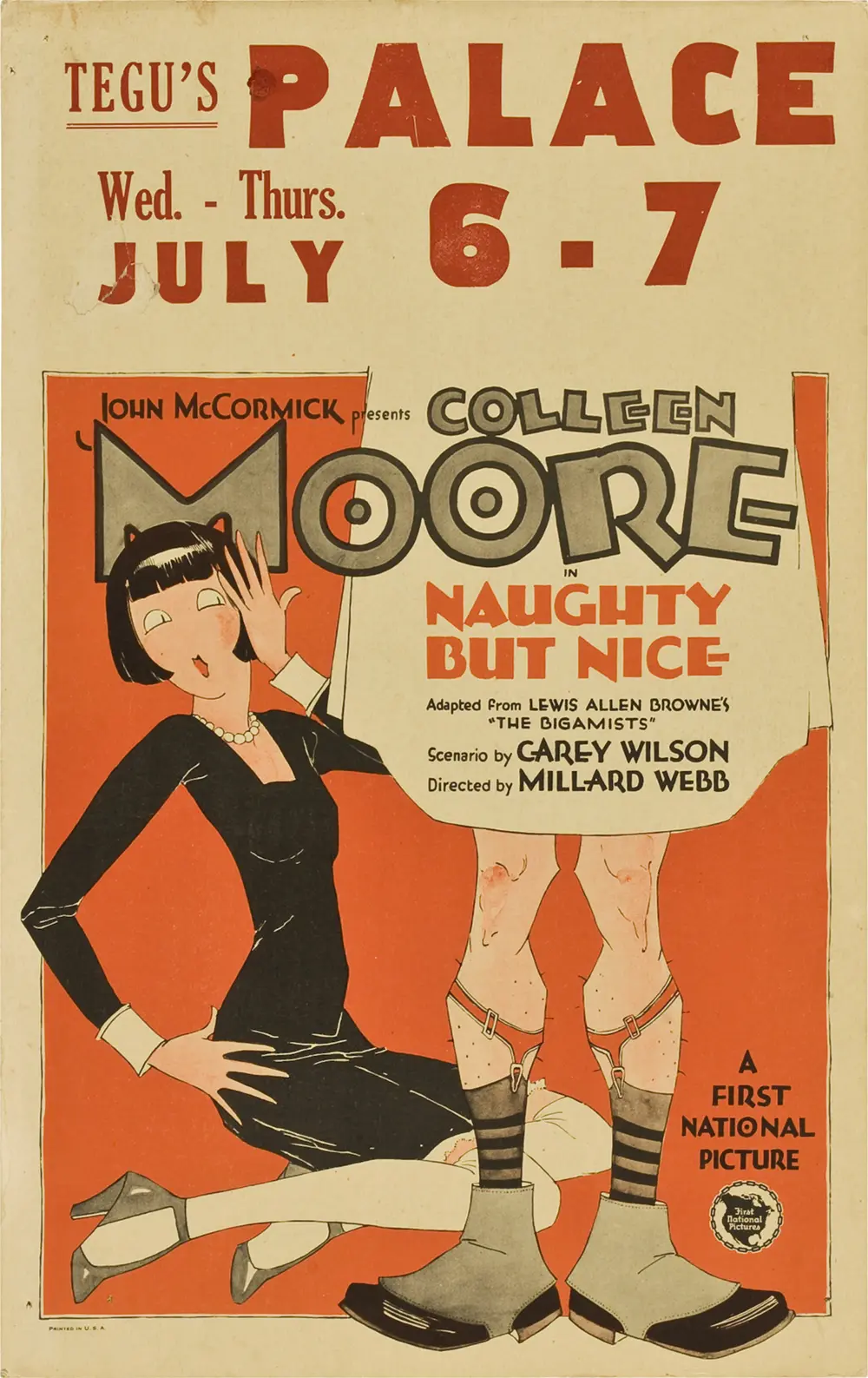
When we look at Thundering Hoofs in the context of the 1920s, we see a genre in transition. It sits comfortably between the early, episodic shorts like Boots and the epic, sprawling narratives of the late silent era. It shares the DNA of Bucking Broadway in its portrayal of the clash between different social strata, yet it maintains a focus on the individual hero that is almost mythic. The film’s pacing is relentless; once the initial exposition is out of the way, the narrative gallops toward its conclusion with the same ferocity as its namesake.
Interestingly, the film’s treatment of the 'outlaw' figure is more complex than one might expect. By framing the hero as the accused bandit, the story forces the audience to confront the fallibility of the law. This is a theme explored with more political fervor in international works like Dzhymmi Hihhins, but here it is distilled into a personal struggle for survival and reputation. The jailbreak sequence is a masterclass in tension, utilizing parallel editing to show the walls closing in on Marshall while Silver King orchestrates a diversion outside.
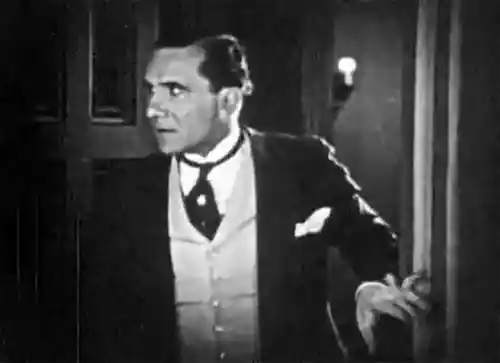
The direction by Albert S. Rogell (though often overshadowed by the star power of Thomson) is remarkably fluid. He understands the geometry of the chase. He uses the depth of field to keep multiple points of interest in the frame, a technique that would be perfected by John Ford in the decades to follow. This is particularly evident in the final confrontation between Marshall and Severn. The choreography of the fight is not just a sequence of punches; it’s a struggle for dominance that utilizes the environment—the dust, the rocks, the very earth of the frontier.
The film also benefits from a certain lack of artifice. Unlike some of the more stylized 'adventure' films of the period, such as Iwami Jûtarô, there is a groundedness to the action here. When a character falls, they hit the ground with a sense of impact. When the horses run, you can almost feel the vibration of the earth. This tactile quality is what keeps the film watchable nearly a century later. It doesn't feel like a stage play captured on film; it feels like a window into a world of motion.
Fred Thomson’s career was tragically short, cut off at its peak, which perhaps explains why Thundering Hoofs isn't as widely discussed as the works of Buster Keaton or Harold Lloyd. However, within the Western canon, it is an essential piece of the puzzle. It bridges the gap between the simple morality plays of the 1910s and the complex, character-driven Westerns of the sound era. It shares a certain 'blue-collar' heroism with The Blue Streak, but with a significantly higher production value and a more poetic sensibility.
The film concludes not just with the defeat of the villain, but with the restoration of the social order. The Estrada family is made whole, the bandit is purged, and the hero is vindicated. Yet, the final image is often of the horse and the man, silhouetted against the vast American sky—a reminder that in this genre, the bond between the rider and the ridden is the ultimate source of power. While films like Beach Nuts or Up in the Air offered temporary escapism, Thundering Hoofs offered a mythos. It provided the audience with a paragon of virtue that was both physically extraordinary and emotionally accessible.
In the end, Thundering Hoofs is a triumph of the silent medium. It proves that you don't need dialogue to convey the intricacies of a betrayal or the exhilaration of a rescue. Through the expert use of pacing, physical performance, and a deep understanding of the Western landscape, the film remains a vibrant, thundering piece of cinema history. It stands tall alongside The Discard and Join the Circus as a reminder of the sheer diversity of storytelling that existed during the silent boom. For any serious student of film, or even a casual fan of the genre, it is a work that demands—and rewards—close attention.
IMDb 4.3
1932
Community
Log in to comment.