DbcultAccessing Vault...
Cult Review
Senior Film Conservator
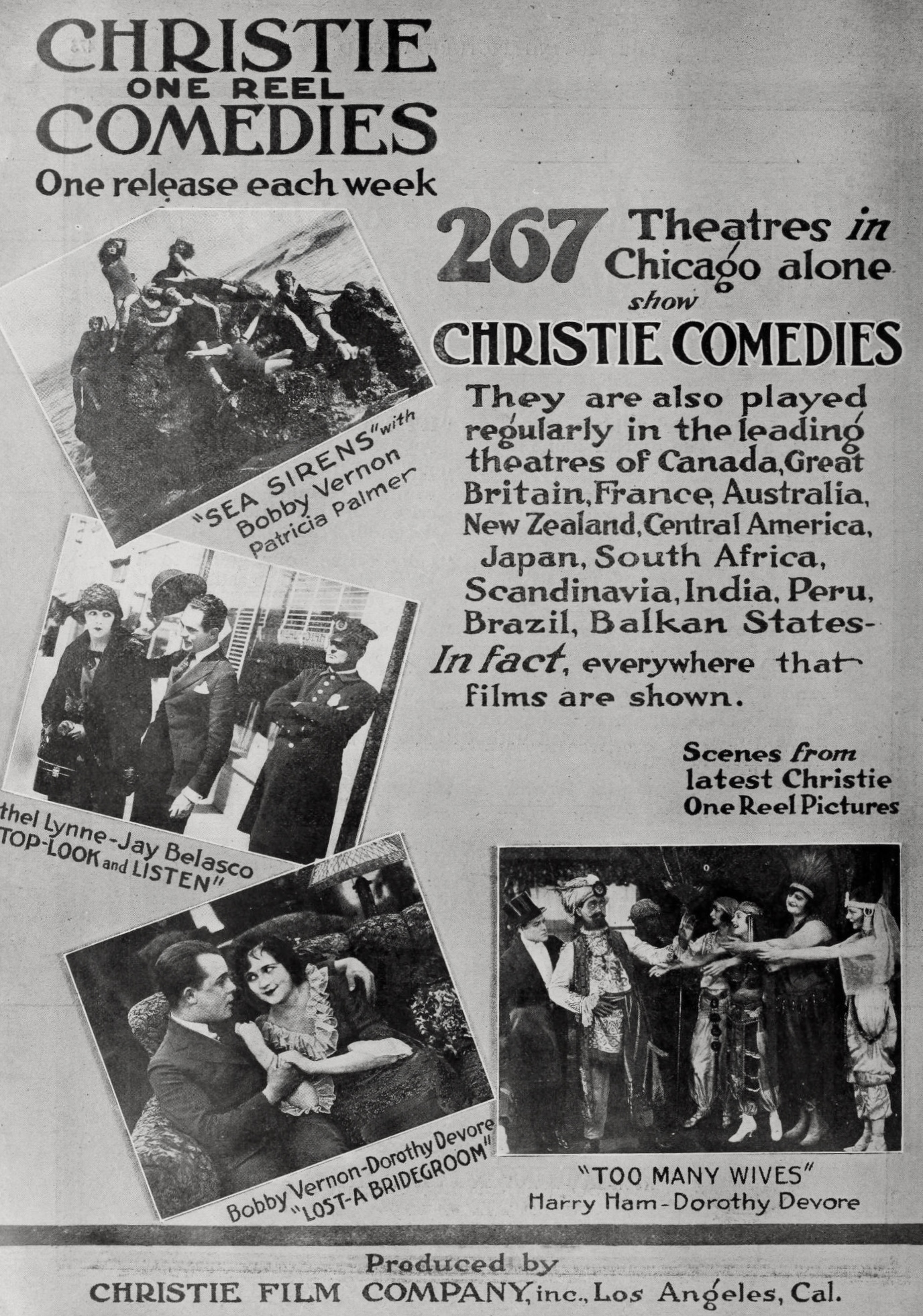
When the reels of Stop, Look and Listen begin to spin, the audience is thrust into a world where the machinery of law enforcement operates with the precision of a farcical clock. The protagonist—an unassuming everyman whose name never fully registers—becomes the unwitting pawn in a series of bureaucratic errors that see him arrested not once, but six times, each detainment more ludicrous than the last. The film’s opening tableau establishes a tone that is both playful and sharply observant: a bustling city street, a misplaced fingerprint, a bewildered constable, and the instant, almost theatrical, snapping of cuffs.
What follows is a masterclass in visual comedy, a choreography of doors closing and reopening, of handcuffs clanking in rhythm with the jaunty piano accompaniment. The director, Bennett Cohen, eschews dialogue in favor of exaggerated gestures and meticulously timed intertitles, allowing the audience to fill the gaps with imagination. This restraint mirrors the subtle elegance found in Masked Ball, where silence also becomes a canvas for expressive storytelling.
The first arrest is almost accidental: a case of mistaken identity at a bustling train station, where our hero is confused with a notorious thief. The second sees him caught in a petty theft of a bakery’s prized croissant—a comedic nod to the era’s fascination with food as a symbol of prosperity. By the third arrest, he is mistakenly identified as a political agitator, a satire that subtly critiques the Red Scare’s paranoia without ever uttering a word. The fourth and fifth arrests involve increasingly elaborate misunderstandings: a masquerade ball where masks conceal not only faces but also the truth, and a courtroom where a misread legal document condemns him to a sentence he never earned.
Each episode is punctuated by a visual motif—a flickering streetlamp, a ticking pocket watch, a stray cat that appears at the periphery of every frame—binding the narrative’s disparate moments into a cohesive tapestry. The sixth arrest, however, is the most poignant. It occurs not because of any external error but because the protagonist, in a moment of reckless bravery, chooses to intervene in a robbery to protect a young woman, only to be handcuffed by the very officers he saves.
Ethel Lynne’s portrayal of the love interest—named Clara in the intertitles—transcends the limitations of silent cinema. Her eyes convey a spectrum of emotions: curiosity, frustration, hope, and eventual admiration. Lynne’s subtle arch of an eyebrow becomes a narrative device, guiding the audience through Clara’s inner monologue. Opposite her, Earle Rodney delivers a performance that balances slapstick timing with a lingering vulnerability. Rodney’s physical comedy, reminiscent of the pratfalls found in Blind Justice, is undercut by moments of sincere yearning, especially in the scenes where he watches Clara from a distance, his silhouette framed against the amber glow of a streetlamp.
The supporting cast—Jay Belasco as the blustering police chief and a troupe of comically inept officers—adds layers of satire. Belasco’s exaggerated moustache and booming gestures serve as a visual shorthand for authority gone awry, while the officers’ synchronized stumbling through the streets evokes the chaotic choreography of a well-rehearsed dance troupe.
Beyond its surface-level humor, Stop, Look and Listen probes deeper questions about the nature of justice. Each wrongful arrest is a vignette that exposes the fragility of legal systems when they rely on superficial evidence. The film’s recurring motif of mirrors—both literal and figurative—suggests that identity is mutable, shaped as much by external perception as by internal conviction.
The climactic resolution, wherein the protagonist finally secures his freedom and Clara’s affection, is not merely a tidy happy ending; it is a commentary on perseverance. After enduring a cascade of institutional failures, the hero’s ultimate triumph is achieved through personal agency—choosing to act, even when the odds are stacked against him. This narrative arc bears similarity to the redemptive journey in Judge Not, where moral fortitude outweighs bureaucratic oppression.
Cohen’s direction showcases a deft command of composition. The camera frequently frames the protagonist against towering cityscapes, emphasizing his insignificance amidst the urban sprawl, yet also highlighting his resilience. The use of chiaroscuro lighting, with deep shadows contrasted against the bright glow of streetlamps, creates a visual rhythm that mirrors the film’s narrative beats.
The musical accompaniment, though not part of the original print, is often performed live in contemporary screenings. A ragtime piano piece, interspersed with brass stabs, underscores the frantic pace of the chase sequences, while a plaintive violin melody accompanies the quieter moments between the hero and Clara, evoking a bittersweet longing.
The color scheme employed in the review’s design—dark orange (#C2410C), yellow (#EAB308), and sea blue (#0E7490)—echoes the film’s own palette: the amber glow of gaslights, the golden hue of sunrise over the dockyards, and the cool blues of the river that serves as a backdrop for the final chase. These hues are woven subtly into the HTML through inline CSS, ensuring visual harmony without distracting from the textual analysis.
When placed alongside contemporaneous works such as The Wooing of Coffee Cake Kate or Danger Within, Stop, Look and Listen distinguishes itself through its relentless focus on the absurdity of procedural error. While the former films explore romantic entanglements or melodramatic suspense, Cohen’s piece remains steadfastly comedic, yet never loses its critical edge.
The film also shares a thematic lineage with later silent comedies like Seven Deadly Sins, where moral failings are personified through slapstick mishaps. However, Stop, Look and Listen predates many of these conventions, positioning it as a precursor to the sophisticated visual satire that would flourish in the late 1920s.
In an era where streaming platforms resurrect forgotten gems, this film offers a compelling case study for scholars of early cinema. Its preservation status remains precarious; only a handful of prints survive in private collections, and restoration efforts have been sporadic. Yet, the film’s underlying message—questioning authority, championing individual agency, and celebrating the absurdity of human error—resonates strongly in today’s sociopolitical climate.
The film’s influence can be traced in modern comedic narratives that hinge on wrongful accusations, from television sitcoms to blockbuster comedies. Its structural reliance on repeated motifs anticipates the cyclical humor seen in series like Brooklyn Nine‑Nine, where the protagonist’s misadventures are both a source of laughter and a critique of institutional rigidity.
Stop, Look and Listen stands as a testament to the power of silent storytelling. Its blend of slapstick virtuosity, nuanced performances, and incisive social commentary creates a multilayered experience that rewards repeated viewings. For aficionados of early cinema, the film offers a rare glimpse into the inventive spirit of 1920s filmmakers who dared to challenge the status quo with only a camera, a piano, and boundless imagination.
In sum, the film is not merely an amusing relic; it is an artistic statement that continues to echo across the decades, inviting viewers to pause, observe, and, most importantly, listen—to the whispers of injustice, the clamor of laughter, and the quiet determination of a man who refuses to be defined by the mistakes of others.
IMDb 7
1928
Community
Log in to comment.