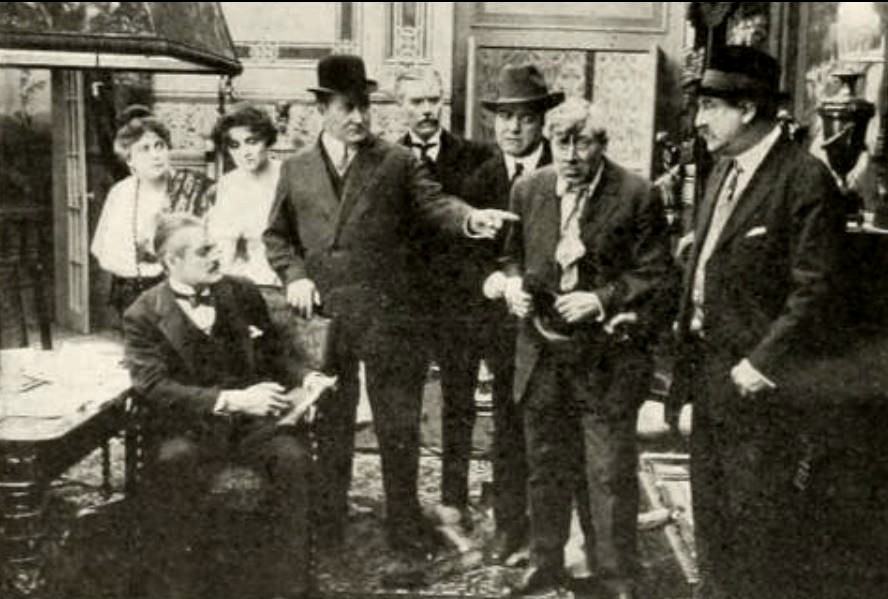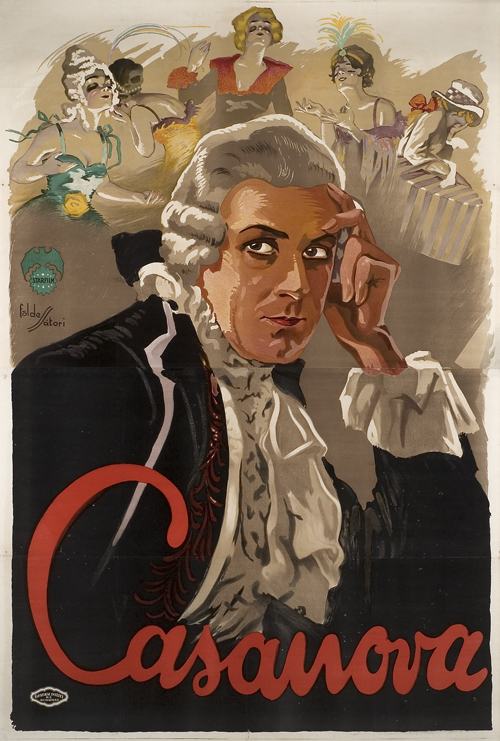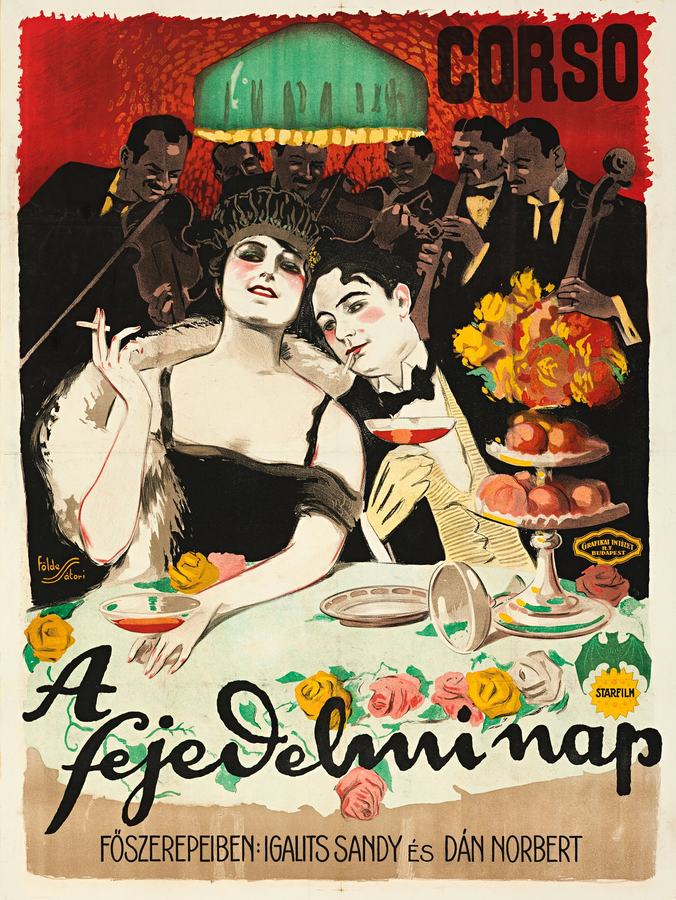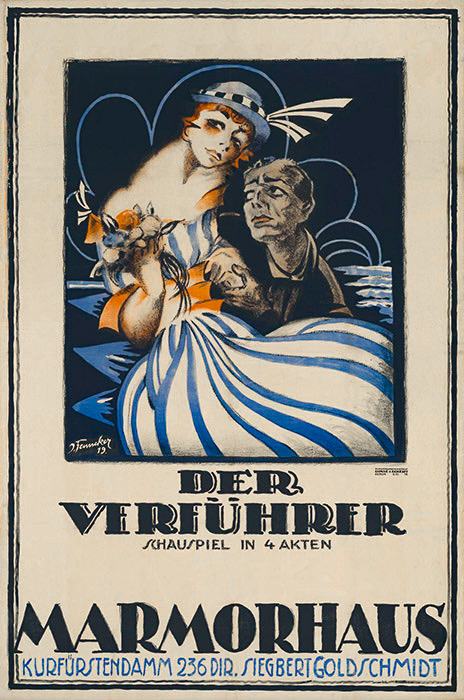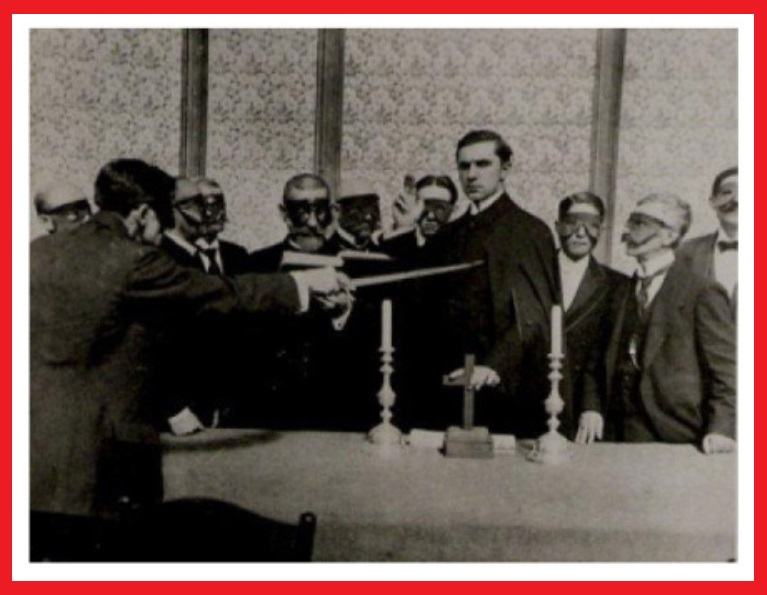
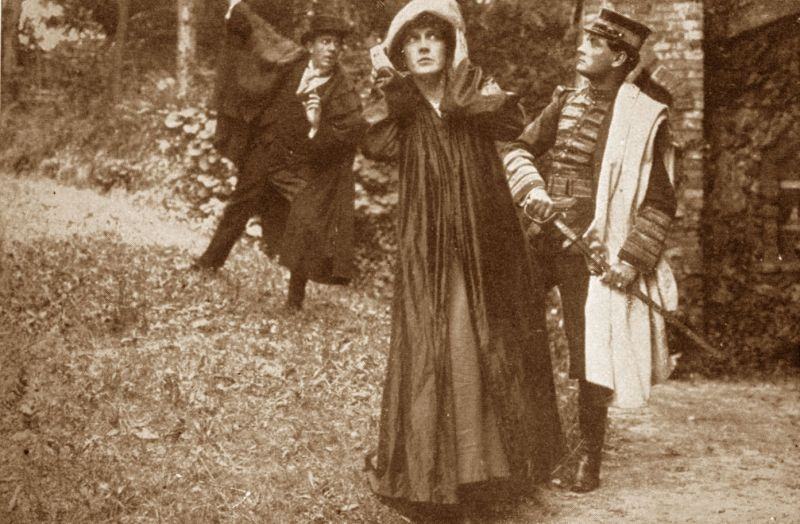
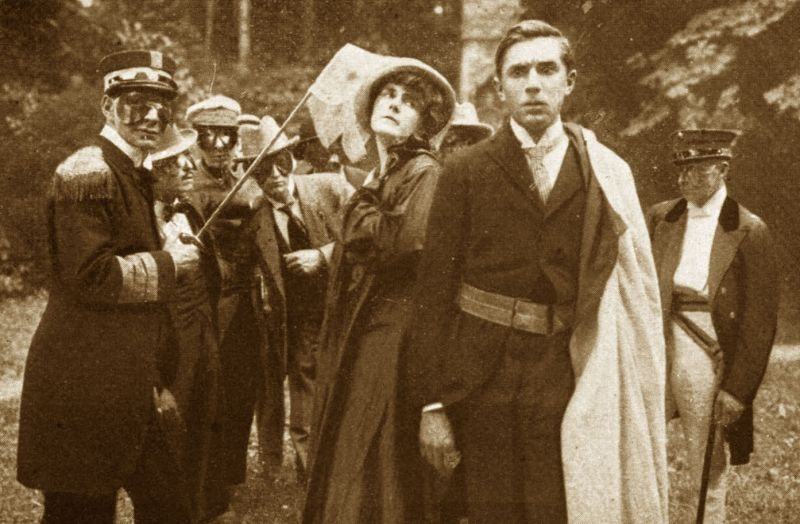
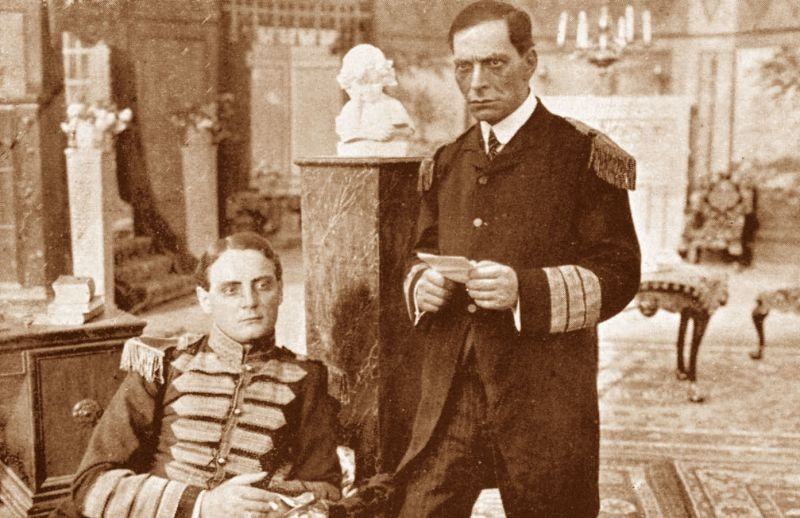
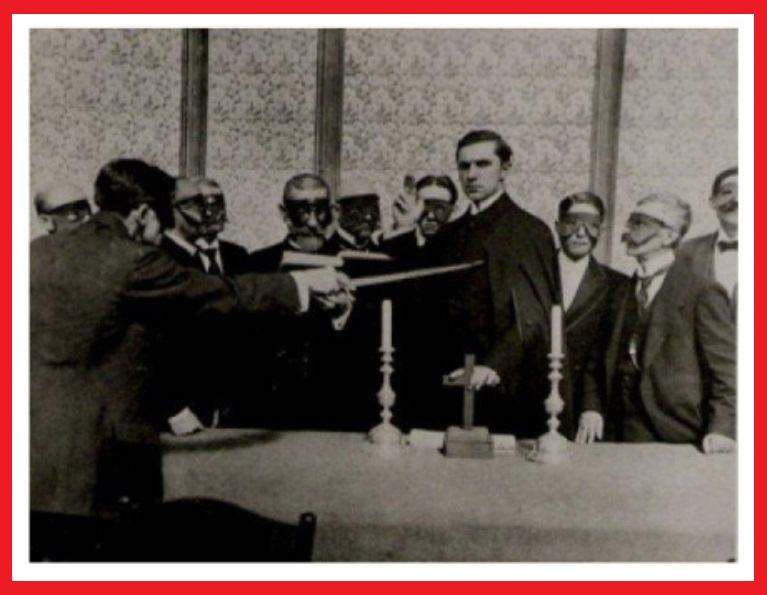
Nothing is known of the plot of this film. Bela Lugosi portrayed Rene, the Secretary-Govener.
Antonio Somma, Francesco Maria Piave, Eugène Scribe
Hungary
There are films that vanish, and then there are films that were never entirely present—Masked Ball belongs to the latter phylum. Shot in the twilight of 1929, when talkies were garroting silents in the alleyways behind European cinemas, this Hungarian curio has no surviving synopsis, no censor cards, no trade-paper pu...
still_frame
still_frame
still_frame
still_frame
Comparing the cinematic DNA and archive impact of two defining moments in cult history.
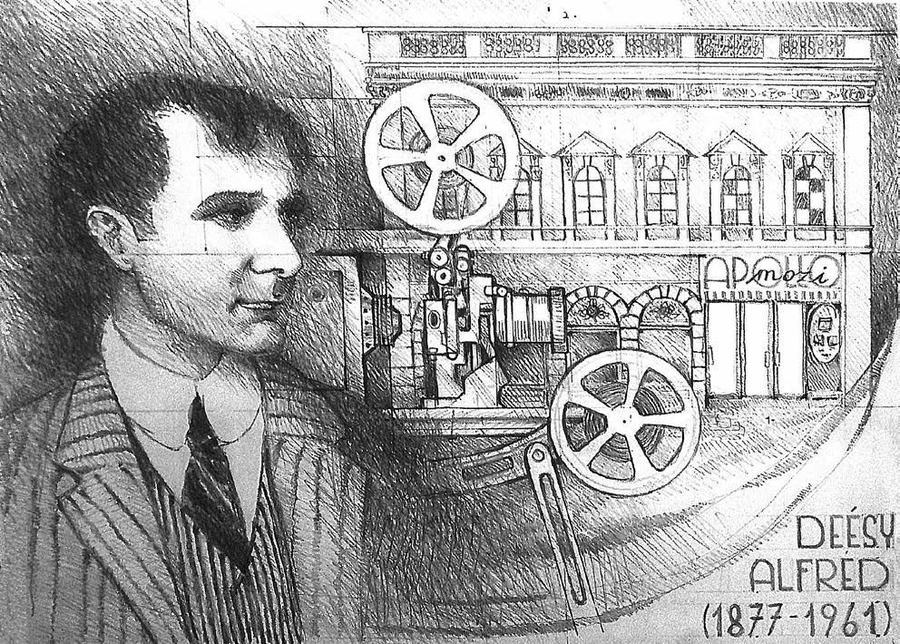
Alfréd Deésy
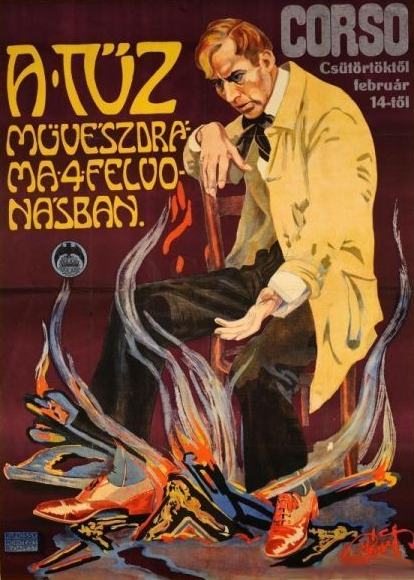
Alfréd Deésy
Community
Log in to comment.
" There are films that vanish, and then there are films that were never entirely present—Masked Ball belongs to the latter phylum. Shot in the twilight of 1929, when talkies were garroting silents in the alleyways behind European cinemas, this Hungarian curio has no surviving synopsis, no censor cards, no trade-paper puff pieces. What remains is a rumor dressed as a reel: 74 minutes of nitrate that supposedly combusted in the Allied bombing of Budapest, leaving behind only the perfume of its own ..."