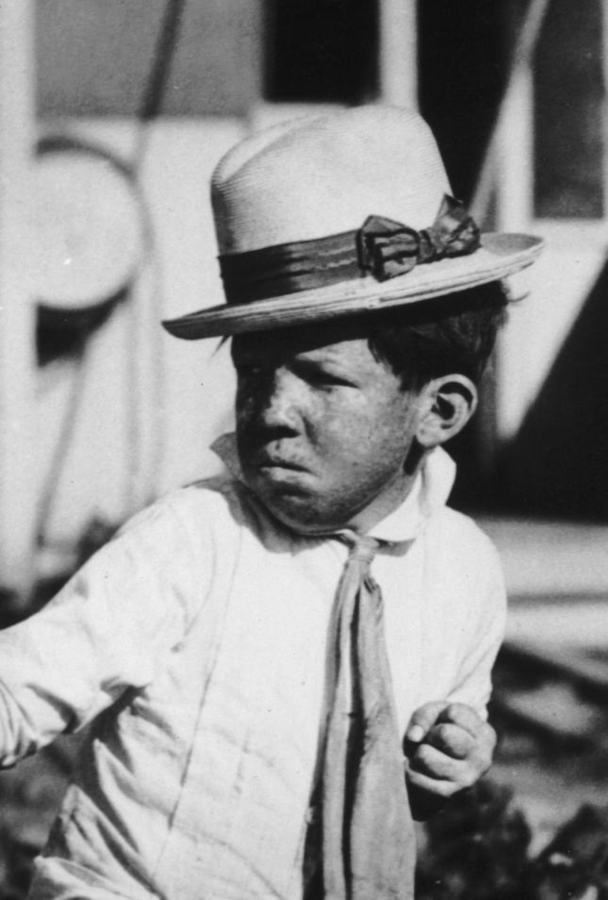
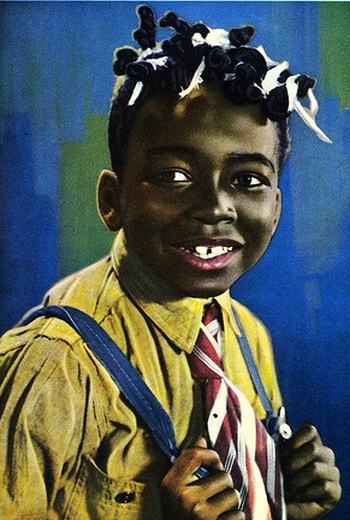
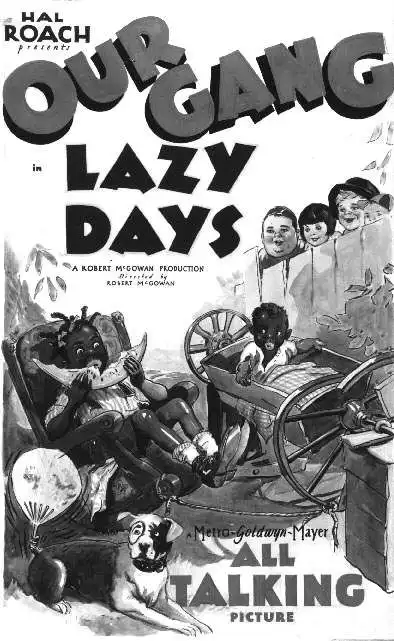
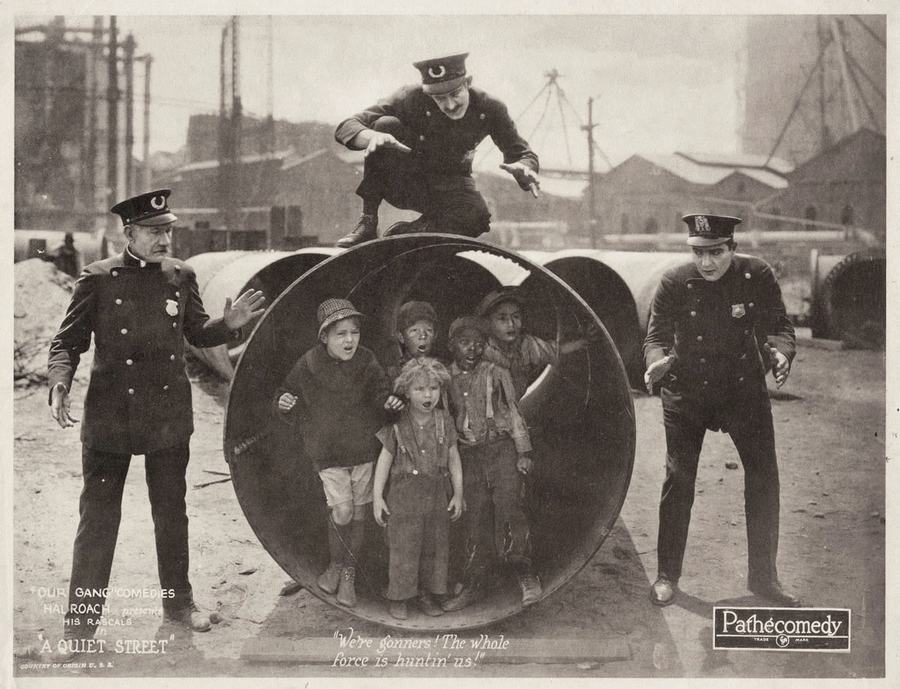
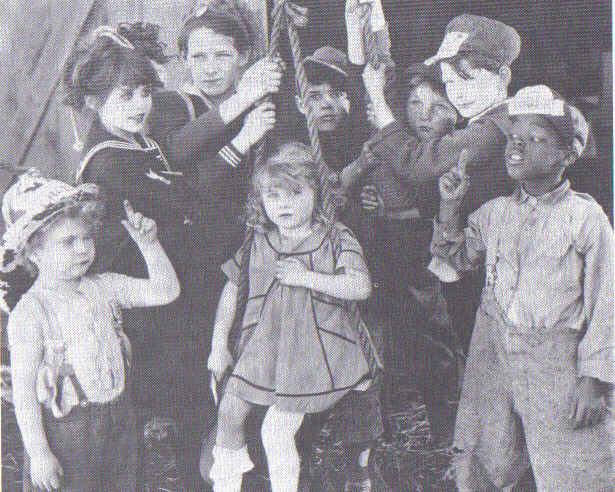
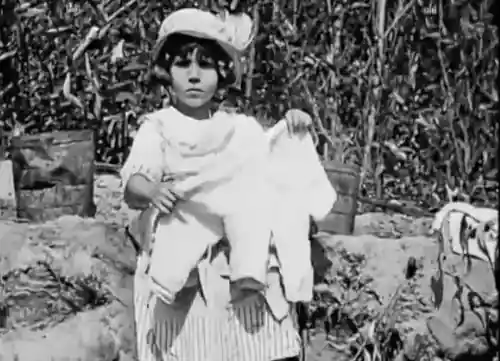
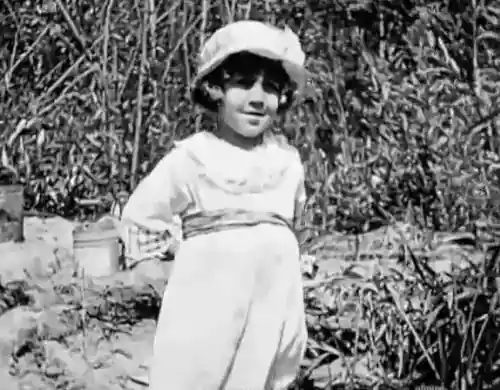
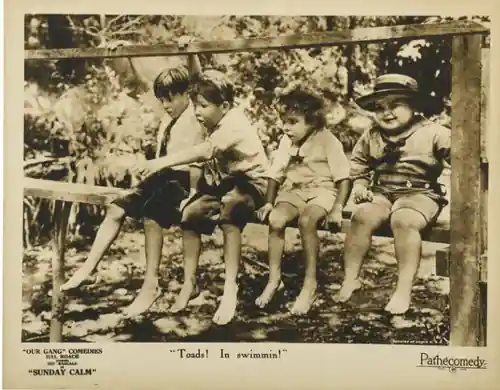
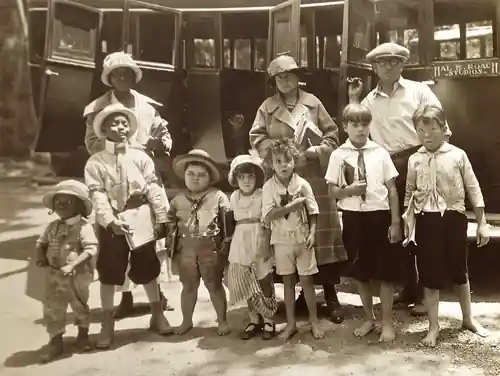
The kids' families plan a Sunday picnic. The group's wagon gets loose with the gang inside, leaving the adults behind.
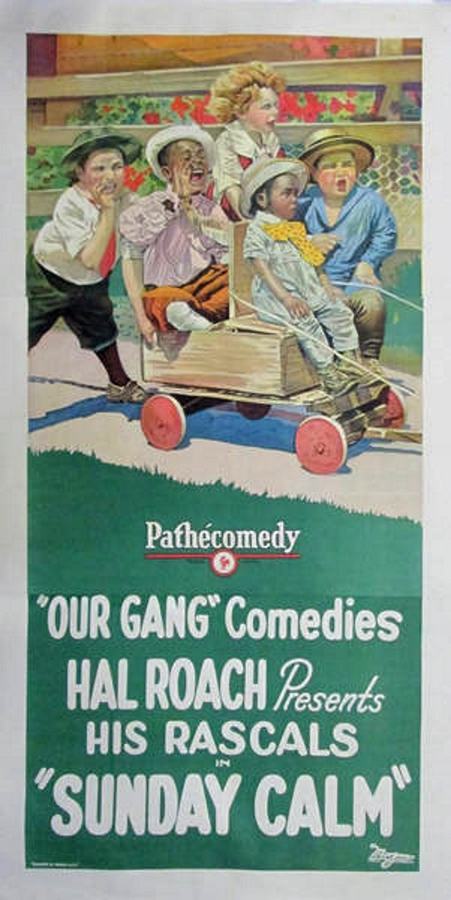
Sunday Calm (1929): A Picnic of Rebellion and the Illusions of ControlIn the pantheon of early Hollywood comedies, Sunday Calm occupies a peculiar niche: it is neither a slapstick farce nor a moralistic parable, but a study in the delicate alchemy of childhood agency. Directed with a mischievous eye by Hal Roach (later...
still_frame
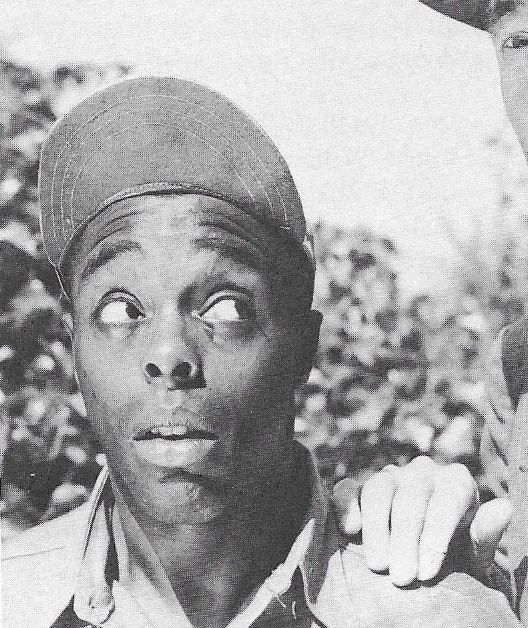
still_frame
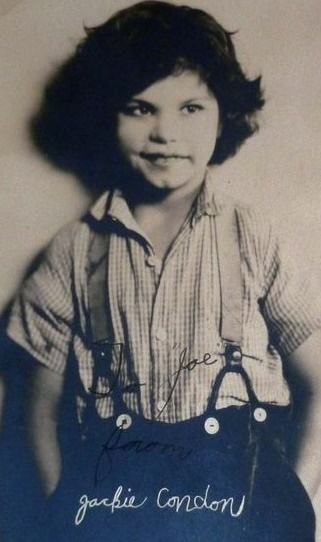
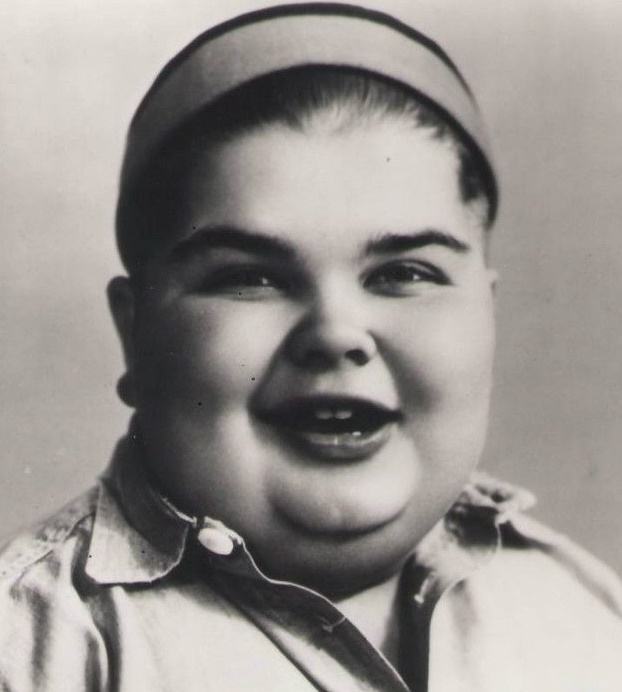
publicity
behind_the_scenes
Comparing the cinematic DNA and archive impact of two defining moments in cult history.
Robert F. McGowan
Reggie Morris
Community
Log in to comment.
"Sunday Calm (1929): A Picnic of Rebellion and the Illusions of ControlIn the pantheon of early Hollywood comedies, Sunday Calm occupies a peculiar niche: it is neither a slapstick farce nor a moralistic parable, but a study in the delicate alchemy of childhood agency. Directed with a mischievous eye by Hal Roach (later a titan of the Three Stooges universe) and co-written by H.M. Walker, the film captures a fleeting moment when the world tilts sideways for a group of children, their picnic wagon..."
Leona Levin
Hal Roach, H.M. Walker
United States