DbcultAccessing Vault...
6.5/10
Senior Film Conservator
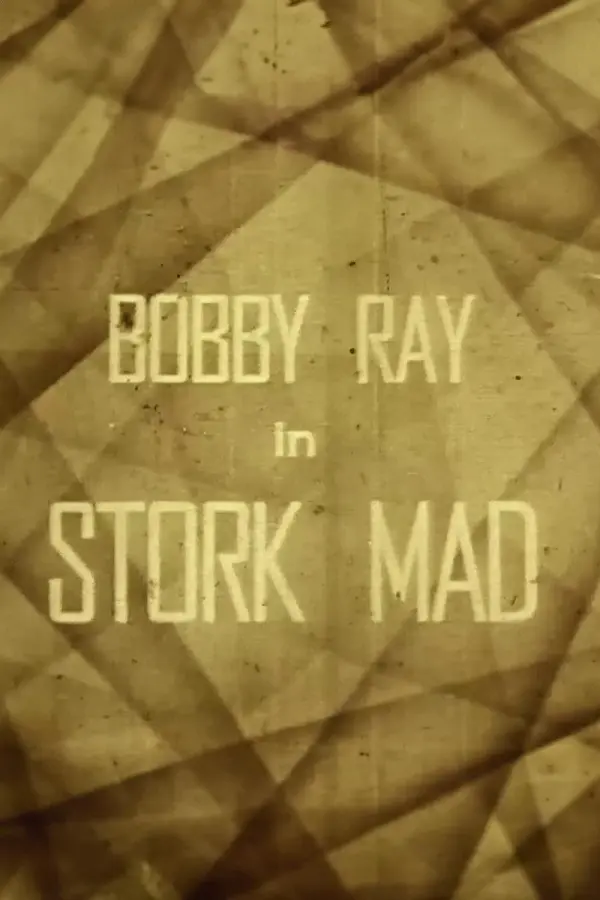
A definitive 6.5/10 rating for a film that redefined the boundaries of cult cinema. Stork Mad remains a cornerstone of transgressive art.
Is Stork Mad a hidden gem of the silent era? Short answer: No, it is a frantic relic that primarily serves as a historical curiosity for those obsessed with the mechanics of early slapstick.
This film is for the silent cinema completist and the student of physical comedy; it is absolutely not for anyone seeking a coherent narrative or nuanced character development. It is loud, it is fast, and it is frequently exhausting.
1) This film works because Bobby Ray’s physical exertion is genuinely impressive, turning mundane household chores into a high-stakes athletic event.
2) This film fails because the plot pivots too awkwardly into sentimental melodrama with the 'sick mother' subplot, which feels like it belongs in a different movie entirely.
3) You should watch it if you are documenting the evolution of the ‘clueless dad’ trope or if you want to see Bud Jamison at his most reactive.
Stork Mad operates on a singular, high-frequency note: panic. The moment the baby is discovered on the doorstep, the film abandons any pretense of realism. Bobby Ray, an actor who never quite reached the heights of a Lloyd or a Keaton, performs with a frantic energy that borders on the neurotic. Unlike the calculated, geometric gags of Mighty Like a Moose, the humor here is messy and reactive.
Consider the scene where the couple first attempts to feed the child. It isn't just about a man not knowing how to use a bottle; it’s about a man who seems to have forgotten how gravity works. Ray flails, trips, and creates a cyclone of domestic debris. It is funny, sure, but it lacks the grace of the era's better comedies. It feels like a precursor to the more violent slapstick of the 1930s rather than the sophisticated situational humor found in A Youthful Affair.
The baby in this film is less a character and more a ticking time bomb. The child represents the ultimate disruption of the status quo, a theme that silent cinema explored repeatedly in films like The Miracle of Life, though Stork Mad takes a decidedly less reverent approach. Here, parenthood is an affliction to be survived.
One of the few saving graces of the film is the presence of Bud Jamison. Known mostly as the perennial foil to the Three Stooges, Jamison brings a much-needed grounding presence to the screen. While Bobby Ray is busy vibrating with anxiety, Jamison’s reactions provide the actual punchlines. He has a way of looking at the camera that says, "I can't believe I'm in this movie," and it works perfectly.
His interaction with the 'sick mother' plot point is particularly telling. When the letter arrives, the film tries to pivot into a serious drama about family duty. It’s a jarring transition. One moment we are laughing at a man falling over a cradle, and the next we are expected to care about an ailing parent off-screen. It’s a tonal whiplash that many films of this period, like The House of Toys, managed with more sincerity.
In Stork Mad, the drama feels like a contractual obligation rather than a narrative necessity. It’s a way to get the characters out of the house and into a new set of gags, but the connective tissue is paper-thin. The film doesn't breathe; it just gasps for air between set pieces.
If you are looking for a laugh-out-loud comedy that resonates with modern sensibilities, the answer is no. The gags are dated and the pacing is uneven. However, if you are interested in the technical evolution of the short film, there is value here. Stork Mad demonstrates the transition from pure Vaudeville-style stage gags to more cinematic, location-based storytelling.
It lacks the heart of The Star of Bethlehem or the narrative tension of In the Night. It is a middle-of-the-road production that relies heavily on the charisma of its leads, which unfortunately isn't always enough to carry the weight of its thin premise. It’s a film that exists in the shadow of giants.
We watch them to see the origins of our own tropes. The 'clueless father' archetype seen in modern sitcoms is directly descended from Bobby Ray’s performance here. When he looks at a diaper as if it were an unexploded landmine, he is laying the groundwork for a century of fatherhood-based humor. That historical lineage is the most compelling reason to sit through the film’s twenty-minute runtime.
Pros:
Cons:
Visually, Stork Mad is standard for its time. There are no groundbreaking camera movements or lighting techniques. It uses the typical flat, wide shots of the era to ensure all the physical action is captured in the frame. Compared to the more adventurous framing of The Border Legion, it feels somewhat stagnant.
The tone is the film's biggest hurdle. It wants to be a riotous comedy, but it keeps tripping over its own feet trying to be a drama. This was a common issue in early shorts where writers felt they needed a 'moral' or a 'serious' hook to justify the zaniness. In Stork Mad, it just feels like filler. The film is at its best when it embraces the absurdity of the situation, like the moment they realize they have no idea how to stop the baby from crying and resort to increasingly ridiculous methods of distraction.
"Stork Mad is a film that runs at 100 miles per hour but doesn't actually go anywhere. It is a treadmill of gags, some of which land, but most of which simply pass by in a blur of motion."
Stork Mad is a loud, sweaty, and ultimately forgettable entry in the silent comedy canon. It works. But it’s flawed. While Bobby Ray puts in the work, the script fails to provide him with a cohesive foundation. It is a film of moments rather than a complete work. If you have twenty minutes to spare and a deep love for the era, give it a look for Bud Jamison alone. Otherwise, you’re better off revisiting Mighty Like a Moose for a masterclass in how this kind of comedy should be done. It is a frantic relic that reminds us that even in the 1920s, parenting was considered the ultimate slapstick tragedy.
IMDb 7.6
1923
Community
Log in to comment.