DbcultAccessing Vault...
6.9/10
Senior Film Conservator
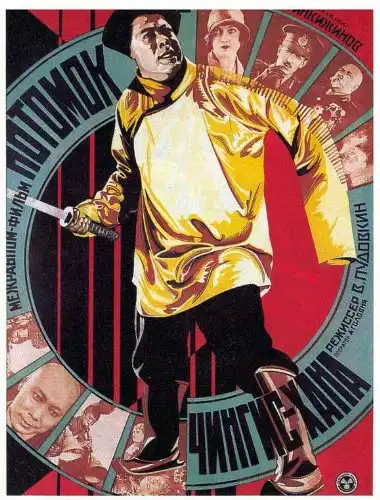
A definitive 6.9/10 rating for a film that redefined the boundaries of cult cinema. Storm Over Asia remains a cornerstone of transgressive art.
Vsevolod Pudovkin’s 1928 silent epic, Storm Over Asia, is not a film for casual viewing, but for anyone serious about cinema history, particularly the Soviet montage school, it remains essential. It’s a visually stunning, if often overtly propagandistic, experience that demands patience but rewards with moments of breathtaking artistry and historical insight. Viewers accustomed to modern pacing, subtle character arcs, or an apolitical narrative will likely find its deliberate rhythm and clear ideological messaging challenging. However, those willing to engage with a foundational work of silent cinema, and appreciate its revolutionary visual language, will discover a powerful, if flawed, piece of filmmaking that still resonates today.
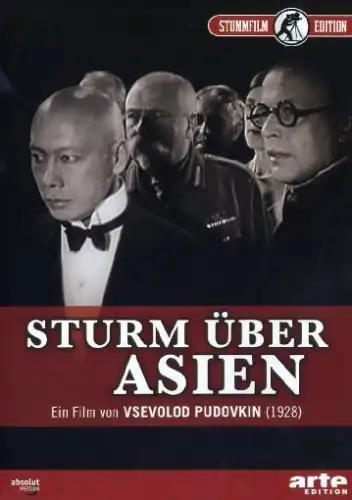
The pacing of Storm Over Asia is, by modern standards, deliberately measured, often punctuated by bursts of kinetic energy. Pudovkin isn't interested in a brisk narrative rush; instead, he builds tension through sustained shots and then unleashes it through rapid-fire montage. The opening sequence, with Bair (Valéry Inkijinoff) hunting a fox across the vast Mongolian steppes, establishes this rhythm immediately. There's a patient observation of his struggle, the wind whipping at his clothes, the landscape dominating the frame. This gives way to a more frantic pace during his attempts to sell the pelt, and later, his escape from the British. While some sequences, particularly those detailing the bureaucratic machinations of the British officers, can feel drawn out, they serve to emphasize the suffocating presence of colonial power. The film's tone shifts from almost ethnographic observation to fierce revolutionary fervor, often without much transition, reflecting its dual purpose as both cultural document and political rallying cry.
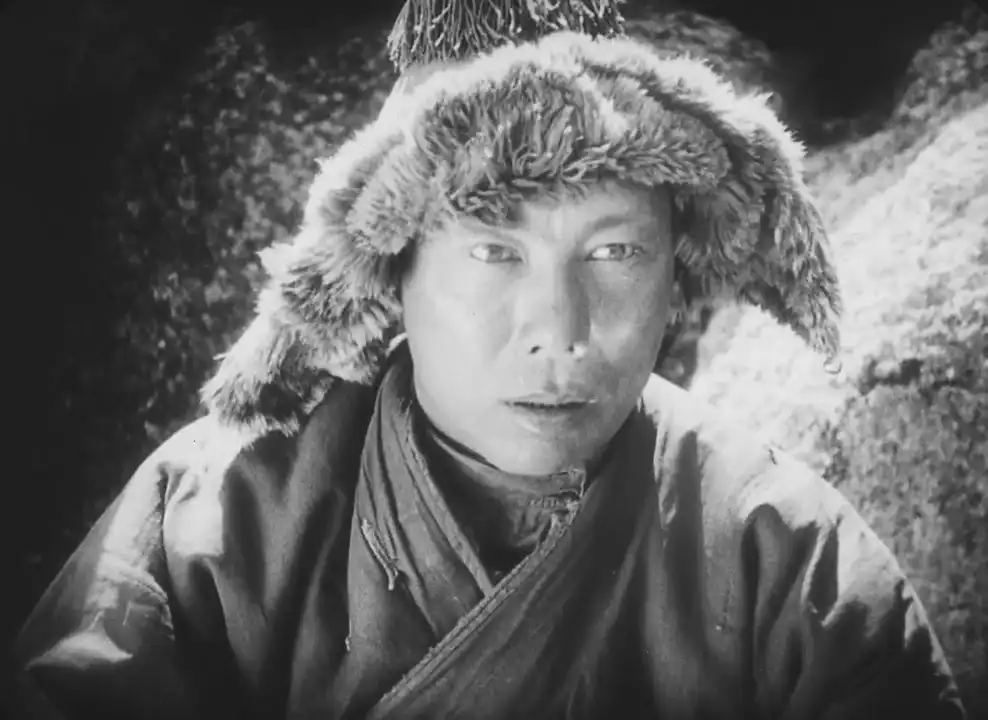
Pudovkin’s genius lies in his visual storytelling, a masterclass in montage that rivals even Eisenstein’s work from the same period. He uses close-ups not just for emphasis, but to connect disparate ideas, to forge emotional links where dialogue cannot. Consider the sequence where Bair is being "re-educated" by the British after they discover his supposed lineage. We see quick cuts between Bair’s bewildered face, the British officer’s patronizing smile, and then symbolic shots—a caged bird, a clock ticking—all conveying his entrapment and the artificiality of his new role. The film excels in contrasting the vast, open landscapes of Mongolia with the cramped, ordered spaces of the British encampment. The final act, a revolutionary uprising, is a torrent of dynamic editing: galloping horses, firing rifles, faces contorted in defiance and fear, all culminating in the famous "storm" sequence, where the wind literally becomes a character, whipping through the land, mirroring the tempest of rebellion. It’s a breathtaking display of visual metaphor, perhaps the film's most enduring image.
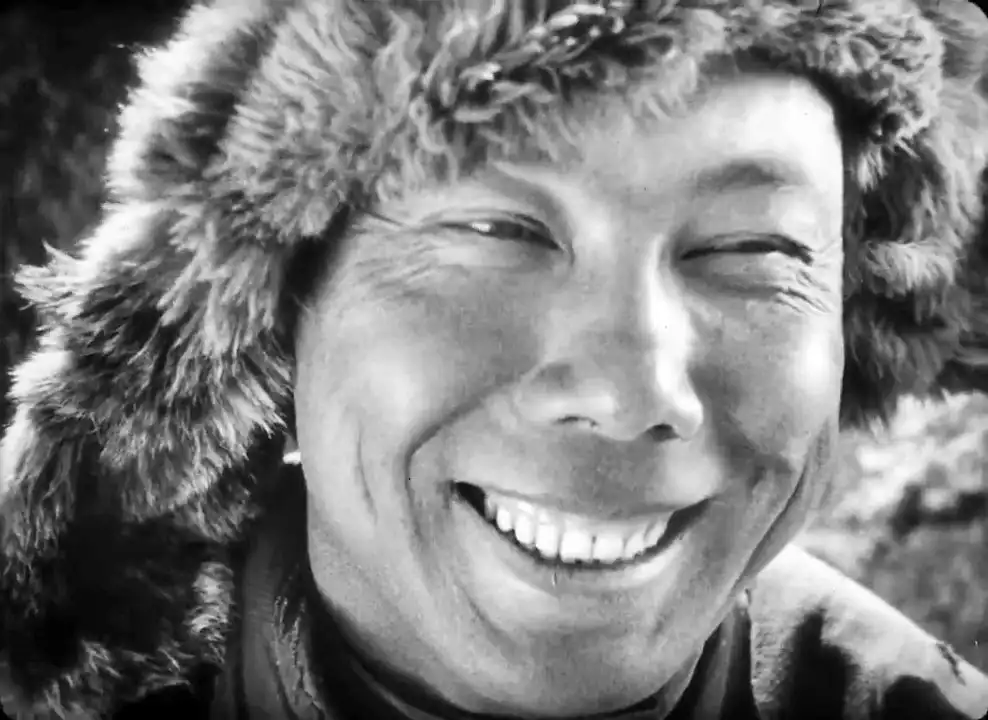
At the heart of Storm Over Asia is Valéry Inkijinoff’s towering performance as Bair. Inkijinoff carries the film, transitioning from a rough, almost animalistic hunter to a bewildered pawn, and finally to an enraged revolutionary leader. His raw physicality and expressive face are perfectly suited to silent cinema. In the early scenes, his movements are fluid, almost primal, reflecting his connection to the land. Later, when he’s forced into a European suit by the British, his discomfort is palpable, a genuine physical awkwardness that speaks volumes about his cultural displacement. He rarely overacts, a common pitfall in silent film, instead conveying Bair’s internal journey through subtle shifts in posture and intensely focused glances. The supporting cast, particularly the British officers, are more broadly drawn, often bordering on caricature. They serve their purpose as symbols of colonial arrogance and cruelty rather than fully fleshed-out characters, which aligns with the film's propagandistic aims but limits their dramatic impact.
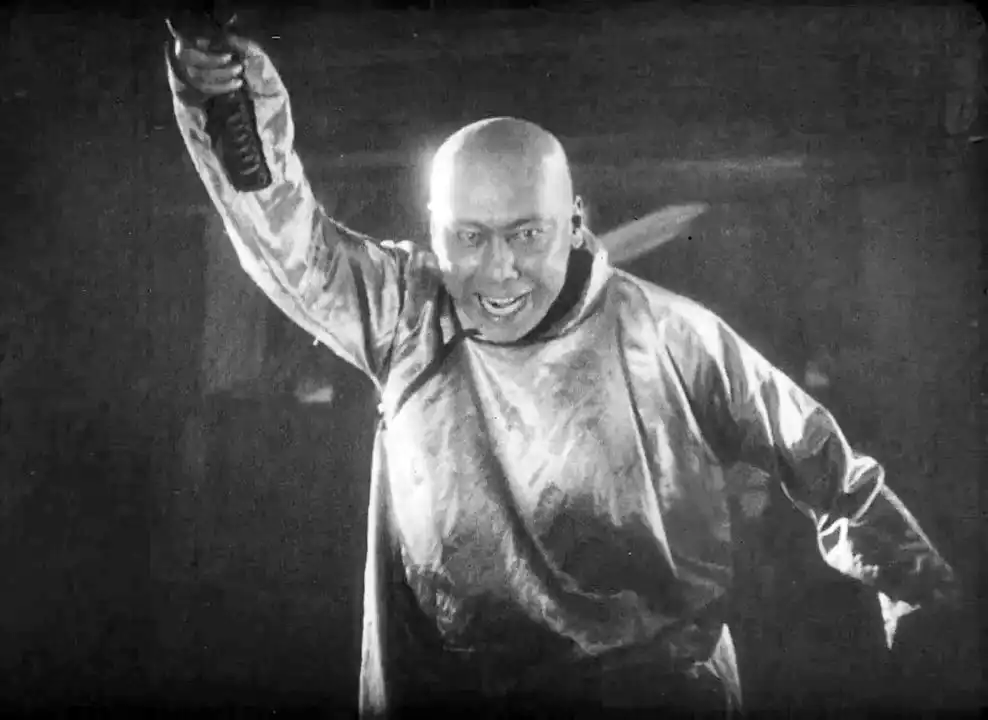
The film's primary strength is its visual power. Pudovkin’s ability to craft evocative images and string them together with such rhythmic precision is remarkable. The sheer scale of the production, with hundreds of extras and vast outdoor locations, gives it an epic feel. It's also invaluable as a historical document, offering a glimpse into the early Soviet Union's self-perception and its anti-imperialist stance. The film avoids presenting the Mongolian people as a monolithic entity, showing both those who collaborate and those who resist, adding a layer of nuance often missing in such overtly political works.
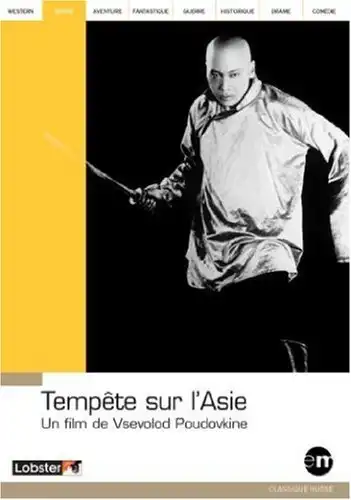
However, Storm Over Asia is not without its flaws. Its most significant weakness is its undeniable, often heavy-handed, propagandistic intent. While this is to be expected from a Soviet film of its era, modern viewers may find the clear-cut good vs. evil narrative simplistic. The British are portrayed almost exclusively as cruel, exploitative caricatures, lacking any real complexity. The narrative arc, particularly Bair's sudden transformation into a revolutionary icon, feels more dictated by ideology than organic character development. There's a scene where Bair, after being shot and left for dead, is miraculously healed by a group of partisans and almost immediately becomes their fiery leader – a plot point that strains credulity, even within the context of silent film melodrama.
One small, yet telling, detail that sticks out is the way the British officers handle the "Genghis Khan" document. They pore over it with a mix of academic curiosity and cynical calculation, their faces illuminated by a single lamp in a dimly lit tent, a stark visual contrast to the open-air life of the Mongolians. It's a moment that perfectly encapsulates their detached, intellectualized approach to colonial exploitation, treating ancient lineage as a mere strategic tool rather than a deeply held cultural identity.
Ultimately, Storm Over Asia is a film that demands to be seen. It's a vital piece of cinematic history, a stunning example of montage theory put into practice, and a powerful, if ideologically driven, narrative. While its pacing and overt political messaging might require a certain frame of mind, its visual poetry, led by Inkijinoff’s compelling performance and Pudovkin’s masterful direction, ensures its place as a classic. It’s a storm worth weathering for its artistic lightning flashes and the thunderous echo of a revolution captured on film.

IMDb 5.5
1930
Community
Log in to comment.